Inflationary Pressures: Understanding Rising Insurance Costs by Q3 2026
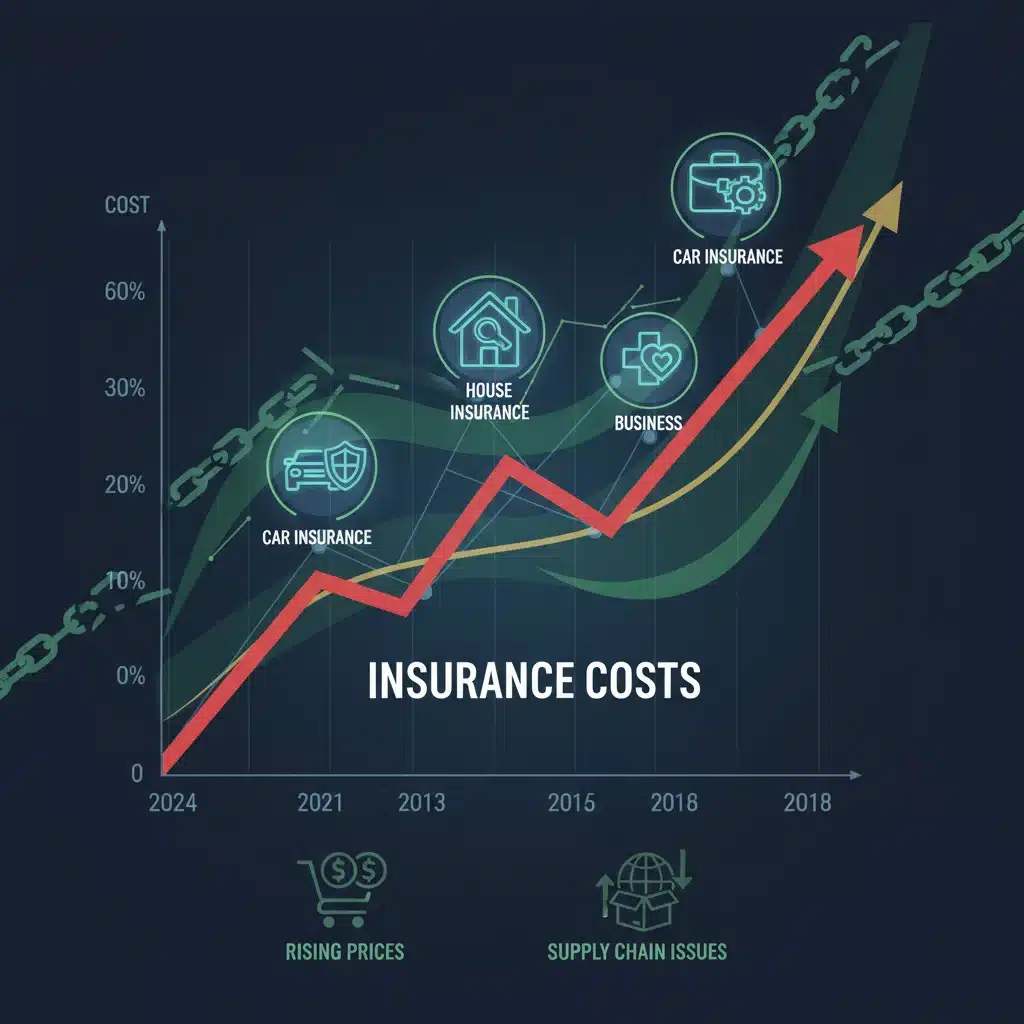
Inflation is a word that has dominated economic discussions for the past few years, and its shadow is now extending significantly into the insurance sector. As we approach Q3 2026, the macroeconomic trends driving up all forms of insurance costs are becoming increasingly evident and impactful. From your auto policy to your home, health, and business insurance, premiums are on an upward trajectory, demanding a deeper understanding of the underlying forces at play and proactive strategies to mitigate their effects. This comprehensive article will explore the multifaceted nature of these inflationary pressures, dissecting the key drivers, examining their impact across various insurance lines, and offering insights into what consumers and businesses can expect and how they can prepare for the future of rising insurance costs.
The Global Economic Landscape: A Catalyst for Rising Insurance Costs
To truly grasp why we are witnessing rising insurance costs, we must first look at the broader global economic landscape. The past few years have been characterized by a confluence of factors that have created a perfect storm for inflation. Supply chain disruptions, initially triggered by the COVID-19 pandemic and exacerbated by geopolitical events, have led to shortages and increased costs for raw materials and finished goods. This has a direct impact on the cost of repairs and replacements, which are central to insurance claims.
Energy prices have also been a significant contributor. Fluctuations in oil and gas markets, driven by geopolitical tensions and shifting demand patterns, have led to higher transportation costs, impacting every stage of the supply chain. This translates into increased operational costs for businesses, including those in the insurance industry, and ultimately, higher premiums for consumers.
Furthermore, robust labor markets in many parts of the world, while generally positive for economic growth, have also contributed to wage inflation. This means higher labor costs for repair services, medical professionals, and even administrative staff within insurance companies, all of which are factored into the cost of coverage. The cumulative effect of these macroeconomic forces creates an environment where rising insurance costs become an almost inevitable outcome.
Understanding Core Inflation and Its Pervasive Reach
Core inflation, which excludes volatile food and energy prices, has also remained stubbornly high in many economies. This indicates that inflationary pressures are not just transient but are deeply embedded in the economic fabric. Factors such as increased consumer demand, expansive fiscal policies, and persistent supply-side constraints have all played a role. When the cost of everything from construction materials to medical supplies increases, the cost of indemnifying against losses also rises. This fundamental principle directly links general inflation to the specific phenomenon of rising insurance costs.
Direct Impacts on Various Insurance Lines
The inflationary environment does not affect all insurance lines equally, but its pervasive nature ensures that few remain untouched. Let’s delve into how different types of insurance are experiencing these pressures.
Auto Insurance: Repair Costs and Parts Shortages
Auto insurance has been one of the most visible areas experiencing rising insurance costs. The reasons are multi-faceted. Modern vehicles are equipped with advanced technology, making repairs more complex and expensive. A simple fender bender can now involve replacing sophisticated sensors, cameras, and even recalibrating entire systems. The cost of these high-tech parts has been steadily increasing, and supply chain issues have led to shortages, further driving up prices and extending repair times. Labor costs for skilled mechanics are also on the rise, adding another layer to the expense.
The cost of used cars has also seen significant appreciation, meaning that total loss payouts are higher. This combination of increased repair costs, expensive parts, and higher vehicle values directly translates into higher premiums for policyholders. Insurers are paying out more per claim, and to maintain profitability and solvency, they must adjust their pricing accordingly.
Homeowners Insurance: Construction, Materials, and Catastrophes
Homeowners insurance is another sector grappling with substantial rising insurance costs. The construction industry has been heavily impacted by inflation, with the cost of building materials like lumber, steel, and concrete soaring. When a home needs to be repaired or rebuilt after damage, the cost of materials and labor is significantly higher than it was just a few years ago. This increases the potential payout for insurers on property claims.
Beyond inflation in construction, the increasing frequency and severity of natural disasters, often linked to climate change, are also playing a critical role. Wildfires, hurricanes, floods, and severe storms cause billions of dollars in damages annually. Insurers must factor these growing risks into their pricing, especially in vulnerable regions. The combination of inflationary repair costs and heightened catastrophic risk creates a potent formula for rising insurance costs for homeowners.

Health Insurance: Medical Inflation and Pharmaceutical Costs
Health insurance costs have been on a consistent upward trend for decades, and inflation is only adding fuel to this fire. Medical inflation typically outpaces general inflation, driven by factors such as advancements in medical technology, increased utilization of services, and administrative overhead. The cost of prescription drugs, particularly specialty medications, continues to climb.
Hospitals and healthcare providers face their own inflationary pressures, including rising labor costs for nurses, doctors, and support staff, as well as increased costs for medical supplies and equipment. These higher operational costs are passed on to insurers, who then pass them on to policyholders through higher premiums, deductibles, and co-pays. The intricate web of healthcare economics makes health insurance particularly susceptible to the broader inflationary environment, leading to rising insurance costs for individuals and employers alike.
Commercial Insurance: Business Interruption and Liability
Businesses are not immune to these trends; in fact, commercial insurance often reflects an amplified version of the challenges faced by personal lines. Property insurance for businesses is affected by the same construction and materials inflation as homeowners insurance. Business interruption coverage, which compensates for lost income due to covered perils, sees higher payouts when the cost of lost goods and services rises due to inflation.
Liability insurance also feels the pinch. Jury awards in personal injury and property damage cases have been trending upwards, a phenomenon sometimes referred to as ‘social inflation.’ This, combined with general economic inflation, means that potential liability payouts are higher, forcing insurers to increase premiums for general liability, professional liability, and directors and officers (D&O) insurance. Cybersecurity insurance, a relatively new but rapidly growing segment, also sees rising insurance costs due to the increasing sophistication and frequency of cyberattacks and the rising cost of data recovery and breach remediation.
The Role of Insurers and Reinsurers
Insurance companies themselves are caught in a difficult position. They are businesses that need to remain profitable to pay claims and ensure long-term solvency. When their costs – from claims payouts to operational expenses – increase, they have limited options. They can absorb some of the costs, but eventually, they must adjust premiums. Regulatory environments in different states and countries can also influence the speed and extent of these adjustments.
Reinsurers, who provide insurance to insurance companies, are also experiencing these inflationary pressures and increased catastrophe losses. This, in turn, leads to higher costs for primary insurers, which are then passed down to policyholders. The global nature of the reinsurance market means that local inflationary pressures can be amplified by worldwide trends, contributing to the widespread phenomenon of rising insurance costs.
What to Expect by Q3 2026
Based on current economic projections and industry analysis, the trend of rising insurance costs is expected to continue through Q3 2026, and likely beyond. While the pace of inflation may moderate in some sectors, the cumulative effect of past increases, combined with ongoing supply chain vulnerabilities, labor market dynamics, and climate-related risks, suggests that insurance premiums will remain elevated.
Consumers and businesses should anticipate further rate increases across most lines of insurance. The exact percentage will vary significantly by region, insurer, and type of coverage, but a general upward trend is almost certain. Insurers will continue to refine their risk models to account for these new economic realities, leading to more granular pricing and potentially greater differentiation in premiums based on individual risk profiles.
Regional Variations and Regulatory Impact
It is important to note that the impact of rising insurance costs will not be uniform across all geographies. Regions prone to natural disasters may see more significant increases in property and homeowners insurance. States with specific regulatory frameworks around rate increases may experience different patterns of adjustment. Understanding your local market dynamics and regulatory environment is crucial for forecasting your specific insurance cost outlook.
Strategies for Mitigation and Adaptation
While the prospect of rising insurance costs can be daunting, there are proactive steps individuals and businesses can take to mitigate the impact and adapt to the new economic reality.
For Individuals and Households:
- Review and Compare Policies Regularly: Don’t just renew automatically. Shop around and compare quotes from multiple insurers at least once a year. Different insurers have different underwriting models and risk appetites, which can lead to significant price variations.
- Increase Deductibles: A higher deductible means you pay more out-of-pocket in the event of a claim, but it can significantly lower your premium. Ensure you have an emergency fund to cover the deductible if needed.
- Bundle Policies: Many insurers offer discounts for bundling multiple policies (e.g., auto and home insurance).
- Improve Risk Profile: For auto insurance, maintain a clean driving record, install safety features, and consider telematics programs. For home insurance, invest in home security systems, maintain your property, and consider storm-resistant upgrades.
- Utilize Discounts: Ask your agent about all available discounts, such as good student discounts, multi-car discounts, loyalty discounts, and discounts for paying in full.
- Consider Usage-Based Insurance: For auto insurance, if you drive less, telematics programs can offer lower rates based on your actual driving habits.
- Maintain Good Credit: In many states, credit scores can influence insurance premiums.
For Businesses:
- Proactive Risk Management: Implement robust risk management strategies to reduce the likelihood and severity of claims. This includes workplace safety programs, cybersecurity measures, and property maintenance.
- Work with an Experienced Broker: A knowledgeable commercial insurance broker can help you navigate the complex market, negotiate with insurers, and find the best coverage at competitive rates.
- Review Coverage Limits and Deductibles: Ensure your coverage limits are adequate for inflated replacement costs, but also consider increasing deductibles to lower premiums, provided you can absorb the higher out-of-pocket expense.
- Invest in Loss Prevention: Upgrading security systems, fire suppression, and disaster preparedness can demonstrate a commitment to risk reduction, potentially leading to better rates.
- Explore Captive Insurance or Risk Retention Groups: Larger businesses might consider self-insurance options or joining a group to gain more control over their insurance costs.
- Data and Analytics: Leverage data to understand your claims history and present a compelling risk profile to underwriters.
- Supply Chain Resilience: Strengthen your supply chain to reduce the risk of business interruption, which can impact insurance claims and future premiums.

The Long-Term Outlook and the Future of Insurance
The current period of rising insurance costs is not just a temporary blip; it represents a significant shift in the insurance landscape. Insurers are increasingly leveraging data analytics, artificial intelligence, and new technologies to better assess risk and price policies. This could lead to more personalized insurance products, where premiums are highly tailored to individual risk behaviors and characteristics.
Furthermore, there’s a growing emphasis on prevention and mitigation. Insurers are keen to partner with policyholders to reduce risks, offering incentives for safety upgrades, wellness programs, and proactive maintenance. The industry is also exploring innovative solutions like parametric insurance, which pays out based on predefined triggers (e.g., wind speed, rainfall amounts) rather than actual damages, potentially streamlining claims and reducing administrative costs.
However, the fundamental drivers of inflation and increasing natural disaster frequency are unlikely to disappear soon. Therefore, adapting to a new normal of higher insurance costs and prioritizing risk management will be essential for both individuals and businesses moving forward. The conversation around insurance will shift from merely finding the cheapest policy to understanding the value of comprehensive coverage in an increasingly volatile world.
Conclusion: Navigating the New Insurance Reality
By Q3 2026, the impact of inflationary pressures on insurance costs will be undeniable across all sectors. The confluence of supply chain disruptions, rising labor and material costs, and an increase in catastrophic events has created a challenging environment for insurers and policyholders alike. Understanding these macroeconomic trends is the first step toward effectively navigating this new reality.
While rising insurance costs are a certainty, proactive engagement with your insurance providers, a commitment to risk management, and a willingness to explore alternative solutions can help mitigate the financial burden. The insurance industry is evolving, and those who adapt to these changes by embracing new technologies, prioritizing prevention, and diligently managing their coverage will be better positioned to weather the economic storms ahead. Staying informed and taking strategic action today will be key to protecting your assets and financial well-being in the face of these ongoing inflationary pressures.