Why Your Insurance Costs Are Soaring: Understanding the 12% Hike in the U.S.
In recent months, a common conversation starter at dinner tables and water coolers across the United States has revolved around the ever-increasing cost of living. From groceries to gasoline, the price tags seem to be climbing relentlessly. Among these rising expenditures, one particular area has seen a significant and often overlooked surge: insurance costs. Over the past 12 months, the average insurance premium in the U.S. has reportedly jumped by a staggering 12%. This substantial increase isn’t just a minor inconvenience; it’s a financial burden impacting millions of households and businesses nationwide. But what exactly is driving this insurance cost increase, and what can consumers do about it?
The Unrelenting Grip of Inflation on Insurance Costs
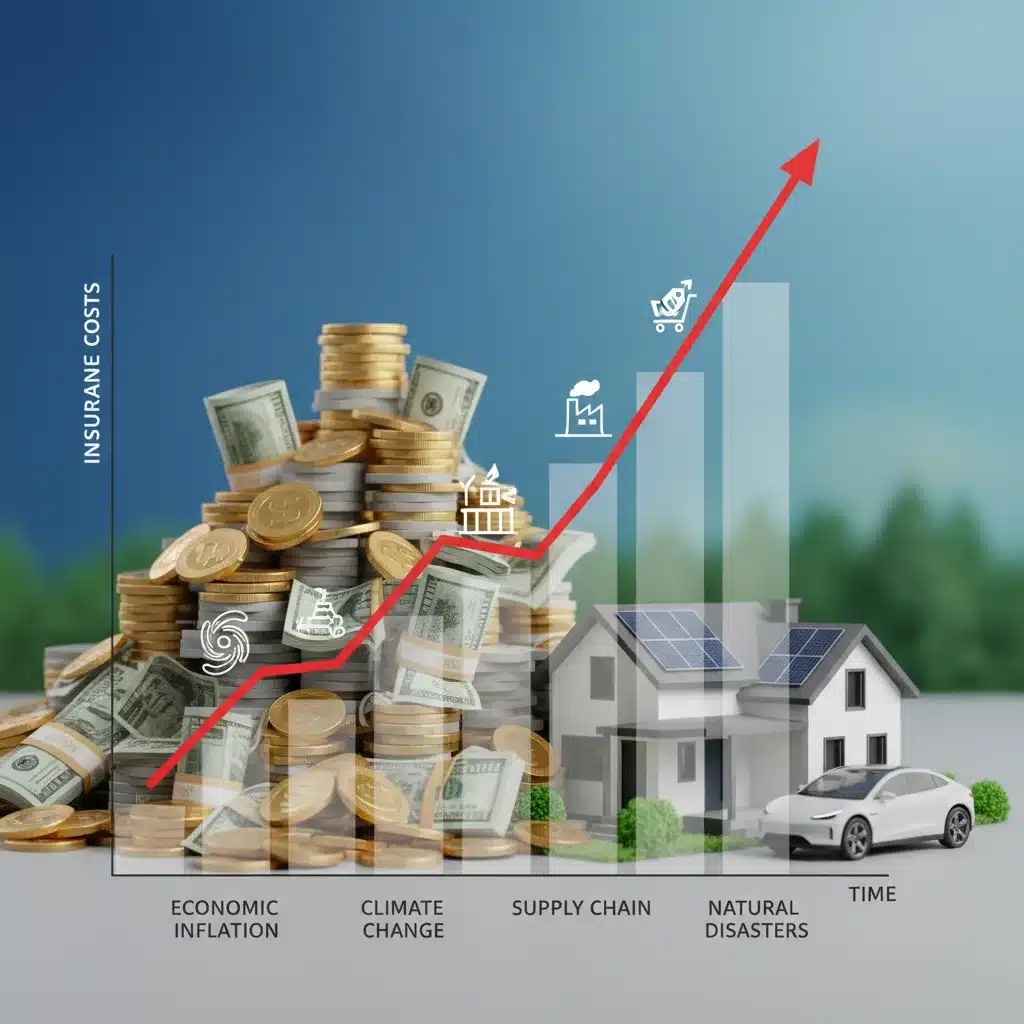
It’s impossible to discuss the insurance cost increase without first addressing the elephant in the room: inflation. The U.S. economy has experienced a period of high inflation not seen in decades, and this pervasive economic force touches nearly every sector, including the insurance industry. When the cost of goods and services rises, so too does the cost of repairing or replacing insured property, providing medical care, or settling legal claims. This direct correlation means that as inflation pushes up the price of everything else, insurance companies must adjust their premiums to cover these higher potential payouts.
Repair and Replacement Costs Skyrocket
Consider auto insurance. If your car is involved in an accident, the cost of parts, labor, and even the rental car you use while yours is in the shop have all increased significantly. Supply chain disruptions, a lingering effect of the pandemic, have driven up the prices of auto parts and extended repair times, leading to higher rental car expenses for insurers. Similarly, for homeowners insurance, the cost of building materials like lumber, steel, and concrete has soared. Labor shortages in the construction industry also contribute to higher repair and rebuilding expenses after events like fires, storms, or other damage. These elevated repair and replacement costs directly translate into higher premiums as insurers anticipate greater expenditures per claim.
Medical Inflation and Healthcare Premiums
Healthcare insurance is another area profoundly affected by inflation. Medical care costs have been on an upward trajectory for years, but recent inflationary pressures have exacerbated the situation. The prices of pharmaceuticals, medical equipment, and hospital services continue to rise. Insurers, who pay for a significant portion of these costs, must factor these increases into their premiums. Furthermore, an aging population and advancements in medical technology, while beneficial for health outcomes, also contribute to the overall escalation of healthcare expenditures, putting additional upward pressure on health insurance premiums.
Climate Change: A Growing Driver of Insurance Cost Increase
Beyond economic inflation, another powerful and increasingly impactful factor driving the insurance cost increase is climate change. The past few years have witnessed an alarming rise in the frequency and severity of extreme weather events across the globe, and particularly within the United States. From devastating wildfires in the West to powerful hurricanes in the Southeast, and intense floods and Derechos in the Midwest, these events are causing unprecedented levels of damage.
Increased Frequency and Severity of Natural Disasters
Insurance companies operate on the principle of risk assessment. When the risks they insure against become more frequent and more damaging, the cost of providing that insurance naturally goes up. Areas historically considered low-risk for certain types of natural disasters are now experiencing them with greater regularity and intensity. This forces insurers to re-evaluate their risk models and, consequently, increase premiums in affected regions, sometimes even withdrawing coverage altogether from the highest-risk areas.
For instance, states like Florida and California have seen some of the most dramatic increases in property insurance premiums due to their vulnerability to hurricanes and wildfires, respectively. Homeowners in these regions are often faced with significantly higher deductibles and premiums, or find it challenging to secure comprehensive coverage at all. The sheer volume of claims stemming from these catastrophic events strains the financial reserves of insurance companies, necessitating broader premium adjustments.
Reinsurance Market Impact
It’s not just primary insurers feeling the pinch. Reinsurance companies, which provide insurance to other insurance companies, are also facing higher payouts due to these widespread disasters. When reinsurance costs rise, primary insurers pass those increased costs onto their policyholders, contributing further to the overall insurance cost increase.
Supply Chain Disruptions and Labor Shortages
The global supply chain issues that began during the COVID-19 pandemic continue to ripple through various industries, and insurance is no exception. These disruptions, coupled with persistent labor shortages, play a significant role in the rising cost of claims.
Impact on Vehicle Repairs
As mentioned earlier, getting replacement parts for vehicles has become more difficult and expensive. A simple fender bender might now require a longer wait for a specific part, extending the time a rental car is needed and increasing the overall claim cost. The specialized labor required for modern vehicle repairs, especially those involving complex electronics and advanced driver-assistance systems (ADAS), is also in high demand and short supply, pushing up labor rates.
Construction Delays and Costs
Similarly, in property insurance, rebuilding or repairing homes after damage is hampered by delays in acquiring materials and a scarcity of skilled tradespeople. This not only prolongs the inconvenience for homeowners but also inflates the cost of the repair. When a contractor has to pay more for materials and labor, those costs are ultimately reflected in the insurance claim, which then influences future premiums.
Increased Litigation and Fraud
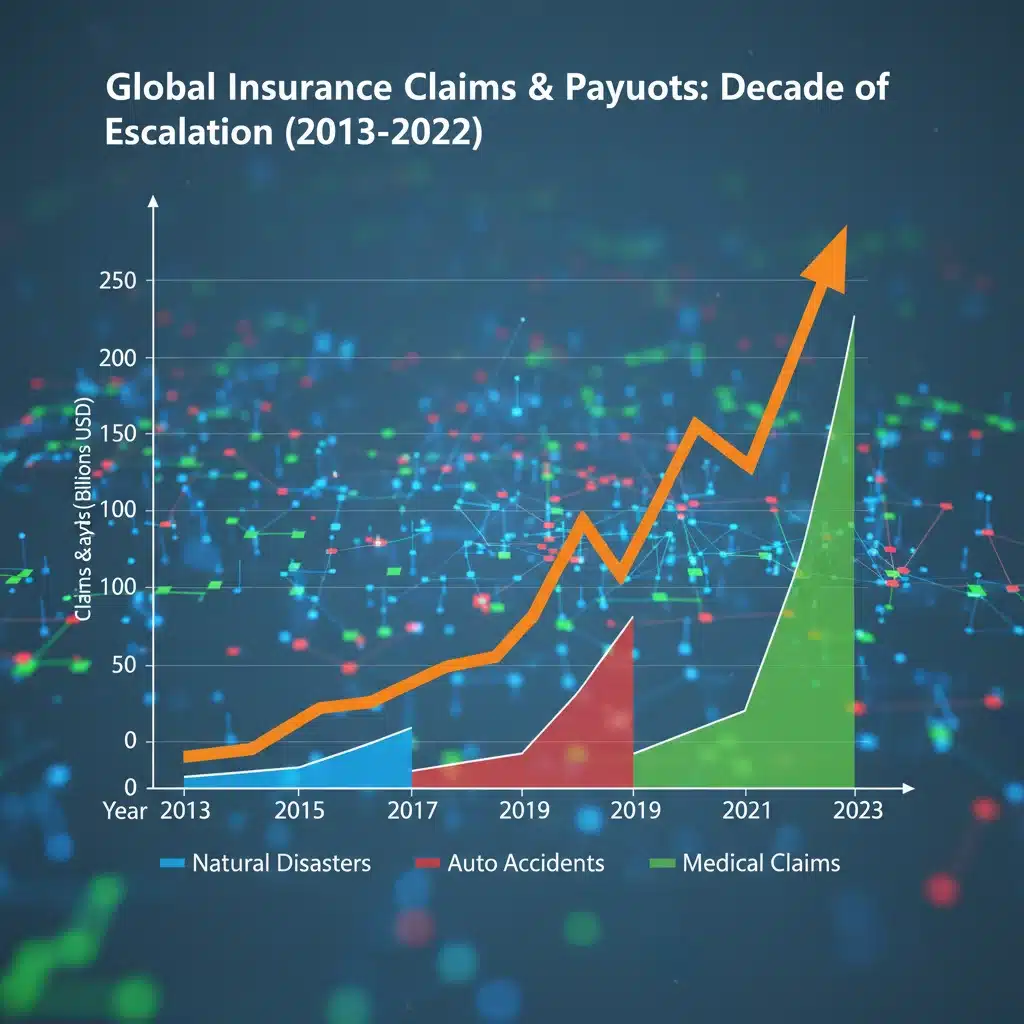
Another less visible but impactful factor contributing to the insurance cost increase is the rise in litigation and, unfortunately, insurance fraud. In certain areas, there’s been an uptick in lawsuits related to insurance claims, particularly in property and auto insurance. These legal battles add significant expenses for insurers in the form of legal fees and potentially higher settlement amounts.
The Cost of Fraud
Insurance fraud, ranging from exaggerated claims to staged accidents, costs the industry billions of dollars annually. These fraudulent claims are ultimately paid for by honest policyholders through higher premiums. While insurers invest heavily in detection and prevention, the sheer volume of fraudulent activity remains a substantial drain on resources and a direct contributor to the overall insurance cost increase.
Regulatory Changes and State-Specific Factors
Insurance is a highly regulated industry, with state-level regulations playing a significant role in how premiums are set. Changes in these regulations can have a direct impact on insurance costs. For example, some states may mandate certain types of coverage or set limits on how much insurers can raise rates, while others may allow for more flexibility. However, even in states with stricter regulations, the underlying economic and environmental factors eventually necessitate premium adjustments.
State-Specific Market Dynamics
Beyond regulations, local market dynamics also influence the insurance cost increase. A state with a rapidly growing population might see more traffic accidents, leading to higher auto insurance rates. A state with an aging housing stock might face more claims related to older infrastructure, affecting homeowners insurance. The competitive landscape within each state’s insurance market can also play a role; less competition can sometimes lead to higher prices.
Understanding Your Insurance Cost Increase: A Deep Dive into Specific Types of Insurance
While the 12% national average is a significant figure, it’s important to understand that the impact varies across different types of insurance. Let’s break down how these factors specifically affect auto, home, and health insurance.
Auto Insurance: More Than Just Accidents
Auto insurance has been particularly hard hit. Beyond the rising cost of parts and labor due to inflation and supply chain issues, several other factors are at play:
- Increased Driving: As pandemic restrictions eased, more people returned to their daily commutes and travel, leading to more vehicles on the road and, consequently, more accidents.
- Distracted Driving: The pervasive issue of distracted driving, largely due to mobile phone use, continues to contribute to a higher frequency of accidents and claims.
- Cost of Advanced Technology: Modern vehicles are equipped with sophisticated sensors and cameras for safety features (ADAS). While these technologies enhance safety, they are incredibly expensive to repair or replace after even minor collisions, driving up the cost of claims.
- Higher Vehicle Values: The average price of both new and used cars has increased substantially, meaning that the cost to replace a totaled vehicle is also much higher.
Homeowners Insurance: Battling the Elements and the Economy
Homeowners insurance premiums are experiencing some of the most dramatic increases, primarily driven by:
- Catastrophic Losses: As discussed, the surge in severe weather events – hurricanes, wildfires, floods, and severe convective storms – accounts for a massive portion of the insurance cost increase. Insurers are paying out billions in claims annually for these events.
- Reconstruction Costs: The combination of inflated material costs (lumber, roofing, concrete) and labor shortages in construction means that rebuilding a home after a loss is significantly more expensive and time-consuming than in previous years.
- Increased Property Values: While beneficial for homeowners’ equity, higher property values also mean that the cost to rebuild an entire home has risen, requiring higher coverage limits and thus higher premiums.
- Aging Infrastructure: Many homes in the U.S. are older, leading to more claims related to aging roofs, plumbing systems, and electrical issues, which can be expensive to repair.
Health Insurance: A Continuing Upward Trend
While often influenced by different factors than property and auto, health insurance premiums also contribute to the overall insurance cost increase. Key drivers include:
- Medical Inflation: The rising costs of prescription drugs, medical procedures, hospital stays, and specialized treatments are a constant upward pressure.
- Utilization Rates: As people age and as more advanced treatments become available, the utilization of healthcare services tends to increase, leading to higher overall claim payouts.
- New Technologies and Treatments: Breakthroughs in medical science often come with high price tags, and while they improve health outcomes, they add to the cost of care.
- Provider Consolidation: In some regions, hospital systems and large medical groups have consolidated, giving them more leverage to negotiate higher rates with insurers, which eventually gets passed on to consumers.
What Can Consumers Do to Mitigate the Insurance Cost Increase?
While many of the factors driving the insurance cost increase are beyond individual control, there are proactive steps consumers can take to manage their premiums and potentially reduce their insurance burden.
1. Shop Around and Compare Quotes Regularly
This is perhaps the most effective strategy. Insurance rates can vary significantly between providers for the exact same coverage. Don’t assume loyalty will always pay off. Get quotes from multiple insurance companies at least once a year, or whenever your policy is up for renewal. Online comparison tools and independent insurance agents can make this process much easier.
2. Increase Your Deductible
A higher deductible means you’ll pay more out-of-pocket if you file a claim, but it almost always results in lower monthly or annual premiums. Evaluate your financial situation and risk tolerance to determine if you can comfortably afford a higher deductible.
3. Bundle Your Policies
Many insurance companies offer discounts if you purchase multiple policies (e.g., auto and home insurance) from them. This "bundling" can lead to substantial savings across your total insurance portfolio.
4. Improve Your Credit Score
In many states, insurance companies use credit scores as a factor in determining premiums, particularly for auto and home insurance. A higher credit score often indicates greater financial responsibility, which insurers view favorably, potentially leading to lower rates.
5. Take Advantage of Discounts
Inquire about all available discounts. Common discounts include:
- Safe Driver Discounts: For drivers with clean records or those who participate in telematics programs.
- Home Safety Discounts: For homes with security systems, smoke detectors, or impact-resistant roofs.
- Loyalty Discounts: For long-term customers (though still compare quotes!).
- Multi-Car Discounts: For insuring multiple vehicles with the same company.
- Occupational/Affiliation Discounts: For certain professions or memberships.
6. Review Your Coverage Annually
Your insurance needs change over time. Regularly review your policies to ensure you’re not over-insured or under-insured. For example, if your car is older, you might consider dropping comprehensive or collision coverage. If your home’s value has increased significantly, ensure your dwelling coverage is adequate but not excessive.
7. Make Your Home More Resilient
For homeowners, investing in home improvements that mitigate risk can sometimes lead to lower premiums. This includes installing hurricane-resistant windows, reinforcing roofs against wind damage, updating older electrical or plumbing systems, or maintaining defensible space around your home if you live in a wildfire-prone area.
8. Drive Safely and Avoid Claims
This might seem obvious, but avoiding accidents and claims is one of the best ways to keep your auto insurance premiums down. A clean driving record is a powerful tool for securing lower rates.

The Future Outlook for Insurance Costs
The trajectory of the insurance cost increase is a complex issue, intertwined with global economic trends, environmental changes, and societal behaviors. While it’s challenging to predict with certainty, several factors suggest that upward pressure on premiums may continue in the near future.
Persistent Inflationary Pressures
Although inflation has shown signs of cooling, it remains elevated compared to historical norms. As long as the cost of goods, services, and labor continues to rise, insurance companies will likely need to adjust premiums to match their increased potential liabilities.
Ongoing Climate Change Impact
The scientific consensus indicates that extreme weather events are becoming more common and intense. This means that property insurers, in particular, will continue to face significant payouts for natural disaster claims, which will inevitably be reflected in premiums, especially in vulnerable regions. Adaptation and mitigation efforts by communities and individuals will become even more critical.
Technological Advancements and Data Analytics
On a more optimistic note, advancements in technology and data analytics could offer some relief or at least more personalized pricing. Insurers are increasingly using telematics devices for auto insurance, smart home sensors for property insurance, and wearable health tech for health insurance to gather more granular data. This data can help them assess individual risks more accurately, potentially rewarding lower-risk individuals with better rates. However, it could also mean higher rates for those deemed higher risk.
Regulatory Response and Innovation
Regulators will continue to play a crucial role in balancing consumer protection with the financial viability of insurance companies. We might see more innovative approaches to insurance products, such as parametric insurance (which pays out based on specific triggers like wind speed or rainfall, rather than actual damage), or community-based insurance models, especially in areas highly exposed to climate risks.
Conclusion: Navigating the New Insurance Landscape
The 12% insurance cost increase across the U.S. in the last 12 months is a stark reminder of the complex interplay of economic forces, environmental challenges, and societal trends. Inflation has pushed up the cost of repairs and medical care, while climate change has unleashed a torrent of expensive natural disasters. Supply chain issues, labor shortages, and even rising litigation costs have all contributed to the upward spiral of premiums.
For consumers, understanding these underlying causes is the first step toward effective mitigation. While you can’t control global inflation or the weather, you can control how you approach your insurance needs. By actively shopping for competitive rates, optimizing your deductibles, bundling policies, and taking advantage of every possible discount, you can work to soften the blow of rising premiums. Investing in home resilience and maintaining a safe driving record also offer tangible benefits.
The insurance landscape is evolving rapidly, and staying informed and proactive is key to navigating its challenges. As these costs continue to impact household budgets, the ability to adapt and make informed decisions about your coverage will be more important than ever. Don’t just accept the increase; question it, understand it, and then act to protect your financial well-being.