
The 2026 Shift: How Recent Regulatory Updates in the US are Impacting Your Health Insurance Premiums by Up to 12%
The landscape of healthcare in the United States is in a constant state of flux, driven by technological advancements, evolving public health needs, and, perhaps most significantly, regulatory changes. As we look ahead to 2026, a series of recent regulatory updates are poised to dramatically reshape the health insurance market, with projections indicating a potential increase of up to 12% in your health insurance premiums. This isn’t just a minor adjustment; it’s a significant financial shift that demands attention and understanding from every American.
For many, the annual renewal of health insurance is already a source of anxiety, often accompanied by incremental price hikes. However, the anticipated changes for 2026 are different. These are not merely inflationary adjustments but rather direct consequences of legislative and administrative decisions designed to address various aspects of the healthcare system. While some of these changes aim to improve access or quality, their immediate impact on your wallet could be substantial.
Understanding the intricacies of these regulatory shifts is crucial for individuals, families, and businesses alike. Without this knowledge, navigating the upcoming enrollment periods and making informed decisions about your healthcare coverage will become increasingly challenging. This comprehensive guide will delve into the specific regulatory updates, explain their mechanisms, and forecast their likely impact on your health insurance premiums 2026. We will also explore strategies to mitigate these rising costs and ensure you maintain adequate coverage in an increasingly complex environment.
The Regulatory Undercurrents: What’s Driving the 2026 Premium Increases?
To fully grasp why your health insurance premiums 2026 are projected to rise, we must first understand the foundational regulatory changes at play. Several key areas are contributing to this anticipated increase, each with its own set of complexities and intended (and unintended) consequences.
1. Revisions to the Affordable Care Act (ACA) Subsidies and Market Stabilization
The Affordable Care Act (ACA) has been a cornerstone of US health policy for over a decade, providing subsidies to make health insurance more affordable for millions. Recent legislative actions, or in some cases, the expiration of temporary enhancements, are altering the subsidy structure. When subsidies are reduced or become less generous, the direct cost burden shifts back to the policyholders, leading to higher out-of-pocket premiums.
Furthermore, efforts to ‘stabilize’ the ACA marketplaces can sometimes lead to increased costs for insurers, which are then passed on to consumers. These stabilization measures might include new risk adjustment mechanisms, changes in essential health benefits, or administrative requirements that add to operational overhead. The goal is often to ensure a robust and competitive marketplace, but the immediate effect can be upward pressure on health insurance premiums 2026.
2. New Mandates for Transparency and Data Reporting
In a bid to empower consumers and foster competition, new regulations are increasingly mandating greater transparency from healthcare providers and insurers. While beneficial in principle, the implementation of these mandates often comes with significant administrative and technological costs for insurers. Developing systems to accurately collect, process, and report vast amounts of data, including negotiated rates and out-of-pocket cost estimates, requires substantial investment. These operational expenses are inevitably factored into premium calculations. Insurers argue that compliance costs contribute directly to the rising price of coverage, impacting health insurance premiums 2026.
3. Changes in Prescription Drug Pricing Regulations
Prescription drug costs represent a substantial portion of overall healthcare expenditures. Recent regulatory efforts, such as those within the Inflation Reduction Act, aim to curb drug prices, particularly for Medicare. However, the ripple effects across the broader health insurance market are complex. While some measures may eventually lead to savings, others could prompt pharmaceutical companies to adjust their pricing strategies for commercially insured populations to offset losses from government programs. This could result in higher drug costs being absorbed by private health plans, which then translate into increased premiums for everyone, influencing health insurance premiums 2026.
4. Evolving State-Level Mandates and Benefit Requirements
Beyond federal regulations, individual states often enact their own mandates regarding covered benefits, provider networks, and consumer protections. These state-specific requirements can vary widely and collectively add to the cost of doing business for insurers operating across multiple states. For instance, a state might mandate coverage for a specific type of therapy or expand mental health parity requirements, all of which enhance benefits but also increase the underlying cost of the insurance product. As states continue to refine their healthcare policies, these localized regulatory burdens will contribute to the national trend of rising health insurance premiums 2026.
5. The Impact of Public Health Emergencies and Preparedness Measures
The lessons learned from recent public health crises have spurred new regulations aimed at improving preparedness and response capabilities. This includes requirements for expanded coverage of vaccines, telehealth services, and infectious disease testing. While essential for public health, these mandates introduce new costs for insurers, who must ensure their plans cover these services adequately. Furthermore, the long-term health consequences of such emergencies can lead to increased utilization of healthcare services, further driving up claims costs and, consequently, health insurance premiums 2026.
The Mechanics of Premium Increases: How Insurers Respond
When new regulations are introduced, insurers don’t simply absorb the costs. They meticulously analyze the financial implications and adjust their pricing models accordingly. This process is complex and involves several key steps:
Actuarial Analysis and Risk Assessment
Actuaries are the financial architects of insurance. They analyze vast amounts of data, including claims history, demographic trends, and the projected impact of new regulations, to forecast future healthcare costs. New mandates, such as expanded benefits or increased administrative reporting, directly influence these cost projections. For example, if a regulation requires coverage for a new expensive treatment, actuaries will estimate the likely uptake and cost, then factor that into the overall risk pool. This directly impacts the calculation of health insurance premiums 2026.
Administrative Overhead and Compliance Costs
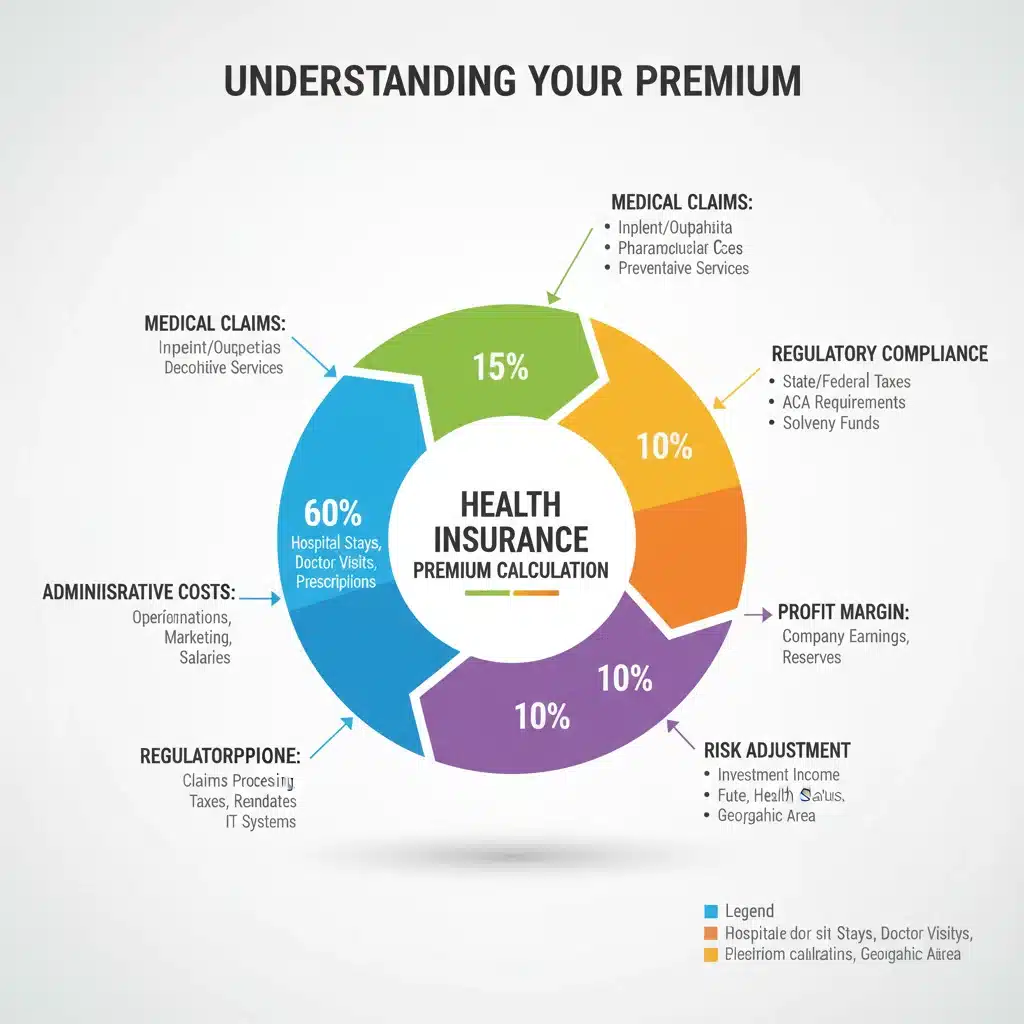
Compliance with new regulations is rarely free. Insurers must invest in new software, hire additional staff, train existing employees, and update their operational procedures. These administrative overheads, while not directly related to medical care, are necessary for the insurer to operate legally and efficiently. These costs are then distributed across the policyholder base, contributing to higher premiums.
Profit Margins and Market Competition
While often criticized, insurers operate as businesses and aim to maintain reasonable profit margins. When regulatory costs increase, they must adjust premiums to cover these new expenses while still achieving their financial objectives. The level of competition in a given market can influence how much of these costs can be passed on to consumers. In less competitive markets, the impact on health insurance premiums 2026 might be more pronounced.
Projected Impact: Why Up to 12%?
The 12% figure is an aggregate projection, meaning that the actual increase could vary significantly depending on your specific location, plan type, and individual circumstances. However, it serves as a crucial benchmark for understanding the magnitude of the upcoming changes. This projection is derived from analyses by various healthcare economists, actuarial firms, and industry watchdogs who have modeled the cumulative effect of the regulatory shifts discussed above.
Factors influencing this projection include:
- Increased Utilization: Some regulations, by expanding access or mandating new covered services, could lead to increased utilization of healthcare, thereby raising overall claims costs.
- Cost Shifting: As mentioned, efforts to control costs in one area (e.g., Medicare drug pricing) can sometimes lead to cost-shifting to other segments of the market, including private insurance.
- Inflationary Pressures: Beyond specific regulations, general medical inflation, including rising costs for hospital services, physician fees, and medical technology, continues to exert upward pressure on premiums. Regulations layer on top of these existing trends.
- Demographic Changes: An aging population and evolving health needs also contribute to higher healthcare utilization and costs, which are part of the broader context in which new regulations are implemented.
It’s important to note that a 12% increase on an already substantial premium can represent a significant financial burden for many households. For a family paying $1,500 per month, a 12% hike translates to an additional $180 per month, or over $2,100 annually. This is why understanding these changes and preparing for them is paramount when considering your health insurance premiums 2026.
Who Will Be Most Affected by Rising Health Insurance Premiums 2026?
While the premium increases will affect nearly everyone with private health insurance, certain groups may feel the pinch more acutely:
Individuals and Families Purchasing Plans on the ACA Marketplace
Those who rely on the ACA marketplaces for their coverage, especially those who receive minimal or no subsidies, are likely to experience the most direct impact of regulatory changes that affect plan pricing and subsidy structures. Any reduction in federal assistance will directly translate to higher out-of-pocket costs for their health insurance premiums 2026.
Small Businesses and Their Employees
Small businesses often operate on tight margins, and rising health insurance costs can be a significant challenge. Unlike large corporations that may have more leverage with insurers or can self-insure, small businesses are more vulnerable to premium hikes. These increases can force them to reduce benefits, ask employees to contribute more, or even drop coverage altogether, impacting the competitiveness of their employee benefits packages.
Individuals with Chronic Conditions
While the ACA protects individuals with pre-existing conditions, overall premium increases can still disproportionately affect those with chronic illnesses. These individuals typically utilize healthcare services more frequently, making the overall cost of their care, and thus their insurance, higher. Even a percentage increase applied to a higher base premium can result in a substantial financial burden.
Those in High-Cost-of-Living Areas
Healthcare costs, and consequently insurance premiums, tend to be higher in urban and high-cost-of-living areas. Regulatory changes that add to the base cost of insurance will exacerbate these existing disparities, meaning residents in these regions may see larger absolute dollar increases in their health insurance premiums 2026.
Strategies to Mitigate the Impact of Rising Premiums
Facing potentially higher health insurance premiums 2026 can be daunting, but there are proactive steps you can take to manage costs and ensure you have appropriate coverage:
1. Re-evaluate Your Plan Annually During Open Enrollment
Never auto-renew your health insurance plan. Open enrollment periods are critical opportunities to reassess your needs and compare available options. Even if you were satisfied with your current plan, regulatory changes and market shifts mean that a better, more affordable option might emerge. Look at your anticipated healthcare usage, prescription drug needs, and preferred providers. Utilize online comparison tools and consider consulting with an insurance broker to understand all your choices for health insurance premiums 2026.
2. Explore Different Plan Structures (HMO, PPO, EPO, POS, HDHP)
Different plan types come with varying cost structures and flexibility. High-Deductible Health Plans (HDHPs) combined with Health Savings Accounts (HSAs) can be an excellent option for relatively healthy individuals or families who can afford the higher deductible in exchange for lower monthly premiums and tax advantages. HMOs (Health Maintenance Organizations) typically have lower premiums but restrict you to a network of providers, while PPOs (Preferred Provider Organizations) offer more flexibility at a higher cost. Understanding these distinctions is key to finding a plan that balances cost and coverage for your health insurance premiums 2026.
3. Maximize Subsidies and Financial Assistance
If you purchase insurance through the ACA marketplace, ensure you accurately report your income to determine your eligibility for premium tax credits and cost-sharing reductions. Even with potential changes to subsidy levels, any financial assistance can significantly offset rising premiums. Don’t assume you won’t qualify; income thresholds can be surprisingly high, especially for larger families.
4. Consider Employer-Sponsored Plans Carefully
If your employer offers health insurance, it’s often the most cost-effective option, as employers typically cover a significant portion of the premiums. However, even employer-sponsored plans will likely see increases. Carefully review your employer’s offerings, including any changes to employee contributions, deductibles, or out-of-pocket maximums. Compare these with marketplace options to ensure you’re making the best choice.
5. Focus on Preventive Care and Wellness
Preventive care is often covered at 100% under most plans and is crucial for maintaining your health and avoiding more expensive treatments down the line. Regular check-ups, screenings, and vaccinations can help catch health issues early. Investing in your well-being through healthy lifestyle choices can reduce your reliance on costly medical interventions, indirectly helping to manage your overall healthcare expenditures, and thus the impact of health insurance premiums 2026.

6. Utilize Telehealth and Generic Prescriptions
Telehealth has become a convenient and often more affordable option for routine consultations and follow-up appointments. Many plans now cover telehealth services fully or with a lower co-pay than in-person visits. Similarly, opting for generic versions of prescription drugs whenever possible can lead to significant savings. Always discuss generic alternatives with your doctor and pharmacist.
7. Advocate for Policy Changes
While individual actions are important, systemic change is often driven by collective advocacy. Stay informed about proposed healthcare legislation and regulatory changes. Contact your elected officials to voice your concerns about rising healthcare costs and advocate for policies that promote affordability and access. Public pressure can play a role in shaping future regulations and potentially mitigating the long-term impact on health insurance premiums 2026 and beyond.
The Long-Term Outlook: Beyond 2026
The projected 12% increase in health insurance premiums 2026 is not an isolated event but rather a symptom of broader trends in the US healthcare system. Looking beyond 2026, several factors will continue to shape the cost and accessibility of health insurance:
Technological Advancements and Medical Innovation
While new medical technologies and treatments offer incredible promise, they often come with high price tags. The development of gene therapies, advanced diagnostics, and personalized medicine will continue to drive healthcare costs upward. Regulations will play a crucial role in how these innovations are priced, reimbursed, and integrated into insurance plans.
Aging Population and Chronic Disease Burden
The demographic shift towards an older population, coupled with a rising prevalence of chronic diseases, means that healthcare utilization will likely increase over time. This sustained demand for services will inherently put upward pressure on premiums, necessitating ongoing policy discussions about funding and delivery models.
Economic Conditions and Inflation
Broader economic factors, including inflation, labor costs for healthcare professionals, and supply chain issues for medical supplies, will continue to influence healthcare prices. These economic realities are intertwined with regulatory decisions and will collectively determine the trajectory of future health insurance premiums 2026 and beyond.
Political and Legislative Landscape
Healthcare remains a highly politicized issue in the US. Future elections and shifts in political power could lead to further significant changes in healthcare legislation and regulation. These could range from major overhauls of the ACA to more incremental adjustments, each with its own set of financial implications for consumers and insurers alike. Staying informed about these political developments is vital for anticipating future changes to your health insurance premiums 2026 and beyond.
Conclusion: Preparing for the New Reality of Health Insurance Premiums 2026
The anticipated rise of up to 12% in health insurance premiums 2026 represents a significant challenge for many Americans. It’s a direct consequence of a complex interplay of regulatory updates, economic pressures, and evolving healthcare needs. While the prospect of higher costs is unwelcome, understanding the underlying drivers and taking proactive steps can empower you to navigate this new reality more effectively.
By staying informed about regulatory changes, meticulously evaluating your plan options during open enrollment, maximizing available subsidies, and adopting smart healthcare consumer habits, you can mitigate the financial impact. The goal is not just to find the cheapest plan, but to secure coverage that meets your health needs without creating an undue financial burden. The 2026 shift is a call to action for every healthcare consumer to become more engaged, informed, and strategic in managing their health insurance choices.
The future of healthcare costs will undoubtedly continue to evolve, but with careful planning and a proactive approach, you can be better prepared for the changes ahead and ensure your access to quality care remains secure. Don’t wait until the last minute; start reviewing your options and understanding the implications of these regulatory updates today.