Unveiling Hidden Costs: 4 Lesser-Known Factors Driving Business Insurance Expenses in 2026

In the ever-evolving landscape of business, managing operational costs is paramount to sustaining profitability and growth. Among the myriad expenses, business insurance stands as a critical, yet often underestimated, financial commitment. While many business owners are familiar with the primary drivers of insurance premiums – such as industry risk, claims history, and asset value – the year 2026 is poised to introduce, or amplify, several lesser-known factors that will significantly influence business insurance costs. Understanding these nuanced elements is not just about budgeting; it’s about strategic risk management and ensuring your enterprise remains resilient in an increasingly unpredictable world.
The conventional wisdom around business insurance often focuses on the obvious: a construction company will pay more than a consulting firm due to inherent physical risks; a business with a history of frequent claims will see higher premiums. However, looking ahead to 2026, the forces at play are becoming far more intricate. Global economic shifts, rapid technological advancements, and a heightened awareness of non-traditional risks are converging to reshape the insurance market. Businesses that fail to recognize and adapt to these emerging dynamics risk facing unexpectedly steep premium increases, or worse, inadequate coverage when it matters most. This comprehensive guide delves into four such lesser-known factors, providing actionable insights to help you navigate the complexities of business insurance costs in the coming year.
1. The Amplified Impact of Supply Chain Vulnerabilities on Business Insurance Costs
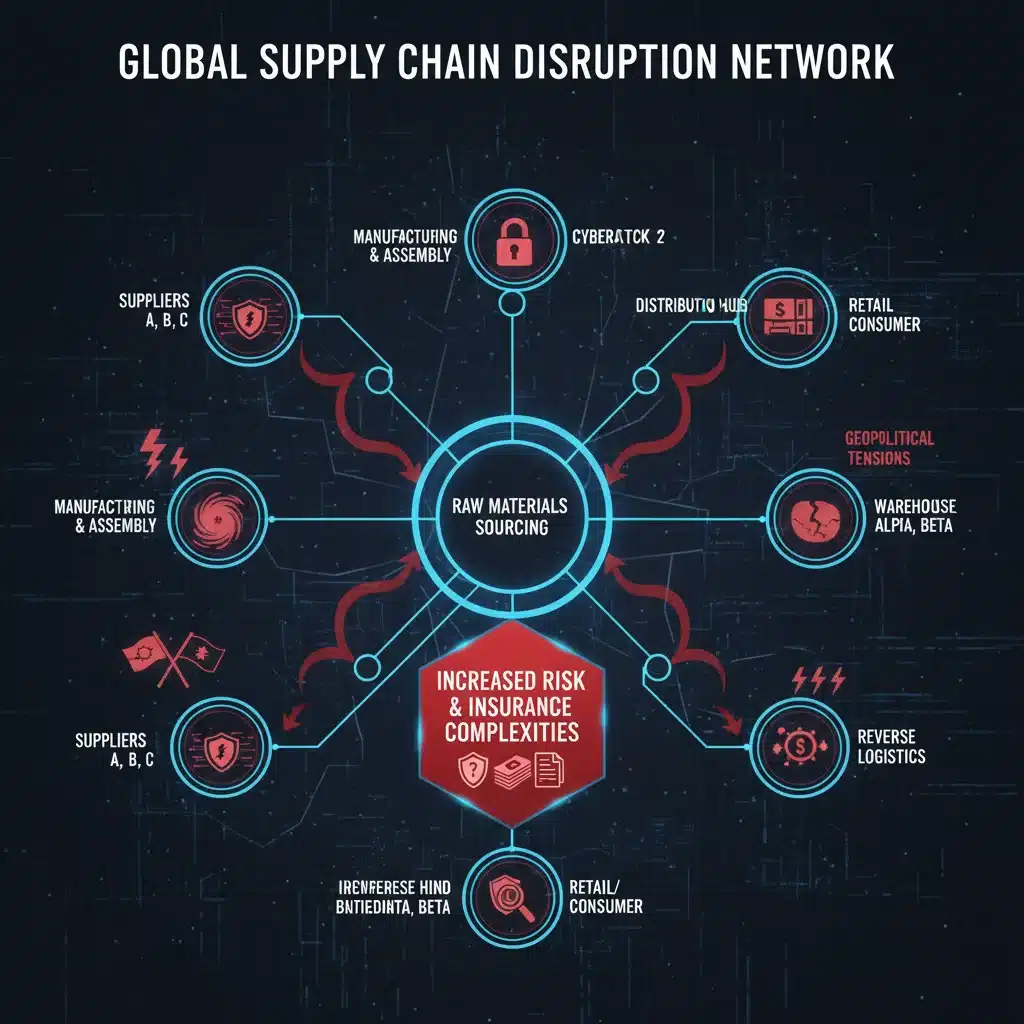
The global supply chain has always been a complex web, but recent years have exposed its profound vulnerabilities. From the ripple effects of a single shipping container blockage to widespread manufacturing slowdowns caused by geopolitical tensions or natural disasters, disruptions are no longer isolated incidents but systemic threats. In 2026, the amplified impact of these supply chain vulnerabilities will become a significant, albeit often overlooked, driver of business insurance costs.
Understanding the Interconnected Risks
Businesses are increasingly reliant on intricate global networks for raw materials, components, manufacturing, and distribution. A disruption at any point in this chain can have cascading effects, leading to production delays, increased logistics expenses, lost revenue, and reputational damage. Insurers, recognizing this heightened interconnectedness, are adjusting their risk assessments accordingly. Traditional business interruption insurance, which historically focused on direct damage to a company’s own premises, is evolving. Policies now need to account for contingent business interruption, supply chain failure, and even non-damage related delays that can cripple operations.
Increased Underwriting Scrutiny and Premium Adjustments
In 2026, underwriters will be scrutinizing a company’s supply chain resilience more than ever before. Factors such as the geographic diversity of suppliers, the stability of source countries, the availability of alternative logistics routes, and the robustness of contingency plans will directly influence premium calculations. Businesses with single-source dependencies, or those operating in regions prone to political instability or extreme weather events, will likely see higher premiums for their business interruption and contingent business interruption policies. The cost of insuring against these complex, multi-faceted supply chain risks is becoming a substantial component of overall business insurance costs.
The Role of Data and Transparency
Furthermore, the availability and transparency of supply chain data will play a crucial role. Insurers are leveraging advanced analytics to model potential disruptions and their financial consequences. Companies that can provide detailed insights into their supply chain mapping, risk assessments, and mitigation strategies will be in a better position to negotiate favorable terms. Conversely, businesses with opaque or poorly managed supply chains may face punitive premiums or even difficulty securing comprehensive coverage. This shift demands a proactive approach to supply chain management, moving beyond simply ensuring delivery to actively managing and insuring against its inherent vulnerabilities.
The move towards ‘just-in-time’ inventory management, while efficient, has also removed many buffers that previously absorbed minor disruptions. Now, even small delays can have significant financial repercussions, making robust supply chain risk management, and its corresponding insurance, a non-negotiable aspect of modern business operations. The increased complexity and frequency of supply chain shocks mean that this factor will continue to exert upward pressure on business insurance costs across various industries.
2. The Expanding Definition of ‘Workplace’ and Its Impact on Liability Insurance
The traditional concept of a ‘workplace’ has undergone a revolutionary transformation, largely accelerated by technological advancements and global events. What was once confined to a physical office or factory floor now spans remote homes, co-working spaces, and even international locations. In 2026, this expanding definition of the workplace will significantly reshape liability insurance requirements and, consequently, drive up business insurance costs for many enterprises.
Remote Work and Employee Liability
With a substantial portion of the workforce operating remotely, employers face new challenges regarding employee safety and well-being. The lines between professional and personal environments are blurred, creating novel liability exposures. For instance, if an employee is injured while working from home, is the employer liable? What about ergonomic issues arising from non-standard home office setups? These questions are pushing insurers to re-evaluate existing general liability and workers’ compensation policies. Companies are finding that their current coverage may not adequately address incidents occurring off-premises, leading to a need for expanded policies and, inevitably, higher premiums as insurers grapple with this evolving risk landscape. The sheer volume of remote workers means that the potential for claims related to workplace injuries or illnesses, even in a home setting, is increasing, directly influencing business insurance costs.
Cybersecurity and Data Privacy in Distributed Environments
A distributed workforce also amplifies cybersecurity and data privacy risks. Each remote endpoint becomes a potential vulnerability. Employees using personal devices, unsecured home networks, or public Wi-Fi expose company data to increased threats. This necessitates more robust cyber insurance policies, which are already experiencing a hardening market due to the rising frequency and severity of cyberattacks. Insurers are looking for evidence of comprehensive cybersecurity protocols, employee training on data protection, and incident response plans tailored to a remote workforce. The absence of such measures can lead to significantly higher premiums or even denial of coverage. As the digital attack surface expands, so too does the associated risk, making cyber liability a critical component of rising business insurance costs.
Global Mobility and International Exposure
Beyond traditional remote work, many businesses are embracing global talent pools and temporary international assignments. This introduces a complex array of international liability concerns, ranging from differing labor laws and regulatory compliance to health and safety standards in foreign jurisdictions. A general liability policy designed for domestic operations may be wholly inadequate for an employee working abroad, even temporarily. Companies must now consider international general liability, foreign workers’ compensation, and even kidnap & ransom insurance for employees in high-risk regions. Navigating these international complexities requires specialized coverage, which naturally adds to the overall business insurance costs. The legal and financial ramifications of an incident involving an employee overseas can be immense, prompting insurers to price these risks accordingly.
The expanding definition of ‘workplace’ demands a holistic review of a company’s liability exposures. It’s no longer sufficient to secure coverage based on a single physical location. Businesses must proactively assess the risks associated with their distributed and globally mobile workforces, seeking tailored insurance solutions that address these evolving challenges. Failure to do so could result in significant uninsured losses, making a thorough understanding of this factor crucial for managing future business insurance costs effectively.
3. The Escalating Costs of Regulatory Compliance and ESG Factors
The regulatory environment is becoming increasingly complex, with a growing emphasis on environmental, social, and governance (ESG) factors. While often viewed as separate from insurance, the escalating costs of regulatory compliance and the integration of ESG principles are now directly influencing business insurance costs in 2026. This trend reflects a broader societal shift towards greater corporate accountability and sustainability.
D&O and Professional Liability Exposure
Directors and Officers (D&O) liability insurance and various forms of professional liability insurance are particularly sensitive to regulatory changes and ESG performance. Regulators, shareholders, and even activist groups are holding corporate leadership more accountable for their decisions, not just financially, but also ethically and environmentally. A breach of regulatory compliance – whether related to data privacy (e.g., GDPR, CCPA), environmental standards, or labor laws – can lead to hefty fines, legal battles, and reputational damage. D&O policies are designed to protect executives from such liabilities, but as the scope of potential legal action expands, so too do the premiums. Insurers are scrutinizing a company’s compliance framework, internal controls, and ethical governance practices more closely. A poor track record or perceived laxity in these areas can result in significantly higher D&O premiums, directly impacting business insurance costs.
Environmental Liability and Climate Change Risk
ESG factors, particularly the ‘E’ for environmental, are having a profound effect on environmental liability insurance. Businesses are facing increased pressure to demonstrate their commitment to sustainability, reduce their carbon footprint, and mitigate environmental risks. Climate change is no longer an abstract concept but a tangible risk that can lead to physical damage (e.g., extreme weather events), supply chain disruptions (as discussed earlier), and regulatory penalties. Companies in carbon-intensive industries, or those with significant environmental footprints, are seeing their environmental liability premiums climb. Insurers are assessing a company’s climate risk mitigation strategies, investment in green technologies, and adherence to evolving environmental regulations. The absence of a robust environmental management system can make securing affordable coverage challenging, thereby elevating overall business insurance costs.
Social Factors and Reputational Risk
The ‘S’ in ESG, encompassing social factors like labor practices, diversity & inclusion, and community engagement, also plays a role. Poor social performance can lead to reputational damage, consumer boycotts, and legal challenges. While not always directly covered by traditional liability policies, the downstream effects can be significant. For example, a scandal related to unethical labor practices could lead to a downturn in revenue, impacting business interruption claims, or trigger shareholder lawsuits that D&O insurance would need to cover. Insurers are increasingly factoring a company’s social standing and commitment to ethical practices into their overall risk assessment, albeit more subtly. Companies with strong ESG credentials may, in the future, be viewed as lower risk, potentially benefiting from more favorable insurance terms, while those lagging behind could face higher business insurance costs.
In 2026, navigating the complex web of regulatory compliance and ESG expectations will be critical for managing business insurance costs. Proactive investment in compliance programs, robust governance structures, and genuine commitment to sustainability will not only protect a company from legal and reputational harm but also position it favorably in the eyes of insurers.
4. The Proliferation of Cyber-Physical Systems and IoT Risks
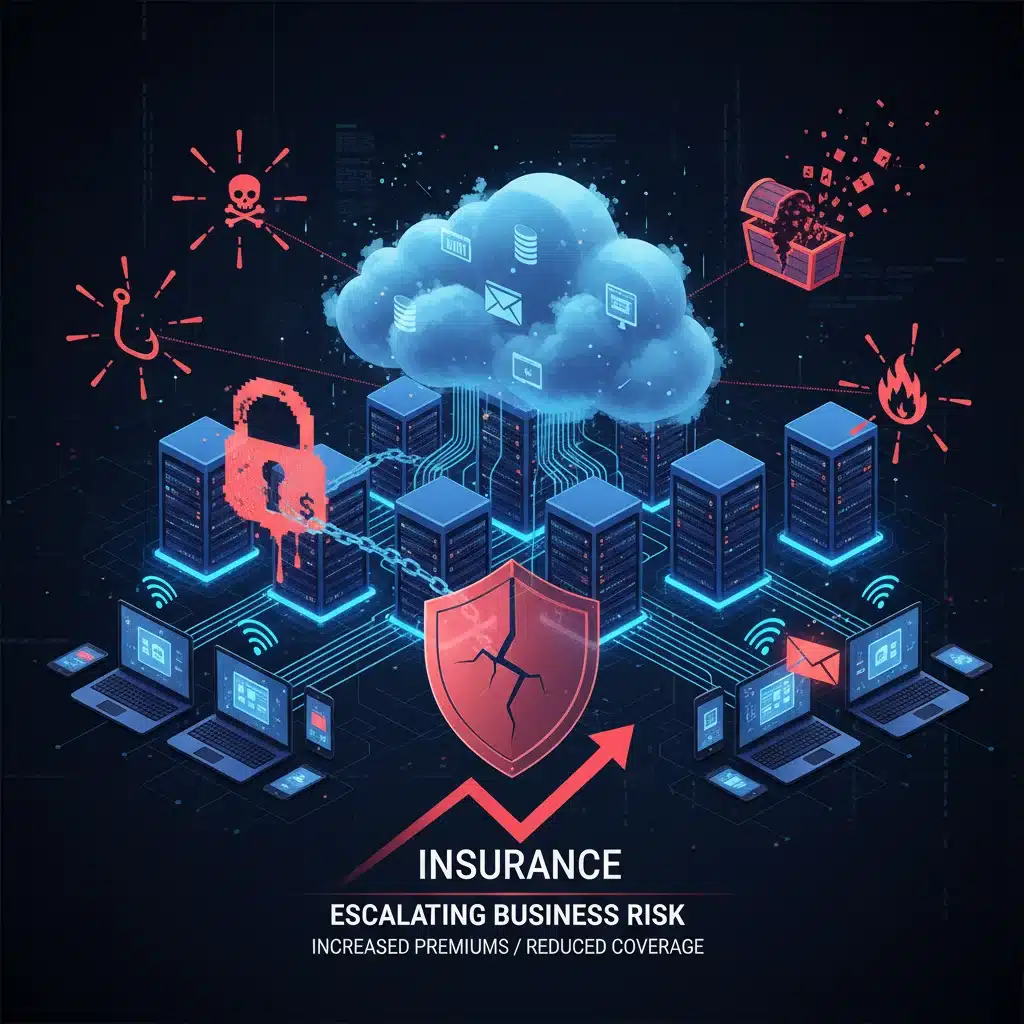
The convergence of information technology (IT) and operational technology (OT) is giving rise to cyber-physical systems (CPS) and the Internet of Things (IoT) across almost every industry. From smart factories and connected vehicles to intelligent buildings and remote medical devices, physical assets are increasingly integrated with digital networks. While this promises unprecedented efficiency and innovation, it also introduces a new frontier of risks. In 2026, the proliferation of cyber-physical systems and IoT risks will become a significant, yet often underestimated, driver of business insurance costs.
Expanded Attack Surface and Interconnected Vulnerabilities
Every IoT device and connected system represents a potential entry point for cyberattacks. A breach in a seemingly innocuous smart sensor could provide access to critical industrial control systems, leading to physical damage, operational shutdowns, or even environmental disasters. The interconnectedness means that a vulnerability in one system can quickly propagate across an entire network, creating widespread disruption. Insurers are grappling with how to quantify and price these complex, cascading risks. Traditional cyber insurance policies, which primarily focused on data breaches and network interruptions, are being forced to evolve to cover physical damage and bodily injury resulting from cyberattacks on CPS. This expansion of coverage scope, driven by a rapidly growing threat landscape, directly contributes to rising business insurance costs.
Business Interruption and Property Damage
The most immediate and costly consequence of a cyberattack on a cyber-physical system is often business interruption and physical property damage. Imagine a ransomware attack that locks down a manufacturing plant’s robotic assembly line, or a malicious actor manipulating smart building controls to cause structural damage. The financial fallout from such incidents can be catastrophic, encompassing lost production, repair costs, and potential liability for third-party damages. Insurers are witnessing an increase in claims related to these types of events, leading to a hardening of the market for policies that cover cyber-physical risks. Underwriters are now demanding detailed assessments of a company’s OT security posture, incident response plans for physical disruptions, and the resilience of their CPS infrastructure. Companies with inadequate protections will face significantly higher premiums for their property and business interruption policies, explicitly tied to their cyber-physical risk profile, thereby inflating their overall business insurance costs.
Product Liability and Safety Concerns
For companies that design, manufacture, or integrate IoT devices and CPS into their products, product liability risks are also escalating. A software bug or security vulnerability in a connected product could lead to malfunction, injury, or property damage, triggering costly product liability lawsuits. For example, a flaw in the autonomous driving software of a vehicle, or a security vulnerability in a medical device, could have devastating consequences. Insurers are closely examining the security-by-design principles, testing protocols, and post-market monitoring capabilities of companies in this space. The potential for large-scale recalls, regulatory fines, and class-action lawsuits means that product liability premiums for manufacturers of smart products are on an upward trajectory, adding another layer to the complex puzzle of business insurance costs.
The proliferation of cyber-physical systems and IoT devices presents a double-edged sword: immense opportunity coupled with significant, novel risks. Businesses must invest heavily in securing their interconnected environments, from the network edge to the core. This includes robust cybersecurity for OT, comprehensive risk assessments of CPS, and continuous monitoring. Those that fail to adapt their risk management strategies to this new reality will undoubtedly see a sharp increase in their business insurance costs, as insurers price in the growing threat of cyber-physical catastrophes.
Navigating the Future of Business Insurance Costs
As we look towards 2026, the landscape of business insurance costs is becoming increasingly complex, driven by a confluence of traditional and emerging factors. The four lesser-known elements discussed – amplified supply chain vulnerabilities, the expanding definition of the workplace, escalating regulatory compliance and ESG factors, and the proliferation of cyber-physical systems and IoT risks – are not isolated phenomena but interconnected forces reshaping the entire insurance market. For businesses, understanding these dynamics is no longer a luxury but a necessity for strategic planning and financial stability.
Proactive Risk Management as a Shield Against Rising Premiums
The common thread running through all these factors is the imperative for proactive and comprehensive risk management. Simply renewing existing policies year after year without a thorough re-evaluation of your risk profile is a recipe for escalating premiums and potential coverage gaps. Businesses must invest in:
- Supply Chain Resilience: Diversifying suppliers, mapping critical dependencies, and developing robust contingency plans for disruptions.
- Workplace Evolution: Adapting HR policies, IT security, and safety protocols to accommodate remote and hybrid work models, ensuring compliance with evolving labor laws.
- ESG Integration: Embedding environmental, social, and governance principles into core business operations, not just as a compliance exercise, but as a strategic imperative. This includes robust data privacy frameworks, ethical sourcing, and demonstrable climate action.
- Cyber-Physical Security: Implementing advanced cybersecurity measures for both IT and OT systems, conducting regular vulnerability assessments, and preparing comprehensive incident response plans for cyber-physical attacks.
These investments, while potentially significant in the short term, serve as a powerful shield against the long-term impact of rising business insurance costs. Insurers are increasingly favoring businesses that can demonstrate a mature approach to risk management, often rewarding them with more favorable terms and lower premiums.
The Importance of Strategic Partnerships with Insurers and Brokers
In this complex environment, the relationship with your insurance broker and carrier becomes more critical than ever. A knowledgeable broker can help you navigate the intricacies of emerging risks, identify potential coverage gaps, and negotiate tailored solutions. They can also provide insights into industry benchmarks and best practices for risk mitigation that are favored by underwriters. Engaging in transparent discussions about your risk management strategies, your commitment to ESG, and your cybersecurity posture can significantly influence the terms and cost of your policies.
Furthermore, consider partnering with insurers who offer value-added services beyond just coverage, such as risk assessment tools, loss prevention resources, and specialized expertise in areas like cyber-physical security or supply chain resilience. These partnerships can help you proactively address risks, potentially reducing the likelihood of claims and, in turn, moderating your business insurance costs.
Looking Ahead: A Holistic Approach to Business Protection
The future of business insurance costs is intertwined with the broader trends of globalization, digitalization, and increasing societal expectations. Businesses that adopt a holistic approach to risk management – one that integrates operational, financial, technological, and ethical considerations – will be best positioned to thrive. By understanding and proactively addressing these lesser-known factors, companies can not only mitigate the impact of rising premiums but also enhance their overall resilience and competitive advantage in the dynamic marketplace of 2026 and beyond.
Don’t wait for a claim to discover your coverage shortfalls or the true cost of your risk exposures. Take the time now to assess your vulnerabilities, refine your strategies, and engage with your insurance partners to ensure your business is adequately protected against the challenges and opportunities that lie ahead.