Credit Score Impact on Auto Insurance Rates 2026

Data-Driven Decisions: How Your Credit Score Can Influence Auto Insurance Rates by Over 20% in 2026, and What to Do About It
In the ever-evolving landscape of personal finance, one factor is poised to become an even more dominant force in determining your auto insurance premiums: your credit score. As we approach 2026, industry experts and data analytics firms project that a strong credit score could lead to savings of over 20% on auto insurance, while a poor one could significantly inflate your costs. This isn’t just about financial responsibility; it’s about understanding the intricate data-driven decisions that insurance companies make and empowering yourself to navigate them effectively. The relationship between your credit score insurance rates is becoming undeniably stronger, making proactive credit management more crucial than ever.
For many years, insurers have utilized credit-based insurance scores as a predictive tool. However, with advancements in data analytics and a growing emphasis on personalized risk assessment, the weight given to these scores is increasing. This article will delve deep into why your credit score is such a significant indicator for insurers, the methodologies they employ, and most importantly, what steps you can take today to ensure you’re getting the best possible auto insurance rates in 2026 and beyond. Understanding the nexus of your credit score insurance connection is key to financial prudence.
The Unseen Hand: Why Insurers Care About Your Credit Score
It might seem counterintuitive at first glance. What does your ability to pay off a credit card or a mortgage have to do with your driving habits? The answer lies in statistical correlation and risk assessment. Insurance companies are in the business of calculating risk. They want to predict the likelihood of you filing a claim, and studies have shown a strong correlation between a policyholder’s credit-based insurance score and their propensity to file claims, as well as the severity of those claims.
Statistical Correlation: A Predictive Tool
Research, often conducted by actuarial scientists, consistently indicates that individuals with higher credit scores tend to file fewer claims and, when they do, the claims are often less costly. Conversely, those with lower credit scores are statistically more likely to file claims and sometimes more expensive ones. This isn’t about moral judgment; it’s about data. Insurers view a higher credit score as an indicator of overall financial stability and responsibility, which they correlate with a lower risk profile as a driver. This predictive power makes your credit score insurance a vital factor in their pricing models.
Beyond Accidents: Financial Responsibility Indicators
A good credit score suggests a history of managing financial obligations responsibly. This includes paying bills on time, keeping debt levels manageable, and avoiding bankruptcies. From an insurer’s perspective, these habits translate into a policyholder who is likely to be more responsible in other areas of their life, including driving and maintaining their vehicle. While not a direct measure of driving skill, it’s seen as an indirect measure of overall conscientiousness. The link between your credit score insurance premium is therefore a reflection of perceived financial reliability.
Understanding Credit-Based Insurance Scores vs. FICO Scores
It’s crucial to understand that the credit score used by insurance companies isn’t always the same FICO score you might check when applying for a loan or a credit card. While based on similar underlying data, credit-based insurance scores are proprietary algorithms developed by credit bureaus and other data providers specifically for the insurance industry. These scores typically weigh certain credit factors differently than traditional credit scores.
Key Differences and Similarities
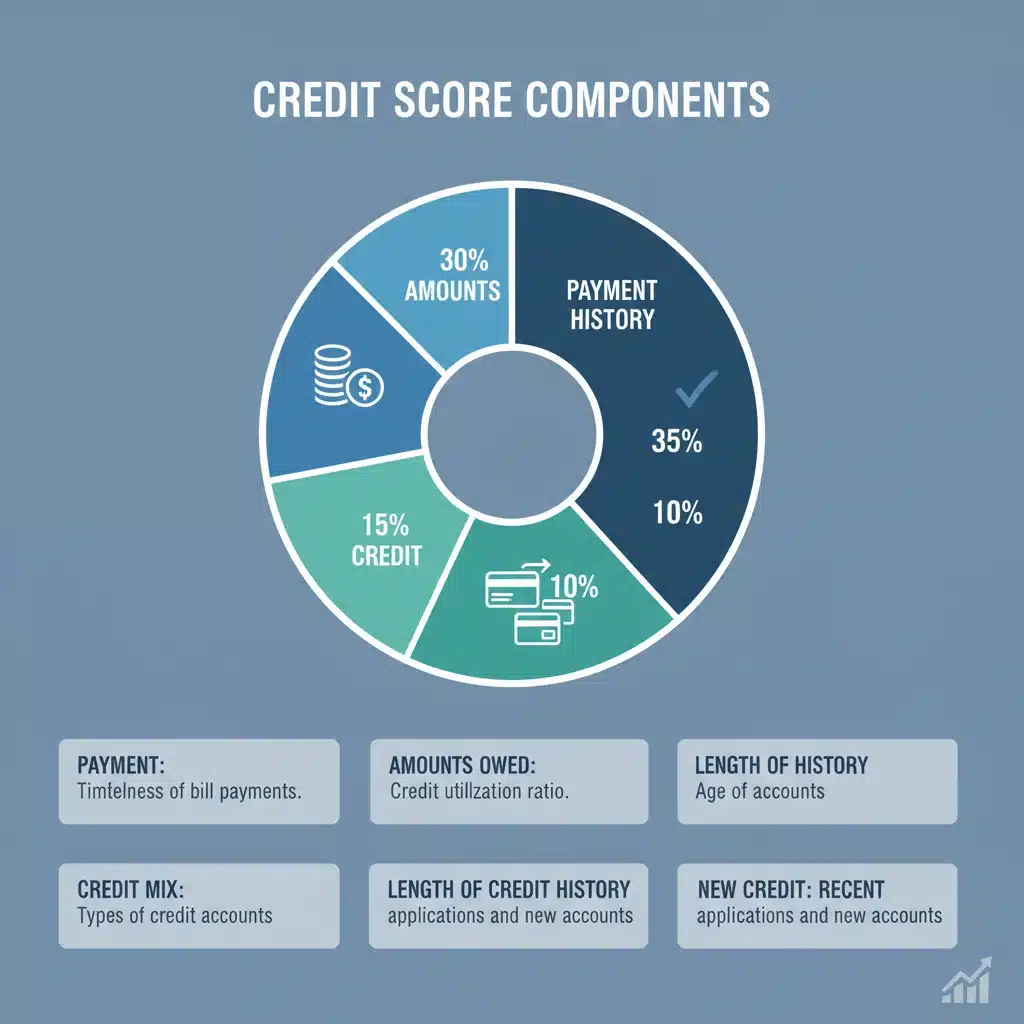
Both FICO scores and credit-based insurance scores consider factors like payment history, amounts owed, length of credit history, new credit, and credit mix. However, credit-based insurance scores often place a heavier emphasis on factors that correlate more strongly with insurance claims, such as a history of late payments or collections. They generally do not consider factors like income, race, gender, religion, marital status, or nationality, as these are prohibited by law. The distinction is subtle but important when considering your credit score insurance implications.
The 20% Factor: Projections for 2026
The projection that your credit score could influence auto insurance rates by over 20% in 2026 is not an arbitrary figure. It stems from ongoing trends in data utilization, regulatory shifts, and the increasing sophistication of actuarial models. As competition in the insurance market intensifies and data becomes more accessible, insurers are refining their methods to precisely price risk.
Data Sophistication and Predictive Analytics
With vast amounts of data at their disposal, insurance companies are employing advanced machine learning and artificial intelligence to identify increasingly subtle patterns and correlations. This allows them to create more granular risk profiles for each potential policyholder. The more data they have, the more accurately they believe they can predict future claims, leading to more precise, and often more varied, pricing. This heightened accuracy means that your credit score insurance impact will be more pronounced.
Economic Pressures and Inflation
Economic factors, such as inflation in repair costs, medical expenses, and vehicle prices, also play a role. As the overall cost of claims rises, insurers look for every possible lever to manage their risk and maintain profitability. Leveraging credit scores more heavily is one such mechanism to differentiate between lower-risk and higher-risk individuals, passing on higher costs to those deemed more likely to file claims. This economic pressure amplifies the role of your credit score insurance pricing.
Navigating the Landscape: What You Can Do
Understanding the problem is the first step; taking action is the next. Given the significant impact your credit score will have on your auto insurance rates by 2026, it’s imperative to adopt proactive strategies to improve and maintain a healthy credit profile. This isn’t just about saving money on insurance; it’s about overall financial well-being.
1. Monitor Your Credit Report Regularly
The foundation of good credit health is knowing where you stand. Obtain your free credit reports from Equifax, Experian, and TransUnion annually. Review them meticulously for any errors, inaccuracies, or fraudulent activity. Discrepancies can negatively impact your credit score, and thus your insurance rates. Promptly dispute any errors you find. Regular monitoring is key to managing your credit score insurance relationship.
2. Pay Your Bills on Time, Every Time
Payment history is the most significant factor in both traditional credit scores and credit-based insurance scores. Late payments, especially those more than 30 days past due, can severely damage your score. Set up automatic payments, reminders, or use budgeting apps to ensure you never miss a due date. This simple habit has a profound positive effect on your credit score insurance savings.
3. Keep Credit Utilization Low
Credit utilization refers to the amount of credit you’re using compared to your total available credit. Experts recommend keeping your credit utilization below 30% across all your credit accounts. High utilization can signal financial distress to lenders and insurers alike. Pay down credit card balances and revolving lines of credit as much as possible. This directly influences how your credit score insurance premiums are calculated.
4. Avoid Opening Too Many New Credit Accounts
While a diverse credit mix can be beneficial over time, opening multiple new credit accounts in a short period can be viewed negatively. Each new credit application results in a hard inquiry on your credit report, which can temporarily lower your score. Only apply for new credit when absolutely necessary. Be mindful of how new credit affects your credit score insurance standing.
5. Maintain a Long Credit History
The length of your credit history—how long your accounts have been open and how long it’s been since you used them—also plays a role. Avoid closing old, unused credit card accounts, especially those with no annual fees, as this can shorten your average credit age and reduce your available credit. A long, positive credit history is a strong asset for your credit score insurance rates.
6. Deal with Collections and Delinquencies Promptly
Accounts in collections or with significant delinquencies can severely depress your credit score. If you have such accounts, work with creditors to settle debts or set up payment plans. While these negative marks take time to fall off your report, addressing them shows responsibility and can prevent further damage. Resolving these issues improves your credit score insurance prospects.
The Role of Location and State Regulations
It’s important to note that the extent to which credit scores influence auto insurance rates can vary significantly by state. Some states have regulations that restrict or even prohibit the use of credit information in setting insurance premiums. For example, California, Hawaii, Massachusetts, and Michigan have either banned or heavily restricted the practice. Washington also recently implemented a ban, though it is currently facing legal challenges. The regulatory landscape is dynamic, so it’s essential to be aware of the rules in your specific state regarding credit score insurance practices.
Advocacy and Consumer Protection
Consumer advocacy groups often argue that using credit scores in insurance pricing can be discriminatory, disproportionately affecting lower-income individuals and minority groups. They contend that it penalizes individuals for factors unrelated to their driving ability. These arguments contribute to ongoing legislative debates and potential changes in how insurers can utilize credit information. Staying informed about these debates is crucial for understanding the broader context of credit score insurance.
Beyond Credit Score: Other Factors Affecting Auto Insurance Rates
While your credit score is increasingly important, it’s just one piece of the puzzle. Several other factors contribute to your auto insurance premiums. Understanding these can help you further optimize your rates.
Driving Record
Your driving history remains paramount. Accidents, traffic violations (speeding tickets, DUIs), and claims history are direct indicators of your risk as a driver. A clean driving record is one of the most effective ways to secure lower rates. This is a fundamental aspect of any credit score insurance evaluation.
Vehicle Type
The make, model, age, and safety features of your car significantly impact premiums. More expensive cars, sports cars, and vehicles with high theft rates typically cost more to insure. Newer cars with advanced safety features might qualify for discounts. The type of vehicle complements your credit score insurance calculation.
Location
Where you live and park your car also matters. Urban areas with higher traffic density, crime rates, and accident statistics generally have higher premiums than rural areas. Even within a city, different zip codes can have varying rates. Your geographical location, alongside your credit score insurance risk, is a key determinant.
Age and Gender
Younger, less experienced drivers, especially males, often face higher premiums due to higher statistical accident rates. Rates tend to decrease as drivers gain more experience and reach their mid-20s. These demographic factors are always considered alongside your credit score insurance data.
Coverage Levels and Deductibles
The type and amount of coverage you choose directly affect your premium. Higher liability limits, comprehensive, and collision coverage will increase your costs. Opting for a higher deductible can lower your premium, but means you’ll pay more out-of-pocket if you file a claim. These choices are independent of your credit score insurance standing but work in conjunction with it.

Shop Around: The Power of Comparison
Even with an excellent credit score, it’s crucial to shop around and compare quotes from multiple insurance providers. Each company uses its own proprietary algorithms and weighting systems, so rates for the exact same coverage can vary significantly. Don’t assume your current insurer offers the best deal without checking. Online comparison tools and independent insurance agents can be invaluable resources in this process. This proactive step can maximize the benefits of a good credit score insurance search.
Bundling Policies
Many insurers offer discounts if you bundle multiple policies, such as auto and home insurance, with the same company. This can lead to substantial savings across your insurance portfolio. Always inquire about bundling options when seeking quotes. Bundling can further enhance the savings derived from a strong credit score insurance profile.
Asking About Discounts
Beyond bundling, inquire about other available discounts. These can include discounts for good students, safe drivers, low mileage, anti-theft devices, defensive driving courses, and more. Even small discounts can add up, especially when combined with the advantages of a good credit score. Maximizing discounts is an essential part of leveraging your credit score insurance potential.
The Path Forward: Preparing for 2026
As 2026 approaches, the influence of your credit score on auto insurance rates will only grow. By understanding this dynamic and taking proactive steps to manage and improve your credit health, you can position yourself to secure the most favorable premiums. It’s a continuous process that requires diligence, but the financial rewards are significant.
Start today by reviewing your credit report, making timely payments, and responsibly managing your credit utilization. These habits not only benefit your auto insurance rates but contribute to your overall financial stability and future opportunities. The future of auto insurance is data-driven, and your credit score insurance readiness is paramount.
Empowering Yourself Through Financial Literacy
Ultimately, the power to influence your auto insurance rates lies in your hands. By becoming financially literate and actively managing your credit, you’re not just reacting to industry trends; you’re proactively shaping your financial future. The connection between your credit score insurance costs is a clear example of how personal finance decisions ripple across various aspects of your life. Embrace this knowledge, apply these strategies, and drive confidently into 2026 with the best possible auto insurance rates.
Conclusion
The landscape of auto insurance pricing is undergoing a significant transformation, with your credit score emerging as an increasingly powerful determinant of your premiums. By 2026, projections indicate that a strong credit score could lead to savings of over 20%, while a lower score could result in substantially higher costs. This data-driven approach by insurers underscores the importance of maintaining excellent credit health.
Taking control of your credit involves regular monitoring, timely bill payments, low credit utilization, and thoughtful credit management. While state regulations may vary, the general trend points towards a stronger correlation between your credit score insurance rates. Combine robust credit management with a clean driving record, smart vehicle choices, and diligent comparison shopping, and you’ll be well-equipped to navigate the evolving insurance market and secure the best possible rates for years to come. Your financial future, including your auto insurance costs, is significantly influenced by your credit score; empower yourself with this knowledge and act now.