Supply Chain Disruptions: 10% Rise in Commercial Property Claims by 2026
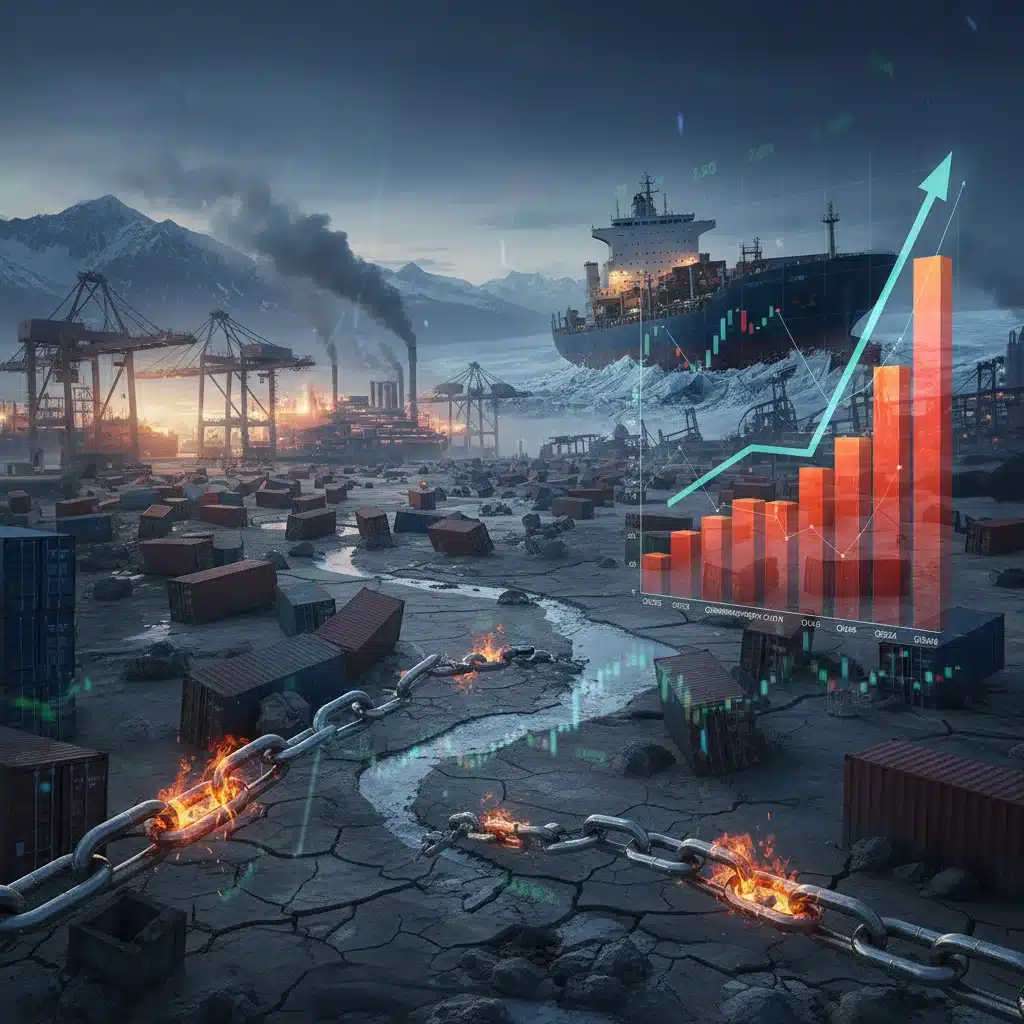
The intricate web of global commerce, commonly known as the supply chain, has faced unprecedented challenges over the past few years. From geopolitical events and natural disasters to pandemics and rapid technological shifts, these disruptions have sent ripples across industries worldwide. One significant consequence, often underestimated, is the profound impact on commercial property. Experts are now forecasting a substantial 10% increase in commercial property claims by 2026, directly attributable to the cascading effects of ongoing supply chain disruptions. This projection is not merely an arbitrary number; it reflects a complex interplay of delayed repairs, increased material costs, labor shortages, and heightened vulnerability of commercial assets. Understanding this looming threat is crucial for businesses, insurers, and risk management professionals alike. This comprehensive article will delve into the multifaceted reasons behind this predicted surge, explore the various ways supply chain issues manifest as property claims, and outline proactive strategies to mitigate these risks and safeguard commercial interests.
The concept of Supply Chain Claims might seem indirect at first glance. Traditionally, commercial property claims are associated with direct perils like fire, flood, or wind damage. However, the modern interconnected economy means that a disruption thousands of miles away can directly influence the severity and frequency of local property claims. Imagine a factory damaged by a fire. The immediate claim would be for property damage. But what if the specialized components needed for repair are stuck in a port due to labor strikes, or the essential machinery required for reconstruction is delayed by months due to manufacturing backlogs? These scenarios extend the period of business interruption, escalate repair costs, and can even lead to secondary damages as temporary fixes fail or prolonged exposure to elements causes further deterioration. The 10% increase by 2026 is a stark warning that these indirect consequences are becoming increasingly direct and financially significant.
The Anatomy of Supply Chain Disruptions and Their Ripple Effects
To fully grasp the projected rise in Supply Chain Claims, it’s essential to dissect the various forms of supply chain disruptions and their specific impacts on commercial properties. These disruptions are rarely singular events; they often create a domino effect, exacerbating existing vulnerabilities.
Material and Component Shortages
One of the most immediate and widespread consequences of supply chain disruptions is the scarcity of critical materials and components. This shortage affects everything from construction materials like steel, timber, and specialized building components to essential parts for machinery and equipment. When a commercial property sustains damage, the repair process is heavily reliant on the availability of these materials. Delays in sourcing can prolong the repair timeline significantly. For instance, a collapsed roof might require specific types of trusses or roofing membranes that are backordered for months. During this extended period, the property remains exposed, potentially leading to further water damage, mold growth, or structural instability, all of which contribute to higher commercial property claims.
Labor Shortages and Skilled Trades
The global labor market has also been severely impacted, with shortages in skilled trades being particularly acute in sectors vital for property repair and reconstruction. Electricians, plumbers, HVAC technicians, and specialized contractors are in high demand but short supply. This scarcity drives up labor costs, making repairs more expensive. More critically, it extends the time required to complete repairs, leading to longer periods of business interruption. A business unable to operate due to damage incurs ongoing losses, which are often covered under business interruption insurance, a significant component of commercial property claims. The longer the repair takes, the higher the business interruption claim.
Logistical Bottlenecks and Transportation Delays
Ports, shipping lanes, and ground transportation networks have all experienced unprecedented congestion and delays. Containers are stuck, ships are rerouted, and trucks are delayed, all contributing to the slow movement of goods, including repair materials and replacement equipment. These logistical hurdles amplify the problems caused by material shortages and labor scarcity. A crucial piece of machinery for a manufacturing plant, for example, might be available but unable to reach its destination for weeks or even months. This not only delays the return to operation but can also lead to further damage if temporary solutions are inadequate or if stored inventory is compromised due to prolonged exposure or improper conditions.
Inflationary Pressures and Increased Costs
The combined effect of material shortages, labor scarcity, and logistical challenges has fueled significant inflation in construction and repair costs. The price of building materials has skyrocketed, and the cost of skilled labor has followed suit. What might have cost $100,000 to repair a few years ago could now cost $120,000 or more. This direct increase in repair costs translates directly into higher commercial property claims. Insurers are finding that the cost to restore a property to its pre-loss condition is consistently higher than anticipated, pushing up the average claim value and contributing to the overall 10% increase forecast for 2026.
Specific Ways Supply Chain Issues Drive Property Claims
The impact of supply chain disruptions on commercial property claims is multifaceted. It’s not just about delayed repairs; it encompasses a broader range of issues that directly and indirectly lead to financial losses covered by insurance policies.
Extended Business Interruption
This is perhaps the most significant financial consequence. When a commercial property is damaged, businesses rely on business interruption insurance to cover lost income and continuing expenses during the period of restoration. Supply chain delays in acquiring materials or labor directly extend this period, leading to much larger business interruption claims. A factory that could have been repaired in three months might now take six, doubling the period of lost revenue and increasing the claim significantly. This prolonged downtime can also lead to loss of market share, customer attrition, and reputational damage, though these are typically not directly covered by property insurance, they underscore the broader impact.
Increased Repair and Replacement Costs
As mentioned, the cost of materials and labor has surged. This means that a claim for a damaged roof, HVAC system, or entire building will be substantially higher than in previous years. Even if the damage extent is the same, the indemnity payout will be greater due to inflationary pressures exacerbated by supply chain issues. This is a direct contributor to the projected 10% increase in Supply Chain Claims.
Secondary Damages Due to Delays
When repairs are delayed, properties are often left exposed or in a vulnerable state for longer periods. A partially repaired roof might lead to further water intrusion during a subsequent storm, causing additional damage to interiors, equipment, or inventory. A damaged heating system that cannot be quickly replaced might lead to frozen pipes in winter, causing further water damage. These secondary damages add significantly to the original claim, increasing complexity and cost. The inability to procure parts for immediate repair often forces businesses to operate with compromised systems, increasing the risk of further breakdowns or accidents.
Obsolescence and Technology Upgrades
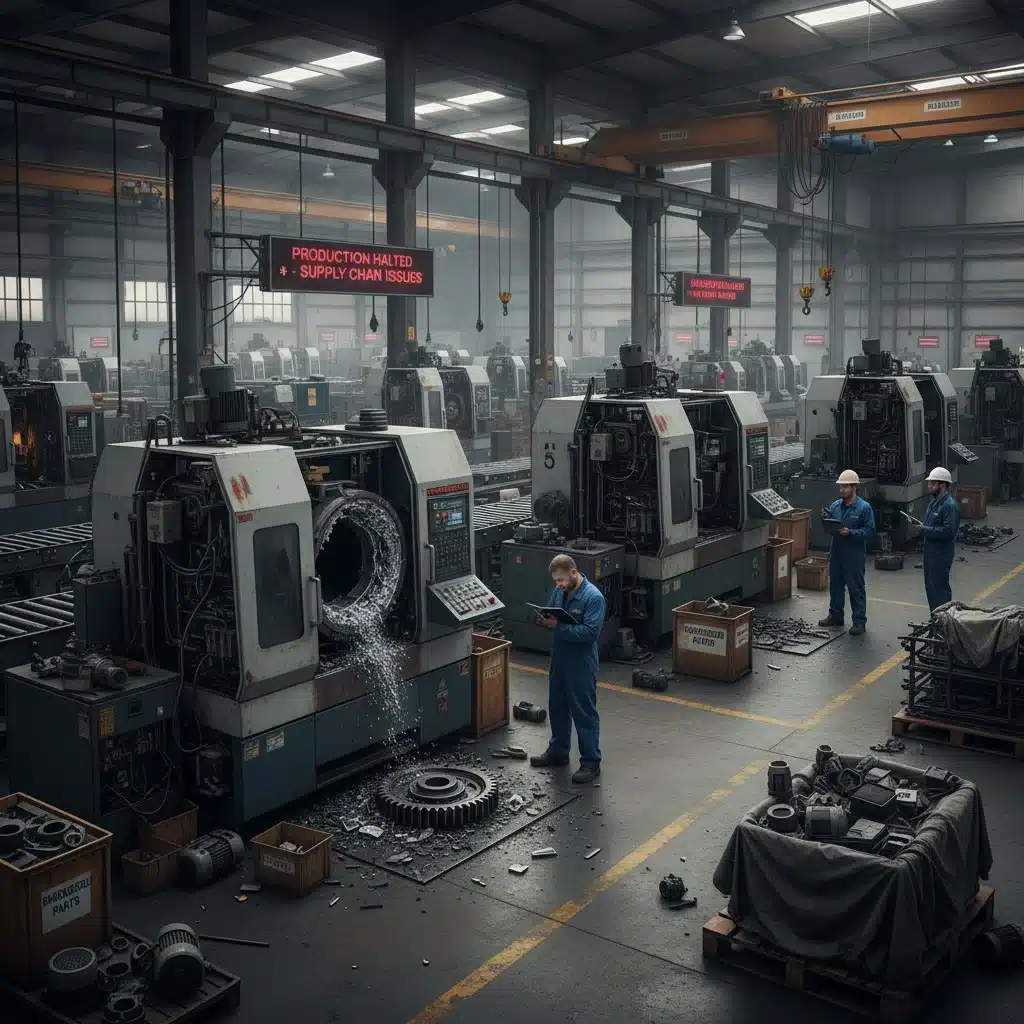
In some cases, the delay in sourcing original parts for damaged machinery or equipment is so prolonged that the specific models become obsolete. This forces businesses to replace entire systems or sections of their property with newer, often more expensive, technology. While this can sometimes be an opportunity for upgrade, it typically results in higher replacement costs than simply repairing the original unit, pushing up claim values. The rapid pace of technological change combined with supply chain inertia creates this particular challenge.
Increased Risk of Theft and Vandalism
Properties that are left vacant or in a state of disrepair for extended periods due to supply chain delays can become targets for theft and vandalism. Unsecured sites or those with visible damage are more attractive to criminals. These incidents lead to additional claims for stolen materials, damaged property, and increased security costs during the prolonged repair phase. The longer a property sits idle, the higher the probability of such incidents.
The 2026 Outlook: Why a 10% Increase?
The projection of a 10% increase in commercial property claims by 2026 is based on several converging factors that suggest current trends will not only persist but intensify. Economic models and insurance industry analyses point to a sustained period of volatility.
Persistent Global Instability
Geopolitical tensions, trade disputes, and regional conflicts continue to disrupt established supply routes and manufacturing hubs. These issues are not expected to resolve quickly, meaning that the underlying causes of supply chain fragility will remain. Natural disasters, exacerbated by climate change, are also becoming more frequent and severe, adding another layer of disruption. Each major event, whether a hurricane, earthquake, or political upheaval, sends new shockwaves through global supply chains, further delaying recovery efforts and increasing the propensity for Supply Chain Claims.
Underinvestment in Infrastructure
Many parts of the global supply chain infrastructure, from ports and railways to energy grids, have suffered from underinvestment. This makes them less resilient to shocks and more prone to bottlenecks. Efforts to upgrade infrastructure are often slow and costly, meaning that improvements will not significantly alleviate current pressures by 2026. This structural weakness contributes to the ongoing delays and increased costs associated with property repairs.
Inflationary Pressures and Economic Volatility
While central banks are working to combat inflation, the embedded costs within supply chains, particularly for raw materials and energy, are likely to remain elevated. This sustained inflationary environment means that the cost of repairs and replacements will continue to climb, even if the rate of inflation slows. Furthermore, economic volatility can impact consumer demand and business confidence, leading to unpredictable shifts in production and inventory, which can also stress supply chains.
Increased Awareness and Reporting
As businesses become more aware of the link between supply chain disruptions and property damage, they are also becoming more diligent in documenting and filing claims related to these issues. Insurers are also adapting their claim assessment processes to account for these extended and complex scenarios. This increased awareness and more comprehensive reporting will naturally lead to a higher volume and value of claims being processed, contributing to the overall 10% increase.
Strategies to Mitigate the Risk of Supply Chain-Driven Property Claims
Given the bleak forecast, businesses must adopt proactive and comprehensive strategies to mitigate the risks associated with Supply Chain Claims. A multi-faceted approach involving risk assessment, diversification, technology, and robust insurance coverage is essential.
Enhanced Risk Assessment and Mapping
Businesses need to conduct thorough risk assessments of their entire supply chain, identifying critical vulnerabilities and potential points of failure. This involves mapping out suppliers, transportation routes, and manufacturing locations, understanding their resilience to various shocks (e.g., natural disasters, geopolitical events, labor disputes). By identifying single points of failure or highly concentrated risks, companies can begin to build a more resilient network. This mapping should extend beyond tier-one suppliers to understand dependencies further down the chain.
Diversification of Suppliers and Routes
Relying on a single supplier or a limited set of transportation routes significantly increases vulnerability. Businesses should actively seek to diversify their supplier base, including local and regional options, to reduce dependence on distant or unstable sources. Similarly, exploring alternative transportation methods and routes can provide flexibility when primary channels are disrupted. This strategy, while potentially increasing costs in the short term, provides crucial resilience against widespread disruptions.
Strategic Inventory Management
While just-in-time (JIT) inventory systems have been popular for cost efficiency, the current environment necessitates a re-evaluation. Maintaining strategic reserves of critical materials, components, or even finished goods can act as a buffer against short-term supply chain shocks. This ‘just-in-case’ approach, while incurring carrying costs, can prevent prolonged business interruption and secondary damages, ultimately reducing the severity of property claims. The challenge lies in balancing the cost of holding inventory against the risk of disruption.
Leveraging Technology and Data Analytics
Advanced analytics, AI, and IoT technologies can play a pivotal role in improving supply chain visibility and predictability. Real-time tracking of shipments, predictive analytics for potential disruptions (e.g., weather patterns, port congestion), and automated inventory management systems can help businesses anticipate problems and react more quickly. Digital twins of supply chains can simulate various disruption scenarios, allowing companies to test their resilience and plan contingencies effectively. This proactive use of data can significantly reduce the impact of unforeseen events.
Robust Insurance Coverage and Partnerships
Businesses must work closely with their insurance providers and brokers to ensure their commercial property policies adequately cover the extended and complex scenarios arising from supply chain disruptions. This includes reviewing business interruption limits, understanding waiting periods, and confirming coverage for secondary damages and increased costs of repair. Exploring parametric insurance solutions, which pay out based on predefined triggers (e.g., port closures, specific weather events) rather than actual losses, can also provide rapid liquidity during disruptions. Strong partnerships with insurers can also lead to better risk advisory services and tailored solutions.

Developing Business Continuity Plans
Comprehensive business continuity plans (BCPs) are more critical than ever. These plans should not only address direct property damage but also integrate strategies for managing supply chain disruptions. This includes identifying alternative suppliers, establishing emergency communication protocols, cross-training employees, and having contingency plans for critical operations. Regular testing and updating of BCPs are essential to ensure their effectiveness in a rapidly changing environment.
Investment in Property Resilience
Beyond managing the supply chain for repairs, businesses should also invest in making their existing commercial properties more resilient to various perils. This means proactive maintenance, upgrading building systems, and implementing preventative measures against common causes of damage (e.g., flood barriers, reinforced roofing). A property that is less likely to sustain damage in the first place will naturally reduce the frequency of claims, regardless of supply chain conditions.
The Evolving Role of Insurers in Managing Supply Chain Claims
The projected increase in Supply Chain Claims is not just a challenge for businesses; it significantly impacts the insurance industry. Insurers are adapting their underwriting, claims handling, and product development to address this evolving risk landscape.
Advanced Underwriting and Risk Pricing
Insurers are increasingly incorporating supply chain resilience metrics into their underwriting processes. This means evaluating a business’s supply chain practices, diversification efforts, and BCPs when assessing risk and pricing policies. Companies with more robust supply chains may benefit from more favorable terms, while those with high vulnerabilities might face higher premiums or more restrictive coverage. This shift encourages businesses to invest in supply chain resilience.
Specialized Claims Adjusting
Handling supply chain-driven property claims requires specialized expertise. Adjusters need to understand the complexities of global logistics, material sourcing, and inflated costs. Insurers are investing in training their claims teams to navigate these intricate scenarios, which often involve multiple stakeholders and extended timelines. The ability to accurately assess and expedite these complex claims is crucial for both insurers and policyholders.
Data Sharing and Collaboration
The insurance industry is also recognizing the value of data sharing and collaboration with businesses to better understand and model supply chain risks. By pooling anonymized data on disruptions, repair times, and claim costs, insurers can develop more accurate predictive models and offer better risk management advice. Partnerships between insurers, risk managers, and supply chain experts are becoming more common to create comprehensive solutions.
Innovative Product Development
To meet the evolving needs of businesses, insurers are developing innovative products. This includes policies specifically designed to address supply chain interruption, contingent business interruption, and even parametric solutions that trigger payments based on specific, measurable supply chain events. These new offerings aim to provide more targeted and effective coverage for the complex risks posed by modern supply chains.
Conclusion: Preparing for the Future of Commercial Property Claims
The forecast of a 10% increase in commercial property claims by 2026 due to supply chain disruptions is a clear signal that businesses can no longer afford to view their property and their supply chain as separate entities. The two are inextricably linked, with vulnerabilities in one directly impacting the resilience and financial stability of the other. The era of predictable, isolated property claims is giving way to a more complex landscape where global events and logistical challenges play a central role in determining risk exposure and financial outcomes.
Businesses that proactively assess their supply chain vulnerabilities, diversify their sources, invest in resilience, and maintain robust insurance coverage will be better positioned to navigate this challenging environment. Similarly, the insurance industry will continue to evolve, offering more sophisticated products and services to help clients manage these interconnected risks. The projected rise in Supply Chain Claims is not just a statistic; it’s a call to action for every stakeholder in the commercial property ecosystem to adapt, innovate, and collaborate to build a more resilient future.
By understanding the mechanisms through which supply chain disruptions translate into property claims and by implementing strategic mitigation measures, businesses can protect their assets, minimize financial losses, and ensure continuity in an increasingly unpredictable world. The time to prepare for 2026 is now, by building robust, adaptable supply chains that can withstand the inevitable shocks of the global economy and safeguard commercial property investments.