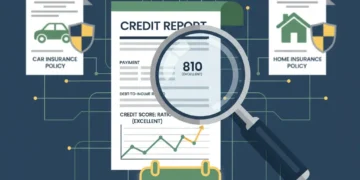
Credit Score Impact: Boost Premiums by 15% in 2026

In the intricate world of personal finance, few metrics hold as much sway as your credit score. Often perceived as merely a gateway to loans and credit cards, its influence extends far beyond, impacting everything from housing applications to, perhaps surprisingly, your insurance premiums. As we look towards 2026, the credit score impact on these essential financial outlays is set to become even more pronounced. Imagine this: a mere 50-point increase in your credit score could translate into a substantial reduction of up to 15% on your insurance premiums. This isn’t just a hypothetical scenario; it’s a tangible financial advantage awaiting those who strategically manage their credit.
For many, the connection between a credit score and insurance rates seems tenuous at best. What does responsible debt management have to do with the likelihood of filing an auto claim or needing homeowners insurance? Insurers, however, utilize credit-based insurance scores as a predictive tool. Statistical analyses have shown a strong correlation between a higher credit score and a lower propensity to file claims. This isn’t about moral judgment; it’s about risk assessment. A consumer with a strong credit history is often seen as more financially stable and, by extension, less likely to engage in risky behaviors that could lead to claims, or perhaps more diligent in maintaining their property and possessions.
The year 2026 serves as a crucial benchmark, as actuarial tables and underwriting models continue to evolve, placing greater emphasis on comprehensive financial profiles. This article delves deep into the mechanics of how your credit score influences your insurance premiums, offering actionable strategies to not only understand but actively improve your credit standing. We’ll explore the components of a credit score, demystify the credit-based insurance scoring system, and provide a roadmap to achieving that coveted 50-point increase. By the end, you’ll be equipped with the knowledge to harness the power of your credit score, transforming it into a powerful tool for significant financial savings.
Understanding the Credit Score Impact on Insurance Premiums
The relationship between your credit score and insurance premiums is a nuanced one, yet incredibly significant. It’s not a universal standard, as regulations vary by state, with some states restricting or prohibiting the use of credit information in insurance underwriting. However, in the vast majority of the United States, insurers leverage what’s known as a ‘credit-based insurance score’ to help determine your rates. This score is derived from information in your credit report, but it’s distinct from the FICO or VantageScore used for lending decisions. While the exact algorithms are proprietary, they generally consider similar factors: payment history, amounts owed, length of credit history, new credit, and credit mix.
Why do insurers use these scores? The underlying premise is that a consumer’s financial responsibility, as evidenced by their credit history, is a reliable indicator of their likelihood to file claims. For instance, individuals with lower credit scores might be perceived as higher risk. This could be due to a variety of factors: they might be more prone to financial distress, leading to a higher likelihood of filing small claims to cover unexpected expenses, or they might be less able to maintain their property, leading to more significant claims over time. While this correlation might seem unfair to some, from an insurer’s perspective, it’s a data-driven approach to risk management.
The average savings from a better credit score can be substantial. Studies have shown that consumers with excellent credit can pay significantly less for auto and homeowners insurance compared to those with poor credit. A 50-point increase, especially when moving from a ‘good’ to ‘very good’ or ‘very good’ to ‘excellent’ tier, can trigger a noticeable drop in premiums. This isn’t just about saving a few dollars; it’s about potentially hundreds, if not thousands, of dollars annually, freeing up capital for other financial goals or simply enhancing your disposable income.
The Mechanics of a 50-Point Credit Score Boost
Achieving a 50-point increase in your credit score within a reasonable timeframe is an attainable goal, but it requires diligent effort and a strategic approach. It’s not an overnight fix, but rather a commitment to sound financial practices. The key is to understand the primary factors that influence your credit score and then target those areas for improvement. The most widely used credit scoring models, FICO and VantageScore, weigh different factors, but the core principles remain consistent.
Payment History: The Cornerstone of Your Credit Score
Your payment history is the single most important factor, accounting for approximately 35% of your FICO score. Late payments, especially those 30, 60, or 90+ days past due, can severely damage your score. To boost your score by 50 points, flawless payment history is paramount. Set up automatic payments, use calendar reminders, or simply make it a habit to pay all bills on time, every time. Even a single missed payment can set you back significantly, so consistency is crucial.
Credit Utilization: Keeping it Low
Credit utilization refers to the amount of credit you’re using compared to your total available credit. It accounts for about 30% of your FICO score. Experts recommend keeping your credit utilization below 30% across all your credit accounts. For a significant score increase, aiming for even lower – ideally below 10% – can be highly effective. If you have a credit card with a $10,000 limit, try to keep your balance below $1,000. Paying down existing balances is a powerful way to quickly improve this ratio.
Length of Credit History: Time is Your Ally
The length of your credit history (15% of your FICO score) considers the age of your oldest account, the age of your newest account, and the average age of all your accounts. While you can’t instantly age your accounts, avoiding closing old, unused accounts can help. Even if you don’t use an old credit card, keeping it open (as long as it doesn’t have an annual fee or encourage overspending) can contribute positively to your average account age.
Credit Mix and New Credit: Strategic Expansion
Your credit mix (10% of your FICO score) refers to the different types of credit you have (e.g., credit cards, installment loans, mortgages). A healthy mix can be beneficial, showing you can manage various types of debt responsibly. However, don’t open new accounts just to diversify; only do so if you genuinely need the credit. New credit (10% of your FICO score) involves how many new accounts you’ve opened recently and how many hard inquiries have been made on your report. Each hard inquiry can temporarily ding your score. Therefore, avoid opening multiple new accounts in a short period.
Actionable Steps to Increase Your Credit Score by 50 Points
Now that we understand the components, let’s outline a concrete plan to achieve that 50-point boost and capitalize on the positive credit score impact on your insurance premiums by 2026.
1. Obtain and Review Your Credit Reports
The first step is to know where you stand. You are entitled to a free credit report from each of the three major credit bureaus (Experian, Equifax, and TransUnion) annually via AnnualCreditReport.com. Scrutinize these reports for errors. Incorrect late payments, fraudulent accounts, or inaccurate personal information can drag down your score. Disputing errors is a critical and often overlooked step.

2. Prioritize Paying Down High-Interest Debt
Focus on reducing your credit card balances, especially those with high utilization. The ‘debt avalanche’ method (paying off highest interest rate debt first) or ‘debt snowball’ method (paying off smallest balance first) can be effective. Even small, consistent payments beyond the minimum can make a significant difference in your credit utilization over time.
3. Become a Master of On-Time Payments
This cannot be stressed enough. Set up automatic payments for all your bills – credit cards, loans, utilities, rent, etc. If auto-pay isn’t an option, create reminders on your phone or calendar. A perfect payment history is the most powerful catalyst for a credit score increase.
4. Consider a Secured Credit Card or Credit Builder Loan
If your credit history is thin or you’re recovering from past financial missteps, a secured credit card can be an excellent tool. You put down a deposit, which becomes your credit limit, and you use the card like a regular credit card. As you make on-time payments, your credit score will improve. A credit builder loan works similarly; you make payments into a savings account, and once the loan is paid off, you receive the money, having built a positive payment history.
5. Avoid Opening New Credit Accounts Unnecessarily
Each time you apply for new credit, a hard inquiry is placed on your report, which can slightly lower your score. Only apply for new credit when absolutely necessary, and space out applications to minimize the impact.
6. Negotiate with Creditors
If you have outstanding debts or late payments, contact your creditors. They might be willing to work with you on a payment plan, especially if you show initiative. Sometimes, they may even agree to remove a late payment mark from your report if you bring your account current, though this is not guaranteed.
The Long-Term Financial Benefits of a Higher Credit Score
Beyond the immediate savings on insurance premiums, a higher credit score unlocks a myriad of long-term financial benefits. These advantages contribute to overall financial stability and can save you tens of thousands of dollars over your lifetime.
Lower Interest Rates on Loans and Mortgages
One of the most significant benefits is access to better interest rates on loans. Whether it’s a car loan, a personal loan, or a mortgage, a higher credit score signals less risk to lenders, allowing you to qualify for the most favorable terms. Even a half-percentage point difference in a mortgage rate can save you tens of thousands over the life of a 30-year loan. This is a direct and substantial credit score impact on your long-term financial health.
Easier Approval for Credit Cards with Better Rewards
With an excellent credit score, you’ll have access to premium credit cards that offer lucrative rewards programs, sign-up bonuses, and enhanced perks like travel insurance, extended warranties, and concierge services. These cards often come with lower interest rates and higher credit limits, providing both flexibility and value.
Better Rental Opportunities
Landlords often check credit scores as part of their tenant screening process. A strong credit score can make it easier to secure rental properties, especially in competitive markets, and may even give you leverage in negotiations.
Reduced Security Deposits
Utility companies, cell phone providers, and even landlords may require a security deposit if your credit score is low. A higher score often eliminates or significantly reduces these upfront costs, freeing up your cash flow.
Peace of Mind and Financial Flexibility
Ultimately, a high credit score provides a sense of financial security and flexibility. It means you’re prepared for unexpected expenses, can access credit when needed, and are generally in a stronger financial position to pursue your goals, whether it’s buying a home, starting a business, or retiring comfortably.
The Credit Score Impact on Different Insurance Types
While the focus often defaults to auto insurance, the credit score impact extends to various other forms of insurance, making a holistic approach to credit improvement even more valuable.
Auto Insurance
This is arguably where the credit-based insurance score is most commonly discussed. Actuaries have found a strong correlation between credit scores and the likelihood of filing auto claims. Drivers with higher credit scores are statistically less likely to be involved in accidents or file comprehensive/collision claims. This translates directly to lower premiums for responsible individuals.
Homeowners Insurance
Similar to auto insurance, your credit score plays a significant role in determining your homeowners insurance premiums. Insurers view a strong credit history as an indicator of responsible homeownership. They may believe that individuals with good credit are more likely to maintain their property, address potential hazards promptly, and generally be less prone to filing claims related to negligence or damage. A better score could mean substantial savings on your annual policy.
Renters Insurance
Even if you don’t own a home, renters insurance is crucial for protecting your personal belongings. Insurers often use credit-based insurance scores for renters insurance as well. A higher score can lead to lower premiums, making this essential coverage more affordable.
Life Insurance
While the impact is generally less direct than with property and casualty insurance, some life insurers may consider credit information during the underwriting process, particularly for certain types of policies or in cases where other financial indicators are ambiguous. A solid financial history, underpinned by a good credit score, can contribute to a more favorable overall risk assessment.
Maintaining Your Improved Credit Score for Lasting Savings
Achieving a 50-point credit score increase is a significant accomplishment, but maintaining it for sustained savings, particularly on your insurance premiums by 2026 and beyond, requires ongoing vigilance. Credit building is not a one-time event; it’s a lifelong practice of responsible financial management.
Regular Monitoring of Your Credit Reports and Scores
Make it a habit to check your credit reports from all three bureaus annually, and consider using free credit monitoring services offered by many banks or credit card companies. These services can alert you to significant changes or potential fraudulent activity, allowing you to address issues promptly before they severely impact your score.
Continue to Pay Bills On Time, Every Time
This remains the most critical factor. Consistency is key. Even after reaching your target score, a single late payment can cause a significant drop, eroding all your hard work. Keep those automatic payments active and remain disciplined.
Manage Credit Utilization Diligently
As your credit limits may increase with an improved score, resist the temptation to max out your cards. Continue to keep your credit utilization low, ideally below 10-30%. If you find yourself needing to use more credit, consider making multiple payments throughout the month to keep reported balances low.

Avoid Unnecessary New Credit Applications
Only apply for new credit when you genuinely need it. Each hard inquiry can temporarily lower your score, and opening too many new accounts in a short period can signal higher risk to lenders and insurers.
Build an Emergency Fund
A robust emergency fund (3-6 months of living expenses) can prevent you from relying on credit cards for unexpected expenses, which could otherwise lead to higher utilization and potential missed payments. This indirect credit score impact is vital for long-term stability.
The Future of Credit Scores and Insurance in 2026
As we approach 2026, the landscape of insurance underwriting is continually evolving. Data analytics and artificial intelligence are becoming increasingly sophisticated, allowing insurers to refine their risk assessment models. While there’s ongoing debate and regulatory scrutiny regarding the use of credit-based insurance scores, their prevalence is likely to continue in many regions due to their proven predictive power.
Consumers who proactively manage their credit will be at a distinct advantage. The 15% premium reduction for a 50-point score increase is not an arbitrary figure; it’s an estimate based on current trends and the growing emphasis on financial stability as a risk indicator. As economic pressures fluctuate, insurers will likely lean even more on reliable data points, making your credit score an even more critical component of your financial profile.
Furthermore, the transparency around credit scores is improving. More resources are available for consumers to understand their scores, monitor their reports, and take corrective action. This increased accessibility empowers individuals to take control of their financial destinies, translating directly into tangible savings on essential services like insurance.
Conclusion: Harnessing Your Credit Score for a Financially Brighter 2026
The credit score impact on your insurance premiums is undeniable and set to become even more significant by 2026. A strategic 50-point increase in your credit score could unlock savings of up to 15% on your premiums, a financial advantage that translates into real money back in your pocket. This journey begins with understanding your current credit standing, identifying areas for improvement, and diligently implementing a plan focused on consistent on-time payments, low credit utilization, and careful credit management.
By taking proactive steps today – reviewing your credit reports, disputing errors, paying down debt, and maintaining impeccable payment habits – you are not just improving a number; you are investing in your financial future. The benefits extend far beyond insurance, influencing your ability to secure favorable loan rates, access premium financial products, and achieve overall financial peace of mind. As 2026 draws closer, let your credit score be a testament to your financial discipline, delivering not just savings, but a stronger, more secure financial foundation for years to come.