Smart Home Devices: Lowering Insurance Costs by 5% in 2026? An In-Depth Analysis
The landscape of home ownership is continually evolving, driven by technological advancements that promise greater convenience, security, and efficiency. Among these innovations, smart home devices have emerged as a significant force, not only enhancing daily living but also presenting a compelling case for tangible financial benefits. One of the most talked-about projections in the industry suggests that these intelligent systems could lead to a remarkable 5% reduction in home insurance costs by 2026. But is this forecast an optimistic dream or a realistic outcome of integrating cutting-edge technology into our homes? This comprehensive article delves into the intricate relationship between smart home technology and insurance premiums, exploring the mechanisms through which these devices contribute to risk mitigation, the challenges that need to be addressed, and the roadmap to realizing significant smart home insurance savings.
Understanding the potential for a 5% reduction in home insurance premiums requires a deep dive into how smart home devices fundamentally alter the risk profile of a property. Traditionally, insurance companies assess risk based on factors such as location, construction type, claims history, and general security measures. Smart home technology introduces a dynamic layer of proactive protection and real-time monitoring that can significantly reduce the likelihood and severity of common household perils. From preventing burglaries to detecting water leaks before they cause extensive damage, these devices offer a new paradigm in home safety. This article will unpack the various categories of smart home devices, their specific contributions to risk reduction, and the collaborative efforts between technology providers and insurance carriers that are paving the way for these projected savings. The journey towards realizing substantial smart home insurance savings is multifaceted, involving technological innovation, consumer adoption, and evolving insurance policies.
The Rise of Smart Home Technology: A Paradigm Shift in Home Safety
The proliferation of smart home devices has been nothing short of revolutionary. What once seemed like futuristic concepts are now commonplace, with millions of households worldwide adopting intelligent systems to manage everything from lighting and climate to security and appliance operation. These devices, often interconnected through the Internet of Things (IoT), provide homeowners with unprecedented control and visibility over their properties. But beyond the convenience, their core value proposition for insurance lies in their ability to mitigate risks proactively.
Security Systems: Deterring Intruders and Minimizing Losses
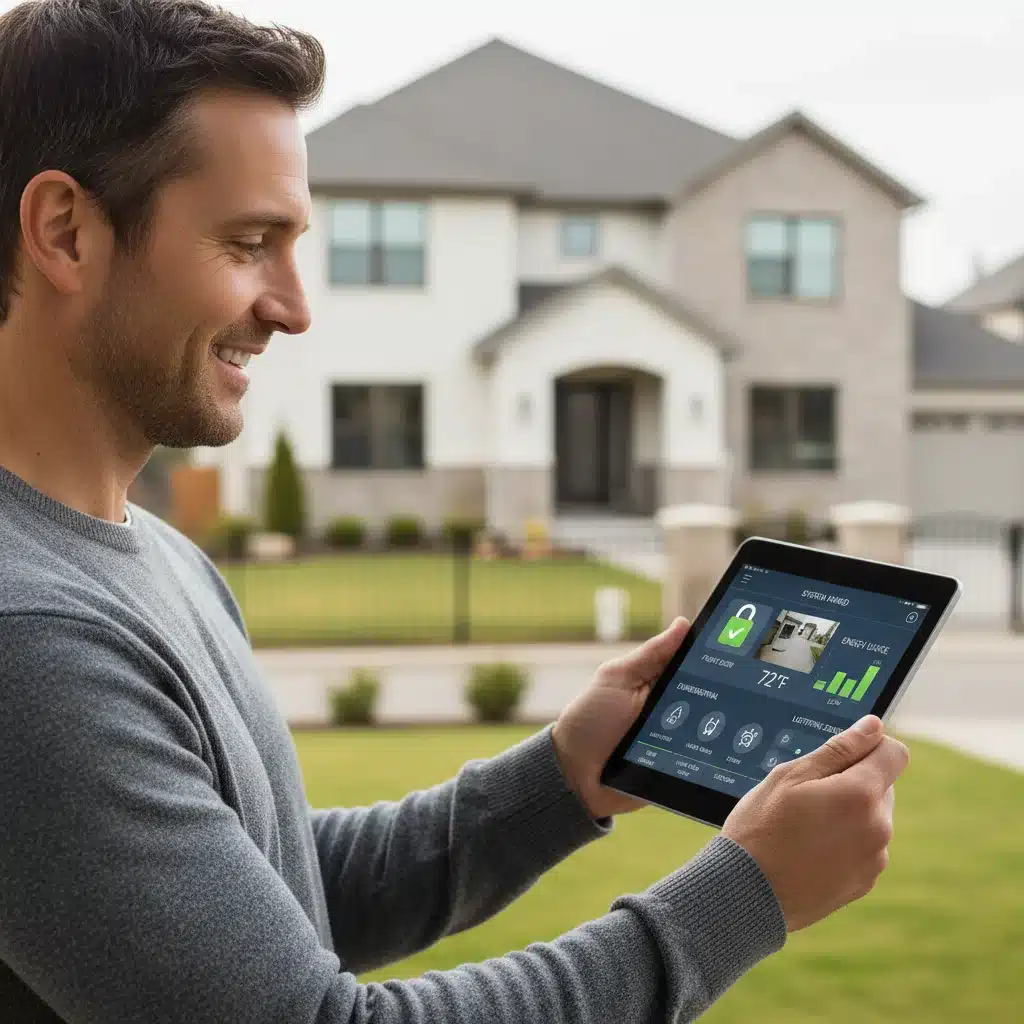
One of the most obvious areas where smart home technology impacts insurance is security. Traditional alarm systems have long been a factor in reducing premiums, but smart security systems take this a step further. Features like motion-activated cameras with remote viewing capabilities, smart locks that can be controlled from anywhere, and integrated sensors that detect forced entry provide a robust defense against burglaries. The ability to receive real-time alerts on a smartphone and even communicate with intruders through two-way audio can deter crimes in progress and provide crucial evidence to law enforcement. For insurers, this means fewer claims related to theft and vandalism, directly contributing to potential smart home insurance savings.
Environmental Monitoring: Preventing Costly Disasters
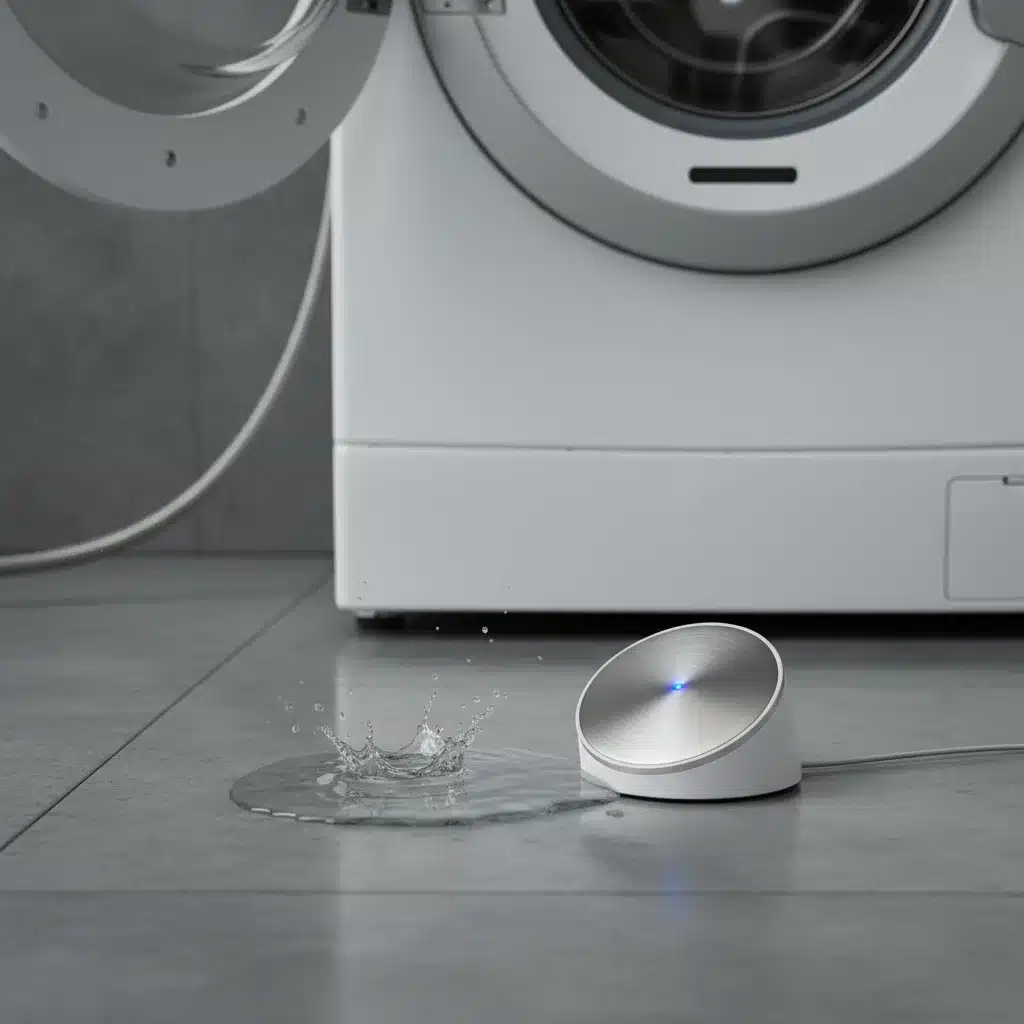
Beyond security, smart home devices excel at monitoring environmental conditions that can lead to devastating and costly damage. Water leaks, for instance, are a leading cause of property damage claims. Smart water leak detectors, strategically placed near appliances, pipes, and water heaters, can identify even minor leaks and send instant alerts to homeowners, often allowing them to intervene before significant damage occurs. Similarly, smart smoke and carbon monoxide detectors offer enhanced protection compared to traditional alarms, with features like remote notifications, interconnected systems that alert all occupants, and even automatic calls to emergency services. These preventative measures significantly reduce the frequency and severity of claims related to water damage and fire, forming a substantial part of the argument for increased smart home insurance savings.
Energy Management and Appliance Monitoring: Indirect Benefits
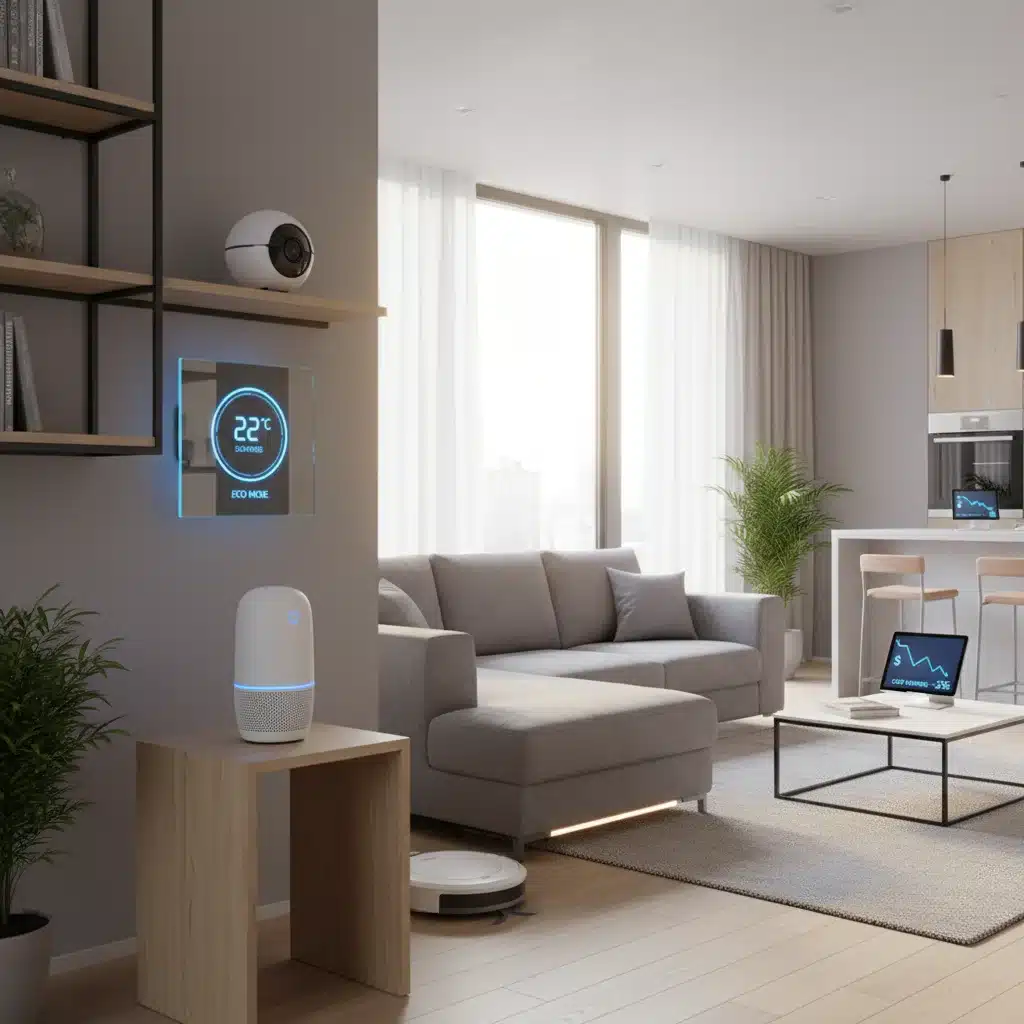
While less direct, smart energy management systems and appliance monitors also play a role in risk reduction. Smart thermostats, for example, can prevent pipes from freezing in cold weather by maintaining a minimum temperature, thus avoiding expensive water damage claims. Smart appliance monitors can alert homeowners to unusual power consumption or operational anomalies, potentially preventing electrical fires or appliance malfunctions that could lead to property damage. These indirect benefits, when aggregated, contribute to a safer home environment and, consequently, lower overall risk for insurers, reinforcing the potential for smart home insurance savings.
The Mechanics of Insurance Savings: How Devices Translate to Discounts
The promise of a 5% reduction in home insurance costs by 2026 isn’t just wishful thinking; it’s rooted in the evolving understanding of risk assessment by insurance companies. As more data becomes available, insurers are increasingly recognizing the tangible benefits of smart home technology. Several mechanisms are at play in translating device adoption into premium discounts.
Data-Driven Risk Assessment
Insurers are inherently data-driven. The more data they have about a property’s risk profile, the more accurately they can price their policies. Smart home devices generate a wealth of data on home activity, security events, and environmental conditions. While privacy concerns are paramount and data sharing is typically opt-in, aggregated and anonymized data can inform actuarial models, demonstrating the effectiveness of these systems in reducing claims. This data-driven approach allows insurers to offer more personalized and accurate premiums, rewarding homeowners who invest in risk-mitigating technology. The ability to quantify the reduction in risk is key to unlocking significant smart home insurance savings.
Proactive Loss Prevention Programs
Many insurance companies are moving beyond simply reacting to claims and are actively investing in loss prevention. Partnerships with smart home device manufacturers are becoming common, with insurers offering subsidized devices, installation services, or direct discounts for customers who install approved systems. These programs are designed to reduce the frequency and severity of claims, ultimately benefiting both the insurer (through lower payouts) and the policyholder (through lower premiums and peace of mind). These initiatives are a clear indicator of the industry’s belief in the power of smart home technology to generate smart home insurance savings.
Reduced Severity of Incidents
Even when an incident occurs, smart home devices can significantly reduce its severity. A smart smoke detector that alerts a homeowner immediately can mean the difference between a small, contained fire and a catastrophic one. A smart water leak sensor that shuts off the main water supply can prevent thousands of dollars in water damage. By minimizing the extent of damage, these devices reduce the cost of claims, which in turn contributes to the overall reduction in insurance payouts and supports the case for greater smart home insurance savings.
Challenges and Hurdles on the Path to 5% Savings
While the potential for a 5% reduction in home insurance costs is exciting, several challenges and hurdles must be addressed to fully realize this vision. The path to widespread adoption and recognized savings is not without its complexities.
Cost of Entry and Installation
One of the primary barriers to widespread smart home adoption is the initial cost of devices and professional installation. While prices have come down, a comprehensive smart home system can still represent a significant investment for many homeowners. For the 5% savings to be broadly achievable, the cost-benefit analysis for consumers needs to be clearly favorable, meaning the upfront investment should be recouped relatively quickly through insurance discounts and other efficiencies. Insurers and manufacturers need to collaborate on making these systems more accessible and affordable.
Interoperability and Ecosystem Fragmentation
The smart home market is currently fragmented, with numerous manufacturers and platforms that don’t always communicate seamlessly with each other. This lack of interoperability can create frustration for consumers and complicate the integration of devices into a cohesive system. For insurers to confidently offer discounts, there needs to be a degree of standardization or at least robust integration capabilities that ensure devices work reliably together. The emergence of standards like Matter aims to address this, but widespread adoption will take time.
Privacy and Data Security Concerns
Smart home devices collect a vast amount of personal data, from daily routines to environmental conditions within the home. Homeowners are naturally concerned about how this data is collected, stored, and used, especially when it involves sharing information with insurance providers. Clear, transparent policies regarding data privacy and robust cybersecurity measures are essential to build trust and encourage adoption. Without this trust, the potential for smart home insurance savings will remain limited.
Lack of Standardized Assessment and Policy Integration
Currently, there isn’t a universally standardized method for insurers to assess the impact of various smart home devices on risk. Different insurers may offer different discounts for similar devices, leading to confusion for consumers. For the 5% reduction to become a widespread reality, there needs to be greater consistency in how smart home technology is evaluated and integrated into insurance policies. This might involve industry-wide certifications for devices or more standardized actuarial models that incorporate smart home data.
The Future Outlook: How 5% Savings Become a Reality by 2026
Despite the challenges, the trajectory towards significant smart home insurance savings, potentially reaching 5% by 2026, appears to be a realistic goal. This will be driven by continued innovation, increasing consumer awareness, and strategic partnerships across industries.
Technological Advancements and Affordability
The cost of smart home technology is expected to continue its downward trend, making these devices more accessible to a broader demographic. Furthermore, advancements in AI and machine learning will make these systems even more intelligent and proactive, capable of predicting potential issues before they escalate. For instance, predictive maintenance capabilities in smart appliances could alert homeowners to impending failures, preventing costly damage. Enhanced sensor technology will also provide more granular data, allowing for even more precise risk assessment by insurers.
Increased Consumer Education and Adoption
As the benefits of smart home technology become more apparent, consumer education will play a crucial role. Homeowners need to understand not just the convenience but also the tangible financial benefits, including potential insurance premium reductions. Marketing efforts from both device manufacturers and insurance companies will highlight the long-term savings and peace of mind that smart homes offer. As adoption rates climb, the collective impact on risk pools will become more significant, further incentivizing insurers to offer more attractive discounts, driving up smart home insurance savings.
Evolving Insurance Models and Partnerships
The insurance industry is not static. We can expect to see more innovative insurance models emerge, such as usage-based insurance (UBI) for homes, similar to what’s seen in auto insurance. This would allow premiums to be dynamically adjusted based on real-time data from smart home devices, rewarding homeowners for proactive risk management. Partnerships between insurance carriers, smart home manufacturers, and even home builders will become more common, with smart home systems potentially being integrated as standard features in new constructions, ensuring a baseline level of protection and inherent smart home insurance savings from day one.
Standardization and Regulatory Frameworks
The push for greater standardization in the smart home industry, exemplified by initiatives like Matter, will simplify device integration and improve reliability. Simultaneously, regulatory frameworks may evolve to address data privacy and security concerns, providing consumers with greater assurance. Clearer guidelines for how smart home data can be used by insurers, with strong consumer consent mechanisms, will foster trust and accelerate the integration of this technology into insurance underwriting processes. These developments are crucial for solidifying the foundation for consistent smart home insurance savings across the market.
Specific Smart Home Devices and Their Impact on Insurance
To fully appreciate the potential for smart home insurance savings, it’s beneficial to look at specific categories of devices and their direct impact on reducing common household risks.
Smart Security Cameras and Video Doorbells
These devices provide a visual deterrent to potential criminals and offer real-time monitoring. They can capture footage of incidents, aiding in identification and recovery of stolen goods, and reducing the incidence of false claims. Many insurers offer discounts for professionally monitored security systems, and smart cameras often integrate with these services or provide similar capabilities through self-monitoring with cloud storage. The presence of these devices alone can deter opportunistic thieves, leading to fewer break-ins and thus directly impacting insurance claims related to theft and vandalism.
Smart Leak Detectors and Automatic Water Shut-off Valves
Water damage is one of the most frequent and expensive home insurance claims. Smart leak detectors placed near water heaters, washing machines, dishwashers, and sinks can detect moisture at its earliest stages. Even more impactful are automatic water shut-off valves, which, upon detecting a leak, can automatically turn off the main water supply to the home, preventing catastrophic flooding. The ability of these devices to prevent or significantly mitigate water damage is a huge win for both homeowners and insurers, making them a prime candidate for generating substantial smart home insurance savings.
Smart Smoke and Carbon Monoxide Detectors
While traditional smoke detectors are crucial, smart versions offer enhanced features. They can send alerts to your phone even when you’re away from home, interconnect with other smart detectors to create a whole-home alarm system, and even pinpoint the location of the fire or CO leak. Some models can also differentiate between cooking smoke and actual fires, reducing false alarms. By providing earlier warnings and better information, these devices can reduce the severity of fire and CO incidents, leading to lower claim costs and contributing to smart home insurance savings.
Smart Thermostats and Climate Control
Beyond energy efficiency, smart thermostats contribute to risk reduction by preventing pipe bursts due to freezing temperatures. Homeowners can monitor and adjust their home’s temperature remotely, ensuring that pipes don’t freeze during cold snaps, especially when they are away on vacation. This proactive temperature management significantly reduces the risk of expensive water damage claims, adding another layer to potential smart home insurance savings.
Smart Lighting and Presence Simulation
Smart lighting systems can be programmed to simulate occupancy when a home is vacant, deterring potential burglars. Randomizing light schedules makes it appear as though someone is home, even when the property is empty. This simple yet effective security measure can reduce the attractiveness of a home as a target for crime, indirectly lowering the risk profile and potentially contributing to smart home insurance savings.
The Economic Impact: Beyond Direct Savings
The 5% reduction in home insurance costs by 2026 is a significant projection, but the economic impact of widespread smart home adoption extends far beyond direct premium savings. There are broader benefits that contribute to a more resilient and efficient housing ecosystem.
Reduced Societal Costs of Damage
Fewer claims for water damage, fire, and theft translate to reduced societal costs. This includes less strain on emergency services, fewer resources expended on repairs and reconstruction, and less disruption to individuals’ lives. While difficult to quantify precisely, these collective savings contribute to overall economic well-being and a more sustainable insurance market. The preventative nature of smart home technology plays a crucial role in this broader economic benefit, reinforcing the value of smart home insurance savings.
Increased Property Value and Market Appeal
Homes equipped with advanced smart technology are often more attractive to buyers. A smart home can command a higher resale value due to its enhanced security, energy efficiency, and modern conveniences. This indirect benefit adds to the overall financial return on investment for homeowners who adopt these systems. The inherent safety and efficiency features that contribute to smart home insurance savings also make a property more desirable in the real estate market.
Empowerment of Homeowners
Smart home technology empowers homeowners with greater control and knowledge about their property. This increased awareness can lead to better maintenance practices, quicker responses to potential issues, and a general sense of security. An empowered homeowner is a proactive homeowner, and this proactive approach to property management is inherently valuable to insurers, as it directly reduces risk. This empowerment is a critical, albeit intangible, aspect of the value proposition that also underpins the drive for smart home insurance savings.
Conclusion: A Smarter, Safer, and More Affordable Future for Homes
The projection of a 5% reduction in home insurance costs by 2026 due to smart home devices is more than just an ambitious target; it reflects a fundamental shift in how we protect our homes and how insurance companies assess risk. As technology continues to advance, becoming more affordable, integrated, and reliable, its role in mitigating common household perils will only grow. While challenges related to cost, interoperability, and privacy remain, concerted efforts from technology providers, insurance carriers, and consumers are paving the way for a future where smart homes are not just convenient but also economically advantageous.
For homeowners, investing in smart home technology is increasingly becoming a wise financial decision, offering not only peace of mind and enhanced living but also tangible savings on one of their most significant ongoing expenses. For the insurance industry, embracing these innovations means more accurate risk assessment, fewer claims, and the ability to offer more competitive and personalized products. The journey to widespread smart home insurance savings is well underway, promising a future where our homes are smarter, safer, and ultimately, more affordable to insure.
The 2026 target for a 5% reduction in premiums serves as a powerful incentive for continued innovation and adoption. It signals a future where technology and insurance converge to create a more resilient and protected living environment for everyone. As we move closer to this reality, homeowners should actively explore the smart home options available to them, understanding that these devices are not just gadgets but essential tools for modern home protection and significant financial benefit.