Credit Scores & Insurance Premiums 2026: What You Need to Know
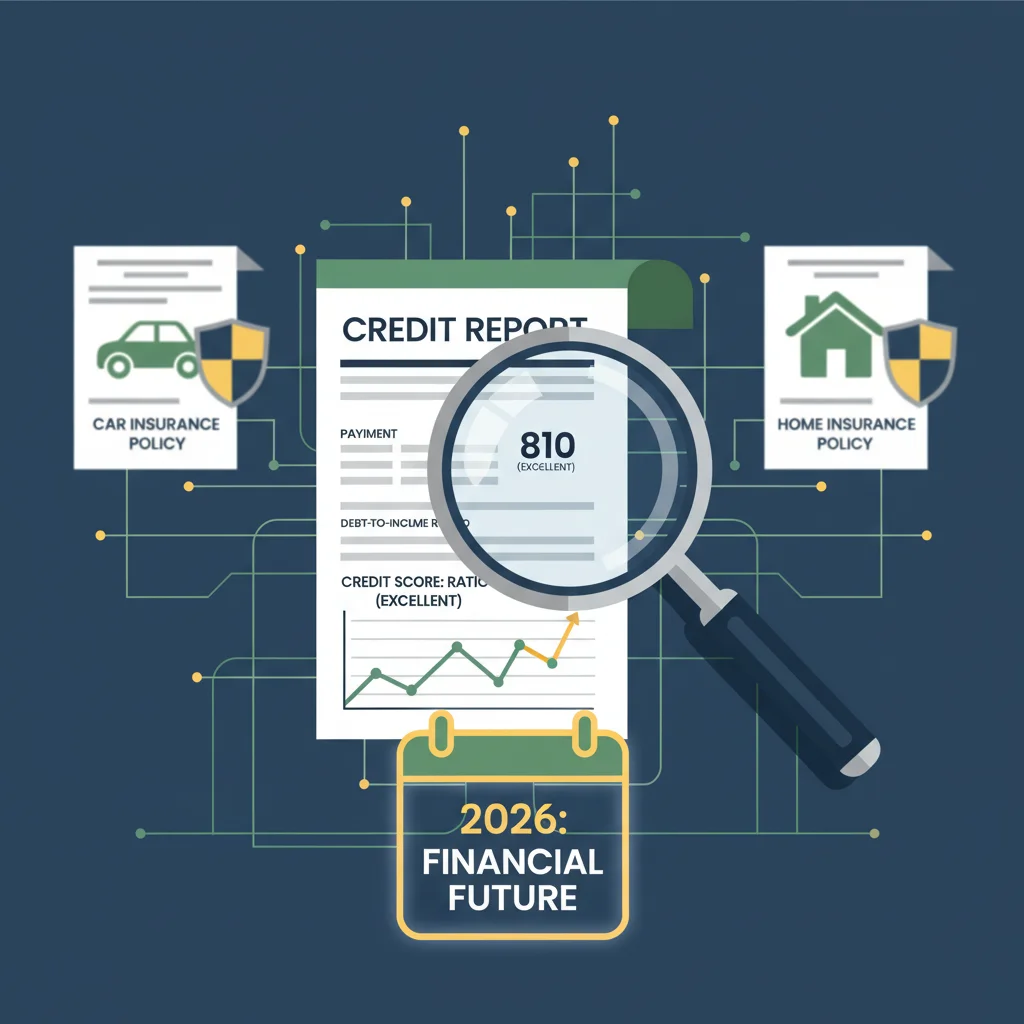
The Impact of Credit Scores on Insurance Premiums: What You Need to Know for 2026
In the evolving financial landscape of 2026, understanding the intricate relationship between your credit score insurance premiums has never been more critical. For many consumers, the idea that their creditworthiness could influence the cost of their auto, home, or even renters insurance might seem counterintuitive. However, for years, insurance companies have utilized credit-based insurance scores as a key factor in assessing risk and, consequently, setting premiums. As we navigate further into 2026, this practice continues to hold significant sway, making it imperative for everyone to grasp how their financial habits directly translate into their insurance costs.
The reliance on credit scores by insurers is rooted in statistical analysis. Studies have consistently shown a correlation between a consumer’s credit history and their likelihood of filing an insurance claim. Individuals with lower credit scores are often deemed higher risk, leading to higher premiums to offset potential losses for the insurer. Conversely, a strong credit score can signal financial responsibility, potentially unlocking lower rates and significant savings over time. This guide will delve deep into the mechanics of how your credit score insurance premiums are intertwined, what specific factors insurers consider, and actionable strategies you can implement in 2026 to improve your credit standing and secure more favorable insurance rates.
Understanding Credit-Based Insurance Scores
Before we dissect the impact, it’s crucial to differentiate between a traditional credit score (like a FICO score) and a credit-based insurance score. While both are derived from your credit report, they are not identical. A traditional credit score primarily assesses your credit risk for lenders – how likely you are to repay a loan. A credit-based insurance score, on the other hand, is a proprietary algorithm used by insurance companies to predict the likelihood of you filing an insurance claim. These scores are designed to help insurers gauge risk more accurately, allowing them to price policies accordingly.
In 2026, most insurance companies continue to use these specialized scores, which consider various elements of your credit report. These elements typically include your payment history, outstanding debt, length of credit history, new credit applications, and types of credit used. However, unlike a standard credit score, certain factors like your income, race, religion, gender, marital status, or age are explicitly excluded from credit-based insurance scores. This distinction is vital for consumers to understand, as improving your overall credit health will invariably lead to a better credit-based insurance score.
The Direct Link: How Insurers Use Your Credit Score
When you apply for an insurance policy in 2026, be it for your car, home, or apartment, insurers will typically request access to your credit report to generate a credit-based insurance score. This score is then factored into their underwriting process alongside other traditional variables such as your driving record, claims history, geographic location, type of vehicle, and even the age and construction of your home. The weighting of the credit score insurance component can vary significantly between different insurance providers and even across different states, as some states have restrictions or prohibitions on the use of credit information for insurance rating.
The underlying premise is that individuals who manage their finances responsibly are statistically less likely to file insurance claims. For example, a person who consistently pays their bills on time, maintains a low debt-to-credit ratio, and has a long history of responsible credit use might be perceived as more diligent and less prone to risky behavior that could lead to claims. This perceived lower risk translates into lower premiums. Conversely, a history of late payments, high debt, or bankruptcies might suggest a higher risk profile, leading to increased insurance costs.
Key Credit Factors Influencing Premiums:
- Payment History: Consistently paying bills on time is perhaps the most crucial factor. Late payments, collections, or bankruptcies can severely impact your score.
- Amounts Owed: The amount of debt you carry relative to your credit limits (credit utilization) is significant. High utilization can indicate financial strain.
- Length of Credit History: A longer history of responsible credit use generally bodes well.
- New Credit: Opening multiple new credit accounts in a short period can be seen as risky.
- Credit Mix: A healthy mix of different types of credit (e.g., credit cards, installment loans) can be beneficial.
State-Specific Regulations in 2026
It’s important to note that the use of credit information in determining insurance premiums is not uniform across all states in the U.S. As of 2026, some states have either banned or significantly restricted the use of credit scores for certain types of insurance. For example, California, Hawaii, and Massachusetts have prohibited the use of credit scores for auto insurance rating. Other states might have specific regulations on how credit scores can be used, such as only allowing them to be used to decrease premiums, not increase them, or requiring insurers to provide consumers with specific disclosures about how their credit information is being used.
Before you begin shopping for insurance, it’s a wise decision to research your state’s specific regulations regarding credit score insurance practices. This knowledge will empower you to understand your rights and the factors that can legally influence your premiums. Staying informed about these regional differences is a key part of smart financial planning in 2026, as it directly impacts your ability to secure the most competitive rates.
Strategies to Improve Your Credit Score for Lower Premiums
Improving your credit score is a long-term endeavor, but the benefits extend far beyond just insurance premiums, impacting everything from loan approvals to interest rates. In 2026, if you’re looking to lower your credit score insurance rates, focusing on these fundamental credit-building strategies is paramount:
1. Pay Your Bills On Time, Every Time:
This is the single most impactful action you can take. Payment history accounts for a significant portion of your credit score. Set up automatic payments, use reminders, or simply ensure you have a consistent system for paying all your bills, including credit cards, loans, and utilities, before their due dates.
2. Reduce Your Credit Utilization Ratio:
Your credit utilization ratio is the amount of credit you’re using compared to your total available credit. Aim to keep this ratio below 30%, ideally even lower. For example, if you have a credit card with a $10,000 limit, try to keep your balance below $3,000. Paying down existing debts and avoiding maxing out credit cards are effective ways to improve this ratio.
3. Check Your Credit Report Regularly:
Errors on your credit report can negatively impact your score without your knowledge. Federal law entitles you to a free credit report from each of the three major credit bureaus (Equifax, Experian, and TransUnion) once every 12 months. Review these reports carefully for inaccuracies and dispute any errors immediately. This proactive approach can prevent an erroneous entry from unfairly raising your credit score insurance costs.
4. Don’t Close Old Credit Accounts:
The length of your credit history contributes to your score. Older accounts, especially those in good standing, demonstrate a long track record of responsible credit use. Closing them, even if they’re paid off, can shorten your average credit age and potentially lower your score.
5. Limit New Credit Applications:
While opening new credit can be necessary, applying for too many new credit lines in a short period can be seen as a sign of financial distress and can lead to multiple hard inquiries on your credit report, which can temporarily ding your score. Be strategic about when and why you apply for new credit.
6. Diversify Your Credit Mix:
Having a mix of credit types, such as revolving credit (credit cards) and installment loans (mortgages, auto loans), can positively influence your score. It demonstrates your ability to manage different kinds of debt responsibly.

The Long-Term Benefits of a Good Credit Score for Insurance
The immediate benefit of a good credit score is the potential for lower insurance premiums, which can translate into hundreds or even thousands of dollars in savings annually across various policies. This financial relief is especially significant in 2026, as inflation and other economic factors continue to put pressure on household budgets. Beyond the direct monetary savings, a strong credit score insurance relationship offers several other long-term advantages:
Access to More Insurers and Better Policy Options:
Some insurance companies may be more selective about who they cover, especially for certain types of policies. A higher credit score can open doors to a wider range of insurers, including those that offer more competitive rates or specialized coverage options. This increased choice allows you to shop around more effectively and find a policy that perfectly fits your needs and budget.
Simplified Application Processes:
While not universally true, a robust credit history can sometimes streamline the insurance application process. Insurers may require less supplementary information or offer quicker approvals when an applicant demonstrates a strong financial foundation.
Greater Negotiating Power:
Although direct negotiation on rates is not always possible with insurers, having excellent credit gives you leverage when comparing quotes. You’ll be in a stronger position to demand the best possible rates, knowing that your financial reliability is a significant asset in the eyes of insurance providers.
Overall Financial Stability:
Ultimately, diligently managing your credit to achieve lower insurance premiums is part of a broader strategy for overall financial stability. A good credit score is a cornerstone of personal finance, impacting everything from renting an apartment to securing a mortgage or a car loan at favorable interest rates. The discipline required to maintain a high credit score fosters habits that benefit every aspect of your financial life.
What to Do if You Have a Poor Credit Score in 2026
If your credit score is currently less than ideal, don’t despair. While it may mean higher insurance premiums in the short term, there are concrete steps you can take in 2026 to improve your financial standing and eventually reduce your credit score insurance costs. The journey requires patience and consistent effort, but the rewards are substantial.
1. Get a Secured Credit Card:
If you’re struggling to get approved for traditional credit, a secured credit card can be an excellent starting point. You put down a deposit, which often becomes your credit limit, and use the card like a regular credit card. Responsible use and on-time payments will be reported to credit bureaus, helping to build your credit history.
2. Consider a Credit-Builder Loan:
Some financial institutions offer credit-builder loans specifically designed to help individuals establish or improve their credit. With these loans, the money you borrow is held in a savings account while you make regular payments. Once the loan is paid off, you receive the funds, and your payment history is reported to credit bureaus.
3. Become an Authorized User:
If a trusted family member or friend with excellent credit is willing, becoming an authorized user on one of their credit cards can help improve your credit score. Their positive payment history might be reflected on your credit report, but ensure they are financially responsible, as their mistakes could also impact you.
4. Seek Credit Counseling:
Non-profit credit counseling agencies can provide guidance on budgeting, debt management, and improving your credit score. They can help you create a personalized plan to tackle debt and build a stronger financial future.
5. Shop Around for Insurance:
Even with a lower credit score, it’s crucial to shop around and compare quotes from multiple insurance providers. Different insurers have different underwriting models and may weigh credit scores differently. Some might be more lenient or offer policies specifically for individuals with less-than-perfect credit. Don’t settle for the first quote you receive; actively seek out the best possible rates.

The Future of Credit Scores and Insurance in 2026 and Beyond
As we look ahead in 2026, the discussion around the fairness and efficacy of using credit scores for insurance rating continues. Consumer advocacy groups often raise concerns about the potential for credit-based insurance scores to disproportionately affect low-income individuals or minority groups, arguing that it penalizes those who may have faced financial hardship through no fault of their own. Regulators in various states are continually reviewing and sometimes revising the rules surrounding this practice.
While changes are always possible, it’s highly probable that credit-based insurance scores will remain a significant factor in insurance underwriting for the foreseeable future in most regions. Therefore, understanding and actively managing your credit score will continue to be a vital component of securing affordable insurance rates. The trend towards more personalized pricing models, driven by data analytics and artificial intelligence, suggests that insurers will continue to seek out comprehensive data points to assess risk accurately.
Consumers in 2026 should anticipate a continued emphasis on financial responsibility, not just for credit products but also for essential services like insurance. This means that proactive credit management is not merely a good financial habit; it’s a strategic necessity for optimizing your household budget and ensuring access to competitive insurance products.
Conclusion: Mastering Your Credit for Better Insurance in 2026
The connection between your credit score insurance premiums is a fundamental aspect of the financial landscape in 2026. Your credit report serves as a powerful indicator to insurers, influencing how they perceive your risk profile and, by extension, the cost of your policies. While it may seem unfair to some, the statistical correlation insurers rely upon means that a healthy credit score is undeniably one of your most valuable assets when shopping for insurance.
By understanding how credit-based insurance scores are calculated, being aware of state-specific regulations, and diligently implementing strategies to improve your credit health, you can significantly impact your financial future. Paying bills on time, managing debt responsibly, and regularly monitoring your credit report are not just good financial practices; they are direct pathways to unlocking lower auto, home, and other insurance premiums. In 2026, empower yourself with this knowledge and take control of your credit to secure a more affordable and stable insurance future.
Don’t let a misunderstanding of this crucial link cost you more than necessary. Start today by reviewing your credit report, making a plan for improvement, and actively seeking out the best insurance quotes. Your efforts will not only lead to substantial savings on insurance but will also contribute to a stronger, more resilient financial foundation for years to come.