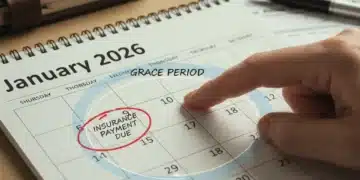
Understanding the 30-Day Grace Period: Your Guide to Maintaining Active Insurance Coverage in the U.S.

In the complex world of insurance, terms and conditions can often feel overwhelming. Among the many clauses designed to protect both policyholders and providers, the insurance grace period stands out as a crucial safety net. Specifically, the 30-day grace period is a common provision in many insurance policies across the United States, offering a brief window of time during which a policy remains active even if a premium payment is missed. Understanding this period is not just about knowing a policy detail; it’s about safeguarding your financial well-being and ensuring continuous protection when you need it most.
This comprehensive guide will delve deep into the intricacies of the 30-day grace period, explaining what it is, how it works, and why it’s so important for policyholders in the U.S. We’ll explore its application across various types of insurance, from health and life to auto and homeowners policies, and provide essential tips on how to effectively manage your payments to prevent a policy lapse. Our aim is to empower you with the knowledge needed to navigate your insurance responsibilities confidently, ensuring that your coverage remains active and your peace of mind intact.
What Exactly is an Insurance Grace Period?
At its core, an insurance grace period is a stipulated amount of time after a premium due date during which a policy remains in force, despite the premium not having been paid. During this period, the policyholder retains their coverage, and if a claim arises, it will typically be honored. The primary purpose of a grace period is to provide a buffer for policyholders who might face temporary financial setbacks or simply forget a payment due date. It prevents immediate policy cancellation, offering a chance to rectify the missed payment without losing valuable coverage.
While grace periods can vary, the 30-day grace period is particularly prevalent in many insurance contracts. This means that if your premium was due on the 1st of the month and you have a 30-day grace period, your policy will generally remain active until the 31st of that month. If you make the payment within these 30 days, your coverage continues seamlessly as if no payment was missed. However, if the payment is not made by the end of the grace period, the policy is at risk of lapsing, which can have significant consequences.
The Legal Framework and State Regulations
It’s important to note that the existence and duration of an insurance grace period are often mandated by state law, particularly for certain types of insurance like health and life insurance. While insurance companies may offer grace periods as part of their standard policies, many states have regulations in place to protect consumers by requiring a minimum grace period. This ensures a level of consistency and protection across the industry.
For instance, under the Affordable Care Act (ACA), health insurance plans offered on the marketplace must provide a 3-month grace period for policyholders who receive advance premium tax credits and have previously paid at least one month’s premium in the benefit year. However, if you don’t receive tax credits, the grace period might be shorter, typically 30 or 31 days. Understanding the specific regulations in your state and for your type of policy is crucial.
The 30-Day Grace Period Across Different Insurance Types
The application and implications of the 30-day grace period can differ depending on the type of insurance. Let’s explore how it functions across some of the most common policies in the U.S.
Health Insurance and the Grace Period
For health insurance, the grace period is particularly vital, as a lapse in coverage can have immediate and severe financial repercussions in case of an unexpected medical emergency. As mentioned, ACA-compliant plans often have specific grace period rules. If you receive subsidies, your grace period could be up to three months, but during the second and third months, the insurer can hold claims until the overdue premiums are paid. If the premiums are not paid by the end of the three months, all unpaid claims from those two months can be denied, and your policy will terminate. For those not receiving subsidies, the grace period is typically shorter, often 30 or 31 days.
During this health insurance grace period, it is crucial to make your payment to avoid a "pending" status for claims or, worse, a complete termination of your policy. Losing health insurance can mean facing the full cost of medical care, which can quickly amount to tens of thousands of dollars for even routine hospital stays.
Life Insurance and Its Grace Period
Life insurance policies almost universally include a grace period, typically 30 or 31 days. This is a critical provision for beneficiaries. If the insured individual passes away during the grace period, and the premium was unpaid, the death benefit will usually still be paid out, with the overdue premium subtracted from the payout. This ensures that a family isn’t left without financial support due to a minor oversight in payment. However, if the premium is not paid by the end of the grace period, the policy will lapse, and the beneficiaries will receive nothing.
For whole life or universal life policies that accumulate cash value, a policy might also enter an "automatic premium loan" status after the grace period, where the missed premium is paid from the cash value. However, this is not a grace period in itself but a separate policy feature, and it reduces the cash value and potentially the death benefit.
Auto Insurance and Grace Periods
Unlike health and life insurance, the grace period for auto insurance is not always legally mandated and can vary significantly by insurer and state. Some auto insurers offer a grace period of 7 to 30 days, while others may not offer one at all. If you miss a payment and your policy lapses, you risk driving without insurance, which is illegal in most states and can lead to fines, license suspension, and severe financial liability in case of an accident.
It’s vital to check your specific auto insurance policy details to understand if a grace period exists and how long it is. Driving uninsured, even for a day, can have dire consequences.
Homeowners Insurance and the Grace Period
Homeowners insurance typically includes a grace period, often around 10 to 30 days, though this can also vary by insurer and state. For many homeowners, their insurance premiums are paid through an escrow account by their mortgage lender, which reduces the likelihood of missed payments. However, if you pay your premiums directly, understanding the grace period is essential. A lapse in homeowners insurance can put your most valuable asset at risk, leaving you financially exposed to damages from fire, theft, natural disasters, and other covered perils. Moreover, your mortgage lender will likely require continuous coverage and may even force-place insurance on you at a much higher cost if your policy lapses.

The Critical Importance of the Grace Period
The insurance grace period serves as a crucial safeguard for policyholders, preventing immediate termination of coverage due to a missed payment. Without this buffer, a simple oversight could lead to catastrophic financial consequences. Consider the following scenarios:
- Sudden Medical Emergency: If your health insurance premium is due on the 1st, and you have a medical emergency on the 10th before you’ve paid, the grace period ensures your claims are still covered. Without it, you could face massive medical bills.
- Unexpected Death: For life insurance, if a policyholder dies shortly after missing a premium payment but within the grace period, their beneficiaries are still protected. This upholds the core purpose of life insurance – providing financial security.
- Accident During Lapse: If your auto insurance lapses even for a day, and you get into an accident, you could be personally liable for all damages and injuries, potentially leading to bankruptcy. The grace period helps prevent such immediate lapses.
Beyond these immediate protections, the grace period also offers administrative flexibility. It gives policyholders time to resolve payment issues, update billing information, or even switch payment methods without the stress of immediate policy termination. It’s a testament to the understanding that life can be unpredictable, and a small delay shouldn’t automatically revoke essential protections.
What Happens If You Miss the Grace Period?
Failing to make your payment within the 30-day grace period (or whatever the specified duration is for your policy) can lead to serious consequences. The most common outcome is a policy lapse. When a policy lapses, your coverage is terminated, and you are no longer protected by the insurance company.
Consequences of a Policy Lapse:
- Loss of Coverage: This is the most direct and severe consequence. Any claims arising after the lapse date will be denied, leaving you financially responsible for the costs.
- Reinstatement Challenges: To regain coverage, you will likely need to apply for reinstatement. This process can be more complex than simply making a payment. For life insurance, it might involve proving insurability again, which could mean new medical exams and a review of your health history. If your health has deteriorated, you might be denied reinstatement or offered a policy at a much higher premium.
- Higher Premiums: Even if reinstated, some insurers may view a lapse as a higher risk, potentially leading to increased premiums for your renewed policy.
- Waiting Periods: For health insurance, a lapse and subsequent new enrollment (or reinstatement) might trigger new waiting periods for certain benefits or pre-existing conditions, leaving you vulnerable for a period.
- Legal and Financial Penalties: For auto insurance, driving without coverage is illegal and can result in fines, license suspension, or even vehicle impoundment. Mortgage lenders will also take action if homeowners insurance lapses, often force-placing expensive coverage.
- Loss of Accumulated Benefits: For policies like whole life insurance, a lapse could mean losing accumulated cash value or other benefits that have built up over time.
The message is clear: avoiding a policy lapse by making your payments within the insurance grace period is paramount to maintaining continuous protection and avoiding unnecessary complications and costs.
Tips for Managing Payments and Avoiding Policy Lapses
Proactively managing your insurance payments is the best way to leverage the 30-day grace period as a backup, rather than relying on it regularly. Here are some practical tips:
1. Understand Your Policy’s Specifics:
Don’t assume all policies have the same grace period. Read your policy documents carefully or contact your insurer directly to confirm the exact length of your grace period for each type of coverage you hold. Know your due dates and the last day of your grace period.
2. Set Up Automatic Payments:
This is arguably the most effective way to prevent missed payments. Most insurance companies offer automatic debit from a bank account or credit card. This eliminates the risk of forgetting a payment and ensures your premiums are paid on time, every time.
3. Utilize Payment Reminders:
If automatic payments aren’t an option, set up multiple reminders. Use calendar alerts, smartphone apps, or even simple sticky notes. Many insurance companies also offer email or SMS payment reminders. Enroll in these services.
4. Keep Payment Information Updated:
If you use a credit card for payments, ensure its expiration date is current with your insurer. If your bank account details change, update them immediately. Outdated payment information is a common cause of missed payments.
5. Consider Annual or Semi-Annual Payments:
While monthly payments can seem more manageable, paying annually or semi-annually reduces the number of payments you need to remember and often comes with a slight discount from the insurer. This can also simplify your financial planning.
6. Communicate with Your Insurer:
If you anticipate financial difficulty and might miss a payment, contact your insurance company as soon as possible. They might be able to offer alternative payment arrangements, a temporary deferral, or advise you on options to maintain coverage, such as reducing coverage temporarily to lower premiums.
7. Maintain an Emergency Fund:
Having an emergency fund can provide a buffer for unexpected expenses, including insurance premiums, ensuring you can cover essential payments even during difficult times.

The Difference Between Grace Period and Reinstatement
It’s crucial to distinguish between an insurance grace period and policy reinstatement. While both relate to maintaining coverage after a missed payment, they represent different stages and implications:
- Grace Period: This is the period immediately following the premium due date during which your policy is still active and in full force. If you make the payment within this period, your coverage continues uninterrupted. No new application or underwriting is typically required.
- Reinstatement: If you fail to make the payment within the grace period, your policy will lapse. Reinstatement is the process of getting a lapsed policy back in force. This usually requires a formal application, payment of all overdue premiums, and potentially a new underwriting process (especially for life and health insurance) to prove insurability. The insurer is not obligated to reinstate a lapsed policy, and there might be a waiting period before coverage is active again.
In essence, the grace period is a "forgiveness" period that avoids a lapse, whereas reinstatement is the process of recovering from a lapse. Always aim to make your payments within the grace period to avoid the complexities and potential denials associated with reinstatement.
Common Misconceptions About the Grace Period
Despite its importance, several misconceptions surround the insurance grace period:
- "It’s a free month of coverage." This is false. While coverage continues, you are still obligated to pay the premium for that period. The grace period is a deferral, not a waiver, of payment.
- "All insurance policies have a 30-day grace period." Not true. While common, the length can vary by policy type, insurer, and state regulations. Some policies might have shorter grace periods, and some (like certain auto policies) might have none.
- "I can always pay late without consequences." While the grace period prevents immediate lapse, consistently paying late can still have negative impacts. Some insurers might charge late fees, and repeated missed payments could flag you as a higher risk, potentially affecting future rates or policy renewals.
- "My coverage is fully active no matter what." For some health insurance plans with a 3-month grace period (for those receiving subsidies), claims in the second and third months might be held until overdue premiums are paid. If not paid, those claims can be denied.
Understanding these distinctions is vital for responsible policy management and ensuring you are truly covered when you expect to be.
The Role of Communication with Your Insurance Provider
Open and timely communication with your insurance provider is a cornerstone of effective policy management, especially when it comes to the insurance grace period. If you anticipate any issues with making a premium payment, reaching out to your insurer proactively can make a significant difference. They may be able to:
- Offer Payment Flexibility: Depending on your situation and policy, they might allow a short extension beyond the standard grace period, set up a payment plan, or even temporarily adjust your coverage to a more affordable option.
- Clarify Policy Terms: An agent can clearly explain your grace period, payment due dates, and the exact consequences of a lapse, helping you avoid misunderstandings.
- Provide Solutions: They might inform you of other programs or options available that you weren’t aware of, potentially preventing a lapse altogether.
Do not wait until after the grace period has expired to contact your insurer. By then, your policy may have already lapsed, and the options for reinstatement could be more limited and complex.
Conclusion: Your Safety Net for Continuous Coverage
The 30-day grace period (or its equivalent duration) is an indispensable feature of many insurance policies in the U.S. It serves as a critical safety net, providing policyholders with a brief but vital window to rectify a missed premium payment without losing their essential coverage. From health and life insurance, where a lapse can have immediate and dire consequences, to auto and homeowners policies, which protect your valuable assets and legal standing, understanding and respecting the grace period is paramount.
By proactively managing your payments, utilizing automated systems, setting reminders, and maintaining open communication with your insurer, you can ensure that you never have to rely on the grace period as anything more than an occasional buffer. A lapsed policy can lead to significant financial burdens, reinstatement challenges, and the loss of peace of mind that insurance is designed to provide. Arm yourself with knowledge, stay organized, and keep your coverage active – because continuous protection is the foundation of financial security.