What is a Grace Period in Insurance? Understanding Your Options for January 2026 Payments

What is a Grace Period in Insurance? Understanding Your Options for January 2026 Payments
In the complex world of insurance, terms and conditions can often feel overwhelming. One such term, often overlooked but critically important, is the insurance grace period. As we approach January 2026, understanding this concept is more vital than ever for ensuring continuous coverage and protecting your financial well-being. This comprehensive guide will demystify the insurance grace period, explain its significance, and help you navigate your options for upcoming payments.
What Exactly is an Insurance Grace Period?
An insurance grace period is a specified timeframe immediately following your premium due date during which your insurance coverage remains active, even if you haven’t made your payment. It’s essentially a safety net provided by insurance companies to give policyholders a little extra time to pay their premiums without fear of immediate policy cancellation or lapse. During this period, your policy remains in full force, meaning if an insured event occurs, your claim will still be processed as usual.
The Purpose Behind the Grace Period
The primary purpose of an insurance grace period is to protect both the policyholder and, indirectly, the insurer. For policyholders, it offers flexibility and a buffer against unforeseen circumstances that might delay a payment, such as a forgotten due date, a temporary financial setback, or an administrative oversight. Without a grace period, a single missed payment could lead to an immediate lapse in coverage, leaving you vulnerable and potentially facing significant financial losses.
From the insurer’s perspective, grace periods help maintain customer loyalty and reduce the administrative burden of constantly reinstating lapsed policies. It’s a balance between ensuring timely payments and accommodating the realities of their customers’ lives. It also helps in retaining a stable client base, as immediate cancellations could lead to higher churn rates.
How Does an Insurance Grace Period Work?
While the fundamental concept of an insurance grace period is consistent, its application can vary depending on the type of insurance and the specific terms of your policy. Typically, a grace period ranges from 7 to 31 days, though some policies might offer more or less. It’s crucial to consult your individual policy document to understand the exact duration and conditions that apply to your coverage.
Key Aspects of Grace Period Functionality:
- Coverage Continuity: During the grace period, your insurance policy remains fully active. If you file a claim for an event that occurs within this window, it will be handled as if your payment was made on time.
- Payment Obligation: It’s important to remember that the grace period does not waive your obligation to pay the premium. It merely extends the deadline. You are still responsible for making the payment to keep your policy in good standing.
- Lapse Prevention: If you make the overdue payment within the grace period, your policy is considered to have never lapsed. This avoids the hassle and potential costs associated with policy reinstatement, which might involve new applications, medical exams (for life insurance), or higher premiums.
- Consequences of Non-Payment: If the premium is not paid by the end of the grace period, your policy will typically lapse or be canceled. This means you will no longer have coverage, and any claims for events occurring after the grace period ends will be denied. Reinstatement may be possible, but it’s often more complex and potentially more expensive than simply paying on time.
Grace Periods Across Different Insurance Types
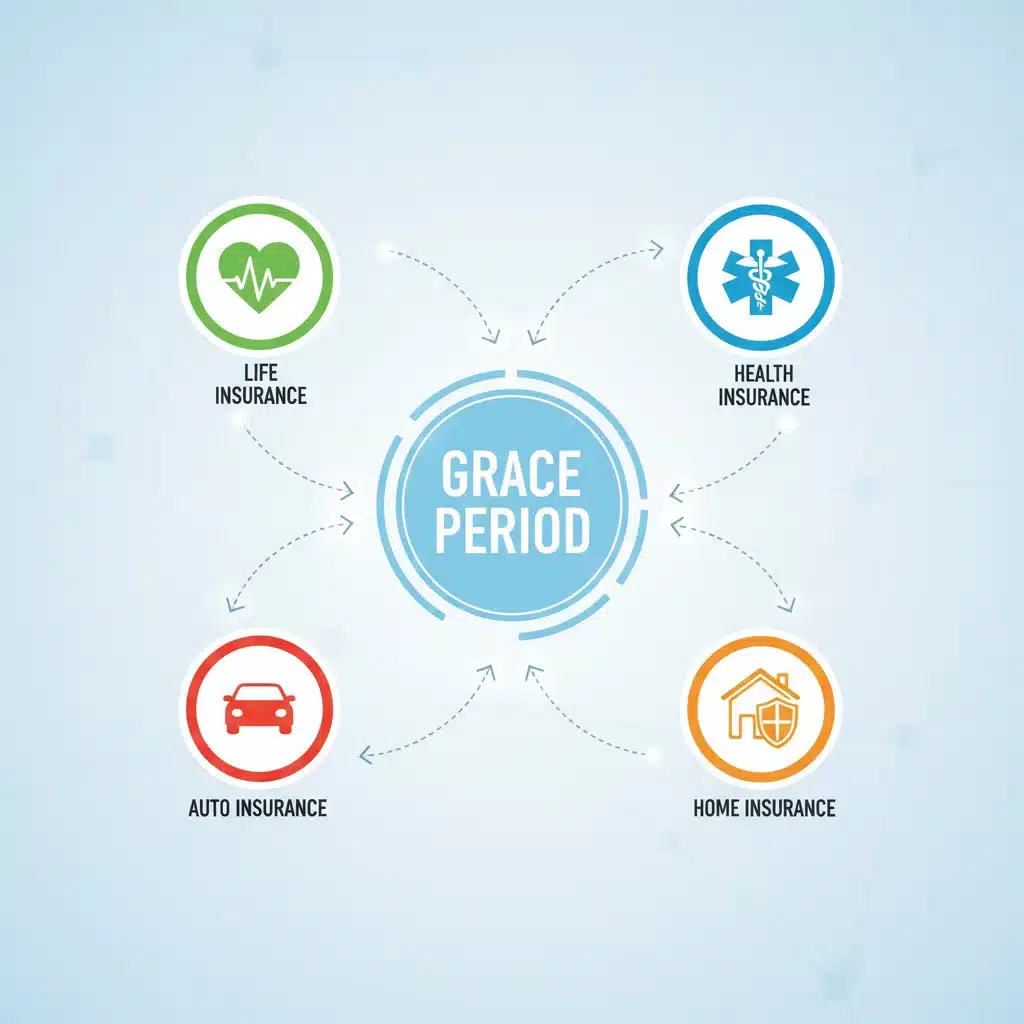
The existence and specifics of an insurance grace period can differ significantly based on the type of insurance product. Understanding these nuances is key to managing your policies effectively.
Life Insurance Grace Period
Life insurance policies almost universally include a grace period, often around 30 or 31 days. This is a crucial feature because a lapse in life insurance can have severe consequences for your beneficiaries. If the insured passes away during the grace period and the premium is still unpaid, the death benefit is usually paid out, with the outstanding premium deducted from the payout. However, if the policy lapses due to non-payment after the grace period, the beneficiaries may receive nothing. This emphasizes why understanding your life insurance grace period is paramount for long-term financial planning.
Health Insurance Grace Period
For health insurance, particularly policies purchased through the Affordable Care Act (ACA) marketplace, the grace period can be more complex. If you receive a subsidy (premium tax credit), your grace period is typically 90 days. During the first month of this 90-day period, your insurer must pay for services received. In the second and third months, the insurer can hold payment for services. If you pay all outstanding premiums by the end of the 90 days, claims from those months will be paid. If not, the insurer may deny claims for services received during the second and third months, and your policy will terminate. For non-subsidized health plans, the grace period is usually shorter, often 30 days, similar to other insurance types.
Auto Insurance Grace Period
Auto insurance grace periods vary widely by insurer and state regulations. Some insurers might offer a grace period of 7 to 10 days, while others might not offer one at all, leading to immediate cancellation upon a missed payment. Driving without active auto insurance is illegal in most places and can result in fines, license suspension, or even vehicle impoundment. Therefore, knowing your auto insurance grace period – or lack thereof – is critical to avoid legal troubles and ensure continuous protection on the road.
Homeowner’s Insurance Grace Period
Homeowner’s insurance policies typically come with a grace period, often ranging from 10 to 30 days. This period protects your most valuable asset from immediate loss of coverage due to a delayed payment. A lapse in homeowner’s insurance is particularly risky as it leaves your home vulnerable to damage, theft, or liability claims. If you have a mortgage, your lender will also likely require continuous homeowner’s insurance and may force-place coverage at a higher cost if your policy lapses.
The Importance of the Grace Period for January 2026 Payments
As January 2026 approaches, many individuals and families will be facing new premium cycles, potentially higher deductibles, or adjustments to their insurance plans. This period often coincides with other financial demands, making it easy for a premium payment to slip through the cracks. Understanding your insurance grace period becomes a crucial aspect of your financial planning during this time.
Avoiding Policy Lapse and Its Consequences
A policy lapse can have significant negative repercussions:
- Loss of Coverage: The most immediate and severe consequence is the loss of protection. An accident, illness, or disaster occurring after a lapse can lead to immense out-of-pocket expenses.
- Reinstatement Challenges: Reinstating a lapsed policy is often not as simple as making a late payment. You might need to reapply, potentially undergo new underwriting, and face higher premiums due to changes in your health or risk profile.
- Waiting Periods: For health insurance, a lapse and subsequent re-enrollment might trigger new waiting periods for certain benefits, leaving you without coverage for specific conditions for a period.
- Financial Penalties: Some insurers might charge late fees in addition to the outstanding premium, even if you pay within the grace period.
- Credit Impact: For certain types of insurance, particularly those tied to loans (like auto or home insurance), a lapse could be reported to credit bureaus or impact your ability to get favorable rates in the future.
Strategies for Managing Your Insurance Payments
Proactive management of your insurance payments can help you leverage the insurance grace period as a safety net rather than a regular habit. Here are some strategies:
1. Understand Your Policy Documents
The first step is always to read and understand your specific policy documents. These will clearly outline the length of your grace period, any associated fees, and the exact procedures for late payments or potential reinstatement. Don’t assume; verify the details for each of your policies.
2. Set Up Payment Reminders
Utilize modern tools to help you remember due dates. Calendar alerts, smartphone reminders, or even simple sticky notes can be effective. Many insurance companies also offer email or SMS reminders, which can be invaluable.
3. Opt for Automatic Payments
Automatic payments are one of the most reliable ways to ensure your premiums are paid on time. Link your bank account or credit card to your insurance provider for recurring deductions. Just ensure you have sufficient funds available and regularly check your statements to confirm payments are processed correctly.
4. Pay Annually or Semi-Annually if Possible
While not always feasible, paying your premiums annually or semi-annually can often result in a slight discount compared to monthly payments. It also reduces the number of payment deadlines you need to track throughout the year, lessening the chance of a missed payment.
5. Communicate with Your Insurer
If you anticipate difficulty making a payment on time, contact your insurance provider immediately. Many companies are willing to work with policyholders, especially if you have a good payment history. They might offer alternative payment plans or a short extension beyond the standard grace period. Open communication is always better than letting a payment slide silently.
6. Review Your Budget Regularly
Incorporate insurance premiums into your regular household budget. Understanding your monthly expenses and allocating funds specifically for insurance payments can prevent unexpected shortfalls and ensure you’re always prepared for upcoming due dates, including those in January 2026.

Common Misconceptions About Insurance Grace Periods
Despite its importance, the insurance grace period is often misunderstood. Let’s clarify some common misconceptions:
Misconception 1: It’s a Free Month of Coverage
Reality: The grace period is not a free month. You are still obligated to pay for the coverage you received during that time. If you fail to pay by the end of the grace period, the insurer may retroactively cancel your policy to the original due date, meaning you would owe for the coverage you received during the grace period but ultimately didn’t pay for, and any claims made during that time might be denied.
Misconception 2: All Grace Periods Are the Same Length
Reality: As discussed, the length of a grace period varies significantly by insurance type, insurer, and even state regulations. Always check your specific policy details.
Misconception 3: You Don’t Need to Pay if You Plan to Cancel
Reality: If you intend to cancel your policy, it’s best to formally notify your insurer before the next premium is due. If you simply stop paying, the policy might lapse, potentially leaving you with an outstanding balance for the grace period coverage or making future coverage more difficult to obtain.
Misconception 4: It’s Okay to Always Pay During the Grace Period
Reality: While the grace period is there for emergencies, consistently paying late can be risky. It increases the chance of forgetting a payment altogether, potentially leading to a lapse. It also means you’re always on the brink of losing coverage. Aim to pay on or before the due date.
What to Do if You Miss a Payment After the Grace Period
If you find yourself in a situation where you’ve missed a payment and the insurance grace period has already expired, don’t panic, but act quickly. Contact your insurance provider immediately. Explain your situation and inquire about the possibility of reinstatement. Many insurers have reinstatement processes, though they often come with conditions:
- Payment of All Outstanding Premiums: You’ll likely need to pay all missed premiums, sometimes with late fees.
- New Application or Underwriting: For some policies, especially life or health, you might need to complete a new application or undergo a new medical exam, which could result in higher premiums if your health has changed.
- Waiting Periods: New waiting periods might apply for certain benefits, particularly with health insurance.
- Proof of Insurability: You may need to provide evidence that you are still insurable.
The sooner you address a lapsed policy, the easier and less costly it will typically be to get your coverage back in force.
Looking Ahead to January 2026
For your January 2026 payments, make it a priority to review all your insurance policies. Confirm your premium due dates, understand the specific insurance grace period for each policy, and set up your preferred payment method well in advance. This proactive approach will provide peace of mind and ensure you maintain uninterrupted coverage.
Consider the start of a new year as an opportune moment for a comprehensive insurance review. Are your current policies still meeting your needs? Are there opportunities to consolidate policies or adjust coverage? While reviewing, always keep the grace period information front and center, as it’s a critical safety feature of your insurance contracts.
Conclusion
The insurance grace period is a fundamental component of most insurance policies, designed to offer a short window of flexibility for premium payments. It serves as a vital safeguard, preventing immediate policy lapse and ensuring continuous protection against unexpected events. However, it is not a substitute for timely payments. By understanding its mechanics, recognizing its variations across different insurance types, and employing effective payment management strategies, you can ensure your policies remain active and that you and your loved ones are always covered. As January 2026 approaches, take the time to familiarize yourself with your grace periods and secure your financial future.