Grace Periods Explained: Safeguard Your 2026 Policy from Lapsing

In the complex world of insurance, understanding every term and condition can feel like navigating a labyrinth. Yet, some terms are far more crucial than others, acting as safety nets that can save you from significant financial pitfalls. Among these, the ‘insurance grace period’ stands out as a vital concept that every policyholder, whether for life, health, auto, or property insurance, must grasp. As we approach 2026, understanding your insurance grace period will be more critical than ever to ensure your valuable coverage remains intact.
Many people mistakenly believe that missing a premium payment automatically voids their policy. While this can happen, the good news is that most insurance policies come with a built-in buffer: the grace period. This allows policyholders a specific timeframe after the due date to make a payment without losing coverage or incurring penalties. Ignoring this crucial window can lead to a policy lapse, leaving you vulnerable and potentially facing higher costs for new coverage.
This comprehensive guide will demystify the insurance grace period, exploring its nuances across different types of insurance, explaining its importance, and providing actionable advice to ensure you never fall victim to an unexpected policy lapse. We’ll delve into the specifics of what a grace period entails, how it differs from a policy reinstatement, and common misconceptions that could cost you dearly. By the end of this article, you’ll be equipped with the knowledge to manage your insurance policies proactively and confidently, safeguarding your financial future well into 2026 and beyond.
What is an Insurance Grace Period?
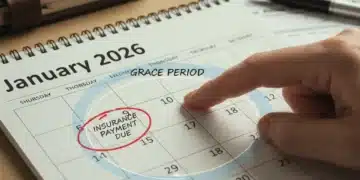
At its core, an insurance grace period is a specified amount of time after your premium payment due date during which your coverage remains active, even if you haven’t yet made the payment. It’s essentially a temporary extension granted by your insurance provider. The length of this period can vary significantly depending on the type of insurance, the specific policy, and even state regulations. Typically, grace periods can range from a few days to a month or more.
During the grace period, your insurance policy is still considered ‘in force.’ This means that if an insured event occurs (e.g., an accident, illness, property damage) within this timeframe, your claim will generally still be processed and paid, assuming all other policy conditions are met. This is a critical distinction, as without a grace period, a single late payment could immediately terminate your coverage, leaving you exposed to significant financial risk.
The primary purpose of an insurance grace period is to provide policyholders with a safety net. Life can be unpredictable, and sometimes, due to unforeseen circumstances like a forgotten due date, a temporary financial crunch, or a simple administrative oversight, a payment might be delayed. The grace period acknowledges these realities, offering a window to rectify the situation without immediate severe consequences.
It’s important to note that while your coverage remains active, the payment is still outstanding. If the payment is not made by the end of the grace period, your policy will likely lapse. A lapsed policy is one that is no longer in effect, and any claims made after the lapse date will be denied. Reinstating a lapsed policy can be a complicated and sometimes costly process, often requiring new applications, health examinations, and potentially higher premiums.
Why Understanding Your Grace Period is Crucial for 2026
As we plan for 2026, financial vigilance and proactive management of your insurance policies are paramount. Economic shifts, changes in personal circumstances, or even simple oversight can lead to missed payments. Understanding your insurance grace period is not just about avoiding a lapse; it’s about maintaining continuous protection and financial stability.
Consider the potential repercussions of a lapsed policy: If your health insurance lapses, an unexpected medical emergency could lead to exorbitant out-of-pocket expenses. If your auto insurance lapses, you could face legal penalties, fines, and be personally liable for damages in the event of an accident. A lapsed homeowners insurance policy leaves your most significant asset unprotected against fire, theft, or natural disasters.
Moreover, reinstating a lapsed policy isn’t always guaranteed or straightforward. For life insurance, you might need to undergo a new medical examination, and your age and health status might lead to higher premiums than before. For other types of insurance, you might face a waiting period before new coverage becomes effective, leaving a gap in your protection. Some insurers might even consider you a higher risk after a lapse, impacting your future insurability and premium rates.
By being aware of your grace period, you empower yourself to act swiftly if a payment is missed. It provides you with the time to rectify the situation, get your finances in order, and ensure your coverage remains uninterrupted. This proactive approach is a cornerstone of sound financial planning and risk management, especially as we look ahead to the financial landscape of 2026.
Grace Periods Across Different Insurance Types
While the fundamental concept of an insurance grace period is consistent, its application and specific terms can vary significantly depending on the type of insurance policy. Let’s explore how grace periods typically function across common insurance categories:
Life Insurance Grace Periods
Life insurance policies almost universally include a grace period, often mandated by state law. This period is typically 30 or 31 days from the premium due date. During this time, if the insured passes away, the death benefit will still be paid to the beneficiaries, minus any unpaid premium. If the premium is not paid by the end of the grace period, the policy will lapse, and the coverage will terminate. Reinstatement usually requires a new application, evidence of insurability (e.g., medical exams), and payment of all overdue premiums with interest.
Health Insurance Grace Periods
For health insurance policies, especially those purchased through the Affordable Care Act (ACA) marketplaces, the grace period can be more complex. If you receive a subsidy (premium tax credit), your grace period is typically 90 days. During the first month of this 90-day period, your insurer must pay for services received. However, for the second and third months, the insurer can hold payment for any services until all outstanding premiums are paid. If you don’t receive a subsidy, the grace period is usually shorter, often around 30 days, and insurers are not obligated to pay claims during this time if the premium remains unpaid. Understanding these nuances is vital to avoid unexpected medical bills.
Auto Insurance Grace Periods
Unlike life and health insurance, auto insurance grace periods are not universally mandated by state law, and their existence and length depend entirely on the individual insurer and policy terms. Some auto insurers offer a grace period of 7 to 30 days, while others might offer none at all. If you miss a payment and cause an accident after your due date but within a grace period, your policy should still cover the damages. However, if your policy lapses due to non-payment, you could face significant legal and financial consequences, including fines, license suspension, and being uninsured in an accident.
Homeowners Insurance Grace Periods
Similar to auto insurance, homeowners insurance grace periods are not standardized and vary by insurer. Many providers offer a grace period, typically ranging from 10 to 30 days, allowing homeowners to make a late payment without immediately losing coverage. However, if a claim arises during this period and the premium is still unpaid, the insurer might delay payment until the premium is settled. A lapsed homeowners policy leaves your home and belongings vulnerable to damage, theft, and liability claims, which can be financially devastating.
Other Insurance Types
Other insurance types, such as disability insurance, long-term care insurance, and business insurance, also typically include grace periods, the specifics of which will be detailed in your policy documents. Always consult your policy or contact your insurer directly to confirm the exact terms of your insurance grace period for each type of coverage you hold.

Common Misconceptions About Grace Periods
Despite their importance, grace periods are often misunderstood, leading to potentially costly errors. Dispelling these myths is crucial for effective policy management.
Misconception 1: A Grace Period Means You Don’t Have to Pay
This is perhaps the most dangerous misconception. A grace period is not a ‘free’ period. It’s a temporary extension for payment, not an exemption. You are still obligated to pay the premium. If you fail to pay by the end of the grace period, your policy will lapse, and you will lose coverage.
Misconception 2: All Grace Periods Are the Same Length
As discussed, the length of a grace period varies significantly by insurance type, insurer, and state regulations. Assuming a universal 30-day grace period for all your policies could leave you unprotected if one of your policies has a shorter window, such as 7 or 10 days.
Misconception 3: You Can Always Reinstate a Lapsed Policy Easily
While reinstatement is often possible, it’s rarely ‘easy.’ It can involve a new application process, providing evidence of insurability (which might include medical exams for life or health insurance), and paying all overdue premiums, often with interest. In some cases, especially after a long lapse or if your health has deteriorated, reinstatement might be denied, forcing you to apply for a new, potentially more expensive policy.
Misconception 4: Your Coverage is Unaffected During the Grace Period
For most policies (like life insurance), coverage remains fully in force during the grace period. However, for some health insurance plans (especially those with subsidies), claims might be held or denied for services received during the latter part of the grace period if the premium remains unpaid. Always check your specific policy documents for these critical details.
Misconception 5: Your Insurer Will Always Remind You Before the Grace Period Ends
While many insurers send payment reminders, you cannot solely rely on them. Technical glitches, mail delays, or changes in contact information can prevent you from receiving these notices. It is ultimately the policyholder’s responsibility to know their payment due dates and grace period deadlines.
How to Avoid Policy Lapses and Maximize Your Grace Period Benefits
Proactive management is key to preventing policy lapses and ensuring you always benefit from your insurance grace period when needed. Here are actionable strategies:
1. Know Your Policy Inside and Out
The most important step is to read and understand your policy documents. Locate the section on ‘premium payments’ or ‘grace period’ to know the exact duration and conditions. If anything is unclear, contact your insurance agent or provider for clarification. Don’t assume; verify.
2. Set Up Payment Reminders
Don’t rely solely on your insurer’s reminders. Set up your own automated reminders through your calendar, smartphone, or banking app a few days before the due date and a few days before the grace period ends. This creates multiple layers of protection against forgetfulness.
3. Automate Your Payments
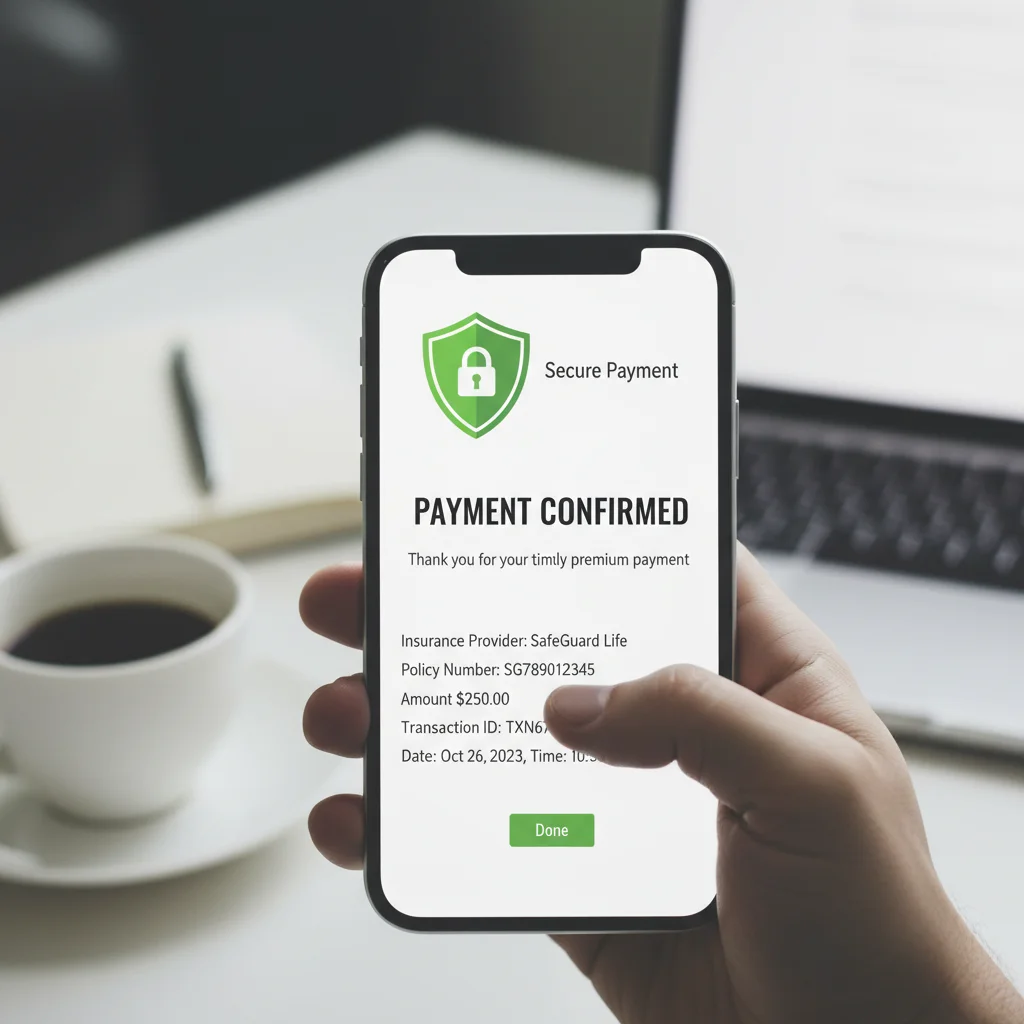
The easiest way to avoid missing a payment is to set up automatic payments directly from your bank account or credit card. Most insurers offer this option, and it ensures your premiums are paid on time, every time, eliminating the risk of human error. Just remember to ensure sufficient funds are available.
4. Keep Your Contact Information Updated
Ensure your insurance provider always has your current mailing address, email address, and phone number. This way, you’ll receive any notices about upcoming payments, missed payments, or policy changes promptly.
5. Build an Emergency Fund
A personal emergency fund can be a lifeline if you face unexpected financial hardship. Having a reserve of funds can help you cover an insurance premium during a tough month, allowing you to utilize the grace period effectively without risking a lapse.
6. Communicate with Your Insurer
If you anticipate difficulty making a payment, don’t wait until the last minute. Contact your insurer as soon as possible. They might be able to offer alternative payment arrangements, temporary premium adjustments, or discuss other options to prevent a lapse. Open communication can often lead to a solution.
7. Consolidate or Review Policies
If you have multiple policies with different due dates, consider consolidating them with one provider if possible, or aligning payment dates to simplify management. Regularly review your policies to ensure they still meet your needs and budget. Sometimes, adjusting coverage levels can make premiums more manageable.
The Difference Between Grace Period and Policy Reinstatement
It’s crucial to distinguish between an insurance grace period and policy reinstatement, as they address different stages of a payment issue.
Grace Period: Prevention
The grace period is a preventative measure. It’s the window during which your policy is still active despite a missed payment, allowing you to catch up without any interruption in coverage. If you pay within the grace period, your policy is considered to have been continuously in force, and no lapse occurred.
Policy Reinstatement: Recovery
Policy reinstatement, on the other hand, is a recovery process. It occurs after the grace period has ended and your policy has officially lapsed. Reinstatement means bringing a terminated policy back into force. This process is often more complex and may involve:
- Application for Reinstatement: You typically need to submit a formal request.
- Evidence of Insurability: For life and health policies, you might need to prove you’re still a good risk, often through medical exams or health questionnaires. If your health has declined, reinstatement might be denied, or you might face higher premiums.
- Payment of Arrears: You’ll usually need to pay all missed premiums, often with interest, dating back to the original due date.
- Waiting Periods: Some reinstated policies might have new waiting periods before certain benefits become active again.
- New Policy Terms: In some cases, the reinstated policy might come with new terms, conditions, or higher premiums, especially if your risk profile has changed.
While reinstatement offers a second chance, it’s always preferable to avoid a lapse altogether by utilizing the insurance grace period effectively. Reinstatement can be more expensive, time-consuming, and there’s no guarantee it will be approved.
Regulatory Aspects and State Variations for Grace Periods
The rules governing insurance grace periods are not uniform across the United States. They are heavily influenced by state insurance departments and regulations. This is why a grace period for a specific type of policy might be 30 days in one state and 31 days in another, or why certain types of insurance might have mandated grace periods in some states but not in others.
For example, life insurance policies generally have statutorily mandated grace periods of 30 or 31 days in most states. Health insurance policies under the ACA also have specific grace period rules, particularly for those receiving premium subsidies. However, for policies like auto or homeowners insurance, the existence and length of a grace period are more often determined by the insurer’s internal policies and state-specific consumer protection laws, which may or may not explicitly mandate them.
It is crucial for policyholders to be aware that their rights and the specific terms of their grace period are tied to the state in which their policy was issued or where they reside. If you move to a new state or purchase a policy from an insurer licensed in a different state, the grace period rules could change. Always consult your policy documents and, if in doubt, contact your state’s Department of Insurance or your insurance provider to understand the specific regulations that apply to your coverage.
The Bottom Line: Don’t Underestimate the Insurance Grace Period
The insurance grace period is a powerful but often overlooked feature of your insurance policies. It serves as a critical safety net, providing a vital window to prevent a lapse in coverage due to a missed payment. As we navigate the financial complexities of 2026 and beyond, understanding and effectively managing your grace periods will be instrumental in maintaining uninterrupted protection.
Never view the grace period as an excuse to delay payments. Instead, see it as a last line of defense against the significant risks and financial burdens associated with a lapsed policy. By knowing your policy terms, setting up reminders, automating payments, and communicating proactively with your insurer, you can leverage this benefit to your advantage and ensure your insurance coverage remains steadfast, protecting you and your loved ones from life’s unexpected turns.
Take the time today to review all your insurance policies. Confirm the premium due dates and, most importantly, understand the specific terms of your insurance grace period for each one. This small investment of time can save you from immense stress, financial loss, and the headache of policy reinstatement in the future. Stay informed, stay protected, and ensure your 2026 is marked by continuous peace of mind.