ACV vs. RCV: Understanding Your 2026 Insurance Claim Payouts
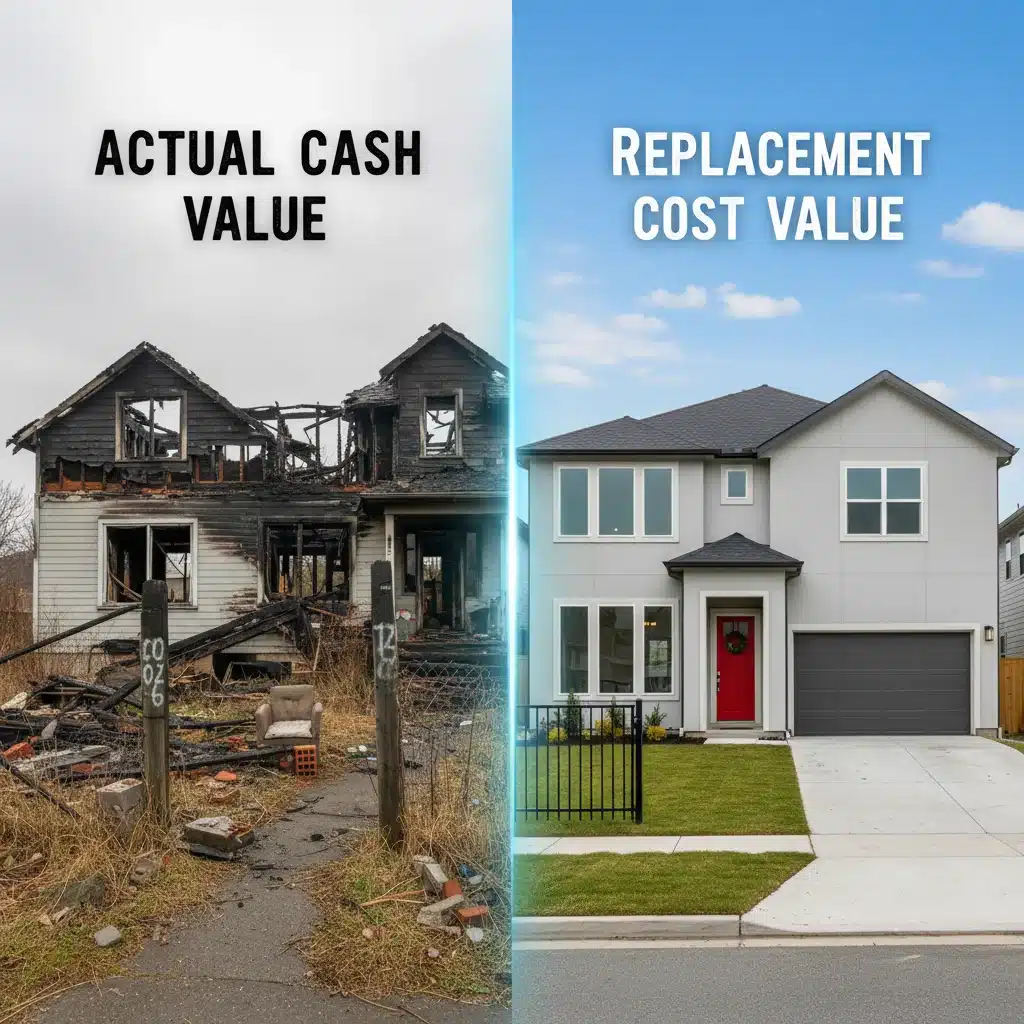
ACV vs. RCV: A 2026 Guide to Maximizing Your Insurance Claim Payouts
Navigating the often-complex world of insurance claims can be daunting, especially when your home or property has suffered damage. One of the most critical distinctions you’ll encounter when filing a claim is the difference between Actual Cash Value (ACV) and Replacement Cost Value (RCV). These two terms significantly impact the amount of money you receive from your insurer to repair or replace damaged property. As we move further into 2026, understanding these nuances is more important than ever, given evolving market conditions, construction costs, and insurance policies.
This comprehensive guide will break down what ACV and RCV mean, how they are calculated, their implications for your insurance payout, and what you need to consider when choosing between policies. By the end of this article, you’ll be equipped with the knowledge to make informed decisions, ensuring you get the most out of your insurance coverage when disaster strikes.
The Core Difference: ACV vs RCV Explained
At its heart, the distinction between ACV and RCV lies in how depreciation is factored into your claim payout. Depreciation, in simple terms, is the decrease in value of an asset over time due to wear and tear, age, or obsolescence. This concept is central to understanding why your payout might vary significantly depending on your policy type.
What is Actual Cash Value (ACV)?
Actual Cash Value (ACV) is a method of valuation that pays you the cost to replace your damaged property minus depreciation. Think of it this way: if your 10-year-old roof is damaged, an ACV policy would pay you what that 10-year-old roof was worth just before the damage occurred, not the cost to install a brand-new roof today. The formula is generally accepted as:
ACV = Replacement Cost - Depreciation
The replacement cost here refers to the current cost to replace the item with a new one of similar kind and quality. Depreciation is then calculated based on factors like the item’s age, expected lifespan, and condition. For instance, if a new roof costs $20,000 and has an expected lifespan of 20 years, and your damaged roof was 10 years old, the depreciation might be calculated as 50% of its value (assuming linear depreciation). In this scenario, your ACV payout for the roof would be around $10,000.
ACV policies typically have lower premiums because the insurer is taking on less risk. They are only responsible for paying the depreciated value of your property, which is often less than the cost of a new replacement. While this can seem appealing on the surface due to lower monthly costs, it’s crucial to understand the potential financial gap you might face when filing a claim.
What is Replacement Cost Value (RCV)?
Replacement Cost Value (RCV), on the other hand, is designed to cover the cost of replacing your damaged property with new property of similar kind and quality, without any deduction for depreciation. In essence, an RCV policy aims to put you back in the same financial position you were in before the loss, allowing you to replace old items with new ones.
With an RCV policy, if your 10-year-old roof is damaged, the insurer would pay you the full cost to install a brand-new roof, up to the policy limits. This means if a new roof costs $20,000, your RCV payout would be $20,000 (minus your deductible, of course).
RCV policies generally come with higher premiums than ACV policies. This is because the insurer assumes a greater financial responsibility, covering the full cost of replacement regardless of the item’s age or condition. For many homeowners, the peace of mind and financial security offered by an RCV policy outweigh the higher premium costs, especially when facing significant property damage.
How Depreciation is Calculated in 2026
Understanding how depreciation is calculated is key to grasping the difference between ACV and RCV. While the basic principle remains constant, the specific methods and factors considered by insurance companies can vary. In 2026, insurers continue to refine their depreciation models, often incorporating advanced data analytics and actuarial science to determine fair values.
Common factors influencing depreciation include:
- Age of the Item: The older an item, the more it has depreciated.
- Expected Lifespan: Different materials and items have different expected lifespans. For example, a roof might have a 20-year lifespan, while an appliance might only have 10 years.
- Condition Before Loss: If an item was already in poor condition, its depreciated value would be lower.
- Maintenance Records: Evidence of regular maintenance can sometimes reduce the depreciation applied.
- Obsolescence: If an item is outdated or no longer produced, its value might depreciate faster.
- Market Conditions: The current market for similar used items can also play a role.
For ACV claims, the insurer will assess these factors to determine the functional utility of the item at the time of loss. It’s not just about age; it’s about what the item was *worth* in its pre-loss condition.
For RCV policies, while depreciation is initially factored into the payout (often an initial ACV payment followed by a depreciation holdback), the ultimate goal is to pay out the full replacement cost once the repairs or replacements are completed. This process typically involves two payments:
- Initial ACV Payment: The insurer first pays you the Actual Cash Value of the damaged property. This allows you to begin repairs or replacements.
- Depreciation Holdback (Second Payment): Once you submit proof that the repairs or replacements have been completed (e.g., invoices, receipts), the insurer will pay you the depreciation amount that was initially withheld, up to the policy limits.
This two-payment system for RCV policies ensures that you are incentivized to actually replace the damaged property, rather than pocketing the full replacement cost and not making the necessary repairs.
Why Your Choice Between ACV and RCV Matters for 2026 Claims
The choice between an ACV and RCV policy has significant financial implications, especially in the current economic climate of 2026. Construction costs, material prices, and labor expenses can fluctuate, making the gap between ACV and RCV payouts even wider.
Financial Burden and Out-of-Pocket Expenses
With an ACV policy, you will almost certainly face significant out-of-pocket expenses. The depreciated value you receive will rarely be enough to purchase a brand-new replacement. This means you will need to cover the difference yourself. For large losses, such as a damaged roof or extensive interior damage, this difference can amount to thousands, or even tens of thousands, of dollars. For many homeowners, this unexpected financial burden can be crippling.
Consider the example of a 15-year-old furnace damaged beyond repair. If a new furnace costs $5,000, but its ACV is only $1,500 due to depreciation, you would need to come up with $3,500 out of your own pocket. This can be a substantial amount, especially if you also have a deductible to pay.
An RCV policy, while having higher premiums, offers greater financial protection. By covering the full replacement cost, it minimizes your out-of-pocket expenses beyond your deductible, allowing you to restore your property without significant personal financial strain.
Eligibility and Property Age
It’s important to note that not all properties or items are eligible for RCV coverage. Older homes, for instance, may only qualify for ACV coverage due to the increased risk for insurers. Some policies might offer RCV for certain items (like contents) but ACV for others (like the roof). Always review your policy details carefully to understand what is covered under each valuation method.
Moreover, insurers may impose age limits on certain components. For example, a roof older than 20 years might automatically be subject to ACV valuation, even if the rest of the dwelling has RCV coverage. This is a crucial detail to verify with your insurance provider, especially if you live in an older home or have older components within your property.
The Impact of Inflation and Supply Chain Issues in 2026
The economic landscape of 2026, characterized by potential inflation and ongoing supply chain challenges, further amplifies the importance of RCV coverage. The cost of building materials, labor, and even household goods can increase rapidly. If you have an ACV policy, the depreciated value you receive might be based on older pricing, leaving a larger gap between your payout and the actual cost of replacement in today’s market.
RCV policies, by contrast, are designed to keep pace with current replacement costs, offering a buffer against these economic fluctuations. This means that even if the cost of rebuilding or replacing has increased since you purchased your policy, an RCV policy will generally cover the most up-to-date costs, up to your policy limits.

Understanding Your Insurance Policy: Key Considerations
The best way to ensure you’re adequately covered is to thoroughly understand your insurance policy. Don’t wait until disaster strikes to find out what kind of coverage you have. Here are some key considerations:
Review Your Declarations Page
Your insurance policy’s declarations page is a summary of your coverage. It should clearly state whether your dwelling, personal property, and other structures are covered on an ACV or RCV basis. If it’s not clear, contact your agent immediately for clarification. This page is your quick reference for the specifics of your coverage.
Read the Fine Print
While the declarations page provides an overview, the actual policy document contains all the details. Pay close attention to sections defining ‘Actual Cash Value’ and ‘Replacement Cost Value,’ as well as any clauses related to depreciation, age limits, or specific exclusions. Understanding the exact wording used by your insurer can prevent misunderstandings during a claim.
Understand Your Deductible
Regardless of whether you have ACV or RCV coverage, your deductible will apply. This is the amount you pay out-of-pocket before your insurance coverage kicks in. A higher deductible typically means lower premiums, but it also means a larger upfront cost during a claim. Factor your deductible into your financial planning for potential losses.
Consider Policy Limits
Both ACV and RCV payouts are subject to your policy limits. This is the maximum amount your insurer will pay for a covered loss. Ensure your policy limits are sufficient to rebuild your home or replace your belongings. Regularly review and adjust these limits, especially if you’ve made significant improvements to your home or if local construction costs have increased.
Extended Replacement Cost and Guaranteed Replacement Cost
Some RCV policies offer additional endorsements that can provide even greater protection:
- Extended Replacement Cost: This endorsement provides an additional percentage (e.g., 20-25%) above your dwelling coverage limit. This is particularly valuable in situations where rebuilding costs unexpectedly surge due to widespread disasters or rapid inflation.
- Guaranteed Replacement Cost: This is the highest level of coverage, promising to pay the full cost to rebuild your home, even if it exceeds your policy limits. However, this endorsement is becoming increasingly rare and often comes with strict underwriting requirements.
Discuss these options with your insurance agent to see if they are available and suitable for your needs in 2026.
Navigating the ACV to RCV Claim Process
If you have an RCV policy, the claim process typically involves two stages, as mentioned earlier. Here’s a more detailed look at what to expect:
Step 1: Initial ACV Payout
After you file a claim and your adjuster assesses the damage, the insurer will usually issue an initial payment based on the Actual Cash Value of the damaged items. This payment will subtract your deductible and any applicable depreciation. This initial sum is intended to help you start the repair or replacement process.
Step 2: Completing Repairs/Replacements
Once you receive the initial ACV payment, it’s your responsibility to proceed with the necessary repairs or replacements. It is crucial to keep detailed records, including invoices, receipts, and photographs of the work being done. These documents will serve as proof of expenditure when you claim the depreciation holdback.
Many homeowners find themselves in a challenging position at this stage, as the ACV payment might not be enough to cover the immediate costs of replacement. This is where having an emergency fund or access to temporary financing can be extremely helpful.
Step 3: Claiming the Depreciation Holdback (Second Payment)
After the repairs or replacements are completed and you have paid for them, you will submit your documentation (invoices, receipts) to your insurance company. The insurer will then review these documents and, if everything is in order, issue a second payment, which is the depreciation amount that was initially withheld. This second payment, combined with your initial ACV payment, should cover the full replacement cost (minus your deductible and up to your policy limits).
It’s important to understand that there’s typically a time limit for claiming the depreciation holdback, often 180 days to two years from the date of loss. Missing this deadline could mean forfeiting the depreciation amount, so be sure to complete your repairs and submit your documentation promptly.
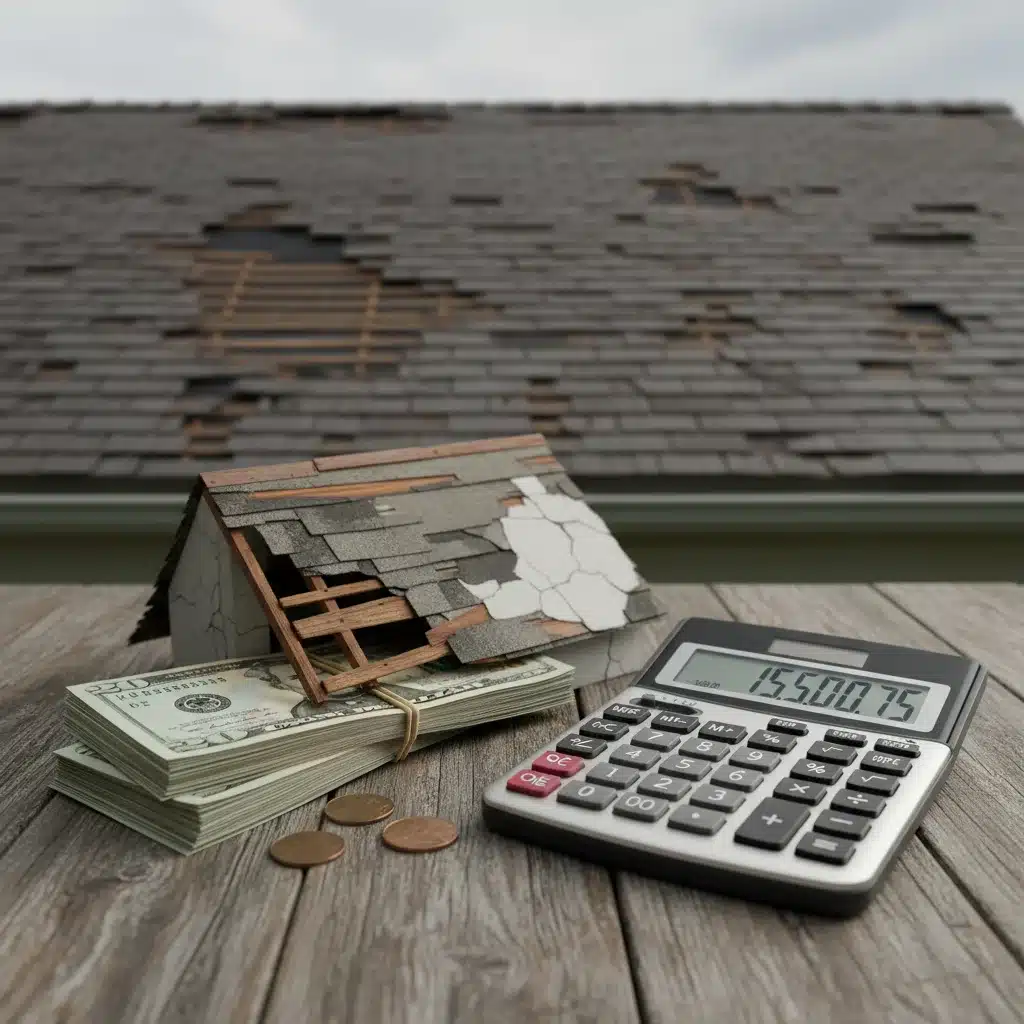
When is ACV Coverage More Appropriate?
While RCV coverage is generally recommended for most homeowners due to its comprehensive protection, there are specific situations where ACV coverage might be more appropriate or the only option available:
- Older Homes or Components: If your home is very old, or if certain components (like the roof) are beyond their expected lifespan, insurers may only offer ACV coverage. The risk of total loss or frequent claims on very old structures makes RCV coverage prohibitively expensive or unavailable.
- Limited Budget: If you are on a very tight budget and the higher premiums of an RCV policy are simply unaffordable, an ACV policy can provide some level of coverage, albeit with greater out-of-pocket expenses during a claim. It’s better to have some coverage than none at all.
- Secondary Properties/Less Valued Items: For certain secondary properties (e.g., a rarely used shed) or less valuable personal property, an ACV policy might be a reasonable compromise. The financial impact of replacing these items might be manageable even with depreciation factored in.
- Specific Personal Property: Some items, particularly those with rapidly declining value (e.g., certain electronics), might be more practically covered by ACV. However, for most personal property, RCV provides better protection.
Even in these scenarios, it’s crucial to understand the financial implications of an ACV policy and to be prepared for the potential out-of-pocket costs.
Making the Right Choice for Your 2026 Insurance Needs
Choosing between ACV and RCV coverage is a critical decision that impacts your financial security after a loss. While RCV policies come with higher premiums, they offer significantly better protection by covering the full cost of replacement without deducting for depreciation. This can save you thousands of dollars and immense stress when rebuilding your life after damage or disaster.
Here’s a quick summary to help you decide:
- Opt for RCV if: You want to replace damaged items with new ones, minimize out-of-pocket expenses, and protect against rising construction costs and inflation. This is generally the recommended option for most homeowners.
- Consider ACV if: You have a very tight budget, your property or specific components are very old and RCV is unavailable, or you are comfortable with covering a significant portion of replacement costs yourself.
In 2026, with the dynamic nature of the economy and construction industry, having robust insurance coverage is paramount. Don’t hesitate to sit down with a trusted insurance agent to review your current policy. Discuss your specific needs, the age and condition of your home, and your budget. An agent can help you understand the precise terms of your policy, explain any available endorsements (like extended or guaranteed replacement cost), and guide you toward the coverage that best protects your assets.
Remember, insurance is not just a regulatory requirement; it’s a financial safety net. Understanding the difference between Actual Cash Value and Replacement Cost Value is a fundamental step toward ensuring that net is strong enough to catch you when you need it most. Be proactive, stay informed, and secure the coverage that provides true peace of mind for your home and future.