Understanding Insurance Perils 2026: Your Essential Guide to Covered Events
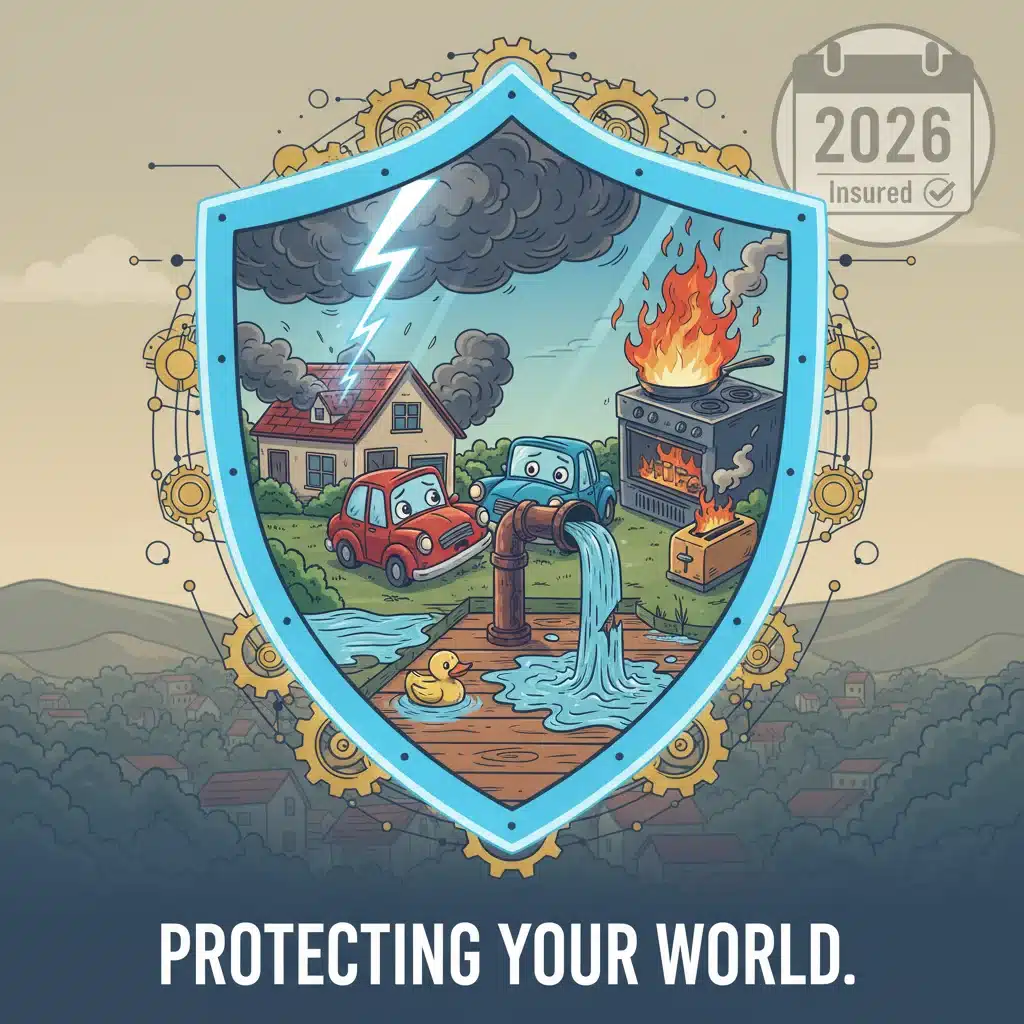
In the dynamic world of insurance, understanding what constitutes a ‘peril’ is not just academic; it’s fundamental to safeguarding your assets, your livelihood, and your peace of mind. As we approach 2026, the landscape of risks continues to evolve, making it more crucial than ever to grasp the intricacies of your insurance policy. This comprehensive guide is designed to demystify insurance perils 2026, helping you navigate the fine print and ensure you’re adequately protected against the unexpected.
An insurance peril, in its simplest definition, is an event or circumstance that causes a loss. These are the specific causes of damage or loss that your insurance policy is designed to protect you against. From natural disasters to human-made accidents, the range of potential perils is vast. However, not all perils are created equal in the eyes of an insurance provider, and understanding these distinctions is key to maximizing your coverage.
This article will delve into the various types of perils, differentiate between ‘named perils’ and ‘open perils’ policies, and shed light on common exclusions you need to be aware of. We’ll also explore how global trends and emerging risks might shape insurance perils 2026, offering insights into what you should consider when reviewing or purchasing new policies. By the end of this read, you’ll be equipped with the knowledge to make informed decisions, ensuring your insurance coverage truly serves its purpose.
What Exactly is an Insurance Peril?
The term ‘peril’ is central to every insurance contract. It refers to the specific event or cause of loss that your insurance policy covers. Think of it as the ‘what happened’ that led to the damage or destruction of your insured property. Without a defined peril, there’s no claim. For instance, if your house burns down, fire is the peril. If your car is damaged in a collision, collision is the peril. Understanding these fundamental concepts is the first step in comprehending your insurance perils 2026 coverage.
Defining Covered Events: Named Perils vs. Open Perils Policies
When it comes to the scope of coverage for perils, insurance policies typically fall into one of two main categories: named perils or open perils (also known as ‘all-risk’ or ‘all perils’) policies. The distinction between these two is critical, as it dictates what events your insurer is obligated to cover.
Named Perils Policies
A named perils policy is exactly what it sounds like: it explicitly lists the perils for which you are covered. If an event occurs that is not on this list, it is not covered. This type of policy places the burden of proof on the policyholder to demonstrate that the loss was caused by one of the listed perils. Common named perils often include:
- Fire and lightning
- Windstorm and hail
- Explosion
- Riot or civil commotion
- Aircraft or vehicle damage
- Vandalism and malicious mischief
- Theft
- Falling objects
- Weight of ice, snow, or sleet
- Accidental discharge or overflow of water or steam
- Sudden and accidental tearing apart, cracking, burning, or bulging of a heating, air conditioning, or automatic fire protective sprinkler system, or of an appliance for heating water
- Freezing of plumbing, heating, air conditioning, or automatic fire protective sprinkler systems, or of household appliances
- Sudden and accidental damage from artificially generated electrical current
While named perils policies are often more affordable due to their limited scope, it’s vital to carefully review the list to ensure it aligns with your potential risks. For insurance perils 2026, it’s worth considering if any new, emerging risks should be added to such a list, or if an open perils policy might be a safer bet.
Open Perils Policies (All-Risk)
In contrast, an open perils policy provides coverage for all perils unless they are specifically excluded in the policy language. This means if a peril isn’t explicitly listed as an exclusion, it’s covered. This type of policy places the burden of proof on the insurer to demonstrate that the loss was caused by an excluded peril. Open perils policies generally offer broader protection and are often preferred for peace of mind, though they typically come with a higher premium.
Common exclusions in an open perils policy often include:
- Flood
- Earthquake
- War
- Nuclear hazard
- Ordinance or law
- Governmental action
- Power failure
- Neglect
- Intentional loss
- Mold, fungi, or wet rot (though some policies offer limited coverage)
- Wear and tear, deterioration
- Mechanical breakdown
Understanding these exclusions is just as important as knowing what’s covered. For insurance perils 2026, pay close attention to any new or updated exclusions, especially those related to climate change or cyber risks, as these areas are seeing rapid shifts in coverage.
Common Perils Covered in 2026 Insurance Policies
While specific coverage varies by policy type and provider, several perils are almost universally addressed in standard insurance policies. These form the backbone of most property and casualty insurance products. Let’s explore some of the most common insurance perils 2026 policies are likely to cover:
Natural Disasters
- Fire and Lightning: One of the oldest and most fundamental perils covered. This includes damage from the fire itself, smoke, and efforts to extinguish the fire. Lightning strikes are typically covered as a separate, but related, peril.
- Windstorm and Hail: Damage caused by high winds, hurricanes, tornadoes, and hailstorms to roofs, windows, and other structures.
- Weight of Ice, Snow, or Sleet: Damage resulting from the accumulation of heavy snow, ice, or sleet on roofs or other structures, leading to collapse or other structural damage.
- Volcanic Eruption: While less common in many regions, policies in volcanic areas will typically cover damage from volcanic ash, dust, and lava flow.
Man-Made Perils
- Theft: Loss or damage to property due to burglary or robbery. This often includes damage caused during the commission of the theft.
- Vandalism and Malicious Mischief: Intentional damage to property by someone other than the insured.
- Explosion: Damage caused by explosions, which can range from gas leaks to industrial accidents.
- Riot or Civil Commotion: Damage to property resulting from civil unrest, protests, or riots.
- Aircraft or Vehicle Damage: Damage to your property caused by an aircraft or a vehicle (not owned or operated by you) crashing into it.
Water-Related Perils (Specific Types)
- Accidental Discharge or Overflow of Water or Steam: This typically covers damage from burst pipes, overflowing appliances (like washing machines or dishwashers), or heating/cooling systems. It’s crucial to distinguish this from flood damage, which is usually excluded.
- Freezing of Plumbing: Damage caused by pipes freezing and bursting in cold weather, provided you have taken reasonable steps to maintain heat in the building.
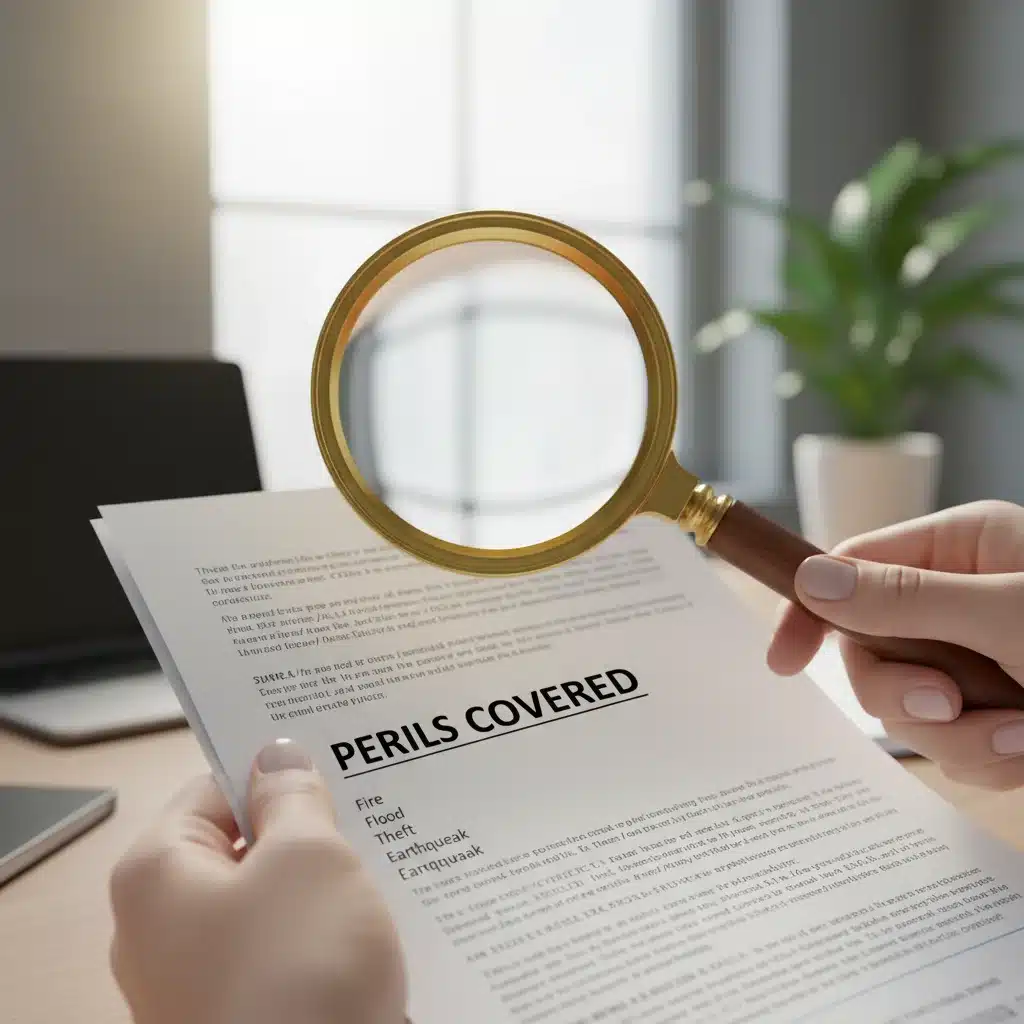
Understanding Exclusions: What Your Policy Won’t Cover in 2026
Just as important as knowing what’s covered is understanding what isn’t. Exclusions are specific events or types of damage that your insurance policy will not cover. These are often listed in a separate section of your policy document. Ignoring these can lead to significant financial distress when a claim is denied. For insurance perils 2026, paying close attention to these exclusions is paramount, as new risks may lead to updated or expanded exclusion lists.
Common Exclusions Across Policy Types
- Flood: This is arguably the most common and significant exclusion in standard homeowner’s policies. Flood damage, caused by overflowing bodies of water, heavy rainfall, or storm surge, typically requires a separate flood insurance policy (often through the National Flood Insurance Program in the U.S.).
- Earthquake: Similar to flood, earthquake damage is usually excluded from standard policies and requires a separate earthquake insurance policy or endorsement.
- War and Nuclear Hazard: Damage resulting from acts of war, rebellion, or nuclear incidents is almost universally excluded due to the catastrophic and widespread nature of such events.
- Ordinance or Law: This exclusion refers to the increased cost of repairs or reconstruction due to new building codes or ordinances enacted after the damage occurred. Some policies offer limited coverage for this through an endorsement.
- Governmental Action: Damage caused by actions taken by governmental bodies, such as seizure or destruction of property.
- Power Failure: Damage resulting from a power failure that originates off the insured premises, unless the power failure causes a covered peril on the premises (e.g., a power surge causes a fire).
- Neglect: If you fail to take reasonable steps to protect your property from further damage after a loss, or if the loss is a direct result of long-term neglect or lack of maintenance, it may be excluded.
- Intentional Loss: Any loss caused intentionally by you or a member of your household is not covered.
- Wear and Tear, Deterioration, and Latent Defects: Insurance is designed to cover sudden and accidental losses, not gradual damage from aging, lack of maintenance, or inherent defects in materials or construction.
- Mold, Fungi, or Wet Rot: While some policies offer limited coverage for mold when it results from a covered peril (like a burst pipe), extensive mold growth due to long-term moisture issues or neglect is often excluded.
- Pest Infestation: Damage caused by insects, rodents, or other animals is typically not covered.
Emerging Exclusions and Considerations for 2026
As the world changes, so too do the risks we face. For insurance perils 2026, it’s especially important to consider how emerging threats might influence policy exclusions:
- Cyber Attacks: While more prevalent in business insurance, personal cyber insurance is a growing area. Standard property policies typically do not cover losses from cyber attacks or data breaches.
- Climate Change-Related Perils: Insurers are constantly re-evaluating risks associated with climate change. This could lead to stricter definitions or new exclusions for certain weather-related events in high-risk areas, or increased premiums for such coverage.
- Pandemics/Communicable Diseases: The COVID-19 pandemic highlighted significant gaps in business interruption insurance. While less direct for personal property, the language around communicable diseases in policies may be tightened or clarified.
Maximizing Your Protection: Beyond Standard Perils
Understanding the basic insurance perils 2026 covered by your policy is a great start, but true protection often requires a more proactive approach. Here’s how you can go beyond the standard and ensure comprehensive coverage:
Reviewing Your Policy Regularly
Insurance policies are not ‘set it and forget it’ documents. Your needs and the risks you face change over time. It’s advisable to review your policy annually, or whenever significant life events occur (e.g., major home renovations, purchasing valuable items, changes in local climate patterns). Pay close attention to the sections on ‘Perils Covered’ and ‘Exclusions.’
Considering Endorsements and Riders
If your standard policy excludes a peril you’re concerned about, you might be able to add coverage through an endorsement or rider. These are amendments to your policy that add or modify coverage. Common endorsements include:
- Earthquake Endorsement: Adds coverage for earthquake damage.
- Sewer Backup/Sump Pump Overflow Endorsement: Covers damage from water backing up through sewers or drains, or from a sump pump failure. This is often a separate add-on, as it’s typically excluded from standard policies.
- Scheduled Personal Property Endorsement: Provides broader coverage for high-value items like jewelry, art, or collectibles, often covering perils like mysterious disappearance that standard policies might not.
- Extended Replacement Cost/Guaranteed Replacement Cost: In an era of rising construction costs, these endorsements can be crucial. They provide additional funds beyond your dwelling coverage limit to rebuild your home after a total loss, accounting for potential increases in material and labor costs.
Bundling Policies for Broader Coverage
Many insurers offer discounts for bundling multiple policies (e.g., home and auto). Beyond the savings, bundling can sometimes simplify claims processes and ensure consistent coverage across different assets, reducing potential gaps in your insurance perils 2026 protection.
Understanding Deductibles and Limits
Even with comprehensive peril coverage, your deductible (the amount you pay out-of-pocket before insurance kicks in) and policy limits (the maximum amount your insurer will pay for a covered loss) play a significant role. Higher deductibles typically mean lower premiums but more out-of-pocket expense during a claim. Ensure your limits are adequate to fully replace or repair your property in today’s market.
The Impact of Global Trends on Insurance Perils 2026
The world is constantly changing, and these changes inevitably influence the insurance industry. For insurance perils 2026, several global trends are expected to have a significant impact:
Climate Change and Extreme Weather Events
The increasing frequency and intensity of extreme weather events (hurricanes, wildfires, floods, severe droughts) are perhaps the most significant drivers of change in the insurance market. Insurers are adjusting risk models, raising premiums in high-risk areas, and in some cases, withdrawing coverage or making certain perils harder to insure. Understanding your local climate risks and how they might affect your insurance perils 2026 coverage is crucial.
Technological Advancements and Cyber Risks
While technology offers convenience, it also introduces new vulnerabilities. Smart homes, interconnected devices, and increased reliance on digital systems mean new forms of perils, such as cyber intrusion leading to system failure or data theft. While these are more often business concerns, personal cyber insurance is becoming a more relevant consideration for homeowners.
Economic Volatility and Inflation
Inflation affects the cost of materials and labor for repairs and rebuilding. This means that dwelling coverage limits that were adequate a few years ago might be insufficient in 2026. Regularly reviewing your policy limits to ensure they reflect current replacement costs is vital to avoid being underinsured.
Social and Political Landscape
Changes in social and political climates can influence perils like riot, civil commotion, or even new legislative actions that impact property rights or environmental regulations, potentially affecting coverage or exclusions.

Proactive Steps for Your 2026 Insurance Strategy
Armed with a deeper understanding of insurance perils 2026, what steps can you take to ensure you’re well-prepared?
1. Conduct a Thorough Risk Assessment
Evaluate your property and lifestyle to identify potential risks. Do you live in a flood zone? Is your area prone to wildfires? Do you own valuable collectibles? Understanding your unique risk profile will help you tailor your insurance coverage.
2. Read Your Policy Document Carefully (and Annually)
Don’t just skim the summary. Read the full policy, paying particular attention to the ‘Perils Covered’ and ‘Exclusions’ sections. If anything is unclear, ask your agent or insurer for clarification. This is your primary contract, and knowing its contents is your responsibility.
3. Talk to an Independent Insurance Agent
An independent agent can be an invaluable resource. They work with multiple insurance companies and can help you compare policies, understand complex terms, and identify endorsements that might be beneficial for your specific situation and for navigating the evolving landscape of insurance perils 2026.
4. Document Your Valuables
Maintain an up-to-date home inventory, including photos or videos of your possessions. For high-value items, get professional appraisals. This documentation is crucial when filing a claim and proving the extent of your loss.
5. Implement Risk Mitigation Measures
Beyond insurance, take steps to reduce your risk of loss. This could include installing smoke detectors, security systems, water leak detectors, maintaining your roof, clearing brush around your home in wildfire-prone areas, or reinforcing your home against severe weather. Some insurers even offer discounts for these preventative measures.
6. Understand Your Deductibles and Limits
Ensure your deductibles are affordable in the event of a claim and that your coverage limits are sufficient to replace your property at current market values. Consider inflation and rising construction costs when assessing your dwelling coverage.
The Future of Insurance Perils
The insurance industry is constantly adapting to new challenges. As we look towards 2026 and beyond, we can expect continued innovation in policy offerings, risk assessment technologies, and perhaps even dynamic pricing models that adjust based on real-time risk data. The focus will increasingly shift towards proactive risk management and resilience, not just reactive claims processing. Understanding insurance perils 2026 is not just about what’s covered today, but also about anticipating what might be covered, or excluded, tomorrow.
Conclusion: Your Roadmap to Insurance Clarity in 2026
Navigating the complexities of insurance can feel daunting, but a clear understanding of perils is your most powerful tool. By distinguishing between named and open perils, recognizing common exclusions, and staying informed about emerging risks, you empower yourself to make intelligent insurance decisions. As we move into 2026, the importance of a robust, well-understood insurance policy cannot be overstated. Take the time to review, question, and adjust your coverage to ensure it truly protects you against the specific insurance perils 2026 might bring. Your peace of mind, and your financial security, depend on it.