Policy Effective Date 2026: Your Guide to Coverage Activation
In the complex world of insurance, few concepts are as critical, yet often misunderstood, as the policy effective date. As we approach 2026, understanding this crucial element of your insurance contract becomes even more vital. It’s not just a date on a piece of paper; it’s the precise moment your coverage begins, defining when you are financially protected against unforeseen events. Without a clear grasp of your policy effective date, you could unknowingly face gaps in coverage, leading to significant financial exposure during a claim. This comprehensive guide aims to demystify the policy effective date for 2026, ensuring you are well-informed and adequately protected.
The insurance landscape is constantly evolving, with new regulations, products, and market dynamics shaping how policies are structured and activated. For 2026, staying ahead of these changes, especially concerning your policy effective date, is paramount. Whether you’re purchasing a new policy, renewing an existing one, or making changes to your current coverage, the effective date dictates when those changes come into force. It’s the cornerstone of your insurance agreement, dictating when the insurer’s obligations to you, and your obligations to them, officially commence. Let’s delve deep into what the policy effective date truly means, why it matters so much, and how to navigate its intricacies for a secure 2026.
What Exactly is a Policy Effective Date?
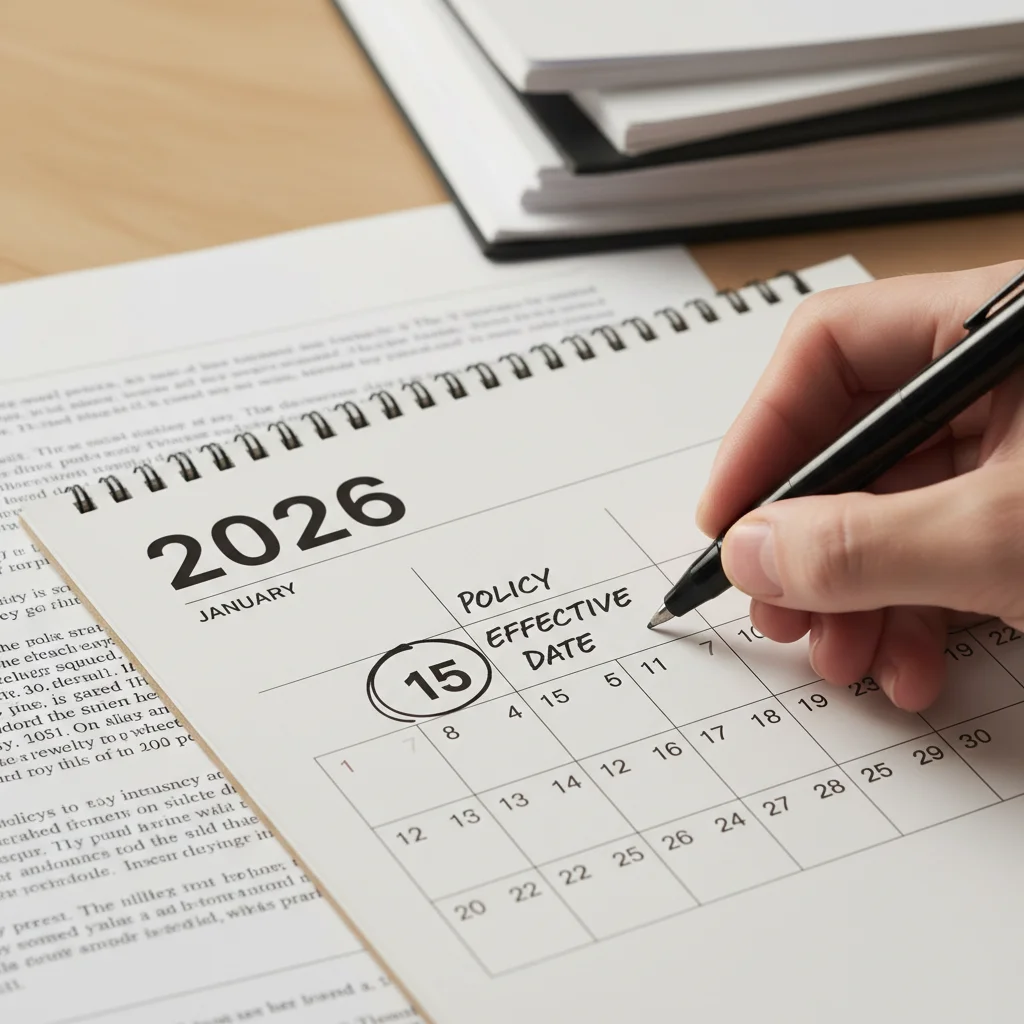
At its core, the policy effective date is the day and time your insurance coverage officially begins. It’s the moment your insurance policy becomes active, and you are legally covered for the risks outlined in your contract. Prior to this date, even if you’ve paid your premium, your coverage is not in force. Conversely, any incidents or claims arising before this date will typically not be covered by the policy. This seemingly straightforward concept has profound implications for every policyholder, regardless of the type of insurance they hold.
Think of it as the ‘start button’ for your insurance protection. For instance, if your auto insurance policy has a policy effective date of January 1, 2026, at 12:01 AM, any accident occurring on December 31, 2025, would not be covered by that specific policy. However, an accident occurring on January 1, 2026, at 12:02 AM, would be. This precision highlights why paying close attention to this date and time is absolutely critical. It removes ambiguity about when your protection starts and helps prevent disputes with your insurance provider should a claim arise.
The policy effective date is typically agreed upon during the application process and is clearly stated on your insurance declarations page or policy document. It’s crucial to review this information carefully to ensure it aligns with your expectations and coverage needs. Sometimes, the effective date might be in the future, especially if you’re planning ahead, or it might be immediate, depending on the urgency and type of coverage. Understanding these nuances is key to managing your insurance effectively for 2026.
Why is the Policy Effective Date So Important for 2026 Coverage?
The significance of the policy effective date cannot be overstated, especially when planning your insurance coverage for 2026. Its importance stems from several key factors that directly impact your financial security and peace of mind:
1. Avoiding Coverage Gaps
One of the primary reasons the policy effective date is so important is to prevent coverage gaps. A coverage gap occurs when there’s a period during which you are uninsured between two policies. This can happen if your old policy expires before your new one becomes active, or if you cancel a policy without a new one immediately taking its place. Even a single day without coverage can expose you to significant financial risk. For instance, if you’re switching car insurance providers, ensuring your new policy’s policy effective date aligns perfectly with the cancellation date of your old policy is paramount to avoid driving uninsured.
2. Determining Claim Eligibility
The policy effective date is the definitive factor in determining whether a claim will be covered. Insurance policies are designed to cover events that occur during the policy period. If an incident happens before your policy effective date, your insurer will almost certainly deny the claim, regardless of how soon after the incident your policy became active. This is fundamental to how insurance works, as it prevents individuals from purchasing insurance only after an event has already occurred.
3. Premium Calculation and Payment Schedules
Your premiums are calculated based on the duration of your coverage, which starts from the policy effective date. This date also often dictates your payment schedule. For example, if your effective date is the 15th of the month, your subsequent monthly premium payments might be due on the 15th of each month. Understanding this helps you manage your finances and avoid late payments, which could lead to policy cancellation.
4. Legal and Regulatory Compliance
In many jurisdictions, certain types of insurance (like auto liability insurance) are legally mandated. Having an active policy with a valid policy effective date is essential for compliance. Operating without the required insurance, even for a short period due to a misaligned effective date, can result in fines, license suspension, or other legal penalties. For businesses, ensuring continuous coverage from the policy effective date is vital for legal operation and contractual obligations.
5. Underwriting and Risk Assessment
In some cases, the policy effective date can also influence the underwriting process. For example, some insurers might require an inspection of a property or vehicle to be completed before the policy can become effective. The date of these inspections, and the completion of any required actions, can directly impact when your policy can officially begin. This ensures that the insurer is accurately assessing the risk as of the moment coverage begins.
Types of Policy Effective Dates
While the core concept of a policy effective date remains consistent, there are subtle variations in how it can be established:
1. Future Effective Date
This is common when you’re planning ahead. You might purchase a new homeowners policy for a house you’re closing on next month, or renew your auto insurance for the upcoming year. In these cases, the policy effective date is set for a future day, ensuring continuous coverage without any gaps. This is often the most desirable scenario, allowing for smooth transitions between policies.
2. Immediate Effective Date
Sometimes, you need coverage right away. This is often the case with auto insurance when buying a new car or renters insurance when moving into a new apartment. With an immediate policy effective date, your coverage begins almost instantly after the application is approved and the first premium payment (or a binder payment) is made. While convenient, it’s still essential to confirm the exact date and time to avoid any misunderstandings.
3. Retroactive Effective Date (Rare and Specific)
This is very rare in standard insurance policies and typically only applies in specific circumstances, such as professional liability (errors and omissions) insurance or certain types of commercial policies. A retroactive policy effective date means the policy can cover events that occurred before the actual purchase date, as long as the event was unknown to the insured at the time of policy inception. This is an exception, not the rule, and is usually associated with specialized coverage. Most personal lines of insurance explicitly exclude coverage for events occurring before the effective date.

The Impact of Time on Your Policy Effective Date
It’s not just the date; the time of day can also be crucial for your policy effective date. Most insurance policies specify a precise time, often 12:01 AM or 12:00 PM, for the effective date. This level of detail is important for several reasons:
- Midnight vs. Noon: A policy effective at 12:01 AM on January 1st means you are covered for the entire day of January 1st. A policy effective at 12:00 PM (noon) on January 1st means you are not covered for the morning of January 1st. This seemingly small difference can have huge implications if an incident occurs during that window.
- Time Zones: If you are purchasing insurance across different time zones, confirm which time zone your policy effective date refers to. This can be particularly relevant for travelers or those with properties in different geographical locations.
- Instant vs. Delayed Activation: While some online policies might offer instant activation, it’s always wise to confirm the exact time your coverage begins. Don’t assume; verify.
Common Scenarios and How the Policy Effective Date Plays a Role in 2026
New Policy Purchases
When purchasing a brand new policy for 2026, you’ll work with your agent or insurer to set the policy effective date. Ensure this date aligns with when you truly need coverage. For example, if you’re buying a new car, the effective date of your auto insurance should ideally be the same day you take possession of the vehicle. For a new homeowner, the effective date should coincide with the closing date of the property.
Policy Renewals for 2026
Most insurance policies renew annually. Your renewal documents will clearly state the new policy effective date for the upcoming 2026 term. It’s crucial to review these documents thoroughly. If you plan to switch insurers, ensure there’s no gap between your old policy’s expiration and your new policy’s policy effective date. Many insurers will automatically renew your policy unless you instruct them otherwise, but it’s always your responsibility to confirm the new effective date and terms.
Policy Changes and Endorsements
If you make changes to an existing policy, such as adding a new driver to your auto insurance, increasing your dwelling coverage on your home insurance, or adding a rider to your life insurance, these changes will also have an effective date. This date signifies when the new terms or added coverages become active. It’s possible to have different effective dates for the overall policy and for specific endorsements. Always confirm the effective date of any modifications to ensure they are in force when you need them.
Cancellations
When you cancel an insurance policy, there’s also an effective date of cancellation. This is the date your coverage officially ends. It’s vital to ensure this date doesn’t create a coverage gap if you’re transitioning to a new policy. If you cancel without a new policy in place, you expose yourself to significant risk from the effective date of cancellation onwards.

Key Considerations for Your 2026 Policy Effective Date
Read Your Policy Documents Carefully
This cannot be stressed enough. Your insurance policy, particularly the declarations page, will clearly state your policy effective date. Do not assume; always verify. If you have any questions or find discrepancies, contact your insurance agent or provider immediately. Understanding the fine print is your first line of defense against unexpected issues.
Coordinate Multiple Policies
If you have multiple insurance policies (e.g., home and auto with different providers), or if you’re transitioning between providers for the same type of insurance, meticulously coordinate the effective dates. This prevents both coverage gaps and potential overlaps (which can sometimes lead to complications during claims, though less common than gaps).
Understand Payment Implications
While the policy effective date marks the start of coverage, payment often precedes or coincides with it. Ensure your first premium payment is processed before the effective date to guarantee your coverage activates as planned. Delays in payment can lead to delays in your effective date, or even cancellation if not rectified promptly.
Be Aware of Waiting Periods
Some insurance policies, particularly health insurance, disability insurance, or certain types of property insurance (e.g., flood insurance), may have waiting periods that begin from the policy effective date. During a waiting period, certain benefits or coverages may not yet be active, even though your policy is technically ‘effective’. Always clarify if any waiting periods apply to your 2026 policy and how they interact with the effective date.
Review Annually (Especially for 2026)
As 2026 approaches, take the time to review all your current insurance policies. Confirm the policy effective date for each, ensure your coverage amounts are still adequate, and check for any changes in terms or conditions. Life circumstances change, and your insurance should evolve with them. An annual review ensures your policies remain relevant and effective.
The Role of Your Insurance Agent or Broker
Your insurance agent or broker is an invaluable resource in understanding your policy effective date and ensuring seamless coverage for 2026. They can help you:
- Clarify Dates: Confirm the exact effective dates and times for new policies, renewals, or changes.
- Prevent Gaps: Strategize to avoid any periods of being uninsured, especially when switching providers.
- Explain Terms: Break down complex policy language, including any waiting periods or specific conditions tied to the effective date.
- Advocate for You: In case of any discrepancies or issues related to your effective date, your agent can act as a liaison with the insurance company.
Don’t hesitate to reach out to them with any questions or concerns. Their expertise can save you from costly mistakes related to your policy effective date.
Conclusion: Securing Your 2026 with a Clear Policy Effective Date
The policy effective date is far more than just a calendar entry; it is the cornerstone of your insurance protection. For 2026, having a clear understanding of when your coverage begins, what it entails, and how it aligns with your specific needs is absolutely paramount. By paying meticulous attention to this critical detail, you can effectively avoid coverage gaps, ensure claim eligibility, manage your premiums, and comply with legal requirements.
As you plan for 2026, make it a priority to review all your insurance policies. Confirm your policy effective date, understand the implications of the precise time of activation, and leverage the expertise of your insurance professionals. Proactive management of your insurance policies, starting with a firm grasp of the policy effective date, is your best defense against the unexpected. Ensure your financial well-being and peace of mind are firmly in place for 2026 and beyond by making the effective date a top priority in your insurance planning.
Remember, being informed is your most powerful tool in the world of insurance. Don’t let a simple date lead to complex problems. Take control of your coverage by understanding every aspect of your policy effective date today.