Digital-First Insurance: 40% of Buyers by 2026

The Unstoppable Rise of Digital-First Insurance: Why 40% of Buyers Will Choose Digital by 2026
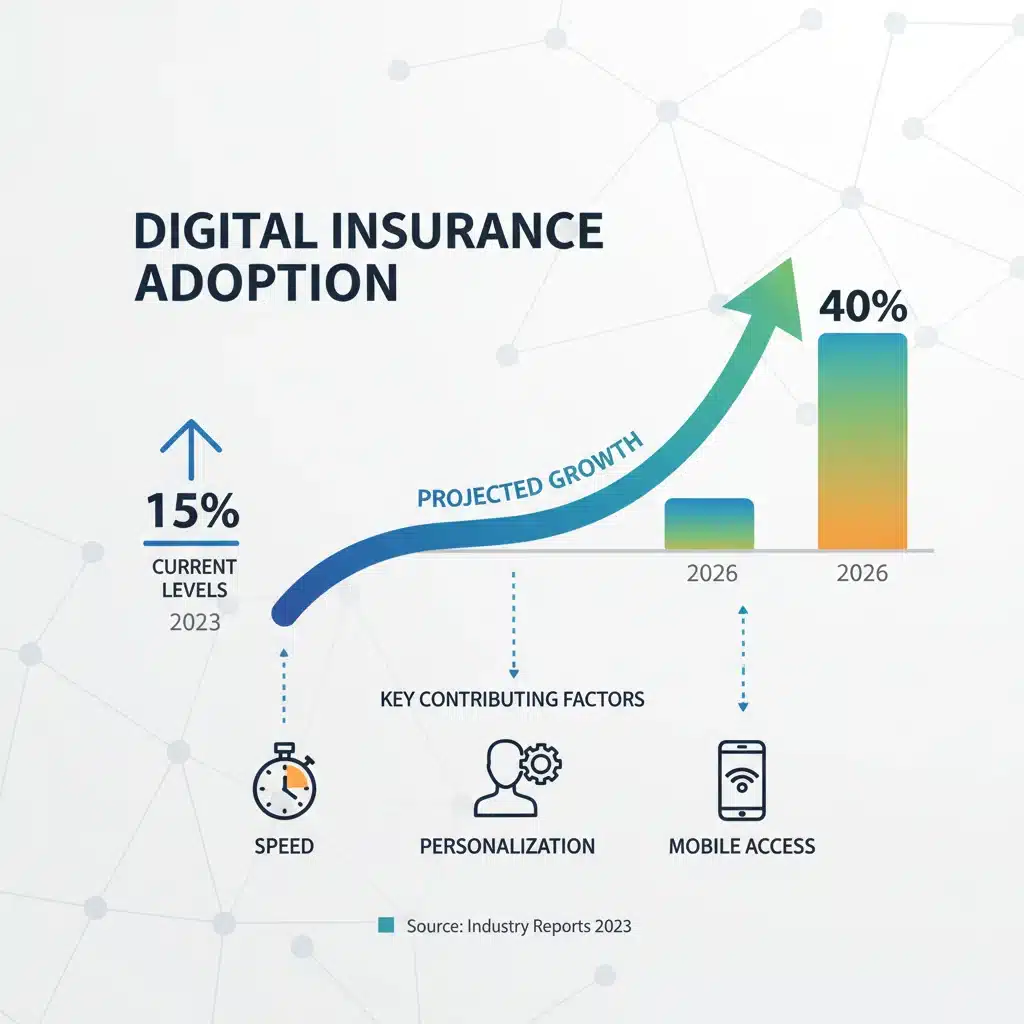
The insurance industry, traditionally known for its conservative approach and reliance on established practices, is undergoing a profound transformation. We are on the cusp of a monumental shift where digital-first insurance experiences are not just an option, but rapidly becoming the preferred choice for a significant portion of the global consumer base. Projections indicate a staggering trend: by 2026, an estimated 40% of insurance buyers will actively seek and engage with digital-first platforms. This isn’t merely an incremental change; it represents a fundamental re-calibration of consumer expectations and a massive opportunity for insurers who embrace innovation.
This comprehensive article delves deep into the forces driving this digital revolution, examining the evolving consumer behavior, the technological advancements making it possible, and the strategic implications for the insurance sector. We will explore why digital insurance adoption is accelerating, what it means for traditional models, and how companies can position themselves to thrive in this new landscape.
Understanding the Shift: Why Digital Insurance Adoption is Exploding
The move towards digital-first insurance is not a sudden phenomenon but the culmination of several interlocking trends that have been reshaping consumer behavior across all industries. The digital revolution has fundamentally altered how people interact with services, demanding speed, convenience, transparency, and personalization. The insurance sector, while perhaps slower to adapt than some, is now feeling the full force of these demands.
The Digital Native Generation Takes Center Stage
A significant driver of increased digital insurance adoption is the rise of digital natives and digitally-savvy millennials who are now reaching prime insurance-buying age. These generations have grown up with the internet, smartphones, and instant gratification. They expect seamless online experiences, intuitive user interfaces, and the ability to manage their affairs anytime, anywhere. For them, a traditional, paper-heavy, agent-dependent insurance process feels archaic and inefficient.
Convenience and Accessibility: The New Gold Standard
In today’s fast-paced world, convenience is paramount. Digital insurance platforms offer unparalleled accessibility, allowing consumers to research policies, get quotes, compare options, purchase coverage, and manage claims from the comfort of their homes or on the go. This 24/7 access eliminates geographical barriers and time constraints, making insurance acquisition and management far more user-friendly. The ability to complete complex transactions with a few clicks or taps on a mobile device is a powerful draw, significantly contributing to the surge in digital insurance adoption.
Transparency and Personalization: Building Trust in a Digital Age
One of the long-standing challenges in the insurance industry has been a perceived lack of transparency. Digital platforms, with their ability to clearly display policy details, terms and conditions, and pricing structures, are helping to demystify insurance. Furthermore, advanced analytics and AI are enabling unprecedented levels of personalization. Insurers can now offer tailored policies that better fit individual needs and risk profiles, moving away from one-size-fits-all solutions. This enhanced transparency and personalization foster greater trust and satisfaction among consumers, accelerating digital insurance adoption.
The Pandemic’s Accelerating Impact on Digital Insurance Adoption
The COVID-19 pandemic served as a massive accelerator for digital transformation across all sectors, and insurance was no exception. Lockdowns and social distancing mandates forced consumers and businesses alike to embrace digital channels for nearly every interaction. This period not only familiarized a broader demographic with online services but also solidified the expectation that essential services, including insurance, should be readily available digitally. The pandemic didn’t create the trend of digital insurance adoption, but it certainly propelled it forward by several years.
Technological Pillars Supporting Digital-First Insurance
The ambitious target of 40% digital-first buyers by 2026 wouldn’t be achievable without a robust technological backbone. Several key innovations are underpinning this shift:
Artificial Intelligence (AI) and Machine Learning (ML)
AI and ML are revolutionizing every facet of the insurance value chain. From sophisticated underwriting models that can assess risk with greater accuracy and speed, to AI-powered chatbots providing instant customer support and claims processing, these technologies are enhancing efficiency and improving the customer experience. AI algorithms can analyze vast datasets to identify patterns, predict future events, and even detect fraud, making digital insurance more intelligent and responsive.
Big Data and Advanced Analytics
The sheer volume of data generated today, from IoT devices to social media interactions, provides insurers with unprecedented insights into consumer behavior and risk factors. Big data analytics allows companies to segment customers more effectively, personalize product offerings, optimize pricing, and develop proactive risk mitigation strategies. This data-driven approach is central to creating highly relevant and competitive digital insurance products, fueling digital insurance adoption.
Cloud Computing: Scalability and Flexibility
Cloud infrastructure provides the scalability and flexibility necessary for digital insurance platforms to handle fluctuating demands, process large amounts of data, and integrate new technologies quickly. It enables insurers to innovate rapidly, deploy new features, and expand their reach without significant upfront capital investment in physical infrastructure. This agility is crucial in a fast-evolving digital market.
Blockchain Technology: Enhanced Security and Transparency
While still in earlier stages of adoption, blockchain holds immense promise for the insurance industry. Its decentralized and immutable ledger system can enhance security, reduce fraud, and increase transparency in claims processing and policy management. Smart contracts, built on blockchain, can automate payouts based on predefined conditions, streamlining operations and building greater trust among policyholders, further bolstering digital insurance adoption.
Redefining the Customer Journey: The Digital-First Experience
The shift to digital-first insurance is not just about technology; it’s about fundamentally rethinking the entire customer journey. It moves beyond simply digitizing existing paper forms to creating entirely new, intuitive, and engaging experiences.
Seamless Onboarding and Policy Purchase
Gone are the days of lengthy application forms and multiple visits to an agent. Digital-first platforms offer streamlined onboarding processes, often leveraging pre-filled data, digital identity verification, and instant quoting tools. Customers can compare policies side-by-side, understand coverage options through interactive guides, and complete a purchase within minutes, directly contributing to higher digital insurance adoption rates.
Proactive Communication and Self-Service
Digital insurers excel at proactive communication, sending timely reminders, policy updates, and personalized advice through preferred digital channels (email, SMS, app notifications). Self-service portals empower customers to manage their policies, update details, make payments, and even initiate claims without needing to speak to a representative. This autonomy is highly valued by modern consumers.
Expedited and Transparent Claims Processing
The claims process, often a source of frustration, is being transformed by digital-first approaches. Customers can submit claims online, upload documentation and photos directly from their smartphones, and track the status of their claim in real-time. AI and automation can accelerate approval processes for straightforward claims, leading to faster payouts and a more positive customer experience, which in turn reinforces digital insurance adoption.
Personalized Engagement and Value-Added Services
Digital platforms allow insurers to move beyond simply selling policies to becoming trusted partners in risk management. Through data analysis, they can offer personalized advice on risk reduction, provide value-added services like telematics for auto insurance or smart home devices for property insurance, and engage customers with relevant content. This deeper engagement strengthens customer loyalty and further drives digital insurance adoption.
Challenges and Opportunities for Insurers
While the path to digital-first dominance is clear, it’s not without its hurdles. Insurers face both significant challenges and immense opportunities in this evolving landscape.
Overcoming Legacy Systems and Cultural Inertia
Many incumbent insurers are burdened by outdated legacy IT systems that are difficult and costly to integrate with modern digital platforms. Furthermore, a long-standing organizational culture resistant to change can hinder digital transformation efforts. Overcoming these internal barriers is crucial for successful digital insurance adoption.
Data Security and Privacy Concerns
As more sensitive customer data is collected and processed digitally, ensuring robust cybersecurity and adhering to stringent data privacy regulations (like GDPR and CCPA) becomes paramount. A single data breach can severely damage customer trust and brand reputation, making investment in top-tier security infrastructure non-negotiable.
Competition from Insurtechs and Big Tech
The rise of insurtech startups, unencumbered by legacy systems, has introduced agile, digitally native competitors into the market. Moreover, tech giants like Amazon and Google are exploring entry into financial services, posing a significant competitive threat with their vast customer bases and technological prowess. This competitive pressure is a key motivator for accelerating digital insurance adoption among traditional players.
The Opportunity for Market Expansion and New Revenue Streams
For insurers willing to embrace digital transformation, the opportunities are immense. Digital channels allow for market expansion into previously underserved segments and geographical regions. New data sources and AI capabilities enable the creation of innovative, usage-based, or on-demand insurance products that cater to modern lifestyles. The ability to offer hyper-personalized experiences can lead to increased customer lifetime value and new revenue streams, making digital insurance adoption a strategic imperative.

Strategies for Insurers to Thrive in a Digital-First World
To capture their share of the 40% of digital-first buyers by 2026, insurers must adopt proactive and comprehensive strategies:
Invest in a Robust Digital Infrastructure
This includes modernizing core systems, adopting cloud-native architectures, and investing in advanced analytics, AI, and automation tools. A scalable, secure, and flexible digital foundation is the bedrock of any successful digital-first strategy.
Prioritize User Experience (UX) and User Interface (UI) Design
Digital platforms must be intuitive, easy to navigate, and visually appealing. A seamless UX/UI is critical for customer satisfaction and retention. This means continuous testing, feedback loops, and iterative improvements to ensure the digital journey is as smooth as possible, which directly impacts digital insurance adoption.
Embrace Data-Driven Personalization
Leverage data analytics to understand individual customer needs, preferences, and risk profiles. Use these insights to offer personalized product recommendations, dynamic pricing, and tailored communications. Moving beyond generic offerings is key to attracting and retaining digital-first consumers.
Foster an Innovation Culture
Encourage experimentation, embrace agile methodologies, and be willing to challenge traditional ways of working. Partnering with insurtechs or investing in innovation labs can accelerate the development and deployment of new digital solutions. A culture that values innovation is essential for driving digital insurance adoption.
Integrate Omnichannel Experiences
While the focus is on digital-first, a truly effective strategy recognizes that some customers may still prefer or require human interaction at certain points. An omnichannel approach ensures a consistent and seamless experience whether a customer interacts online, via a mobile app, through a call center, or with an agent. This integration ensures that digital insurance adoption doesn’t alienate customers who value human touch points.
Focus on Cybersecurity and Trust
Build trust by implementing industry-leading cybersecurity measures and being transparent about data usage and privacy policies. Proactively communicate how customer data is protected and used to enhance their experience. Trust is the foundation upon which strong digital relationships are built, and it’s vital for sustained digital insurance adoption.
The Future Landscape: Beyond 2026
The journey towards digital-first insurance doesn’t stop in 2026. This milestone is merely a significant marker on a longer trajectory. Looking beyond, we can anticipate even more profound changes:
Hyper-Personalization and Proactive Risk Management
As data collection from IoT devices (wearables, smart homes, connected cars) becomes more sophisticated and AI models more advanced, insurance will become hyper-personalized. Policies will dynamically adjust based on real-time behavior and risk exposure. Insurers will shift from simply paying out claims to actively helping customers prevent losses through proactive advice and incentives, further embedding digital insurance adoption.
Embedded Insurance
Insurance will become increasingly embedded into other products and services. For example, travel insurance offered seamlessly at the point of booking a flight, or product insurance integrated into the purchase of an electronic device. This frictionless integration will make insurance acquisition almost invisible, driving digital insurance adoption to new heights.
Ecosystems and Partnerships
Insurers will increasingly operate within broader ecosystems, partnering with tech companies, healthcare providers, automotive manufacturers, and other service providers to offer holistic solutions that extend beyond traditional insurance products. These partnerships will create new value propositions and expand the reach of digital insurance adoption.
The Rise of Parametric Insurance
Parametric insurance, which pays out automatically based on predefined triggers (e.g., a certain wind speed for hurricane insurance, or a specific rainfall amount for crop insurance), will become more common. This type of insurance, heavily reliant on data and automation, is inherently digital-first and offers rapid, transparent claims processing.
Conclusion: Embracing the Digital Imperative
The forecast of 40% of buyers opting for digital-first insurance experiences by 2026 is a clear signal of the industry’s direction. This isn’t a speculative prediction; it’s a reflection of undeniable consumer trends and technological capabilities. Insurers who recognize this imperative and strategically invest in digital transformation will not only survive but thrive in the coming years. Those who cling to outdated models risk being left behind in a rapidly evolving market.
The future of insurance is digital, customer-centric, and data-driven. By embracing digital insurance adoption, companies can build more efficient operations, foster deeper customer relationships, and unlock new avenues for growth and innovation. The time to act is now, transforming challenges into opportunities and securing a leading position in the digital insurance landscape of tomorrow.