The 3-Month Outlook: Recent Updates on Catastrophic Event Trends and Their 2026 Insurance Market Implications
The global landscape is continually reshaped by an escalating frequency and intensity of catastrophic events. From unprecedented wildfires to devastating floods and powerful hurricanes, the past three months have offered a stark reminder of nature’s formidable power. These recent updates on catastrophic event trends are not just headlines; they are critical indicators for the future stability and strategic direction of the global insurance market, particularly as we look towards 2026. Understanding the nuances of these trends and their potential reverberations is paramount for insurers, reinsurers, and policymakers alike. The catastrophe insurance market stands at a pivotal juncture, facing both immense challenges and opportunities for innovation.
Understanding the Recent Surge in Catastrophic Events
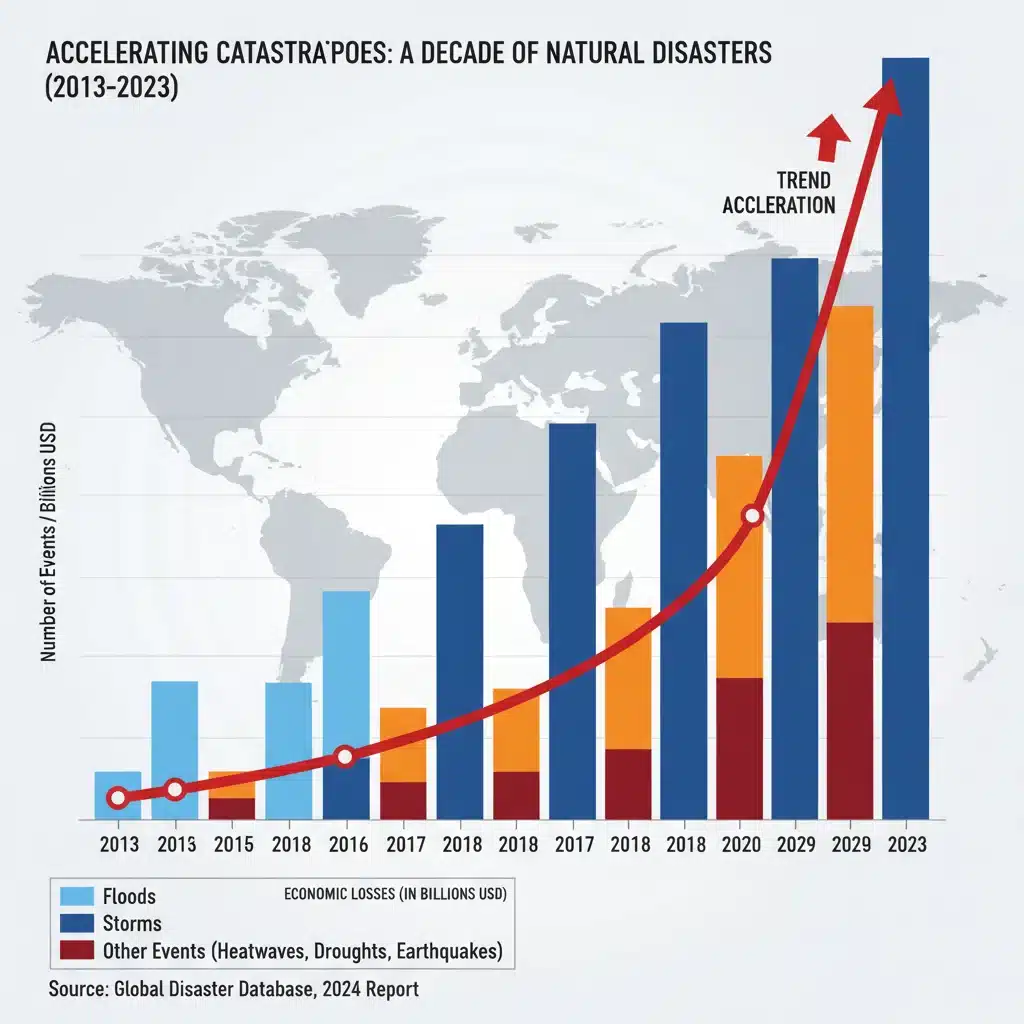
The last quarter has been marked by a series of significant catastrophic events that have tested the resilience of communities and the robustness of insurance frameworks worldwide. We’ve witnessed a relentless parade of extreme weather phenomena, each contributing to a growing narrative of climate change impact and increased vulnerability. For instance, several regions experienced record-breaking heatwaves, leading to prolonged droughts and an elevated risk of wildfires, as seen in parts of Southern Europe and North America. Simultaneously, tropical storm seasons have shown early signs of heightened activity, with some regions experiencing more frequent and intense rainfall events, resulting in severe flooding.
These events are not isolated incidents but rather part of a broader, accelerating trend. Scientific consensus increasingly links these phenomena to climate change, suggesting that what we are experiencing now is merely a precursor to what lies ahead. The direct consequences include not only immediate loss of life and property but also long-term economic disruption, supply chain vulnerabilities, and social upheaval. For the catastrophe insurance market, this translates into higher claims payouts, increased operational complexities, and a pressing need to reassess traditional risk models.
The interplay of natural forces and human development further exacerbates these challenges. Urbanization in high-risk areas, aging infrastructure, and inadequate preparedness measures amplify the damage caused by these events. Therefore, the recent updates on catastrophic event trends are not just about meteorological patterns; they encompass a complex web of environmental, social, and economic factors that collectively elevate global risk profiles. Insurers must delve deeper than ever before into these interconnected elements to accurately price risk and offer relevant protection.
The Immediate Impact on the Catastrophe Insurance Market
The immediate aftermath of a significant catastrophic event is always characterized by a surge in claims, placing considerable strain on insurers’ financial reserves and operational capacities. The events of the past three months have been no exception. Early estimates suggest that insured losses from recent storms, floods, and wildfires are already running into billions of dollars globally. This immediate financial pressure directly impacts underwriting profitability and capital adequacy for many insurance carriers.
Beyond the financial payouts, there’s a ripple effect across the entire insurance value chain. Reinsurers, who absorb a significant portion of the extreme losses, are recalibrating their portfolios and pricing strategies. This, in turn, influences the cost and availability of reinsurance for primary insurers. For consumers and businesses, this often means higher premiums, stricter policy terms, and in some cases, reduced coverage options, particularly in areas deemed high-risk. The conversation around the affordability and accessibility of insurance in vulnerable regions is becoming more urgent.
Moreover, the frequency of these events is shrinking the window for recovery and replenishment of capital. Insurers are finding less time between major loss events to rebuild their financial strength, leading to a more volatile and unpredictable operating environment. This constant state of heightened alert necessitates more sophisticated real-time data analytics, faster claims processing, and more agile capital management strategies. The catastrophe insurance market is being forced to adapt at an unprecedented pace, moving away from historical data reliance towards more predictive and dynamic risk assessment.
Forecasting the 2026 Insurance Market: Key Challenges
Looking ahead to 2026, the implications of current catastrophic event trends for the insurance market are profound and multi-faceted. One of the primary challenges will be the sustained pressure on pricing. As losses mount and the perception of risk intensifies, premiums for property, casualty, and specialized lines of business like flood and wildfire insurance are expected to continue their upward trajectory. This will be driven by increased reinsurance costs, higher capital requirements, and the need for insurers to maintain profitability in a more volatile landscape.
Another significant challenge lies in the evolving nature of risk itself. Traditional actuarial models, heavily reliant on historical data, are struggling to keep pace with the unprecedented and rapidly changing patterns of extreme weather. The concept of a ‘100-year event’ is becoming increasingly obsolete as such events occur with greater frequency. Insurers face the daunting task of developing new, more dynamic, and forward-looking risk assessment methodologies that can effectively incorporate climate science, advanced modeling techniques, and real-time data streams. This shift is crucial for the long-term viability of the catastrophe insurance market.
Furthermore, regulatory scrutiny is likely to intensify. Governments and international bodies are becoming more aware of the systemic risks posed by climate change and the potential for insurance market failures in certain geographies. This could lead to new mandates regarding climate risk disclosure, capital requirements, and potentially government-backed insurance schemes for uninsurable risks. Navigating this evolving regulatory landscape will be a key challenge for insurers in the coming years.
The availability of capacity, particularly in the reinsurance market, will also be a critical concern. If losses continue to outpace capital inflows, some reinsurers may pull back from certain lines or regions, creating capacity shortages. This could leave primary insurers exposed or force them to retain more risk, impacting their financial stability. The challenge is not just about having capital, but about deploying it effectively and sustainably in a market characterized by increasing uncertainty.
Finally, the growing protection gap – the difference between total economic losses and insured losses – presents both a challenge and an opportunity. As more people and businesses find themselves underinsured or uninsurable, there’s a societal burden that often falls on governments. The insurance industry has a critical role to play in narrowing this gap, but it requires innovative solutions that balance affordability with robust coverage, which will be a significant challenge by 2026.
Opportunities for Innovation and Growth in the Catastrophe Insurance Market
Despite the formidable challenges, the evolving landscape of catastrophic events also presents significant opportunities for innovation and growth within the catastrophe insurance market. Insurers that can proactively adapt and embrace new technologies and strategies will be best positioned to thrive in 2026 and beyond.
Advanced Data Analytics and AI
The sheer volume of data related to weather patterns, geographic vulnerabilities, and historical claims offers a goldmine for advanced analytics and artificial intelligence. Insurers are increasingly investing in AI-driven models that can process vast datasets, identify emerging risk patterns, and provide more accurate predictions of future events. This allows for more precise underwriting, dynamic pricing, and the development of highly customized insurance products. AI can also streamline claims processing, reducing operational costs and improving customer satisfaction during critical times.
Parametric Insurance Solutions
Parametric insurance, which pays out based on the occurrence of a specific, predefined trigger (e.g., wind speed exceeding a certain threshold, rainfall volume, or earthquake magnitude), is gaining traction. These solutions offer faster payouts, reduce assessment costs, and provide greater transparency for policyholders. As catastrophic events become more frequent and severe, the simplicity and speed of parametric products make them an attractive option, particularly for businesses and governments seeking immediate liquidity post-event. This segment of the catastrophe insurance market is poised for significant expansion.
Climate Resilience and Mitigation Partnerships
Insurers are increasingly moving beyond simply paying claims to actively engaging in risk mitigation and climate resilience efforts. This involves partnering with governments, communities, and businesses to invest in infrastructure improvements, early warning systems, and sustainable land-use planning. By reducing overall risk exposure, insurers can lower their potential losses, create more stable portfolios, and contribute positively to societal resilience. This proactive approach benefits all stakeholders and can open new avenues for service offerings.
Product Innovation and Customization
The traditional one-size-fits-all approach to insurance is becoming less effective. The diverse nature of catastrophic risks and varying regional vulnerabilities necessitate highly customized products. This includes modular policies, microinsurance for specific risks in developing regions, and bundled solutions that combine property coverage with business interruption or supply chain protection. Insurers who can rapidly innovate and tailor their offerings to meet specific needs will capture new market segments.
Leveraging Satellite and IoT Technology
Satellite imagery, drones, and Internet of Things (IoT) sensors are revolutionizing risk assessment and claims management. Satellites can provide real-time damage assessments over vast areas after a hurricane, while IoT sensors in homes can detect water leaks or fire hazards before they escalate. These technologies improve efficiency, reduce fraud, and enable proactive risk management, offering a competitive edge within the evolving catastrophe insurance market.
Strategic Imperatives for Insurers Towards 2026
To navigate the complexities and capitalize on the opportunities presented by evolving catastrophic event trends, insurers must adopt several strategic imperatives as they look towards 2026.
Enhance Risk Modeling Capabilities
The paramount imperative is to significantly enhance risk modeling capabilities. This means moving beyond historical data to incorporate sophisticated climate science, probabilistic modeling, and real-time environmental data. Collaborations with climate scientists, meteorologists, and data analytics firms will be crucial. The goal is to develop models that can more accurately predict future loss scenarios, accounting for the non-stationary nature of climate risk.
Diversify Risk Portfolios and Geographies
Over-concentration of risk in highly exposed geographies is no longer sustainable. Insurers must actively seek to diversify their risk portfolios, both in terms of geographical spread and the types of risks underwritten. This might involve expanding into new markets with different risk profiles or developing expertise in emerging risk categories. A more balanced portfolio helps mitigate the impact of localized catastrophic events.
Strengthen Capital and Reinsurance Strategies
Robust capital management and dynamic reinsurance strategies are more critical than ever. Insurers need to ensure they have sufficient capital reserves to absorb potential losses and access to diverse reinsurance capacity. Exploring alternative risk transfer mechanisms, such as catastrophe bonds and other insurance-linked securities, will become increasingly important for optimizing capital efficiency and spreading risk across global financial markets. The strength of the catastrophe insurance market hinges on its ability to effectively manage capital.
Invest in Technology and Digital Transformation
Digital transformation is not just about efficiency; it’s about survival. Investing in AI, machine learning, cloud computing, and advanced data platforms will enable insurers to process information faster, make more informed decisions, and deliver superior customer experiences. This includes automating claims, enhancing underwriting processes, and providing self-service options for policyholders.
Foster Public-Private Partnerships
Given the scale of the challenge posed by catastrophic events, no single entity can tackle it alone. Insurers must actively engage in public-private partnerships with governments, NGOs, and academic institutions. These collaborations can facilitate data sharing, promote climate adaptation initiatives, and develop innovative solutions for protecting vulnerable communities, particularly where market solutions may fall short.
Prioritize Customer Education and Engagement
Educating policyholders about evolving risks, prevention measures, and the importance of adequate coverage is vital. Proactive communication can help manage expectations, reduce claims severity, and build trust. Insurers can become trusted advisors, helping customers understand their vulnerabilities and take steps to mitigate risk, thereby strengthening the overall resilience of the insured population.

The Role of Reinsurance in a Volatile Landscape
The reinsurance sector plays an indispensable role in absorbing and distributing the financial shockwaves of catastrophic events. As we approach 2026, the reinsurance market will continue to be a crucial barometer for the health and stability of the broader catastrophe insurance market. Recent trends indicate that reinsurers are becoming more selective, demanding higher prices, and imposing stricter terms and conditions, particularly for risks in highly exposed regions.
This hardening of the reinsurance market is a direct response to sustained losses and the increasing uncertainty surrounding future climate-related events. Reinsurers are re-evaluating their risk appetite, leading to a focus on portfolio optimization and capital efficiency. This means primary insurers will need to present more robust data and demonstrate strong risk management practices to secure adequate and affordable reinsurance coverage. The relationship between primary insurers and reinsurers will evolve into a more collaborative partnership, centered on shared data, advanced modeling, and joint risk mitigation efforts.
Furthermore, the growth of alternative capital, such as catastrophe bonds and collateralized reinsurance, will continue to provide essential capacity to the market. These vehicles allow institutional investors to participate in insurance risk, diversifying the sources of capital available to absorb mega-catastrophes. By 2026, we can expect a more integrated and diversified reinsurance landscape, where traditional reinsurance, alternative capital, and innovative risk transfer solutions work in concert to manage global catastrophic risks.
Conclusion: Navigating the Future of the Catastrophe Insurance Market
The recent updates on catastrophic event trends over the past three months serve as a powerful wake-up call for the insurance industry. The escalating frequency and severity of natural disasters are fundamentally reshaping the risk landscape and demanding a paradigm shift in how insurers operate. As we look towards 2026, the catastrophe insurance market will be characterized by persistent challenges related to pricing, risk modeling, and regulatory pressures.
However, these challenges also present a fertile ground for innovation. Insurers who embrace advanced analytics, parametric solutions, climate resilience partnerships, and digital transformation will be best equipped to navigate this volatile environment. The future success of the industry hinges on its ability to move from a reactive claims-payer to a proactive risk manager and societal partner, contributing to greater resilience in the face of an uncertain future.
The journey to 2026 will require strategic foresight, continuous adaptation, and a collaborative spirit across the entire insurance ecosystem. By leveraging technology, fostering partnerships, and innovating products, the catastrophe insurance market can not only survive but thrive, continuing its vital role in protecting economies and communities worldwide.