Auto Insurance Premiums: Severity vs. Frequency in Claims Data
Understanding the Shift: Auto Insurance Premiums and Claims Data
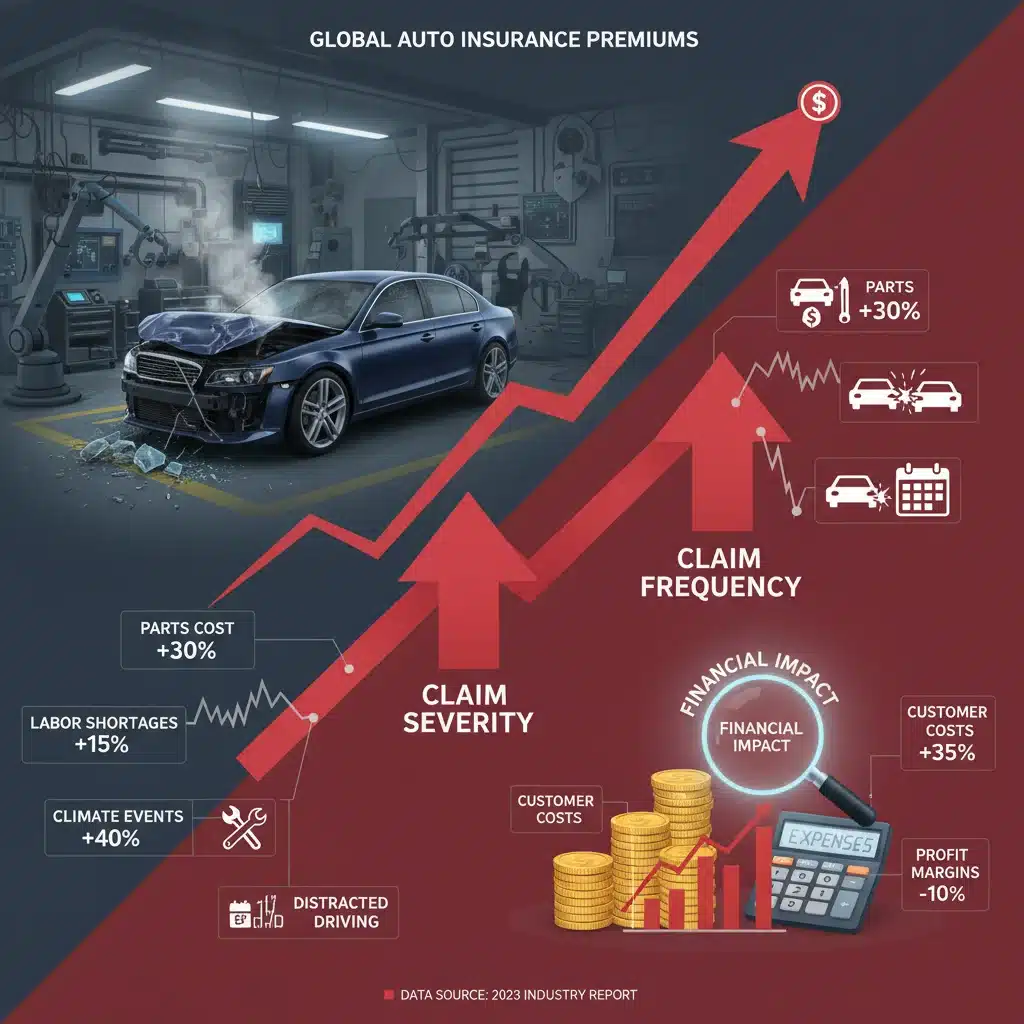
The landscape of auto insurance is in constant flux, a dynamic environment shaped by a myriad of factors. For consumers across the nation, one of the most pressing concerns is the continuous upward trajectory of auto insurance premiums. This isn’t merely an arbitrary hike; it’s a direct reflection of intricate shifts in auto insurance claims data, particularly the delicate balance between claims severity and claims frequency. Over the last 12 months, this data has painted a clear picture, fundamentally reshaping how insurance companies assess risk and, consequently, how they set their rates.
To truly grasp why your auto insurance bill might be higher than it was a year ago, we must delve into the nuances of these two critical metrics. Severity refers to the average cost of each claim, while frequency denotes the number of claims occurring within a given period. Both are crucial indicators for insurers, and recent trends show significant movements in both areas, leading to a profound impact on the entire auto insurance industry.
This comprehensive analysis will unpack the recent trends in auto insurance claims data, explore the underlying causes of rising severity and frequency, and discuss the implications for policyholders and the future of auto insurance. Understanding these forces is not just academic; it’s essential for navigating the evolving world of personal finance and making informed decisions about your coverage.
The Dual Impact: Severity and Frequency in Auto Insurance Claims Data
When insurance companies analyze their risk exposure and calculate premiums, they don’t just look at the total payout. They meticulously dissect the auto insurance claims data, separating it into its core components: severity and frequency. Over the past year, both of these metrics have shown concerning increases, creating a perfect storm that has driven premiums skyward.
Unpacking Claims Severity: Why Are Accidents More Expensive?
Claims severity, the average cost per claim, has been a significant driver of premium increases. Several factors contribute to this upward trend:
- Advanced Vehicle Technology: Modern cars are equipped with sophisticated sensors, cameras, and computer systems. While these technologies enhance safety, they also make repairs significantly more expensive. A minor fender bender in a car with advanced driver-assistance systems (ADAS) can quickly turn into a multi-thousand-dollar repair due to the need to recalibrate or replace these intricate components. The cost of parts for these systems is high, and specialized labor is often required.
- Inflation in Repair Costs: The broader economic climate plays a critical role. Inflation has affected everything from labor wages for mechanics to the cost of raw materials for vehicle parts. Paint, metal, plastic – all have seen price increases, directly impacting the final repair bill. Supply chain disruptions, which have been prevalent globally, further exacerbate these cost pressures, sometimes leading to delays and higher prices for essential parts.
- Labor Shortages: The automotive repair industry, like many skilled trades, faces a shortage of qualified technicians. This scarcity drives up labor rates, as shops compete for talent. Fewer technicians also mean longer repair times, which can translate into higher rental car costs for policyholders, adding another layer to claims severity.
- Medical Cost Inflation: A significant portion of claims severity comes from bodily injury claims. Medical costs in the United States continue to rise, and this directly impacts the payouts for injuries sustained in auto accidents. Even minor injuries can incur substantial medical bills, including emergency room visits, physical therapy, and prescription medications.
- Increased Litigation: In some regions, there’s been an uptick in legal action following accidents, leading to higher legal fees and settlement costs, which directly contribute to the overall severity of claims. This can be particularly true for more complex or severe injury cases.
Analyzing Claims Frequency: Are More Accidents Happening?
While severity addresses the cost per claim, frequency looks at how often claims occur. Recent auto insurance claims data indicates a rebound, and in some cases, an increase in accident frequency compared to pre-pandemic levels. What’s driving this?
- Return to Pre-Pandemic Driving Habits: During the height of the pandemic, fewer people were on the roads, leading to a temporary dip in accident rates. As daily commutes, social activities, and travel have returned to normal, so too has the volume of traffic, inevitably leading to more collisions.
- Distracted Driving: The pervasive use of smartphones and other in-car technologies continues to be a major contributor to accidents. Texting, navigating, or even talking on the phone diverts attention from the road, increasing the likelihood of collisions. Despite public awareness campaigns, distracted driving remains a significant challenge.
- Aggressive Driving: Anecdotal evidence and some studies suggest an increase in aggressive driving behaviors, such as speeding, tailgating, and road rage. These behaviors significantly heighten the risk of accidents and can lead to more severe collisions.
- Weather-Related Incidents: While not a consistent trend across all regions, localized increases in severe weather events can contribute to spikes in accident frequency. Icy roads, heavy rain, and other hazardous conditions naturally lead to more fender benders and serious crashes.
- Increased Vehicle Miles Traveled (VMT): As economies recover and people engage in more activities, the total number of miles driven increases. More miles traveled inherently means more exposure to risk and a higher probability of accidents occurring.
The combined effect of these factors on both severity and frequency creates a challenging environment for insurance providers, forcing them to re-evaluate their risk models and adjust premiums accordingly.
The Data Speaks: National Trends in Auto Insurance Claims Data
Across the nation, insurance companies are reporting consistent trends from their auto insurance claims data. The specific percentages may vary by state and region, but the general direction is clear: both the cost of individual claims and the overall number of claims are on an upward trajectory. This isn’t just about minor adjustments; it’s a fundamental shift that requires insurers to adapt their pricing strategies to maintain financial solvency.
For example, some reports indicate that bodily injury liability claims have seen significant increases in average payouts, reflecting the rising medical costs. Similarly, property damage liability and collision claims are more expensive due to higher repair costs for advanced vehicles. These trends are not isolated; they are systemic, impacting nearly every aspect of the auto insurance market.
Insurers utilize sophisticated actuarial science to project future claims costs based on historical auto insurance claims data. When this data shows sustained increases in severity and frequency, it directly translates into higher projected costs for future claims, which must then be factored into current premium rates. This is a continuous cycle of data analysis, risk assessment, and pricing adjustment.

Impact on Auto Insurance Premiums Nationally
The direct consequence of these shifts in auto insurance claims data is felt most acutely by consumers in the form of higher premiums. Insurance is a business built on managing risk, and when the cost of that risk increases, so too does the price of coverage. This isn’t a punitive measure; it’s a necessary adjustment to ensure that insurance companies can continue to pay out claims and remain financially stable.
Why Premiums Rise
When claims severity and frequency increase, insurers face higher payouts. To offset these increased costs and maintain their ability to pay future claims, they must adjust their pricing. This is a fundamental principle of insurance. If premiums don’t cover the cost of claims and operational expenses, the insurance company cannot survive.
Furthermore, regulatory requirements often mandate that insurance companies maintain certain levels of reserves to cover potential future claims. If the projection of future claims costs rises due to current auto insurance claims data, insurers may need to increase premiums to build up those reserves.
Regional Variations and Local Factors
While the national trends are clear, it’s important to acknowledge that the impact on premiums can vary significantly by region. Local factors play a crucial role:
- Population Density: Densely populated urban areas often experience higher accident frequency due to more traffic congestion.
- Local Repair Costs: The cost of labor and parts can differ significantly between states and even within different areas of the same state.
- State Regulations: Each state has its own insurance regulations, which can influence how and when premiums can be adjusted. Some states have more stringent approval processes for rate increases.
- Weather Patterns: Regions prone to severe weather events (e.g., hail, hurricanes, heavy snow) may see higher claims frequency and severity for weather-related damage.
- Legal Environment: States with more litigious environments might experience higher claims severity due to increased legal costs associated with personal injury claims.
These regional nuances mean that while the overall trend is upward nationally, your specific premium increase might be higher or lower depending on where you live and the unique risk profile of your area, as reflected in local auto insurance claims data.
Navigating the New Normal: What Policyholders Can Do
Given the current trends in auto insurance claims data and their impact on premiums, policyholders might feel a sense of helplessness. However, there are proactive steps you can take to manage your insurance costs and ensure you’re getting the best possible value.
Review Your Coverage Regularly
It’s easy to set and forget your insurance policy, but reviewing it annually is crucial. Your circumstances change, and so does the market. Assess whether your current coverage still meets your needs. For older vehicles, you might consider adjusting collision or comprehensive coverage if the cost of insurance outweighs the vehicle’s actual cash value.
Shop Around for Quotes
Insurance companies weigh risk differently, and their pricing models vary. What might be an expensive policy with one insurer could be more affordable with another, even for the same level of coverage. Don’t be afraid to get quotes from multiple providers, especially when your policy is up for renewal. Online comparison tools can make this process much easier and quicker. This is particularly important now, as the shifting auto insurance claims data means that different companies may be adjusting their rates at different paces.
Increase Your Deductible
A higher deductible means you’ll pay more out-of-pocket if you file a claim, but it can significantly lower your premium. If you have a robust emergency fund, this could be a viable option to reduce your monthly or annual insurance payments. Just make sure you can comfortably afford the deductible amount if an accident occurs.
Look for Discounts
Most insurance companies offer a wide array of discounts. These can include:
- Multi-policy discounts: Bundling your auto insurance with home or renters insurance.
- Good driver discounts: For maintaining a clean driving record over a specified period.
- Defensive driving course discounts: Completing an approved safety course.
- Vehicle safety feature discounts: For cars equipped with advanced safety features like anti-lock brakes, airbags, or anti-theft devices.
- Low mileage discounts: If you drive fewer miles annually.
- Student discounts: For good students or students away at college.
- Telematics programs: Usage-based insurance programs that monitor your driving habits (speed, braking, mileage) and offer discounts for safe driving.
Always ask your insurer about available discounts, as they can significantly reduce your premium.
Maintain a Good Driving Record
This is perhaps the most obvious, yet most impactful, way to keep your premiums down. Accidents and traffic violations directly contribute to higher premiums, as they signal a higher risk to insurers. A clean driving record is your best asset in securing lower rates.
Improve Your Credit Score
In many states, insurance companies use credit-based insurance scores as a factor in determining premiums. A higher credit score often correlates with lower premiums, as statistical data suggests individuals with better credit tend to file fewer claims. Working to improve your credit score can have a positive ripple effect on your insurance costs.
By taking these proactive steps, policyholders can mitigate the impact of rising premiums driven by the evolving auto insurance claims data and maintain affordable coverage.
The Future of Auto Insurance: AI, Telematics, and Proactive Measures
The challenges presented by the current auto insurance claims data are also driving innovation within the industry. Insurers are increasingly turning to advanced technologies and data analytics to better understand and price risk, and to potentially mitigate future increases in severity and frequency.
The Rise of Telematics and Usage-Based Insurance (UBI)
Telematics devices and smartphone apps that monitor driving behavior (speed, acceleration, braking, mileage) are becoming more common. These programs offer a personalized approach to insurance pricing, rewarding safe drivers with lower premiums. As auto insurance claims data becomes more granular through telematics, insurers can move away from broad risk pools to more individualized assessments, potentially offering fairer rates.
Artificial Intelligence and Machine Learning
AI and machine learning are revolutionizing how insurers analyze vast quantities of auto insurance claims data. These technologies can identify subtle patterns and correlations that human analysts might miss, leading to more accurate risk assessments and predictive modeling. AI can also streamline the claims process, potentially reducing administrative costs and improving efficiency.
Advanced Driver-Assistance Systems (ADAS)
While ADAS technology initially contributes to higher repair costs (severity), its long-term potential lies in preventing accidents altogether (reducing frequency). Features like automatic emergency braking, lane-keeping assist, and blind-spot monitoring are designed to reduce collisions. As these technologies become standard and more sophisticated, they could eventually lead to a decrease in accident frequency, thereby stabilizing or even lowering premiums in the distant future. However, the current challenge is the cost of repairing these systems when they are involved in even minor incidents.
Focus on Prevention and Education
Insurance companies are also investing more in driver education and safety campaigns aimed at reducing distracted and aggressive driving. By partnering with organizations and leveraging their auto insurance claims data, they can target specific behaviors that contribute most to accidents, hoping to foster a culture of safer driving. This proactive approach to risk management benefits both insurers and policyholders.

Conclusion: Adapting to the Evolving Auto Insurance Landscape
The past 12 months have underscored a significant shift in the auto insurance industry, driven primarily by evolving auto insurance claims data. The interplay of increasing claims severity, fueled by advanced vehicle technology and inflation, and rising claims frequency, influenced by a return to normal driving patterns and persistent distracted driving, has created a challenging environment for both insurers and policyholders.
Understanding these underlying dynamics is crucial. For insurers, it means continually refining risk models and adjusting pricing to reflect real-world costs. For policyholders, it necessitates a proactive approach to managing insurance expenses, from regularly reviewing coverage and shopping for quotes to leveraging discounts and maintaining a stellar driving record.
While the immediate future may see continued pressure on premiums, the innovations in telematics, AI, and advanced vehicle safety features offer a glimmer of hope for a more personalized and potentially more affordable auto insurance landscape down the line. As the industry continues to adapt to the insights gleaned from auto insurance claims data, informed consumers will be better equipped to navigate these changes and secure the best possible coverage for their needs.