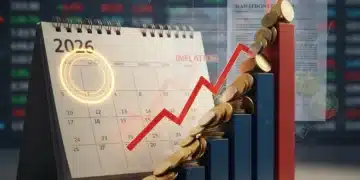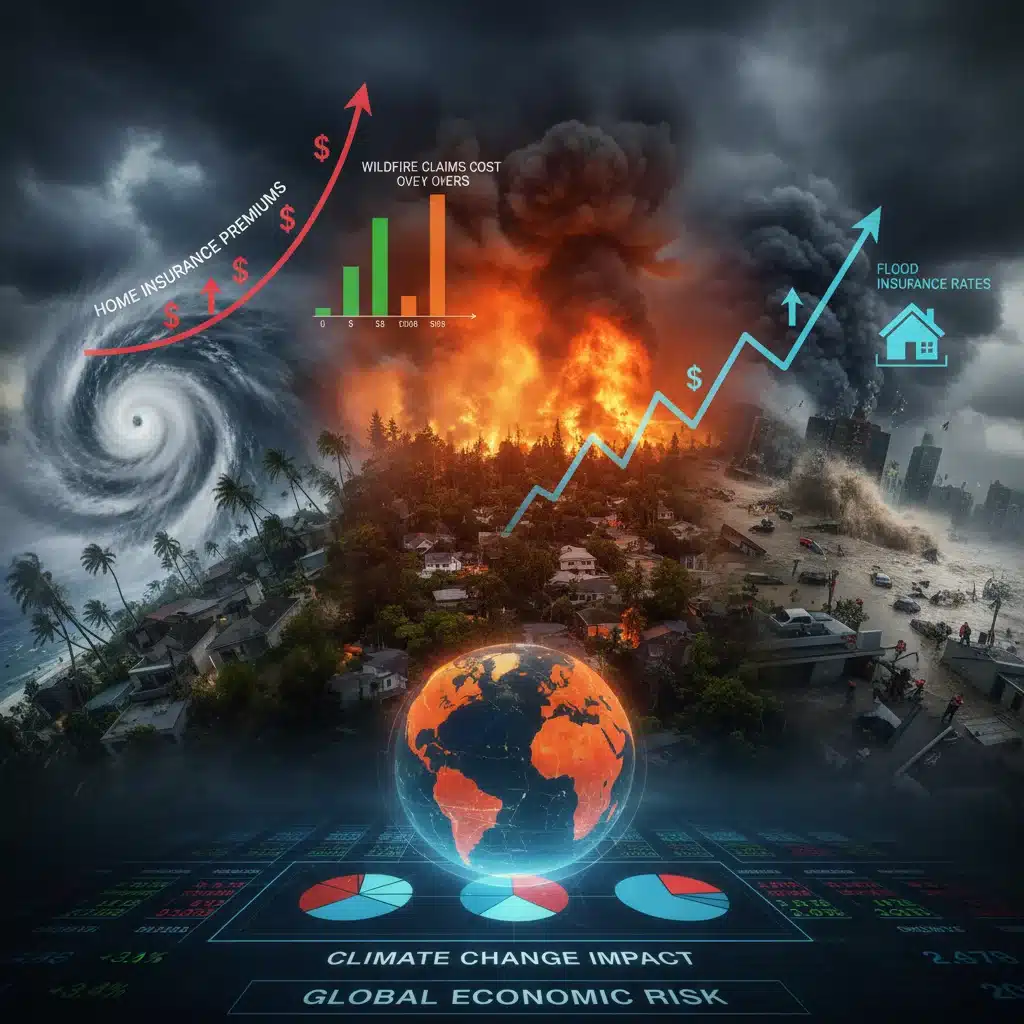
The financial ripple effects of climate change are becoming increasingly apparent, and perhaps nowhere is this more acutely felt than in the insurance industry. A stark reality is emerging: a projected 7% insurance cost jump for 2025-2026, driven primarily by an unprecedented surge in weather-related claims. This isn’t merely a statistical anomaly; it’s a profound shift that is reshaping how we assess risk, protect our assets, and plan for the future. Understanding the intricate relationship between climate change and insurance costs is no longer just for industry experts; it’s a critical concern for every homeowner, business owner, and policymaker.
For decades, insurance models relied on historical data to predict future risks. However, the accelerating pace and intensity of extreme weather events are rendering these traditional models obsolete. From more frequent and devastating hurricanes and floods to widespread wildfires and prolonged droughts, the ‘new normal’ of climate patterns is pushing insurers to re-evaluate their entire operational framework. This article delves deep into the multifaceted reasons behind the projected climate insurance costs increase, explores its far-reaching implications, and examines potential strategies for adaptation and resilience in an increasingly volatile world.
The Unfolding Crisis: Why are Climate Insurance Costs Skyrocketing?
The 7% insurance cost jump is not an arbitrary figure; it’s a direct consequence of a confluence of factors, all rooted in a changing climate. The primary driver is the undeniable increase in the frequency and severity of weather-related claims. Let’s break down the key contributors:
Increased Frequency and Severity of Extreme Weather Events
The scientific consensus is unequivocal: climate change is leading to more intense and frequent extreme weather events. This is the cornerstone of rising climate insurance costs.
- Hurricanes and Tropical Storms: Warmer ocean temperatures fuel stronger hurricanes, leading to higher wind speeds, more intense rainfall, and greater storm surge. Coastal communities, previously considered moderately risky, are now facing unprecedented threats, resulting in colossal property damage claims.
- Flooding: Beyond coastal areas, inland flooding is on the rise due to more intense rainfall events and altered river systems. Urban areas with aging infrastructure are particularly vulnerable, leading to widespread property damage and business interruption claims.
- Wildfires: Prolonged droughts, higher temperatures, and an accumulation of dry vegetation create ideal conditions for catastrophic wildfires. Entire communities are being razed, and the costs associated with property loss, displacement, and environmental remediation are astronomical.
- Severe Convective Storms (Thunderstorms, Hail, Tornadoes): While often localized, these events are becoming more powerful and destructive. Hailstorms with larger hailstones, more frequent and intense tornadoes, and damaging straight-line winds contribute significantly to property damage, particularly to roofs, vehicles, and agricultural assets.
- Heatwaves and Droughts: While not directly causing immediate property damage in the same way as a hurricane, prolonged heatwaves can lead to increased energy consumption (and thus infrastructure strain), and droughts exacerbate wildfire risks and impact agricultural output, leading to indirect claims.
Rising Repair and Rebuilding Costs
When disaster strikes, the cost of repair and rebuilding is often far higher than anticipated. This escalation further contributes to the climate insurance costs problem.
- Supply Chain Disruptions: Global supply chains, already fragile, are further strained by widespread disaster events. Demand for building materials surges after a disaster, leading to price hikes and delays.
- Labor Shortages: Skilled labor for construction and repairs becomes scarce in affected areas, driving up wages and extending recovery timelines.
- Inflation: General economic inflation also plays a role, making everything from raw materials to labor more expensive over time.
- Building Code Changes: In many regions, after a significant weather event, building codes are updated to enhance resilience. While crucial for future safety, these updates often mean that rebuilding to new standards is more expensive than simply replacing what was lost.
Increased Property Values and Urbanization in High-Risk Areas
Paradoxically, some of the most desirable and rapidly developing areas are also those most vulnerable to extreme weather. The concentration of high-value properties in coastal zones or wildfire-prone landscapes means that when a disaster occurs, the financial losses are magnified. This urbanization trend in high-risk zones directly inflates potential payouts and therefore climate insurance costs.
The Reinsurance Market and Capital Constraints
Insurers themselves rely on reinsurance companies to offload some of their risk. When primary insurers face higher claims, reinsurance costs also rise, which is then passed down to policyholders. The increasing frequency of large-scale events means reinsurers are also facing unprecedented payouts, leading to:
- Higher Reinsurance Premiums: Reinsurers are charging more for coverage, directly impacting the premiums set by primary insurers.
- Reduced Capacity: Some reinsurers may become more selective about the risks they cover, or even withdraw from certain markets, limiting options for primary insurers and potentially driving up prices further.
- Capital Strain: The sheer volume of catastrophic losses can strain the capital reserves of both primary insurers and reinsurers, leading to a need for higher premiums to maintain financial solvency.
These interconnected factors create a challenging environment for the insurance industry, forcing them to adjust their pricing models to reflect the new, heightened reality of climate risk. The result is the projected 7% insurance cost jump that will impact millions.
Who Bears the Brunt? The Impact on Homeowners and Businesses
The rising climate insurance costs are not an abstract concept; they translate into tangible financial burdens for individuals and enterprises across the globe. The projected 7% insurance cost jump will be felt widely, but some sectors and demographics will be disproportionately affected.
Homeowners: A Shrinking Safety Net
For homeowners, insurance is not just a luxury; it’s often a necessity dictated by mortgage lenders. The rising costs pose a significant challenge:
- Unaffordable Premiums: In areas frequently hit by disasters, premiums can become prohibitively expensive, making homeownership unattainable for some or forcing others to choose between adequate coverage and other essential expenses.
- Non-Renewals and Withdrawals: Insurers may opt to non-renew policies or even withdraw entirely from high-risk markets, leaving homeowners scrambling for coverage, often through state-backed ‘insurer of last resort’ programs that come with higher premiums and more limited coverage.
- Increased Deductibles: To manage their own risk, insurers are also increasing deductibles, meaning homeowners bear a larger portion of the initial repair costs out of pocket.
- Impact on Property Values: The inability to secure affordable insurance can depress property values in high-risk areas, creating a vicious cycle for homeowners looking to sell.
The dream of homeownership, particularly in scenic coastal or forested regions, is becoming increasingly intertwined with the realities of climate insurance costs.
Businesses: Operational Challenges and Supply Chain Vulnerabilities
Businesses, from small local shops to multinational corporations, also face significant challenges:
- Higher Operating Costs: Increased property, liability, and business interruption insurance premiums directly impact a company’s bottom line, potentially leading to higher prices for consumers or reduced profitability.
- Supply Chain Disruptions: A business’s operations might be insured, but its supply chain is often global. Disasters in other regions can disrupt the flow of goods and raw materials, leading to production delays and lost revenue, even if the business itself is not directly hit.
- Difficulty in Securing Coverage: Businesses in high-risk zones, especially those with unique vulnerabilities (e.g., manufacturing plants near floodplains), may find it difficult to secure comprehensive coverage at a reasonable price.
- Investment Decisions: Companies considering expansion or new facilities must now factor in escalating climate insurance costs and climate risk into their location and investment strategies.
The uncertainty introduced by climate change and its impact on insurance creates a complex risk landscape that businesses must navigate strategically.
The Broader Economic Implications
Beyond individual homeowners and businesses, the rising climate insurance costs have broader economic ramifications:
- Government Burden: When private insurance becomes unavailable or unaffordable, governments often step in as insurers of last resort or provide disaster relief, placing a significant strain on public finances.
- Economic Stagnation: High insurance costs can deter investment and development in vulnerable areas, potentially leading to economic stagnation.
- Social Inequality: Lower-income communities often live in areas more susceptible to climate impacts and may have fewer resources to absorb rising insurance costs or rebuild after a disaster, exacerbating existing social inequalities.
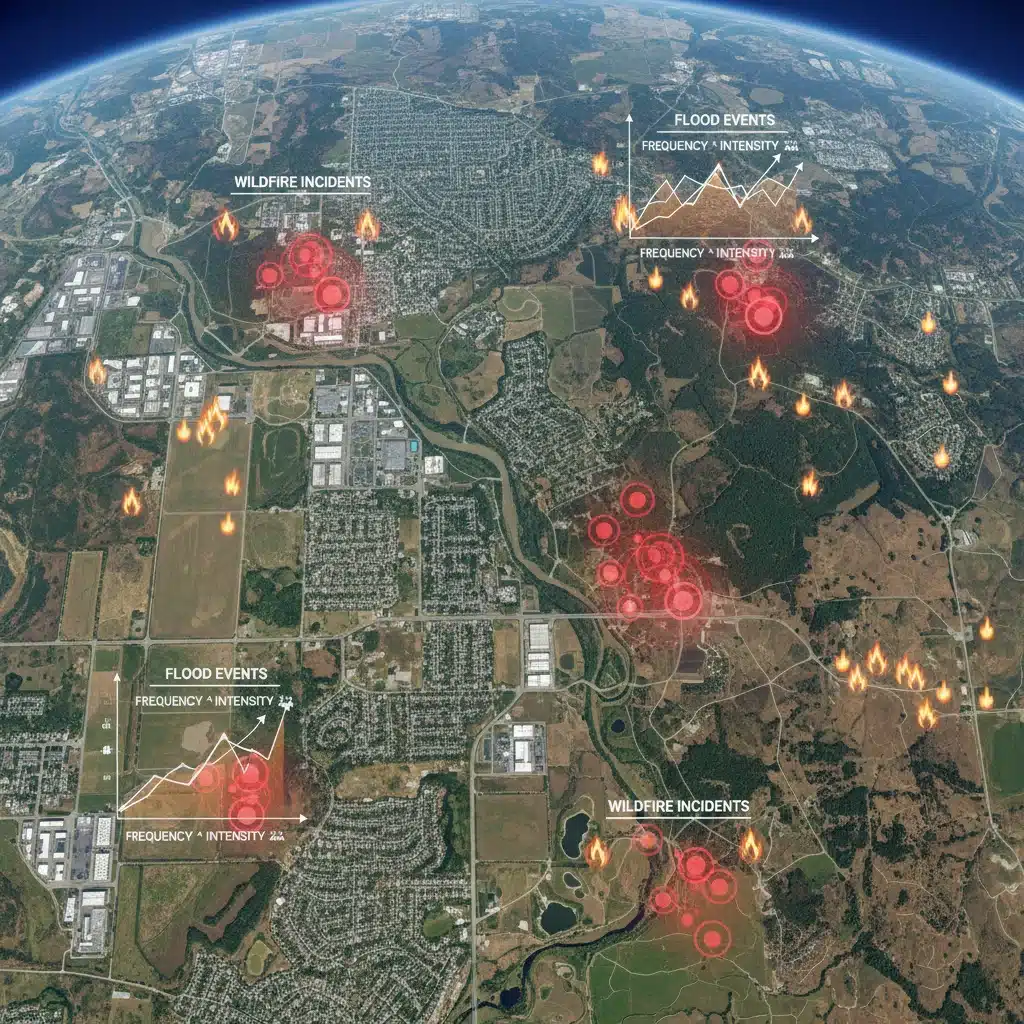
The 7% insurance cost jump is not merely a financial adjustment; it’s a symptom of a larger systemic challenge that demands comprehensive solutions.
Adapting to the New Climate Reality: Strategies and Solutions
While the projected 7% insurance cost jump presents a significant challenge, it also serves as a powerful catalyst for change. Addressing the escalating climate insurance costs requires a multi-faceted approach involving individuals, businesses, governments, and the insurance industry itself.
For Individuals and Homeowners: Proactive Measures
- Risk Assessment and Mitigation: Understand your specific climate risks. For flood-prone areas, elevate utilities or invest in flood barriers. For wildfire zones, create defensible space around your home. These actions not only reduce damage but can also sometimes lead to lower premiums.
- Enhance Home Resilience: Invest in resilient building materials and construction techniques. For example, hurricane-resistant windows, stronger roofing, or fire-resistant landscaping.
- Review and Understand Your Policy: Don’t just pay your premium; understand what your policy covers and, more importantly, what it doesn’t. Be aware of deductibles, coverage limits, and any specific exclusions related to certain perils.
- Shop Around: While options may be limited in high-risk areas, always compare quotes from different insurers and explore state-sponsored programs if private options are scarce.
- Advocate for Community-Level Resilience: Support local initiatives for improved infrastructure, early warning systems, and zoning regulations that consider climate risks.
For Businesses: Strategic Risk Management
- Comprehensive Risk Assessment: Conduct thorough climate risk assessments for all operational sites and supply chain components. Identify vulnerabilities to specific weather events.
- Business Continuity Planning: Develop robust business continuity plans that account for climate-related disruptions, including alternative suppliers, remote work capabilities, and data backup solutions.
- Invest in Resilience: Implement physical upgrades to facilities to withstand extreme weather, such as reinforced structures, improved drainage, or fire suppression systems.
- Diversify Supply Chains: Reduce reliance on single suppliers or regions particularly vulnerable to climate impacts.
- Explore Parametric Insurance: This type of insurance pays out a pre-agreed amount based on a specific trigger event (e.g., wind speed, rainfall amount) rather than actual damages, offering quicker payouts and greater certainty.
For the Insurance Industry: Innovation and Adaptation
The insurance sector is at the forefront of this challenge and must innovate to remain viable and relevant.
- Advanced Data Analytics and Modeling: Insurers are investing heavily in sophisticated climate models, satellite imagery, and AI-driven analytics to better understand and price evolving risks. This means moving beyond historical data to predictive analytics.
- Incentivizing Mitigation: Insurers can play a crucial role by offering discounts or incentives for policyholders who invest in resilience measures, shifting from merely compensating for loss to actively preventing it.
- Developing New Products: Creation of new insurance products tailored to specific climate risks, such as flood insurance for areas previously not considered high-risk, or products that cover business interruption due to climate-induced supply chain failures.
- Partnerships with Governments and Research Institutions: Collaboration is key to developing better risk maps, understanding future climate scenarios, and contributing to public policy on resilience and adaptation.
- Sustainable Investment Strategies: Insurers, as major institutional investors, can direct capital towards climate-resilient infrastructure and green technologies, contributing to broader climate solutions.
Government and Policy Makers: Leading the Charge
Governments have a critical role in creating an enabling environment for adaptation and managing systemic risks.
- Infrastructure Investment: Investing in climate-resilient infrastructure – sea walls, upgraded drainage systems, undergrounding power lines, forest management – can significantly reduce overall damages and, by extension, climate insurance costs.
- Land-Use Planning and Zoning: Implementing stringent zoning regulations that discourage development in high-risk areas and promote smart, resilient growth.
- Building Codes and Standards: Updating and enforcing building codes to ensure new construction is resilient to anticipated climate impacts.
- Public-Private Partnerships: Fostering collaboration between government, the insurance industry, and other stakeholders to share data, develop solutions, and fund resilience projects.
- Climate Change Mitigation: Ultimately, reducing greenhouse gas emissions remains the most fundamental solution. Policies that accelerate the transition to a low-carbon economy will, in the long run, stabilize climate patterns and reduce extreme weather events, thereby alleviating pressure on climate insurance costs.

The projected 7% insurance cost jump is a wake-up call. It underscores the urgent need for a comprehensive and collaborative approach to address climate change and its cascading financial consequences. By embracing innovation, investing in resilience, and fostering strong partnerships, we can navigate this challenging landscape and build a more secure future.
The Road Ahead: Navigating the Future of Climate Insurance Costs
The projected 7% insurance cost jump for 2025-2026 is not an isolated event but a clear indicator of a long-term trend. As climate change continues to manifest in more extreme and unpredictable weather patterns, the dynamics of insurance will continue to evolve. This necessitates a forward-looking perspective and a commitment to continuous adaptation.
The Imperative of Data and Transparency
Accurate and granular data is the bedrock of effective risk management. Insurers need to refine their models using the latest climate science, incorporating projections for future warming and its local impacts. Greater transparency from insurers about how they assess and price climate risk can also empower policyholders to make more informed decisions about where to live, how to build, and what coverage to purchase. This transparency can also foster trust and encourage proactive mitigation efforts. The conversation around climate insurance costs must be data-driven and accessible.
The Role of Technology in Resilience
Technological advancements offer promising avenues for mitigating the impact of rising climate insurance costs. Remote sensing, drones, and AI can provide real-time damage assessments, speeding up claims processing and reducing costs. Smart home technologies can monitor for potential issues like water leaks or fire hazards, preventing small problems from becoming large claims. Predictive analytics can help communities prepare for impending weather events, minimizing damage and loss of life. Investing in these technologies is an investment in future resilience.
Community-Level Resilience: A Collective Effort
Individual actions are important, but systemic change often requires collective effort. Building community-level resilience is paramount. This includes:
- Early Warning Systems: Investing in robust systems that can accurately predict and communicate imminent threats, allowing for timely evacuations and protective measures.
- Natural Infrastructure: Protecting and restoring natural ecosystems like wetlands, mangroves, and forests, which act as natural buffers against storms, floods, and wildfires. These ‘green’ solutions are often more cost-effective and sustainable than traditional ‘grey’ infrastructure.
- Coordinated Response and Recovery: Establishing efficient and equitable disaster response and recovery mechanisms to ensure that all members of a community receive the support they need to rebuild.
When communities are more resilient, the overall burden of claims decreases, which can, in turn, help stabilize climate insurance costs.
Policy and Regulatory Frameworks
Governments and regulatory bodies have a crucial role in shaping the future of climate insurance costs. This involves:
- Incentivizing Resilience: Developing policies that provide financial incentives (e.g., tax breaks, grants) for homeowners and businesses to invest in climate-resilient upgrades.
- Mandating Disclosure: Requiring companies to disclose their climate risks and their strategies for managing them, fostering greater accountability.
- Supporting Innovation: Creating regulatory sandboxes that allow insurers to test new products and services designed to address climate risks.
- Addressing Affordability: Exploring mechanisms to ensure that essential insurance coverage remains affordable, particularly for vulnerable populations, without distorting market signals. This could involve targeted subsidies or risk-sharing programs.
The balance between market forces and social equity will be a continuous challenge in the context of rising climate insurance costs.
The Global Context
Climate change knows no borders, and neither do its financial impacts. The challenges faced by the insurance industry in one region can have ripple effects globally. International cooperation on climate mitigation and adaptation strategies, as well as sharing best practices in insurance and risk management, will be vital in addressing this interconnected crisis. The projected 7% insurance cost jump is a global phenomenon, requiring global solutions.
Conclusion: A Call to Action
The projected 7% insurance cost jump for 2025-2026 serves as a stark reminder that climate change is not a distant threat but a present and rapidly escalating financial reality. The rising tide of weather-related claims is fundamentally altering the landscape of risk and insurance. While the challenges are immense, they are not insurmountable. By understanding the drivers of these escalating costs, embracing innovative solutions, and fostering unprecedented collaboration across all sectors of society, we can build more resilient communities and a more sustainable financial future. The time for proactive engagement and decisive action on climate insurance costs is now.