Home Inventory Best Practices: Document Your Valuables Annually for Seamless Insurance Claims

Life is unpredictable. From natural disasters like fires, floods, and hurricanes to unforeseen events like theft, the loss of personal property can be devastating. While insurance offers a financial safety net, the process of filing a claim and receiving adequate compensation can be daunting, especially when you’re already reeling from a loss. This is precisely where robust home inventory best practices come into play. A comprehensive and up-to-date home inventory is not just a suggestion; it’s a critical component of responsible homeownership and a powerful tool in ensuring a smooth and successful insurance claim process. This article will delve deep into why documenting your valuables every 12 months is not just a good idea, but an absolute necessity, and provide actionable strategies to implement these practices effectively.
The Unseen Value of a Detailed Home Inventory
Imagine your home has suffered significant damage. In the immediate aftermath, your mind is likely focused on safety and recovery. Recalling every single item you owned, its brand, model, purchase date, and approximate value, becomes an almost impossible task. Without a detailed record, you risk underestimating your losses, leading to an undervalued insurance payout. This is the core reason why home inventory best practices are so vital.
Proof of Ownership and Value
Insurance companies require proof. They need to verify that the items you claim were indeed yours and what their approximate value was. A well-maintained home inventory provides this proof in an organized, verifiable format. It includes:
- Photographs and Videos: Visual evidence is incredibly powerful. Pictures of individual items, especially high-value ones, and videos of entire rooms, offer undeniable proof of existence.
- Purchase Receipts: These are the gold standard for proving ownership and original purchase price. Keep digital copies or scan physical receipts.
- Serial Numbers: For electronics, appliances, and other serialized items, recording these numbers is crucial for identification and recovery, especially in cases of theft.
- Appraisals: For high-value items like jewelry, art, antiques, and collectibles, professional appraisals are indispensable. These documents establish the expert-assessed value of your possessions.
- Descriptions: Detailed descriptions of items, including brand, model, color, condition, and any unique features, help differentiate them and establish their worth.
Streamlining the Claims Process
Filing an insurance claim can be a lengthy and often frustrating experience. An exhaustive home inventory significantly simplifies this process. When you can present your insurance adjuster with a clear, itemized list of your damaged or lost property, complete with supporting documentation, it drastically reduces the time and effort required for investigation and verification. This adherence to home inventory best practices can mean the difference between a swift resolution and months of back-and-forth negotiations.
Ensuring Adequate Coverage
Many homeowners are unaware of the true value of their possessions until a loss occurs. An annual home inventory helps you gain a realistic understanding of your total assets. This knowledge is crucial for ensuring you have sufficient insurance coverage. If your inventory reveals that the total value of your belongings exceeds your current policy limits, it’s a clear signal to discuss increasing your coverage with your insurance provider. This proactive approach is a cornerstone of effective home inventory best practices.
Why Annual Documentation is Non-Negotiable
The recommendation to update your home inventory every 12 months isn’t arbitrary; it’s based on practical realities of life and asset management.
Accumulation of New Items
Throughout the year, we acquire new things: a new television, a piece of furniture, holiday gifts, children’s toys, clothing, or even a new hobby that involves specialized equipment. Without regular updates, these new acquisitions won’t be reflected in your inventory, leaving them unprotected in the event of a loss. Annual reviews ensure that every new item is cataloged.
Disposal or Sale of Old Items
Just as we acquire new items, we also get rid of old ones. Selling furniture, donating clothes, upgrading electronics – these actions change the composition of your household. An outdated inventory might include items you no longer own, complicating the claims process and potentially raising red flags with your insurer. Regular updates keep your records accurate and current.
Changes in Value
The value of certain items can fluctuate. Antiques might appreciate, while electronics might depreciate rapidly. Jewelry values can change with market shifts in precious metals and gemstones. For high-value items, annual appraisals might be necessary to reflect their current market value, ensuring you’re adequately compensated. This dynamic aspect underscores the importance of consistent application of home inventory best practices.
Life Events
Major life events, such as marriage, divorce, moving, or inheriting items, can significantly alter your personal property. An annual review provides a structured opportunity to integrate these changes into your inventory, ensuring it remains a true reflection of your current possessions.
Implementing Effective Home Inventory Best Practices: A Step-by-Step Guide
Creating and maintaining a home inventory might seem like a monumental task, but by breaking it down into manageable steps and utilizing modern tools, it becomes entirely achievable. Here’s how to implement robust home inventory best practices:
Step 1: Choose Your Method and Tools
There are various ways to create a home inventory, each with its advantages. Choose what works best for you:
- Smartphone Apps: Many dedicated home inventory apps (e.g., Sortly, Encircle, Home Inventory by NCH Software) allow you to take photos, record details, and store everything digitally.
- Spreadsheets: A simple Excel or Google Sheets document can be highly effective. Create columns for item name, description, brand, model, serial number, purchase date, purchase price, estimated value, location in home, and notes.
- Video Walkthroughs: Use your smartphone to record a slow, detailed video walkthrough of each room, narrating key items and their features.
- Good Old-Fashioned Notebook: While less ideal for proof, a physical notebook can be a starting point. Just be sure to supplement with photos and consider digitizing it later.
Pro Tip: Whichever method you choose, ensure it allows for easy integration of photos and secure, off-site storage.
Step 2: Go Room by Room
Tackling your entire home at once can be overwhelming. Break it down. Start with one room and work your way through it systematically. Open every drawer, cabinet, and closet. Don’t forget attics, basements, garages, and sheds. This methodical approach is key to comprehensive home inventory best practices.
Step 3: Document Each Item Thoroughly
For every item, especially those of significant value, record the following:
- Item Name and Description: Be specific. Instead of “TV,” write “Samsung 65-inch QLED 4K Smart TV.”
- Brand and Model Number: Essential for replacement or valuation.
- Serial Number: Crucial for electronics and appliances.
- Purchase Date and Price: Use receipts if available. Estimate if not.
- Estimated Current Value: Research market values for comparable items.
- Location in Home: Helps in quickly identifying where an item was.
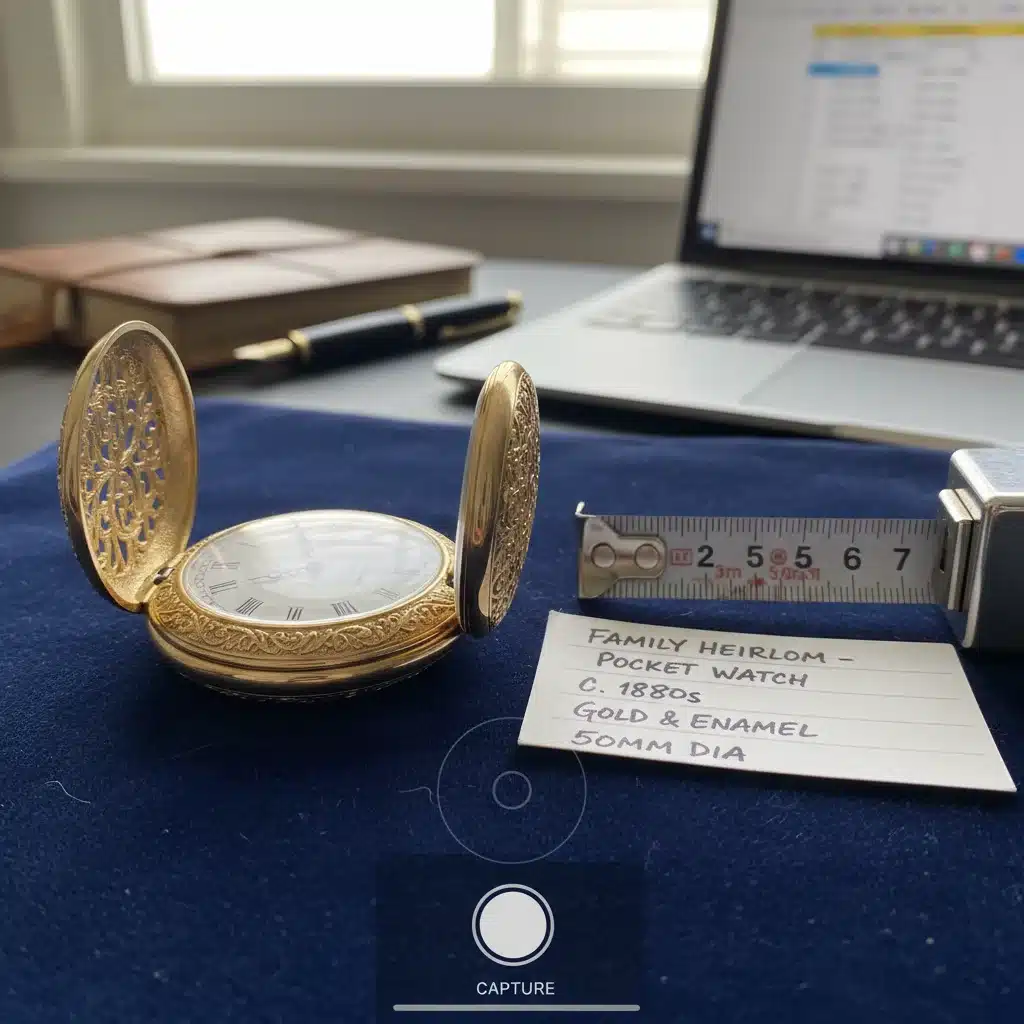
- Photographs: Take multiple clear photos from different angles. For electronics, photograph the serial number. For jewelry, include close-ups of any unique markings.
- Videos: A brief video clip can show the item’s condition.
- Receipts/Appraisals: Scan and attach digital copies.
Step 4: Focus on High-Value and Unique Items
While ideally, every item should be inventoried, prioritize high-value items. These include:
- Jewelry and watches
- Art and antiques
- Collectibles (stamps, coins, sports memorabilia)
- Electronics (computers, cameras, gaming consoles)
- Expensive furniture or appliances
- Specialized tools or equipment
- Designer clothing, handbags, and shoes
- Musical instruments
These items often require special riders or endorsements on your insurance policy, and detailed documentation is paramount for their proper coverage and claims.
Step 5: Store Your Inventory Securely and Off-Site
This is arguably one of the most critical home inventory best practices. What good is an inventory if it’s destroyed along with your home? Your inventory must be stored in a location separate from your residence. Options include:
- Cloud Storage: Services like Google Drive, Dropbox, OneDrive, or iCloud offer secure, accessible, and often free or low-cost storage.
- External Hard Drive: Keep a backup on an external hard drive stored at a friend’s or family member’s house, or in a safe deposit box.
- Email Yourself: For smaller inventories, emailing the document and key photos to yourself can serve as a simple off-site backup.
- Dedicated Inventory Apps: Many apps automatically sync your data to their cloud servers.
Ensure you can easily access your inventory even if your home is inaccessible or your devices are damaged.

Step 6: Schedule Annual Reviews and Updates
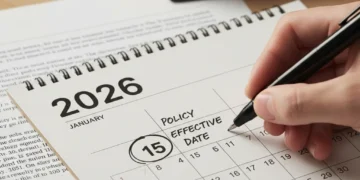
Mark your calendar! Choose a specific time each year (e.g., after the holidays, during spring cleaning, or around your birthday) to review and update your inventory. This annual ritual is the backbone of sustainable home inventory best practices. During this review:
- Add any new purchases.
- Remove items you no longer own.
- Update values for appreciating or depreciating items.
- Take new photos or videos if an item’s condition has changed.
- Re-evaluate your insurance coverage based on your updated inventory.
Beyond the Basics: Advanced Home Inventory Tips
To truly master home inventory best practices, consider these additional tips:
Consider Professional Appraisals
For truly valuable items (e.g., fine art, antique furniture, rare collectibles, high-end jewelry), obtain professional appraisals. These documents are invaluable for insurance purposes and should be updated every few years as values can change.
Document Structural Elements and Improvements
While the focus is often on personal property, don’t forget documentation for your home itself. Keep records of major renovations, unique architectural features, and high-quality finishes. This can be crucial for homeowners insurance claims related to structural damage.
Separate Business Property
If you run a home-based business, keep a separate inventory for business-related equipment and supplies. Homeowner’s insurance typically has very limited coverage for business property, and you may need a separate business insurance policy.
Educate Family Members
Ensure at least one other trusted family member knows where your inventory is stored and how to access it. In an emergency, you might not be able to retrieve it yourself.
Understand Your Policy
Familiarize yourself with your homeowner’s or renter’s insurance policy. Understand your coverage limits, deductibles, and any specific requirements for filing claims. Knowing what your policy covers will help you tailor your inventory to meet those needs.
Common Pitfalls to Avoid
Even with the best intentions, mistakes can happen. Be aware of these common pitfalls to ensure your home inventory best practices remain effective:
Incomplete Documentation
Skipping details like serial numbers or not taking enough photos can weaken your claim. Be thorough.
Outdated Inventory
A neglected inventory is almost as bad as no inventory. The annual update is critical.
Solely Physical Storage
Relying only on physical copies stored in your home is a recipe for disaster if your home is destroyed.
Over-Valuing Items
While you want to ensure fair compensation, deliberately over-valuing items can lead to scrutiny from your insurer and potentially delay your claim.
Not Understanding Policy Limitations
Some items (like cash, firearms, or certain collectibles) have sub-limits within standard policies. Know these limits and consider additional coverage if needed.
The Peace of Mind Factor
Beyond the financial and logistical benefits, maintaining a comprehensive home inventory offers invaluable peace of mind. Knowing that you’ve taken proactive steps to protect your assets, and that you have the documentation ready should the worst happen, can significantly reduce stress during an already traumatic time. It empowers you to navigate the insurance claims process with confidence and efficiency, allowing you to focus on rebuilding and recovery.
Conclusion
In the grand scheme of homeownership responsibilities, creating and maintaining a home inventory often falls by the wayside. However, as this extensive guide illustrates, adopting robust home inventory best practices, particularly the commitment to documenting your valuables every 12 months, is a non-negotiable aspect of protecting your financial future. It’s a small investment of time and effort that can yield immense returns when you need it most. By following these steps, utilizing available tools, and making annual updates a routine, you’ll be well-prepared for any eventuality, ensuring that your insurance claims are seamless, fair, and ultimately, successful. Don’t wait for a disaster to highlight the importance of an inventory; start today and secure your peace of mind.