Cut Home Insurance: 7 Smart Upgrades for Savings

Mitigation Matters: 7 Home Improvements That Can Reduce Your Homeowner’s Insurance by 5-15% This Year
In today’s economic climate, every dollar saved counts, especially when it comes to recurring expenses like homeowner’s insurance. Many homeowners view their insurance premiums as a fixed cost, an unavoidable monthly or annual bill that simply has to be paid. However, this perception couldn’t be further from the truth. Your homeowner’s insurance premium is a dynamic figure, heavily influenced by the perceived risk associated with your property. And here’s the good news: you have a significant amount of control over that risk profile. By strategically investing in certain home improvements, you can proactively reduce the likelihood of claims, making your home a more attractive prospect for insurers and, in turn, unlocking substantial home insurance savings.
The concept is simple: insurers assess the risk of your home experiencing damage, theft, or liability issues. The higher the risk, the higher your premium. Conversely, when you implement measures that mitigate these risks, insurers are often willing to reward you with discounts, sometimes lowering your premiums by a considerable 5-15% or even more. This isn’t just about saving money; it’s about making your home safer, more resilient, and ultimately, more valuable. These improvements are not merely expenses; they are investments that pay dividends in both financial savings and peace of mind.
This comprehensive guide will delve into seven key home improvements that are widely recognized by insurance providers as effective risk reduction strategies. We’ll explore how each upgrade impacts your home’s safety and durability, the potential insurance discounts they offer, and practical tips for implementation. Whether you’re looking to protect your home from natural disasters, deter burglars, or simply update an aging property, these improvements offer a clear path to significant home insurance savings. Prepare to transform your home into a fortress of safety and a beacon of financial prudence.
Understanding How Home Improvements Lead to Home Insurance Savings
Before we dive into the specific improvements, it’s crucial to understand the underlying mechanism by which these upgrades translate into lower insurance premiums. Insurers use complex algorithms to calculate your premium, taking into account numerous factors such as your home’s age, location, construction materials, claims history, and the presence of safety and protective features. When you make improvements that enhance your home’s resistance to damage or reduce the likelihood of a claim, you are directly influencing these factors in your favor.
For instance, a new roof made of impact-resistant materials significantly reduces the risk of damage from hail or strong winds, common causes of claims. Similarly, a robust home security system deters theft, minimizing the chances of a costly burglary claim. From an insurer’s perspective, these proactive measures mean a lower probability of paying out claims, which allows them to offer you a reduced premium. It’s a win-win situation: you get a safer, more modern home, and they get a lower-risk policyholder.
It’s important to note that the exact percentage of savings can vary widely depending on your insurance provider, your location, the specific improvements made, and your existing policy. However, most reputable insurers offer a range of discounts for qualifying upgrades. Always communicate with your insurance agent before, during, and after making significant home improvements to understand the potential discounts available to you and ensure you meet their specific criteria for qualification. Documentation, such as receipts, permits, and professional inspection reports, will be vital in proving the upgrades and securing your home insurance savings.
1. Upgrade to an Impact-Resistant Roof
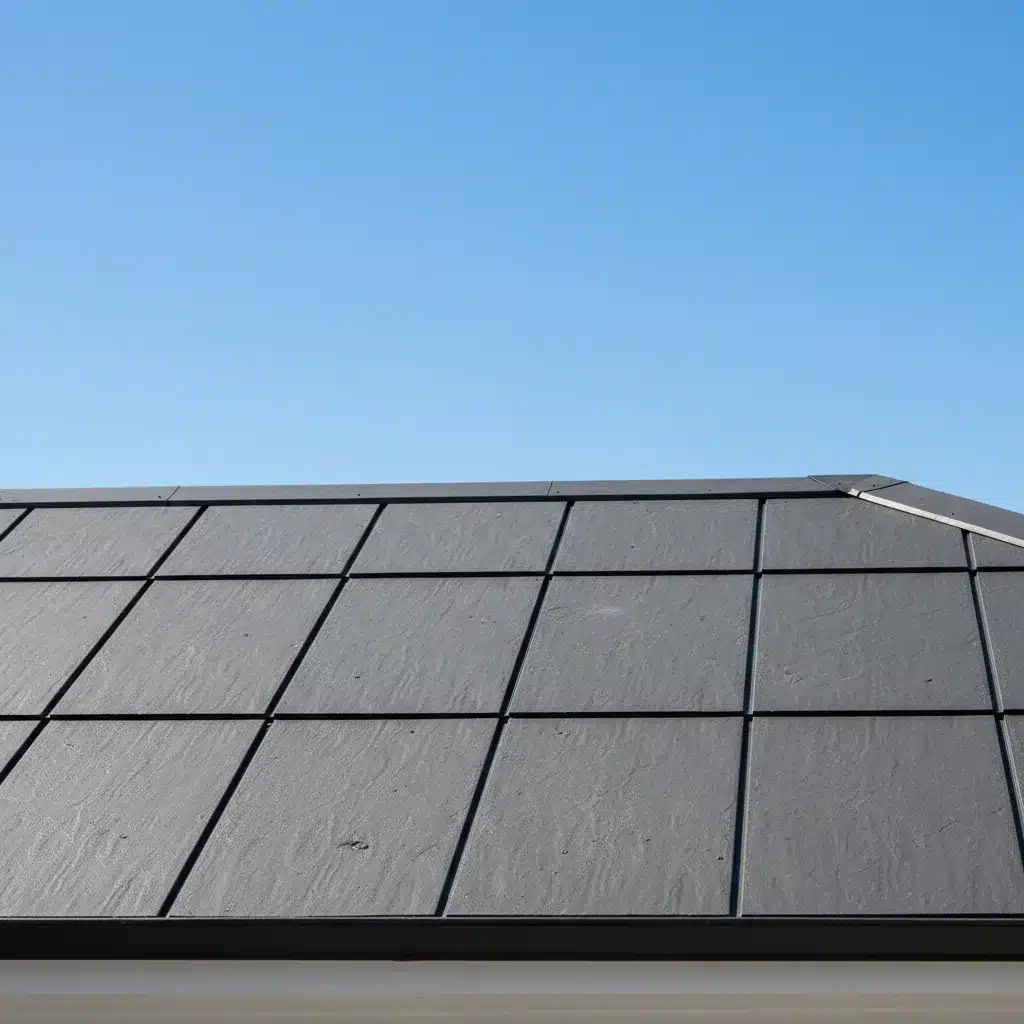
One of the most significant investments you can make for both your home’s longevity and your insurance premiums is upgrading your roof. Standard asphalt shingle roofs are susceptible to damage from severe weather events like hail, strong winds, and falling debris. An impact-resistant roof, often made from specialized asphalt shingles, modified asphalt, metal, or synthetic materials, is designed to withstand these forces much more effectively.
Such roofs are tested and rated for their ability to resist damage from impacts. For example, some materials are rated Class 4 for impact resistance, meaning they can withstand the impact of a 2-inch steel ball dropped from 20 feet without cracking. This superior durability translates directly into fewer roof damage claims, which is a major concern for insurers, especially in regions prone to severe weather.
How it generates home insurance savings: Insurers frequently offer substantial discounts for homes equipped with impact-resistant roofs. These discounts can range from 5% to 20% or even higher, particularly in areas with frequent hailstorms or high winds. The reasoning is clear: a stronger roof means fewer claims for roof repair or replacement. Beyond the direct savings, an impact-resistant roof enhances your home’s overall resilience, protecting your most valuable asset from the elements.
Key Considerations for Roof Upgrades:
- Material Choice: Research various impact-resistant materials to find one that suits your budget, climate, and aesthetic preferences.
- Professional Installation: Ensure your new roof is installed by a certified and reputable contractor to guarantee its effectiveness and warranty.
- Documentation: Keep all receipts, warranties, and certifications for the roofing materials and installation. Your insurer will likely require this proof to apply the discount.
- Local Building Codes: Always check local building codes and obtain any necessary permits before starting a major roofing project.
2. Install a Comprehensive Home Security System
A robust home security system is perhaps one of the most intuitive ways to reduce your insurance premiums. The primary goal of homeowner’s insurance is to protect your property from perils like theft and vandalism. A sophisticated security system acts as a powerful deterrent to burglars and can significantly reduce the likelihood of a successful break-in, thereby minimizing the chances of you needing to file a claim.
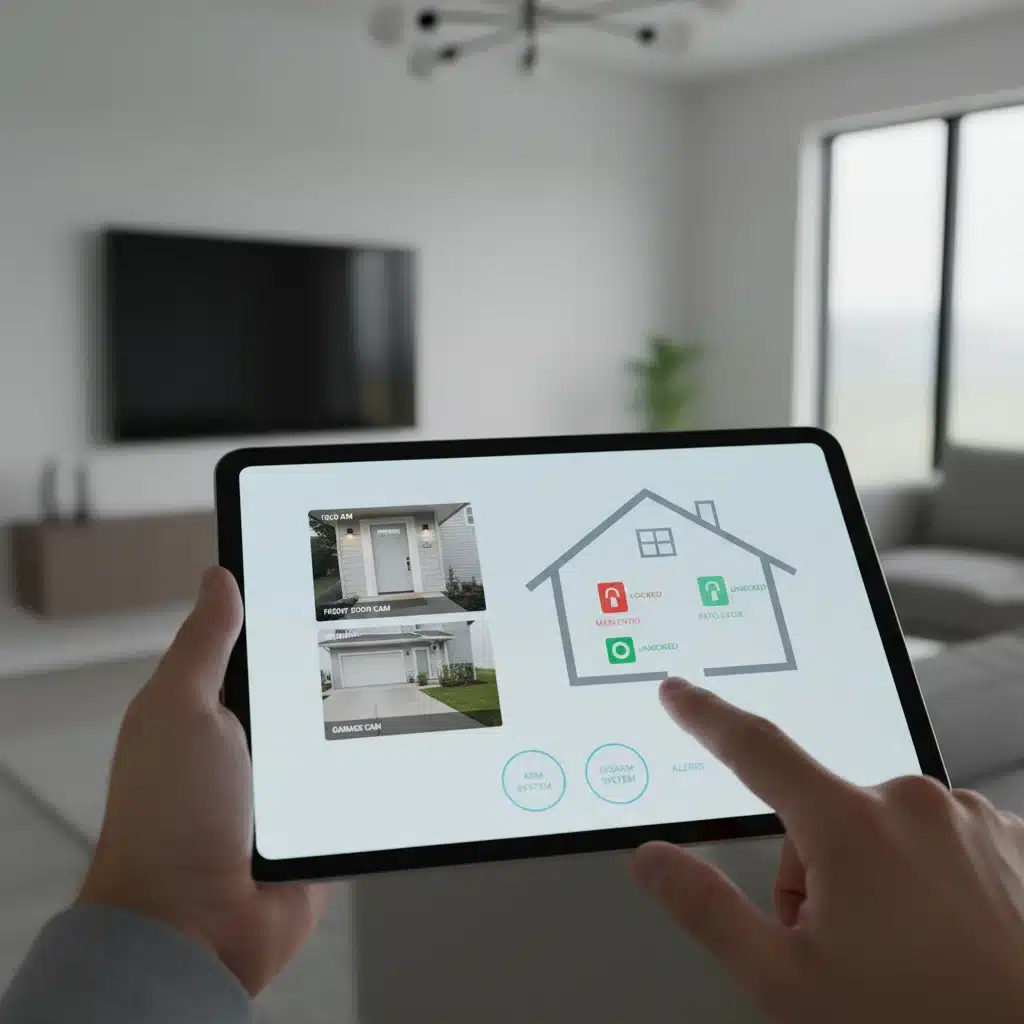
Modern home security systems go far beyond simple alarms. They often include features such as 24/7 professional monitoring, motion sensors, door and window sensors, glass-break detectors, and even integrated surveillance cameras. Some advanced systems offer smart home integration, allowing you to monitor and control your security features remotely via a smartphone app. The presence of visible signage indicating a professionally monitored security system alone can be enough to deter potential intruders.
How it generates home insurance savings: Insurers are keen on policyholders who take proactive steps to protect their property from theft. Discounts for professionally monitored security systems are very common and can typically range from 5% to 15%. Some insurers offer additional discounts for systems with advanced features like video surveillance or direct links to emergency services. The peace of mind that comes with enhanced security is an invaluable added benefit, alongside the tangible home insurance savings.
Key Considerations for Security Systems:
- Professional Monitoring: Opt for a system with 24/7 professional monitoring, as this is often a requirement for insurance discounts.
- System Features: Tailor the system to your home’s specific needs, considering entry points, valuable items, and vulnerable areas.
- Certifications: Ensure the system and its installation meet industry standards and certifications, which your insurer may require.
- Notify Your Insurer: Inform your insurance company as soon as the system is installed and activated to apply for the discount.
3. Upgrade Electrical Wiring and Plumbing
Older homes, particularly those built before the 1970s, often have outdated electrical wiring (such as knob-and-tube or aluminum wiring) and plumbing systems (like galvanized steel pipes). These older systems pose a higher risk of fire, water damage, and leaks, which are among the most common and costly homeowner’s insurance claims. Insurers are acutely aware of these risks and often charge higher premiums for homes with outdated infrastructure.
Upgrading to modern electrical wiring (e.g., copper wiring with updated circuit breakers) significantly reduces the risk of electrical fires, short circuits, and power surges. Similarly, replacing old, corroded plumbing with modern materials like PEX or copper piping drastically lowers the chances of burst pipes, leaks, and water damage, which can lead to extensive repairs and mold growth.
How it generates home insurance savings: While not always a direct percentage discount, upgrading electrical and plumbing systems can lead to substantial reductions in premiums, sometimes preventing an insurer from denying coverage altogether for older homes. Insurers view these upgrades as essential risk mitigation. They may offer specific discounts for these improvements, or more commonly, the absence of these high-risk features will simply result in a lower base premium. The long-term savings from avoiding potential claims can be enormous, far outweighing the initial investment in these crucial infrastructure upgrades.
Key Considerations for Electrical and Plumbing:
- Professional Assessment: Have a qualified electrician and plumber inspect your systems to identify any risks and recommend necessary upgrades.
- Full Replacement: For maximum savings and safety, consider a full replacement of outdated systems rather than piecemeal repairs.
- Permits and Inspections: Ensure all work is done according to code and passes necessary inspections. This documentation is crucial for insurance purposes.
- Disclosure: Be transparent with your insurer about the age and condition of your systems, and inform them immediately after upgrades are completed.
4. Install Smart Home Technology for Risk Mitigation
Beyond traditional security systems, the advent of smart home technology offers a new frontier for proactive risk management and potential home insurance savings. Smart devices can monitor various aspects of your home’s environment, alerting you to potential issues before they escalate into major claims.
Examples include smart water leak detectors that can sense moisture and shut off your main water supply, smart smoke and carbon monoxide detectors that alert you remotely and contact emergency services, and smart temperature sensors that prevent pipes from freezing. These devices provide an early warning system, allowing homeowners to intervene quickly and prevent costly damage.
How it generates home insurance savings: Many insurers are now recognizing the value of smart home technology in reducing claims. Discounts for installing smart water leak detectors, smart smoke detectors, or comprehensive smart home systems are becoming more common, often ranging from 2% to 10%. These technologies demonstrate to insurers that you are actively monitoring and protecting your property, reducing their exposure to risks like water damage (a leading cause of claims) and fire.
Key Considerations for Smart Home Tech:
- Compatibility: Ensure chosen devices are compatible with each other and with your existing home infrastructure.
- Professional Installation (Optional but Recommended): While some devices are DIY-friendly, professional installation ensures optimal performance and may be preferred by some insurers.
- Integration: Look for systems that integrate seamlessly to provide a comprehensive monitoring solution.
- Check with Insurer: Always confirm which specific smart home devices qualify for discounts with your insurance provider.
5. Reinforce Doors and Windows
The strength of your home’s entry points plays a critical role in its security and resistance to environmental damage. Weak doors and windows are not only inviting targets for burglars but can also be vulnerable to strong winds and flying debris during storms. Reinforcing these elements can significantly enhance your home’s safety and resilience.
Upgrades can include installing deadbolt locks on all exterior doors, replacing hollow-core doors with solid-core or metal doors, installing security film on windows, or upgrading to hurricane-rated windows and doors in storm-prone regions. Window and door sensors, as part of a security system, also contribute to this protection.
How it generates home insurance savings: Insurers often provide discounts for enhanced door and window security, especially for deadbolt locks and impact-resistant windows. These discounts can vary but typically fall within the 2% to 5% range. In hurricane-prone areas, investing in hurricane-rated windows, storm shutters, or reinforced garage doors can lead to substantial wind mitigation credits, sometimes reducing the wind portion of your premium by a significant margin. This is a direct investment in preventing theft and minimizing storm damage, leading to tangible home insurance savings.
Key Considerations for Doors and Windows:
- Deadbolts: Ensure all exterior doors have strong, single-cylinder deadbolt locks with a throw of at least one inch.
- Window Locks: Install sturdy locks on all windows and consider additional security measures like window bars or security film.
- Storm Preparedness: If you live in a hurricane or tornado-prone area, research and install certified impact-resistant windows, doors, and garage doors, or consider temporary storm shutters.
- Professional Advice: Consult with a security expert or a contractor specializing in storm-resistant installations for optimal protection.
6. Install a Back-Up Generator
Power outages, whether due to severe weather, utility issues, or other unforeseen events, can lead to a host of problems for homeowners. Prolonged outages can result in food spoilage, frozen pipes in winter, and the inability to power critical medical equipment or security systems. While a back-up generator doesn’t directly prevent a claim like a security system, it mitigates the secondary damages that can arise from a power loss.
A standby generator automatically kicks in when the power goes out, ensuring your home maintains essential functions. This can prevent significant financial losses from spoiled food, burst pipes (if your heating system relies on electricity), and the inability to operate sump pumps during heavy rain, which could lead to basement flooding.
How it generates home insurance savings: While less common than security or roof discounts, some insurers, especially in areas prone to frequent or long-duration power outages, may offer small discounts (typically 1% to 3%) for the installation of a whole-house standby generator. More importantly, the generator acts as a powerful preventative measure against costly claims that could arise from power interruptions, effectively safeguarding your deductible and preventing premium increases due to future claims. The true value lies in preventing claims rather than just reducing premiums, offering another avenue for indirect home insurance savings.
Key Considerations for Generators:
- Fuel Type: Choose between natural gas, propane, or diesel generators based on availability and cost.
- Size and Capacity: Determine the wattage needed to power your essential appliances and systems during an outage.
- Professional Installation: Generators require professional installation to ensure safety and compliance with local codes.
- Maintenance: Regular maintenance is essential to ensure your generator is ready to operate when needed.
7. Improve Fire Safety Measures
Fire is one of the most devastating perils a home can face, leading to catastrophic damage and significant claims. Implementing robust fire safety measures is not only crucial for the safety of your family but also highly valued by insurance companies, leading to potential home insurance savings.
Beyond basic smoke detectors, consider installing interconnected smoke detectors throughout your home, ensuring that if one alarm sounds, all alarms activate. Upgrading to a monitored fire alarm system that automatically alerts the fire department is an even more effective measure. Additionally, investing in a residential sprinkler system, while a larger undertaking, offers the highest level of fire protection.
How it generates home insurance savings: Insurers offer various discounts for enhanced fire safety. Monitored fire alarm systems can lead to discounts similar to those for security systems (5% to 10%). Homes equipped with residential sprinkler systems can see even more substantial reductions, sometimes as high as 10% to 20%, due to the dramatic reduction in fire damage potential. These improvements demonstrate a strong commitment to preventing one of the most expensive types of claims, making you a lower-risk policyholder.
Key Considerations for Fire Safety:
- Interconnected Smoke Detectors: Ensure all smoke detectors are interconnected, so they all sound if one is triggered.
- Carbon Monoxide Detectors: Install CO detectors, especially near sleeping areas and fuel-burning appliances.
- Monitored Fire Alarms: Consider a system that automatically alerts emergency services.
- Residential Sprinklers: While costly, these offer the best fire protection and can yield significant insurance discounts.
- Fire Extinguishers: Keep easily accessible fire extinguishers on each floor and in the kitchen.
Maximizing Your Home Insurance Savings: The Next Steps
Implementing these seven home improvements is a powerful strategy to not only enhance your home’s safety and value but also to significantly reduce your homeowner’s insurance premiums. Remember, each improvement you make contributes to a lower risk profile for your property, a fact that insurers are eager to reward.
To truly maximize your home insurance savings, it’s essential to follow a systematic approach:
- Assess Your Current Home: Start by identifying which of these improvements would be most beneficial for your property, considering its age, location, and existing features.
- Contact Your Insurer: Before undertaking any major project, speak with your insurance agent. Inquire about specific discounts they offer for each type of improvement and what documentation they require. This proactive step ensures you’re investing in upgrades that will actually yield savings.
- Prioritize and Budget: Not all improvements need to be done at once. Prioritize upgrades that offer the highest return on investment in terms of safety and insurance savings, and plan your budget accordingly.
- Professional Work and Documentation: Always use licensed and reputable contractors for significant upgrades. Keep meticulous records of all receipts, warranties, permits, and inspection reports. This documentation is crucial for proving the improvements to your insurer.
- Regularly Review Your Policy: Don’t make an improvement and forget about it. Periodically review your insurance policy with your agent to ensure all eligible discounts are applied and that your coverage accurately reflects your updated home.
- Shop Around: Even after making improvements, it’s always a good idea to periodically get quotes from different insurance providers. Discounts can vary significantly between companies, and you might find even greater savings elsewhere.
By taking these proactive steps, you’re not just making your home safer; you’re also taking control of your financial future. The investment in these home improvements will pay off not only in reduced insurance premiums year after year but also in increased property value, enhanced safety, and invaluable peace of mind. Start your journey towards significant home insurance savings today and enjoy a more secure and affordable homeownership experience.