Master Your Declarations Page: Essential 2026 Insurance Updates Explained
Master Your Declarations Page: Essential 2026 Insurance Updates Explained
Your insurance declarations page, often overlooked, is arguably the most crucial document in your entire insurance policy. It’s the concise summary that outlines what’s covered, for how much, and under what conditions. As we approach 2026, understanding the potential changes and ensuring your declarations page 2026 is accurate and up-to-date is more critical than ever. This comprehensive guide will walk you through everything you need to know, from deciphering jargon to identifying key updates and ensuring you have the right coverage.
In an ever-evolving world, insurance policies are not static. They adapt to new risks, economic shifts, and regulatory changes. For 2026, we anticipate several areas where your declarations page might reflect significant adjustments. Failing to review this document thoroughly could lead to inadequate coverage, unexpected out-of-pocket expenses, or even policy lapses. Let’s embark on a journey to demystify your declarations page and empower you to take control of your insurance future.
What Exactly is a Declarations Page?
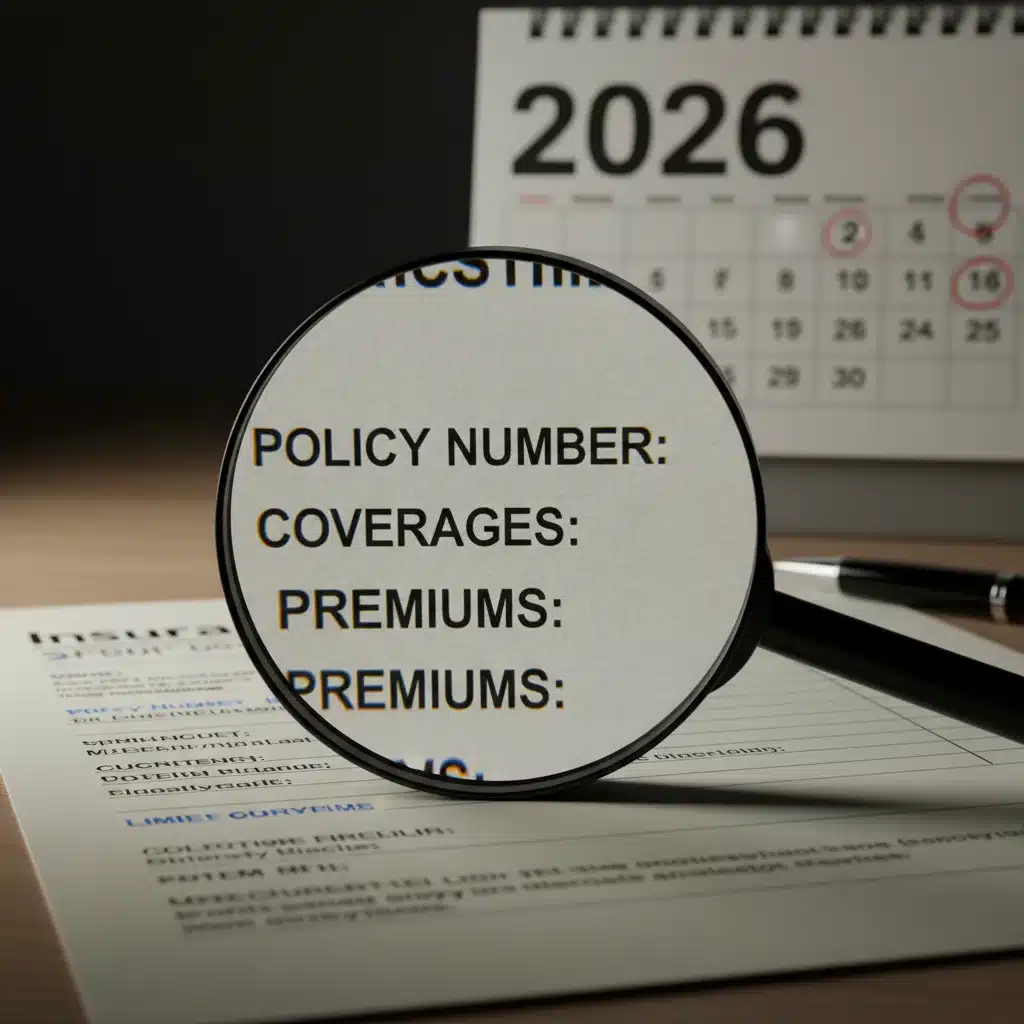
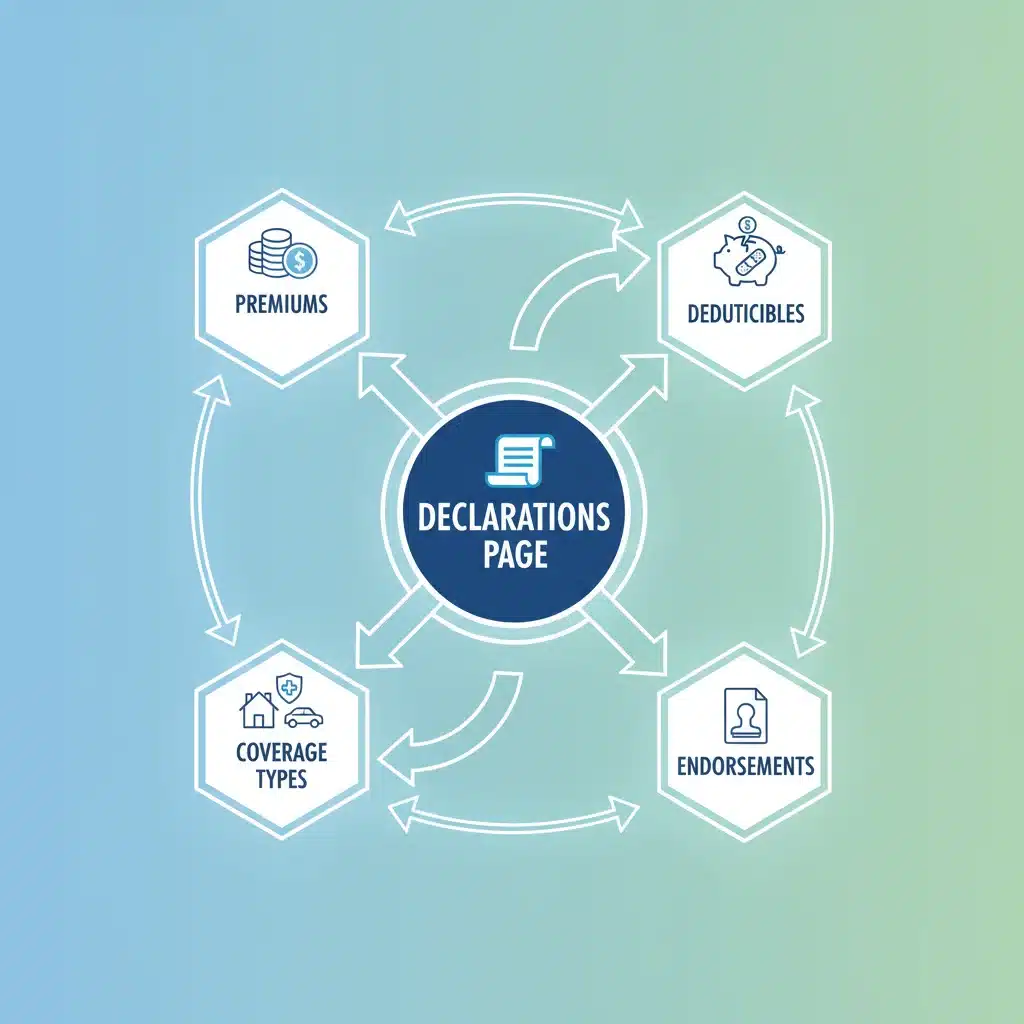
Before diving into the 2026 specifics, let’s establish a foundational understanding. The declarations page, often abbreviated as ‘dec page,’ is the front page or summary section of your insurance policy. Think of it as the executive summary of a much longer, more detailed legal document. It provides a snapshot of your coverage, including:
- Policyholder Information: Your name, address, and contact details.
- Policy Number: A unique identifier for your specific policy.
- Policy Period: The effective dates when your coverage begins and ends.
- Coverages and Limits: A detailed list of what’s covered (e.g., dwelling, personal property, liability) and the maximum amount the insurer will pay for each.
- Deductibles: The amount you must pay out-of-pocket before your insurance coverage kicks in.
- Premiums: The cost of your insurance for the specified policy period.
- Discounts and Surcharges: Any reductions or increases to your premium based on specific factors.
- Endorsements/Riders: Additional coverages or modifications to the standard policy terms.
- Insured Property/Vehicles: Specific details about the assets being insured.
This page is your first point of reference for almost any insurance-related query. It’s what you’ll typically refer to when filing a claim, comparing policies, or simply confirming your coverage. Therefore, ensuring the accuracy and understanding of your declarations page 2026 is paramount.
Why Your Declarations Page is More Important Than You Think
Many policyholders tend to file away their insurance documents without a second glance after the initial purchase. This is a common mistake that can have significant repercussions. Your declarations page serves several vital functions:
- Proof of Coverage: It’s your official document proving you have insurance, often required for mortgages, vehicle registration, or rental agreements.
- Quick Reference: In an emergency, you can quickly find your policy number, coverage limits, and deductible amounts without sifting through dozens of pages of legal text.
- Basis for Claims: When you file a claim, the adjuster will refer to your declarations page to confirm your coverage and limits. Any discrepancies here can delay or even deny your claim.
- Understanding Your Financial Responsibility: Your deductibles and limits directly impact your out-of-pocket expenses in the event of a loss. Knowing these figures helps you plan financially.
- Comparison Tool: When shopping for new insurance, your existing declarations page is the best tool for comparing quotes and ensuring you’re getting similar or better coverage.
Ignoring this document is akin to owning a car but never checking the dashboard. You might be driving, but you have no idea about your fuel level, speed, or engine health. For your financial well-being, especially concerning potential risks in 2026, make it a habit to review your declarations page 2026 diligently.
Anticipated Key Updates for Your Declarations Page in 2026
While specific changes will vary by insurer, region, and policy type, certain trends and regulatory shifts suggest areas where your declarations page 2026 might see updates. Being aware of these potential changes allows you to proactively assess your needs.
1. Climate-Related Risks and Coverage Adjustments
The increasing frequency and intensity of extreme weather events are leading insurers to re-evaluate their risk models. For 2026, expect to see:
- Increased Premiums: Especially in areas prone to floods, wildfires, hurricanes, or severe storms. These increases will be reflected directly on your declarations page.
- Modified Coverage Limits: Some standard coverages might have their limits adjusted downward, or specific perils might be excluded, requiring special endorsements.
- New Endorsements: Insurers might introduce new endorsements for specific climate-related risks (e.g., enhanced wildfire protection, overland flood coverage) that you’ll need to explicitly add to your policy.
- Higher Deductibles: To mitigate their own risk, insurers might raise deductibles for certain perils, particularly those related to natural disasters.
It’s crucial to check if your policy still adequately covers your property against these evolving threats. If you live in a high-risk area, these changes on your declarations page 2026 could be substantial.
2. Cybersecurity and Digital Asset Protection
As our lives become increasingly digital, cyber threats are a growing concern. While not traditionally a core part of property or auto insurance, some insurers are beginning to offer:
- Cyber Liability Endorsements: Coverage for data breaches, identity theft, and cyber extortion.
- Digital Asset Coverage: Protection for valuable digital assets like cryptocurrency, NFTs, or extensive online content.
If these coverages are available and relevant to you, they would appear as specific endorsements or riders on your declarations page 2026. This is an emerging area, so keep an eye out for these additions.
3. Inflationary Pressures on Property Values and Reconstruction Costs
Persistent inflation can significantly impact the cost of rebuilding a home or replacing damaged property. For 2026, your declarations page might show:
- Adjusted Dwelling Coverage Limits: Insurers will likely update the estimated cost to rebuild your home to reflect current construction material and labor costs. Ensure this figure is accurate, as underinsurance can be disastrous.
- Increased Personal Property Limits: The value of your personal belongings also rises with inflation. Verify that your personal property coverage (Coverage C) is sufficient.
Reviewing your declarations page 2026 for these adjustments is vital to avoid being underinsured in the event of a total loss.

4. Auto Insurance: EV Impact and Advanced Driver-Assistance Systems (ADAS)
The rise of Electric Vehicles (EVs) and vehicles equipped with sophisticated ADAS technology is influencing auto insurance:
- Higher Repair Costs: EVs and ADAS-equipped cars often have more expensive parts and specialized repair requirements. This could lead to higher premiums or specific endorsements.
- Telematics Discounts: Insurers are increasingly offering discounts for telematics devices or apps that monitor driving behavior. If you’ve adopted one, confirm the discount is reflected on your declarations page 2026.
- New Coverage Options: Some policies might introduce specific coverages for EV battery damage or charging equipment.
If you own an EV or a car with advanced features, scrutinize your auto declarations page 2026 for these specific considerations.
5. Regulatory Changes and State-Specific Mandates
Insurance is heavily regulated at the state level. New laws or mandates can directly impact policy terms and coverage requirements. For 2026, various states might introduce:
- Changes to Minimum Liability Limits: Some states may increase the minimum required liability coverage for auto or homeowners policies.
- New Consumer Protections: Regulations around cancellation policies, claims handling, or premium increases could be updated.
- Mandatory Coverages: Certain coverages might become mandatory in specific regions due to emerging risks.
While your declarations page won’t detail the laws, it will reflect the practical outcome of these regulations in your coverage structure and pricing. Stay informed about local insurance news relevant to your declarations page 2026.
How to Effectively Review Your Declarations Page for 2026
Now that you know what to look for, here’s a step-by-step guide to reviewing your declarations page 2026 to ensure optimal protection:
Step 1: Locate and Gather All Your Declarations Pages
Collect the declarations pages for all your active insurance policies: home, auto, renters, umbrella, life, etc. Make sure they are the most recent versions, typically sent with your renewal documents.
Step 2: Verify Personal and Policy Information
- Your Name and Address: Ensure they are spelled correctly and up-to-date.
- Policy Number and Period: Confirm the policy number matches your records and the coverage dates are correct for 2026.
- Insured Property/Vehicles: Check that all listed assets are accurate and any removed items (e.g., sold car) are no longer on the policy.
Step 3: Scrutinize Coverage Limits and Deductibles
- Dwelling Coverage (Coverage A – Homeowners): Does this amount still reflect the cost to rebuild your home in 2026, considering inflation and local construction costs? It should not be based on market value.
- Personal Property Coverage (Coverage C – Homeowners/Renters): Is this enough to replace all your belongings? Consider creating a home inventory.
- Liability Coverage (All Policies): Are your liability limits sufficient to protect your assets in case of a lawsuit? Many experts recommend at least $300,000 to $500,000, or even an umbrella policy.
- Auto Coverage: Review bodily injury and property damage liability, comprehensive, and collision limits. Are your deductibles for comp and collision still appropriate for your budget?
- Deductibles: Can you comfortably afford to pay your deductibles for each coverage type? Higher deductibles often mean lower premiums, but ensure they are manageable.
Step 4: Understand All Endorsements and Exclusions
This is where many critical details hide. Endorsements add or modify coverage, while exclusions explicitly state what is NOT covered. For your declarations page 2026:
- Read Each Endorsement: Understand what it adds. For example, ‘Sewer Backup Endorsement’ or ‘Guaranteed Replacement Cost.’
- Identify Exclusions: Be aware of any new exclusions that might have been added. Are you comfortable with these gaps in coverage, or do you need to seek an endorsement to cover them?
Step 5: Review Discounts and Premiums
- Check for Applied Discounts: Ensure all discounts you qualify for (e.g., multi-policy, safety features, good student, non-smoker) are correctly applied. If you’ve made home improvements or added safety features, inform your insurer.
- Understand Premium Changes: If your premium has increased, try to understand why. It could be due to claims, general rate increases, or changes in your risk profile.
Step 6: Consider Life Changes and Additional Needs
Your insurance needs are dynamic. Any significant life event should prompt an insurance review. Before confirming your declarations page 2026, ask yourself:
- Have I purchased any new valuable items (jewelry, art, electronics) that need scheduled coverage?
- Have I made significant renovations to my home?
- Has anyone moved in or out of my household?
- Have I started a home-based business?
- Have I acquired a new pet that might have liability implications?
- Are my beneficiaries still current for life insurance policies?
Step 7: Don’t Hesitate to Ask Questions
If anything on your declarations page 2026 is unclear, contact your insurance agent or company directly. It’s their job to explain your policy. Don’t sign off on a renewal until you fully understand what you’re paying for.
Common Declarations Page Jargon Decoded for 2026
Insurance documents are notorious for their technical language. Here’s a quick glossary of terms you might encounter on your declarations page 2026 and what they mean:
- Actual Cash Value (ACV): Pays for the cost to replace an item minus depreciation. You receive less than what it costs to buy a new item.
- Replacement Cost Value (RCV): Pays for the cost to replace an item with a new one, without deduction for depreciation. This is generally preferable.
- Peril: The cause of a loss (e.g., fire, theft, windstorm). Your policy lists covered perils.
- Exclusion: A provision in an insurance policy that eliminates coverage for certain risks, property, or locations.
- Endorsement (or Rider): An amendment to an insurance policy that changes the terms of the policy.
- Deductible: The amount of money you must pay out-of-pocket toward a covered loss before your insurance company starts to pay.
- Premium: The amount of money an individual or business pays for an insurance policy.
- Limits: The maximum amount an insurance company will pay for a covered loss.
- Liability Coverage: Protects you financially if you’re found responsible for injuring someone or damaging their property.
- Underinsured/Uninsured Motorist Coverage (UM/UIM): Protects you if you’re hit by a driver who doesn’t have insurance or doesn’t have enough insurance to cover your medical bills or vehicle repairs.
- Catastrophe Deductible: A separate, often higher, deductible that applies specifically to losses caused by named hurricanes, windstorms, or other catastrophic events.
Understanding these terms is fundamental to comprehending your declarations page 2026 and making informed decisions about your coverage.
The Role of Your Insurance Agent in 2026
Your insurance agent is a valuable resource, especially when navigating potential changes for 2026. Don’t hesitate to:
- Schedule an Annual Review: Proactively schedule a meeting or call with your agent to go over your entire policy, not just your declarations page.
- Discuss Life Changes: Inform them of any significant life events that might affect your coverage needs.
- Ask for Clarification: If you don’t understand something on your declarations page 2026, your agent should be able to explain it clearly.
- Request Quotes: Ask your agent to explore different coverage options or deductibles to see if you can optimize your policy for cost and protection.
A good agent acts as your advocate and advisor, helping you tailor your insurance portfolio to your specific circumstances for 2026 and beyond.
What Happens if You Don’t Review Your Declarations Page?
Ignoring your declarations page 2026 can lead to several undesirable outcomes:
- Underinsurance: Your coverage limits might be too low to fully compensate you for a loss, leaving you with significant out-of-pocket expenses. This is particularly dangerous with rising inflation and reconstruction costs.
- Overpaying: You might be paying for coverage you no longer need, or missing out on discounts you qualify for.
- Coverage Gaps: New risks (like cyber threats or specific climate perils) might not be covered, leaving you vulnerable to financial loss.
- Claim Denials or Delays: Discrepancies between your actual situation and what’s on your declarations page can complicate or even invalidate claims.
- Policy Lapses: If your payment information or contact details are outdated, you might miss important notices and inadvertently let your policy lapse.
These scenarios underscore the importance of treating your declarations page as a living document that requires periodic review and adjustment.
Preparing for Your 2026 Insurance Renewal
As your policy renewal date approaches for 2026, here’s a checklist to ensure you’re fully prepared:
- Receive Your Renewal Packet: Your insurer will send this a few weeks or months before your policy expires. It will include your new declarations page 2026.
- Compare with Previous Year: Lay your new declarations page next to your old one. Note any differences in coverages, limits, deductibles, and premiums.
- Update Your Home Inventory: If you have a detailed home inventory, update it to reflect any new purchases or disposals. This will help you verify personal property coverage.
- Assess Current Needs: Reflect on any life changes since your last renewal. Did you get married, have a child, buy a new car, or start a business?
- Research Local Risks: Are there new environmental risks or crime trends in your area that might warrant additional coverage?
- Get Multiple Quotes: While not always necessary, getting quotes from other insurers every few years can confirm you’re getting a competitive rate and appropriate coverage for your declarations page 2026.
Conclusion: Take Control of Your Declarations Page 2026
Your insurance declarations page is more than just a piece of paper; it’s a critical summary of your financial protection. As we move into 2026, the landscape of risks and regulations continues to evolve, making a thorough review of this document indispensable. By understanding its components, anticipating potential changes, and proactively engaging with your insurer, you can ensure your coverage remains robust, relevant, and cost-effective.
Don’t wait for a claim to discover gaps in your coverage. Take the initiative now to decode your declarations page 2026. Empower yourself with knowledge, ask questions, and make informed decisions that safeguard your assets and your peace of mind. Your financial security in the coming year largely depends on it.