Essential Asset Documentation: Your 2026 Claim Checklist

Practical Advice: Documenting Your Assets for a 2026 Claim – The Essential 10-Item List
In an increasingly complex world, the importance of meticulous asset documentation 2026 cannot be overstated. Whether you’re planning for estate matters, preparing for potential insurance claims, navigating legal disputes, or simply seeking peace of mind, having a comprehensive and organized record of your assets is paramount. The year 2026 might seem distant, but proactive preparation today can save immense stress, time, and financial resources in the future. This article will guide you through an essential 10-item checklist designed to help you effectively document your assets, ensuring you are thoroughly prepared for any eventuality.
Think of asset documentation as building a robust fortress around your financial and personal well-being. It’s not just about listing what you own; it’s about providing irrefutable proof of ownership, value, condition, and history. Without proper documentation, even the most legitimate claims can be challenging to prove, leading to frustrating delays, reduced payouts, or even outright rejection. Our focus on asset documentation 2026 is a forward-looking strategy, anticipating future needs and ensuring your records are not only current but also resilient against the passage of time and potential changes in regulations or personal circumstances.
Why Effective Asset Documentation Matters for 2026 and Beyond
Before diving into the checklist, let’s understand the profound importance of why you should prioritize asset documentation 2026. The benefits extend far beyond merely satisfying a requirement; they empower you with control and clarity over your possessions.
- Streamlined Insurance Claims: In the event of theft, damage, or loss, detailed documentation significantly speeds up the claims process. Proof of purchase, photographs, and appraisals make it easier for insurers to assess the value and approve your claim. Without it, you might receive a lower settlement or face difficulties proving ownership.
- Estate Planning and Inheritance: For executors and heirs, a well-documented asset list is invaluable. It clarifies what belongs to the estate, where it’s located, and its estimated value, minimizing disputes and facilitating a smoother distribution process. This is a critical component of responsible estate planning.
- Financial Planning and Net Worth Assessment: Regularly updated asset documentation provides a clear picture of your financial standing. This is essential for financial planning, securing loans, or making informed investment decisions. It allows you to accurately calculate your net worth and track its growth over time.
- Legal Protection: In legal disputes, whether related to divorce, property boundaries, or business partnerships, comprehensive asset records can be your strongest defense. They provide concrete evidence of ownership and value, protecting your interests.
- Peace of Mind: Knowing that all your valuable possessions are meticulously documented offers unparalleled peace of mind. It removes the anxiety of ‘what if’ scenarios and ensures that your legacy is protected.
- Tax Compliance: Accurate records of asset acquisition, disposition, and valuation are essential for tax purposes, especially concerning capital gains, property taxes, or inheritance taxes.
Considering these points, the effort invested in asset documentation 2026 is not an expense but an investment in your future security. It’s about being prepared for the expected and the unexpected.
The Essential 10-Item Checklist for Asset Documentation 2026
Now, let’s break down the core components of effective asset documentation 2026. This checklist covers a broad spectrum of assets, from real estate to digital property, ensuring a holistic approach to your record-keeping.
1. Real Estate Deeds and Property Records
Your most significant asset for many will be real estate. It’s imperative to have all associated documentation readily accessible.
- Deeds and Titles: Original or certified copies of all property deeds, titles, and certificates of ownership. These prove who legally owns the property.
- Mortgage Documents: Copies of your mortgage agreements, loan statements, and any refinancing paperwork.
- Property Tax Records: Keep records of property tax assessments and payments for at least the past 7-10 years.
- Home Improvement Records: Document all major renovations, additions, or improvements, including receipts, contracts, permits, and before-and-after photographs. These can increase your property’s value and are crucial for insurance claims or capital gains calculations.
- Appraisals and Surveys: Recent appraisals and property surveys can provide an accurate valuation and delineate property boundaries, preventing future disputes.
Pro Tip: Consider having digital scans of all these documents stored securely, in addition to physical copies in a fireproof safe.
2. Financial Account Statements and Investment Portfolios
This category encompasses all your monetary assets and investments.
- Bank Account Statements: Keep records for all checking, savings, and money market accounts. While you don’t need every monthly statement indefinitely, annual summaries are vital.
- Investment Statements: Comprehensive records for brokerage accounts, mutual funds, stocks, bonds, and retirement accounts (401k, IRA, Roth IRA). Include purchase dates, cost basis, and current valuations.
- Certificates of Deposit (CDs): Documentation for any CDs held.
- Life Insurance Policies: Copies of all life insurance policies, including policy numbers, beneficiaries, and contact information for the insurer.
- Annuities: Records of any annuity contracts.
Pro Tip: Consolidate accounts where possible to simplify documentation, but ensure all individual account details are recorded.
3. Vehicle Titles and Registration
For automobiles, boats, RVs, motorcycles, and other significant vehicles.
- Titles: Original titles proving ownership.
- Registration Documents: Current registration papers for all vehicles.
- Purchase Agreements: Records of purchase, including the bill of sale.
- Loan Documents: If financed, keep copies of loan agreements.
- Maintenance Records: Detailed maintenance and repair records can significantly impact resale value and provide evidence of care in case of an accident or dispute.
4. Valuables and Collectibles Inventory
This is where many people fall short. Documenting personal valuables is crucial for insurance claims.
- Detailed Inventory List: Create a comprehensive list of all high-value items such as jewelry, art, antiques, rare collections (stamps, coins, comics), electronics, and specialized equipment.
- Photographs/Videos: Take clear, dated photographs or videos of each item, showing its condition and any unique features. For jewelry, include close-ups of hallmarks or engravings.
- Appraisals: Obtain professional appraisals for high-value items, especially art, antiques, and jewelry. Update these appraisals every few years as values can fluctuate.
- Purchase Receipts: Keep original receipts or bills of sale for proof of ownership and cost.
- Certificates of Authenticity: For art, collectibles, or gemstones, these certificates are vital.
Pro Tip: Consider using a home inventory app to simplify this process and store photos and details digitally.
5. Business Ownership and Partnership Agreements
If you own a business or have partnership interests, specific documentation is essential.
- Formation Documents: Articles of Incorporation/Organization, Operating Agreements, Partnership Agreements.
- Stock Certificates/Ownership Records: Proof of your ownership stake.
- Business Valuations: Periodic valuations of the business.
- Tax Returns: Business tax returns for several years.
- Contracts: Any significant contracts the business is a party to.

6. Intellectual Property Records
In today’s economy, intellectual property (IP) can be incredibly valuable.
- Patents: Copies of all patent grants and related application documents.
- Trademarks: Registration certificates and usage records for all trademarks.
- Copyrights: Registration certificates for creative works (books, music, software, art).
- Licensing Agreements: Any agreements related to the use or sale of your IP.
- Confidentiality Agreements: Non-disclosure agreements (NDAs) protecting trade secrets.
Pro Tip: Keep a log of creation dates and any public disclosures for unregistered IP, which can still hold significant value.
7. Digital Assets and Online Accounts
An often-overlooked category, digital assets are increasingly important.
- List of Online Accounts: A secure, encrypted list of all important online accounts (social media, email, banking, investment platforms, e-commerce, cloud storage).
- Login Credentials: While not to be stored directly with the list, a secure method for your executor or trusted person to access these is vital (e.g., a password manager with an emergency access feature).
- Digital Content Ownership: Proof of ownership for digital media, software licenses, domain names, and websites.
- Cryptocurrency Records: Wallets, exchange accounts, private keys (stored offline and securely), and transaction histories. This is a rapidly growing area where asset documentation 2026 will be critical.
Pro Tip: Utilize a reputable password manager with a legacy contact feature to manage digital access safely.
8. Personal Documents and Identification
While not strictly ‘assets,’ these are crucial for proving identity and facilitating claims or estate administration.
- Birth Certificates: Original or certified copies.
- Marriage Certificates/Divorce Decrees: Essential for marital status verification.
- Passports and Driver’s Licenses: Current copies.
- Social Security Cards: Copies.
- Wills and Trusts: Original, signed copies of your last will and testament, and any trust documents.
- Powers of Attorney: Documents granting authority to others for financial or healthcare decisions.
- Medical Records: Important for health insurance claims or personal care decisions.
9. Debt Records and Liabilities
A complete picture of your financial standing includes liabilities.
- Loan Agreements: Personal loans, student loans, car loans, etc.
- Credit Card Statements: Annual summaries showing balances.
- Mortgage Statements: As mentioned under real estate, but also annual summaries of outstanding balances.
- Other Debts: Any other outstanding financial obligations.
Pro Tip: Keeping track of your debts helps in understanding your net worth and planning for repayment, which is an integral part of comprehensive asset documentation 2026.
10. Contact Information for Key Professionals
Who helps you manage your assets? Their contact information is an asset in itself.
- Financial Advisor: Name, firm, and contact details.
- Attorney: Name, firm, and contact details (especially for estate planning or business law).
- Accountant/Tax Preparer: Name, firm, and contact details.
- Insurance Agents: For various policies (home, auto, life, health).
- Bankers/Brokerage Contacts: Specific individuals if you have them.
This ensures that if you are incapacitated or pass away, your loved ones or appointed representatives know exactly whom to contact to manage your affairs. This foresight is a cornerstone of effective asset documentation 2026.
Strategies for Organizing and Storing Your Asset Documentation 2026
Having all the documents is one thing; organizing and storing them securely is another. A disorganized pile of papers is almost as unhelpful as no documentation at all. Here are strategies to ensure your asset documentation 2026 is always accessible and protected:
Physical Storage Solutions:
- Fireproof Safe/Safe Deposit Box: For original, irreplaceable documents like deeds, titles, birth certificates, and wills.
- Organized Filing System: Use clearly labeled folders and binders. Categorize documents logically (e.g., ‘Real Estate,’ ‘Investments,’ ‘Vehicles’).
- Off-site Backup: For copies of critical documents, consider storing them with a trusted family member or in a separate safe location.
Digital Storage Solutions:
- Encrypted Cloud Storage: Services like Google Drive, Dropbox, or OneDrive offer secure, encrypted storage. Ensure you use strong passwords and two-factor authentication.
- External Hard Drives/USB Drives: For local digital backups. These should also be encrypted and stored securely.
- Password Manager: Essential for managing login credentials for digital assets. Choose one with strong encryption and a ‘legacy access’ feature.
- Regular Backups: Schedule regular backups of your digital files to prevent data loss.
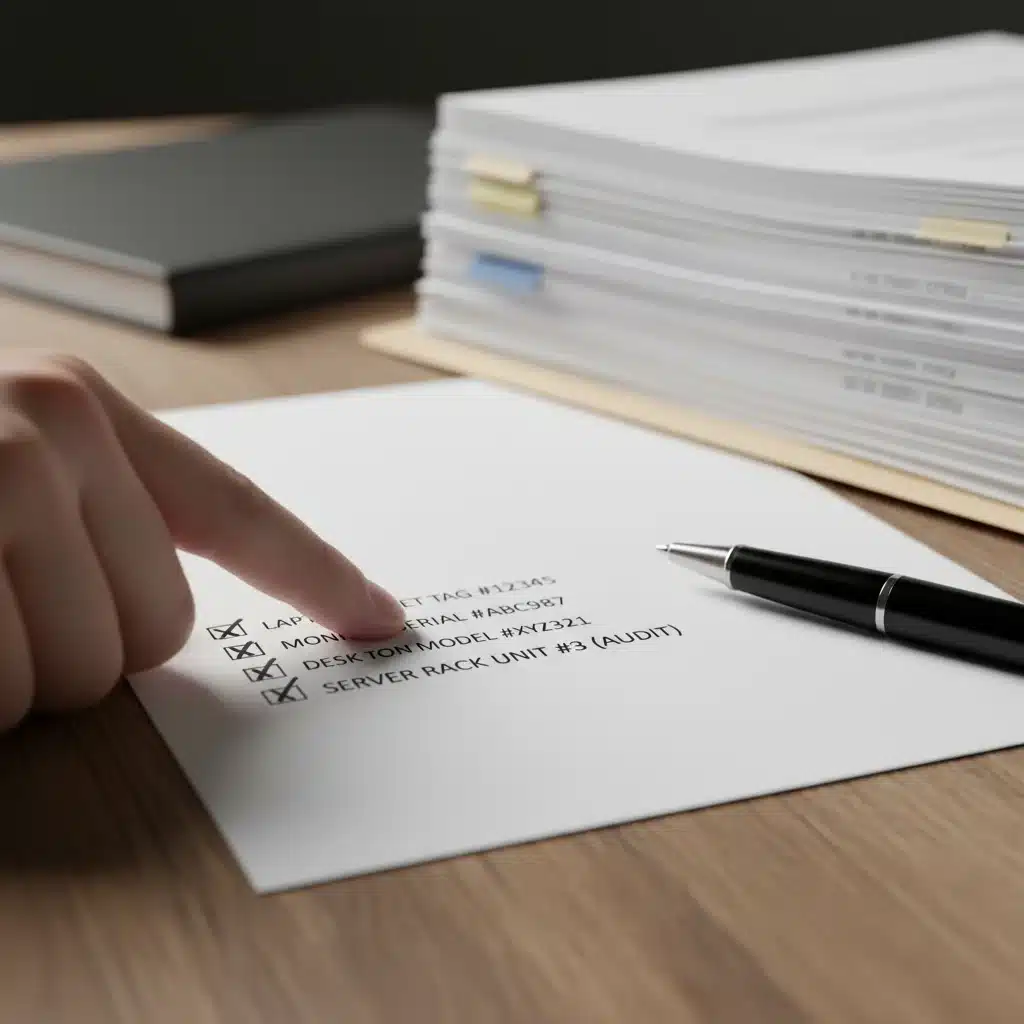
Best Practices for Ongoing Management:
- Regular Review and Updates: Schedule an annual review of your asset documentation. Life changes – new purchases, sales, marriages, births, deaths – all necessitate updates to your records. This annual check-up keeps your asset documentation 2026 current and relevant.
- Centralized Location: Ensure that you, and your trusted contacts, know where all documentation is stored, both physically and digitally.
- Trusted Contacts: Designate a trusted individual (e.g., spouse, adult child, executor, attorney) who knows where your asset documentation is kept and how to access it in an emergency. Provide them with necessary instructions and access codes (securely, not written down with the documents).
- Shred Unnecessary Documents: Once documents are no longer needed (e.g., old utility bills, expired warranties), shred them securely to protect your privacy.
Overcoming Challenges in Asset Documentation
While the benefits are clear, the process of comprehensive asset documentation 2026 can seem daunting. Here are some common challenges and how to overcome them:
- Time Commitment: "I don’t have time" is a common refrain. Break the task into smaller, manageable chunks. Dedicate an hour each week to one category of assets. Over a few months, you’ll make significant progress.
- Locating Old Documents: Start by gathering what you have. For missing documents, contact relevant institutions (banks, county recorder’s office, insurance companies) for copies.
- Digital Overload: Convert physical documents to digital scans. Use clear naming conventions for digital files (e.g., "Property Deed – Main Residence – 2005.pdf").
- Security Concerns: Utilize strong, unique passwords for all online accounts. Employ two-factor authentication wherever possible. Consider encrypting sensitive files. For physical documents, a fireproof safe is a must.
- Keeping Up-to-Date: Integrate the annual review into your financial planning routine. Set a recurring calendar reminder.
The Role of Professional Assistance in Asset Documentation 2026
While much of the asset documentation 2026 process can be handled personally, certain aspects benefit greatly from professional expertise:
- Financial Advisors: Can help you understand your investment portfolios, track performance, and consolidate statements.
- Estate Planning Attorneys: Crucial for drafting wills, trusts, and powers of attorney, and ensuring your documentation aligns with your legal wishes. They can also advise on the proper storage of original legal documents.
- Accountants/Tax Professionals: Can assist in organizing financial records for tax purposes and advise on cost basis for investments and property improvements.
- Insurance Agents: Can help you understand what documentation your policies require for claims and advise on appropriate coverage for your documented valuables.
- Professional Appraisers: Essential for accurately valuing art, antiques, jewelry, and real estate.
Engaging these professionals ensures that your documentation is not only thorough but also legally sound and financially optimized. They can provide insights into specific requirements for asset documentation 2026 that you might overlook.
Conclusion: Your Path to Secure Asset Documentation 2026
The journey to complete and secure asset documentation 2026 is an ongoing process, but one that offers immense returns in terms of security, clarity, and peace of mind. By diligently following this 10-item checklist and implementing robust organizational strategies, you will establish a strong foundation for managing your assets effectively, protecting your legacy, and simplifying future claims or transitions. Don’t wait for a crisis to realize the importance of these records. Start today, systematically work through each item, and ensure your financial future is as secure as possible. Your future self, and your loved ones, will thank you for the foresight and effort you put into meticulous asset documentation now.