Telematics Driving Insurance Savings: 8% Premiums Down for Early Adopters by 2026

The landscape of auto insurance is undergoing a profound transformation, driven by technological advancements that are redefining how risk is assessed and priced. At the forefront of this revolution is telematics, a technology that promises not only to make our roads safer but also to significantly reduce the financial burden of auto insurance for diligent drivers. Recent projections indicate that early adopters of telematics technology could see their auto insurance premiums drop by an average of 8% by 2026. This isn’t just a marginal adjustment; it’s a substantial saving that underscores the power of data-driven insurance models.
For years, auto insurance premiums have been determined by a broad set of factors: age, gender, vehicle type, location, and accident history. While these factors offer a general risk profile, they often fail to capture the nuances of individual driving behavior. Telematics changes this by providing a granular, real-time understanding of how a vehicle is driven. This shift from a ‘one-size-fits-all’ approach to a highly personalized one is not just fairer; it’s also incredibly efficient, rewarding those who demonstrate safe driving habits with tangible financial benefits. The promise of significant telematics insurance savings is becoming a reality, and understanding this technology is key to unlocking those benefits.
This comprehensive guide will delve deep into the world of telematics, exploring its mechanics, its benefits, and what the future holds for this transformative technology. We will uncover how telematics devices collect data, how this data translates into personalized premiums, and why early adoption is proving to be a wise financial decision for many drivers. If you’re looking to understand how to leverage technology to reduce your auto insurance costs, you’ve come to the right place. The era of personalized insurance is here, and with telematics, you’re in the driver’s seat of your own savings.
Understanding Telematics: The Engine Behind Your Savings
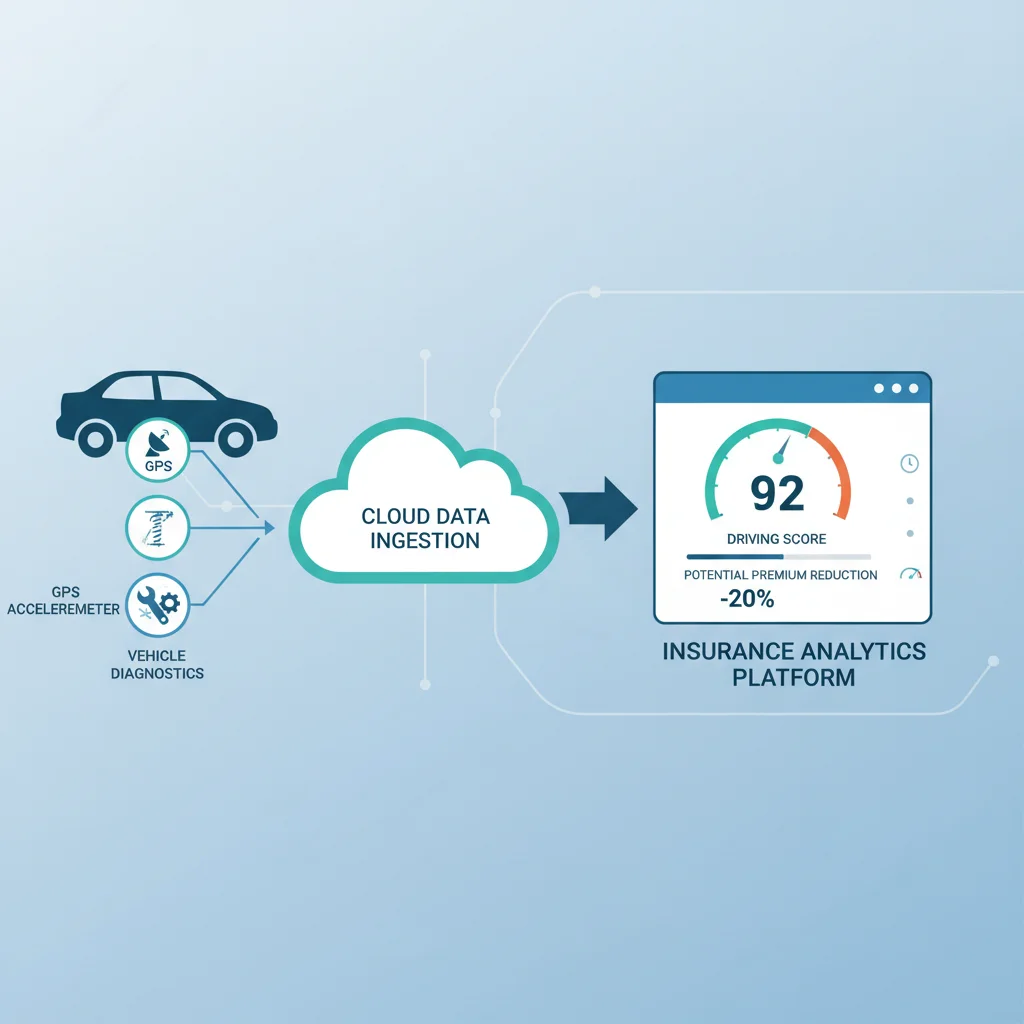
At its core, telematics refers to the integrated use of telecommunications and informatics for sending, receiving, and storing information via telecommunication devices. In the context of vehicles, a telematics system typically involves a device installed in your car that collects various data points related to your driving behavior. This data is then transmitted, usually wirelessly, to an insurance provider for analysis. The insights derived from this data are what allow insurance companies to offer more precise and often lower premiums, leading to considerable telematics insurance savings.
How Telematics Devices Work
There are several types of telematics devices, each with its own method of data collection:
- OBD-II Dongles: These are perhaps the most common and user-friendly devices. They plug directly into your car’s On-Board Diagnostics (OBD-II) port, a standard port found in most vehicles manufactured after 1996. These dongles can access a wealth of information from your car’s computer, including speed, mileage, hard braking, rapid acceleration, and even engine performance data.
- Smartphone Apps: Many insurance companies now offer smartphone applications that utilize your phone’s built-in sensors (GPS, accelerometer, gyroscope) to track driving behavior. While convenient, their accuracy can sometimes be influenced by phone placement and battery life.
- Professionally Installed Devices: Some insurers opt for devices that are professionally installed directly into the vehicle’s electrical system. These are often more robust and can collect a broader range of data, including crash detection and roadside assistance capabilities.
- In-Car Infotainment Systems: With the rise of connected cars, some vehicles now come with integrated telematics capabilities as part of their factory-installed infotainment or navigation systems. This seamless integration offers the most accurate and comprehensive data collection without the need for additional hardware.
What Data is Collected?
The specific data points collected can vary by insurer and device, but generally include:
- Speed: Monitoring consistent speeding, especially in high-risk zones.
- Mileage: The total distance driven, as lower mileage often correlates with lower risk.
- Braking Habits: Identifying instances of hard braking, which can indicate aggressive driving or lack of anticipation.
- Acceleration Patterns: Detecting rapid acceleration, another indicator of aggressive driving.
- Cornering: Measuring how smoothly a driver takes turns.
- Time of Day Driven: Driving during peak hours or late at night (when accident rates are higher) can influence risk.
- Location: While not always used for direct premium calculation, GPS data can help confirm mileage and identify driving in high-risk areas.
This data is then analyzed by sophisticated algorithms to create a personalized driving score. A higher score, indicating safer driving habits, directly translates into lower premiums and significant telematics insurance savings.
The Benefits of Telematics Beyond Savings
While the prospect of reduced insurance premiums is a powerful motivator, telematics offers a host of other benefits that extend beyond your wallet. These advantages contribute to a safer driving experience and can even provide peace of mind in unforeseen circumstances.
Enhanced Safety and Awareness
One of the most immediate benefits of telematics is its ability to promote safer driving. Knowing that your driving behavior is being monitored can encourage you to be more mindful behind the wheel. Drivers often become more conscious of their speed, braking, and acceleration, leading to a reduction in risky maneuvers. This self-correction not only helps you achieve telematics insurance savings but also makes you a safer driver, reducing the likelihood of accidents.
Furthermore, some telematics systems offer real-time feedback or periodic reports on your driving habits. This personalized coaching can highlight areas for improvement, helping you refine your skills and become a more responsible driver. For parents of new drivers, telematics can be an invaluable tool, offering insights into their children’s driving and fostering safer habits from the outset.
Accurate Accident Reconstruction and Faster Claims
In the unfortunate event of an accident, telematics data can be incredibly valuable. The precise information collected by the device – such as speed at impact, braking force, and vehicle location – can aid in accurate accident reconstruction. This data can help determine fault more quickly and objectively, streamlining the claims process and reducing disputes. Faster claims processing means quicker repairs and less hassle for you, adding another layer of value to telematics adoption.
Emergency Assistance and Vehicle Recovery
Many advanced telematics systems come equipped with features like automatic crash detection. In the event of a severe collision, the device can automatically alert emergency services, providing them with your exact location. This can be life-saving, especially in remote areas or if you are incapacitated. Additionally, some systems offer stolen vehicle tracking, significantly increasing the chances of recovering your car if it’s stolen. These features provide peace of mind that goes far beyond financial benefits.
The 8% Premium Reduction: Why Early Adopters Stand to Gain
The projection of an 8% premium reduction for early adopters by 2026 is not a random figure; it’s a reflection of the evolving insurance market and the strategic advantages gained by those who embrace new technologies. This significant telematics insurance savings is a compelling reason for drivers to consider opting into these programs sooner rather than later.
Incentivizing Adoption and Data Collection
Insurance companies are keen to expand their telematics programs. The more data they collect, the more accurately they can assess risk and the more competitive they can make their pricing. To encourage this data collection, insurers are offering attractive incentives to early adopters, primarily in the form of substantial premium discounts. These initial discounts are designed to overcome any hesitation drivers might have about sharing their driving data, effectively kickstarting the adoption curve.
The 8% figure represents an average. For exceptionally safe drivers, the savings could be even higher, potentially reaching 10-15% or more in some cases. Conversely, drivers with riskier habits might see smaller initial discounts or even a premium increase if their driving behavior doesn’t improve. However, the initial incentive for early adopters is generally focused on attracting a broad base, with the understanding that most drivers will benefit.
Competitive Market and Data Advantage
As more insurance companies enter the telematics space, competition intensifies. This competition naturally drives down prices and increases the incentives offered to customers. Early adopters benefit from being at the forefront of this competitive wave, receiving some of the best offers as insurers vie for market share and valuable driving data. Those who wait might find that while telematics still offers savings, the initial, more generous discounts may have become less prominent as the technology becomes more mainstream.
Personalized Risk Assessment
The core of the savings lies in personalized risk assessment. Traditional insurance models rely on demographic averages, meaning safe drivers often subsidize riskier ones within the same demographic group. Telematics breaks this mold by evaluating each driver individually. If your driving behavior demonstrates a lower risk profile than the average for your age, location, or vehicle type, you will be rewarded with lower premiums. This direct correlation between safe driving and reduced costs is the most powerful engine for telematics insurance savings.
Addressing Concerns: Privacy and Data Security
It’s natural for drivers to have questions and concerns about sharing their driving data. Privacy and data security are paramount, and responsible telematics providers are acutely aware of these issues. Understanding how your data is handled can alleviate these worries and reinforce the benefits of telematics.
Data Anonymization and Encryption
Reputable insurance companies employ robust data anonymization and encryption techniques to protect your personal information. Driving data is typically stripped of direct identifiers and encrypted both in transit and at rest. This means that while your driving patterns are analyzed, your personal identity is kept separate from the raw driving data used for risk assessment.
Transparency and Consent
Before you enroll in a telematics program, insurance providers are legally and ethically obligated to inform you precisely what data will be collected, how it will be used, and who will have access to it. You always have the right to consent to this data collection, and you should carefully review the terms and conditions. If an insurer is not transparent about their data practices, it’s a red flag. Look for companies that prioritize clear communication regarding their telematics programs.
Control Over Your Data
Many telematics programs offer dashboards or apps where you can review your own driving data and scores. This gives you direct visibility into what the insurer sees and allows you to understand how your driving is impacting your premium. In most cases, you also have the option to opt out of the program, though this would likely mean forfeiting any telematics insurance savings you were receiving.
It’s important to differentiate between data used for insurance purposes and data that might be shared with third parties. Most insurance policies explicitly state that driving data collected through telematics is solely for underwriting and claims purposes and is not sold to marketing firms or other external entities. Always verify these terms with your provider.
The Future of Auto Insurance: Beyond Telematics
Telematics is just one piece of a larger puzzle shaping the future of auto insurance. As technology continues to evolve, we can expect even more sophisticated and personalized insurance models to emerge. The foundation laid by telematics, however, will be crucial in this ongoing evolution.
Integration with Autonomous Vehicles
The rise of autonomous vehicles presents a fascinating challenge and opportunity for the insurance industry. As cars become more self-driving, the concept of driver fault may diminish, shifting liability from the human driver to the vehicle manufacturer or software provider. Telematics data, particularly from advanced in-car systems, will be instrumental in understanding how autonomous features perform and in determining liability in hybrid driving scenarios where both human and autonomous control are involved. This will undoubtedly influence future premium structures and further enhance telematics insurance savings for those with advanced vehicle safety features.
Dynamic Pricing and Real-Time Adjustments
Currently, telematics programs typically adjust premiums at renewal periods based on a history of driving behavior. In the future, we might see more dynamic pricing models where premiums are adjusted in near real-time based on current driving conditions, traffic, weather, and even the driver’s state of mind (if wearable tech integration becomes more prevalent). While this sounds futuristic, the underlying data collection and analysis capabilities of telematics are paving the way for such advanced models.
Holistic Risk Assessment
Beyond just driving behavior, future insurance models might integrate an even broader range of data points, always with the driver’s consent. This could include smart home data (e.g., security systems impacting comprehensive coverage), health and wellness data (if relevant to accident risk), and even public transport usage. The goal is to create a truly holistic risk profile that offers the most accurate and fair premium possible, maximizing potential telematics insurance savings for responsible individuals.

How to Become an Early Adopter and Maximize Your Savings
If the prospect of an 8% premium reduction by 2026 has piqued your interest, you might be wondering how to get started with telematics and ensure you maximize your telematics insurance savings. Here’s a step-by-step guide to becoming an early adopter:
1. Research Insurance Providers
Not all insurance companies offer telematics programs, and those that do may have different devices, data collection policies, and discount structures. Start by researching major insurers in your area and checking their websites or contacting their agents directly to inquire about their usage-based insurance (UBI) or ‘pay-as-you-drive’ programs. Look for clear information on how much you can save, what data is collected, and how your privacy is protected.
2. Understand the Program Details
Once you’ve identified potential providers, delve into the specifics of their telematics offerings. Ask questions like:
- What type of device do they use (OBD-II, app, installed)?
- What specific driving behaviors are monitored?
- How frequently are premiums adjusted based on driving data?
- Is there an initial discount for signing up?
- What happens if my driving behavior doesn’t meet the ‘safe’ criteria? Will my premiums increase? (Many programs promise that premiums won’t increase in the initial period, only decrease).
- What are their data privacy and security policies?
3. Compare Quotes and Potential Savings
Don’t just jump at the first offer. Obtain quotes from several insurers, both with and without their telematics programs. Compare the potential savings. Remember, an 8% reduction is an average; your specific savings could be higher or lower depending on your driving habits and the insurer’s algorithms. Factor in any initial enrollment discounts versus long-term savings.
4. Commit to Safer Driving
The most crucial step to maximizing your telematics insurance savings is to genuinely commit to safer driving practices. Telematics programs are designed to reward good drivers. This means:
- Avoiding hard braking and rapid acceleration.
- Maintaining consistent, safe speeds.
- Driving less during high-risk hours (e.g., late at night).
- Reducing overall mileage if possible.
Use the feedback provided by the telematics program (if available) to identify areas for improvement. Think of it as a personal driving coach that helps you save money and stay safer on the road.
5. Monitor Your Progress and Review Periodically
Once enrolled, regularly check your driving scores and reports provided by the insurer. This will help you track your progress and understand how your behavior is impacting your premium. As your policy comes up for renewal, review your savings and consider re-evaluating your options. The telematics market is dynamic, and new, more competitive programs may emerge.
Conclusion: Embrace the Future of Insurance for Tangible Savings
The projection of an 8% reduction in auto insurance premiums for early adopters of telematics by 2026 is a powerful testament to the transformative potential of this technology. Telematics is fundamentally changing the relationship between drivers and insurers, moving towards a more personalized, fair, and data-driven model. It’s an opportunity for responsible drivers to be directly rewarded for their safe habits, translating into significant telematics insurance savings.
Beyond the financial benefits, telematics contributes to safer roads, provides invaluable assistance in emergencies, and streamlines the claims process. While concerns about privacy are valid, reputable insurers are implementing robust measures to protect your data, ensuring that the benefits far outweigh the perceived risks.
As we look to the future, telematics will continue to evolve, integrating with autonomous vehicles and paving the way for even more dynamic and holistic insurance solutions. For now, becoming an early adopter means positioning yourself to reap the immediate financial rewards and contribute to a more intelligent and safer driving ecosystem. Don’t miss out on the chance to take control of your auto insurance costs and drive smarter, not just harder.
Embrace the future of auto insurance today, and join the growing number of drivers enjoying substantial telematics insurance savings.