Telematics: Slash Your Car Insurance by 15%+ in 2026
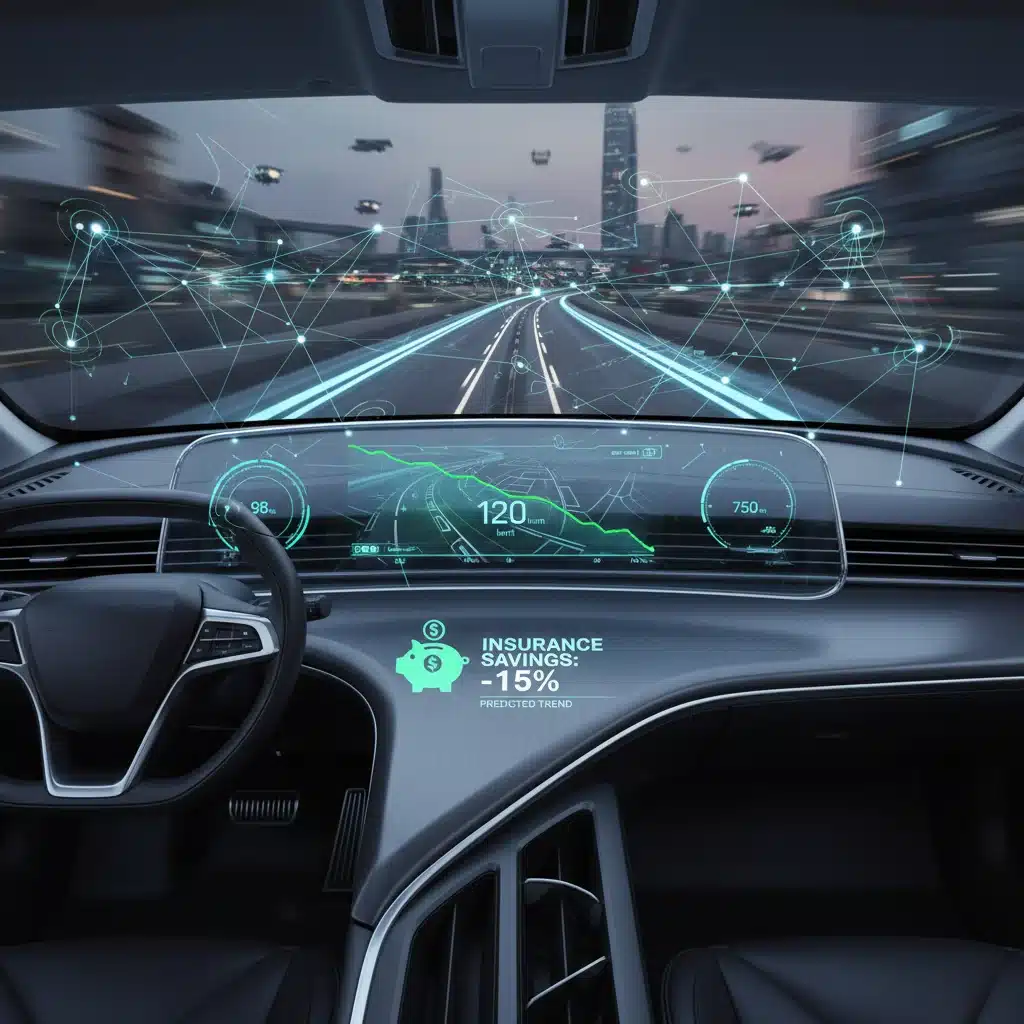
The Future is Now: How Telematics Can Slash Your Car Insurance Premiums by 15% or More in 2026
Are you tired of rising car insurance costs? Do you feel like your safe driving habits aren’t being rewarded? The good news is that a technological revolution is already underway in the automotive insurance industry, promising significant savings for responsible drivers. This revolution is powered by telematics car insurance, a cutting-edge approach that uses real-time driving data to personalize your premiums. In 2026, experts predict that adopting telematics could reduce your car insurance premiums by 15% or even more, transforming how we pay for coverage and incentivizing safer roads for everyone. This comprehensive guide will delve deep into the world of telematics, exploring how it works, its benefits, potential drawbacks, and what you need to know to leverage this technology for maximum savings.
Understanding Telematics Car Insurance: What is It?
At its core, telematics car insurance, often referred to as usage-based insurance (UBI) or pay-as-you-drive (PAYD) insurance, involves collecting data on your driving behavior and using that information to calculate your insurance premiums. Instead of relying solely on traditional factors like age, location, vehicle type, and claims history, telematics adds a layer of personalization by directly assessing your actual risk on the road. This data is typically gathered through a small device plugged into your car’s On-Board Diagnostics (OBD-II) port, a smartphone app, or increasingly, built-in manufacturer telematics systems.
The term ‘telematics’ itself is a blend of ‘telecommunications’ and ‘informatics,’ perfectly describing its function: transmitting information over long distances. In the context of car insurance, this information includes various aspects of your driving, such as speed, acceleration, braking, cornering, and even the time of day you drive. Insurance companies then analyze this data to build a profile of your driving habits, rewarding those who demonstrate safer behavior with lower premiums. This shift from a broad risk assessment to a granular, individual one is what makes telematics car insurance so revolutionary and appealing to safe drivers.
The Mechanics of Telematics: How Does the Data Collection Work?
For many, the idea of their driving being monitored might seem a little daunting. However, understanding the technology behind telematics car insurance can help demystify the process and highlight its benefits. There are three primary methods insurers use to collect driving data:
1. OBD-II Devices
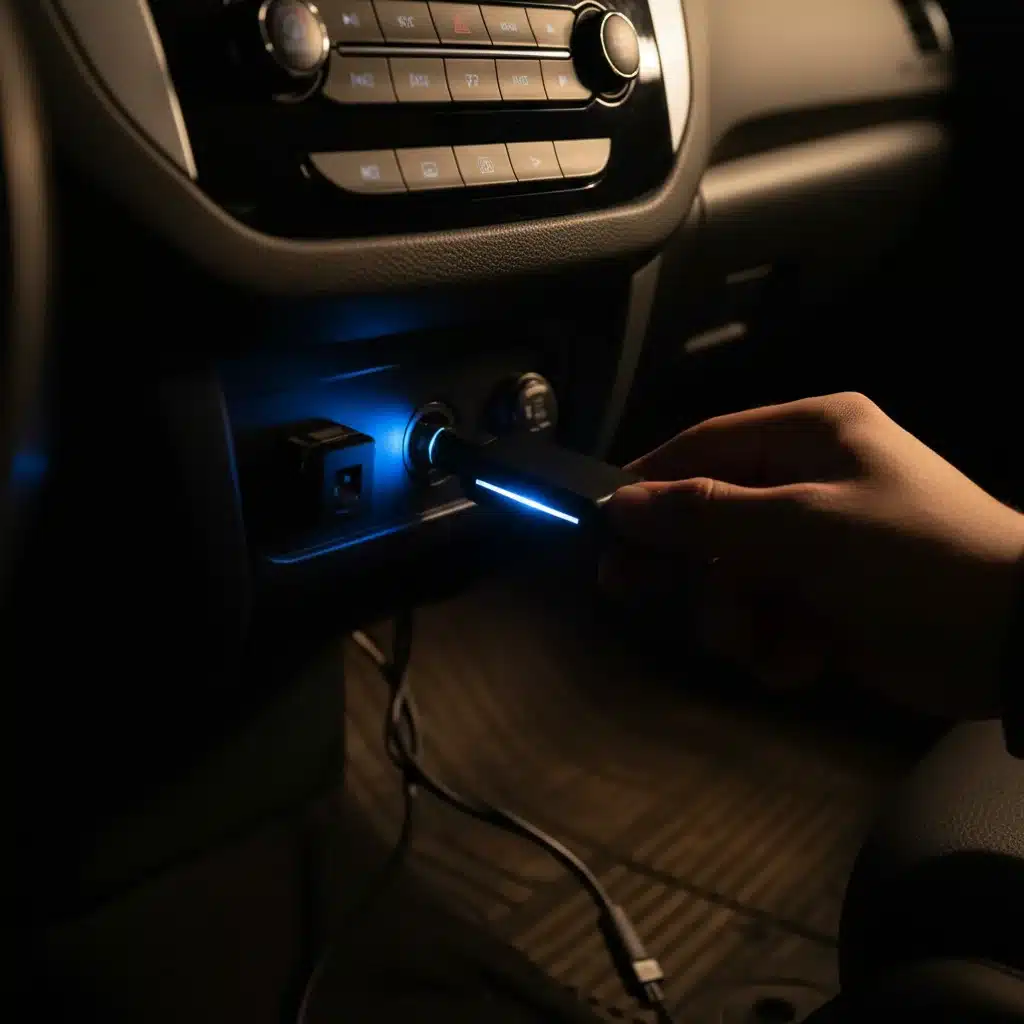
This is perhaps the most common method. Insurers provide a small device that you plug into your car’s OBD-II port, usually located under the dashboard. This port has been standard in most vehicles manufactured since 1996. The device collects data directly from your car’s computer, including speed, mileage, hard braking, rapid acceleration, and sometimes even engine diagnostics. The data is then wirelessly transmitted to the insurance company. These devices are generally easy to install and remove.
2. Smartphone Apps
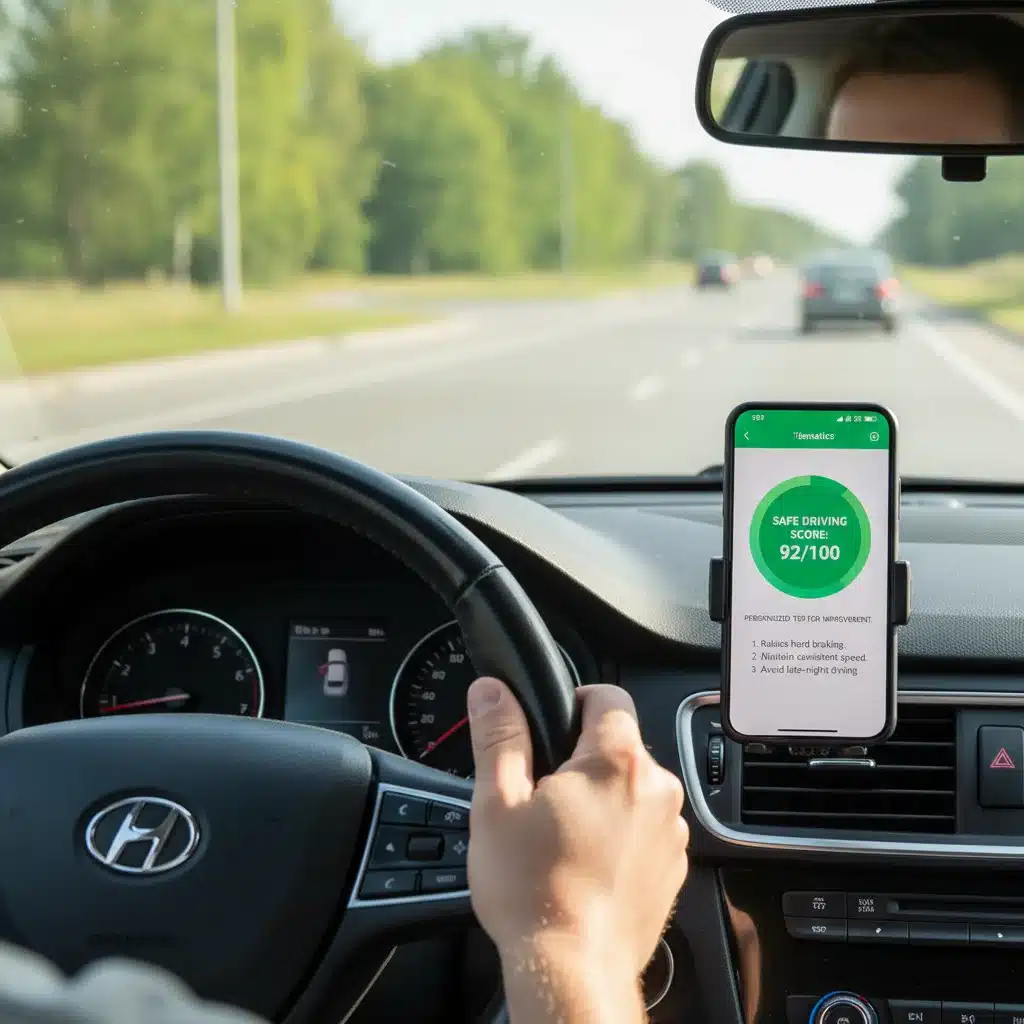
Many insurance providers now offer dedicated smartphone apps that use your phone’s built-in GPS, accelerometer, and gyroscope to monitor driving behavior. These apps track similar metrics to OBD-II devices, such as speed, braking, acceleration, and phone usage while driving. While convenient, some drivers might find the constant use of their phone’s GPS can drain battery life, and the accuracy can sometimes be influenced by phone placement within the vehicle.
3. Manufacturer-Installed Telematics (Embedded Systems)
As vehicles become more connected, many new cars come with embedded telematics systems from the factory. These systems are often part of infotainment or safety packages (e.g., OnStar, Mercedes me connect, BMW ConnectedDrive). Insurers can, with your consent, access this existing data, eliminating the need for an additional device or app. This method is often the most seamless for the driver and can provide the most comprehensive data.
What Data is Collected and How is it Used?
Regardless of the method, the data collected typically includes:
- Mileage: How many miles you drive. Less driving generally means less risk.
- Speed: Adherence to speed limits and instances of excessive speeding.
- Braking: Frequency and intensity of hard braking.
- Acceleration: Instances of rapid acceleration.
- Cornering: How smoothly you take turns.
- Time of Day: Driving during peak traffic or late at night (which statistically carries higher risk).
- Location: While not always directly used for pricing, it can help understand driving environments (e.g., highway vs. city).
- Phone Usage: Some apps can detect if you’re using your phone while driving.
Insurers use sophisticated algorithms to analyze this data and generate a ‘driving score.’ This score directly influences your personalized premium. The better your score, the lower your premium. This direct correlation is the primary incentive for drivers to adopt telematics car insurance.
The Promise of Savings: Why 15% (or More) in 2026?
The projection of 15% or more in savings by 2026 isn’t arbitrary. It’s based on current trends and the increasing sophistication of telematics technology and its adoption. Here’s why such significant savings are becoming a reality:
1. Direct Correlation to Risk
Traditional insurance models often group drivers into broad categories, meaning safe drivers might subsidize riskier ones within the same demographic. Telematics breaks this mold by directly linking your individual driving behavior to your premium. If you consistently demonstrate safe driving habits, the insurer has empirical evidence that you are a lower risk, justifying a lower premium. This precise risk assessment is the cornerstone of savings through telematics car insurance.
2. Incentivizing Safer Driving
Knowing that your driving is being monitored can naturally encourage safer habits. Drivers become more conscious of their speed, braking, and phone usage, not only to save money but also to avoid accidents. This creates a positive feedback loop: safer driving leads to lower premiums, which further motivates safer driving. The overall reduction in accidents across a telematics-enrolled population can also contribute to lower average costs for insurers, which can then be passed on to consumers.
3. Competitive Market Growth
As more insurance companies embrace telematics, the market becomes more competitive. Insurers will vie for safe drivers by offering more attractive discounts and better terms. This competition is a significant driver for the projected 15%+ savings. Early adopters of telematics car insurance are already seeing substantial discounts, and as the technology becomes mainstream, these offerings are expected to become even more compelling.
4. Technological Advancements
The accuracy and breadth of data collected by telematics devices are constantly improving. GPS tracking is more precise, accelerometers are more sensitive, and algorithms for analyzing driving patterns are becoming more sophisticated. This allows for a more nuanced and fair assessment of risk, leading to more accurate and potentially lower premiums for safe drivers.
5. Broader Acceptance and Integration
As consumers become more comfortable with data-driven services, the acceptance of telematics is growing. Furthermore, the integration of telematics directly into vehicles by manufacturers simplifies the process, making it more accessible and seamless for a wider audience. This wider adoption fuels the market and allows insurers to offer more aggressive pricing.
Beyond Savings: Additional Benefits of Telematics
While reduced premiums are the primary draw, telematics car insurance offers several other valuable benefits:
- Accident Reconstruction: In the unfortunate event of an accident, telematics data can provide crucial information for accident reconstruction, potentially speeding up claims processing and helping to determine fault.
- Stolen Vehicle Recovery: Many telematics devices include GPS tracking, which can be invaluable in locating a stolen vehicle.
- Emergency Assistance: Some advanced telematics systems can automatically detect a collision and alert emergency services, sending your precise location.
- Vehicle Maintenance Insights: OBD-II devices can sometimes provide alerts about potential mechanical issues, helping you stay proactive with vehicle maintenance.
- Personalized Driving Feedback: Many telematics apps offer real-time feedback and tips to improve your driving score, empowering you to become a safer driver.
- Environmental Benefits: Smoother, more efficient driving (encouraged by telematics) can lead to better fuel economy and reduced emissions.
Navigating the Telematics Landscape: What to Consider
Before diving into telematics car insurance, there are a few important considerations:
Privacy Concerns
The most common concern revolves around data privacy. It’s crucial to understand what data is being collected, how it’s stored, and who it’s shared with. Reputable insurance companies will have clear privacy policies. Always read the fine print and ensure you’re comfortable with the terms. Remember, the data is primarily used for assessing your insurance risk, not for general surveillance.
Potential for Higher Premiums
While the goal is savings, consistently risky driving behavior could, in theory, lead to higher premiums. However, most telematics programs are designed to offer discounts for good driving, with minimal penalties for occasional lapses. Some programs are even ‘discount-only,’ meaning your premium won’t increase based on your driving, but you might miss out on potential savings. Clarify this with your insurer before enrolling.
Device Type and Installation
Consider which data collection method suits you best. An OBD-II device is straightforward but might require occasional checking. A smartphone app is convenient but can impact battery life. Embedded systems are seamless but depend on your car’s features.
Impact on Driving Habits
Be prepared for your driving habits to potentially change. Knowing you’re being monitored can make you more cautious, which is ultimately a good thing for safety and your wallet. However, some drivers might feel a slight pressure or anxiety about constantly maintaining a ‘perfect’ score.
Program Specifics
Each insurer’s telematics program is unique. Some might focus heavily on mileage, others on speed or braking. Some offer immediate discounts upon enrollment, while others require a monitoring period before discounts are applied. Compare different programs to find one that aligns with your driving style and priorities.
How to Maximize Your Telematics Savings in 2026
To truly unlock the 15% or more savings promised by telematics car insurance in 2026, adopt these strategies:
- Drive Smoothly: Avoid sudden acceleration and hard braking. Gradual movements are key to a good telematics score.
- Obey Speed Limits: Consistent speeding is a major red flag for telematics systems. Stick to the posted limits.
- Limit Late-Night Driving: Statistically, nighttime driving carries higher risks. If possible, reduce your driving during these hours.
- Minimize Distractions: Avoid using your phone while driving. Many telematics apps can detect this and penalize your score.
- Plan Your Routes: Reduce unnecessary mileage. Combine errands and choose efficient routes.
- Monitor Your Feedback: Regularly check your telematics app or online portal for feedback on your driving score. Use this information to identify areas for improvement.
- Compare Providers: Don’t just stick with your current insurer. Shop around and compare telematics programs from different companies to find the best discounts.
- Consider Multi-Car Discounts: If you have multiple vehicles, inquire about combined telematics programs that might offer additional savings.
By consciously adopting these safer driving practices, you not only make the roads safer for everyone but also directly influence your insurance premiums, putting more money back in your pocket.
The Evolution of Telematics: What to Expect in 2026 and Beyond
The landscape of telematics car insurance is constantly evolving. As we approach 2026, we can anticipate several key developments:
- Greater Integration with Autonomous Driving: As semi-autonomous and eventually fully autonomous vehicles become more prevalent, telematics will play a crucial role in assessing the risk associated with these technologies. It will help differentiate between human-driven and AI-driven mileage, potentially leading to new insurance models.
- Personalized Coaching and Gamification: Expect more advanced apps that offer personalized coaching, challenges, and gamified rewards to encourage safer driving and make the experience more engaging.
- Predictive Analytics: Insurers will leverage even more sophisticated AI and machine learning to move beyond just reporting past behavior to predicting future risk with greater accuracy, offering proactive advice.
- Seamless Experience: The trend towards manufacturer-installed telematics will continue, making the enrollment and data collection process virtually invisible to the driver.
- Expansion to Other Vehicle Types: While primarily focused on cars, telematics could expand more significantly to motorcycles, commercial fleets, and even electric bikes as technology progresses.
- Enhanced Data Security: As data collection becomes more pervasive, there will be an even stronger emphasis on robust cybersecurity measures and transparent data privacy policies to build and maintain consumer trust.
The future of car insurance is undeniably data-driven, and telematics car insurance is at the forefront of this transformation. It represents a paradigm shift from a one-size-fits-all approach to a highly personalized, fair, and transparent system that rewards responsible behavior.
Is Telematics Car Insurance Right for You?
Deciding whether telematics car insurance is the right choice depends on your driving habits and comfort with data sharing. If you are a consistently safe and responsible driver, rarely engage in risky maneuvers, and don’t mind your driving data being monitored (within a secure and transparent framework), then telematics offers a compelling opportunity for significant savings.
Conversely, if you frequently engage in aggressive driving, speed often, or have a daily commute that involves statistically riskier driving patterns (e.g., late nights, heavy traffic with frequent hard braking), you might not see the same level of discounts, and in some programs, could even face higher premiums. However, even in such cases, telematics can serve as a powerful tool for self-improvement, helping you identify and correct risky habits.
For the vast majority of drivers, especially those who are confident in their safe driving abilities, embracing telematics car insurance in 2026 could be one of the smartest financial decisions they make for their automotive expenses. It’s an opportunity to take control of your insurance costs, contribute to safer roads, and be part of the future of personalized insurance.
Conclusion: Drive Smart, Save More with Telematics in 2026
The landscape of car insurance is undergoing a profound transformation, driven by technological innovations like telematics. The promise of reducing your car insurance premiums by 15% or more in 2026 is not just a marketing slogan; it’s a tangible reality for drivers willing to embrace this smart technology. Telematics car insurance offers a fair, transparent, and rewarding system that aligns premiums directly with individual driving behavior.
By understanding how telematics works, actively managing your driving habits, and choosing the right program, you can unlock substantial savings and enjoy a more personalized insurance experience. As we move further into the decade, expect telematics to become an increasingly integral part of the automotive and insurance industries, shaping a future where safer driving is not only its own reward but also a direct path to significant financial benefits. Don’t be left behind; explore the power of telematics today and drive your way to lower insurance costs.
The era of blanket insurance premiums is fading; the era of personalized, data-driven insurance is here. Make 2026 the year you take charge of your car insurance and reap the benefits of smart driving with telematics.