
The 2026 Reinsurance Market: How Global Capacity Shifts Are Directly Affecting Your Local Premiums
The intricate world of insurance often feels distant to the average policyholder, yet its foundational layer – reinsurance – plays a pivotal role in determining the cost and availability of their coverage. As we look towards the 2026 reinsurance market, it’s becoming increasingly clear that significant global capacity shifts are not just abstract financial movements; they are directly impacting local insurance premiums across the globe. Understanding these dynamics is crucial for insurers, brokers, and ultimately, the consumers who bear the brunt of these changes.
Reinsurance, at its core, is insurance for insurance companies. It allows primary insurers to transfer a portion of their risk to reinsurers, thereby protecting their balance sheets from large or catastrophic losses. This risk-sharing mechanism is vital for maintaining the stability of the insurance industry and ensuring that insurers can pay out claims, even after major events. However, the global landscape of risk is evolving rapidly, and with it, the capacity and appetite of reinsurers are shifting, leading to tangible consequences for local markets.
The Evolving Landscape of the 2026 Reinsurance Market
Several profound forces are converging to reshape the 2026 reinsurance market. These forces are not isolated but interconnected, creating a complex web of challenges and opportunities that ripple through the entire insurance ecosystem. From unprecedented climate events to geopolitical instability and inflationary pressures, the factors influencing reinsurance capacity are multifaceted.
Climate Change and Catastrophe Losses
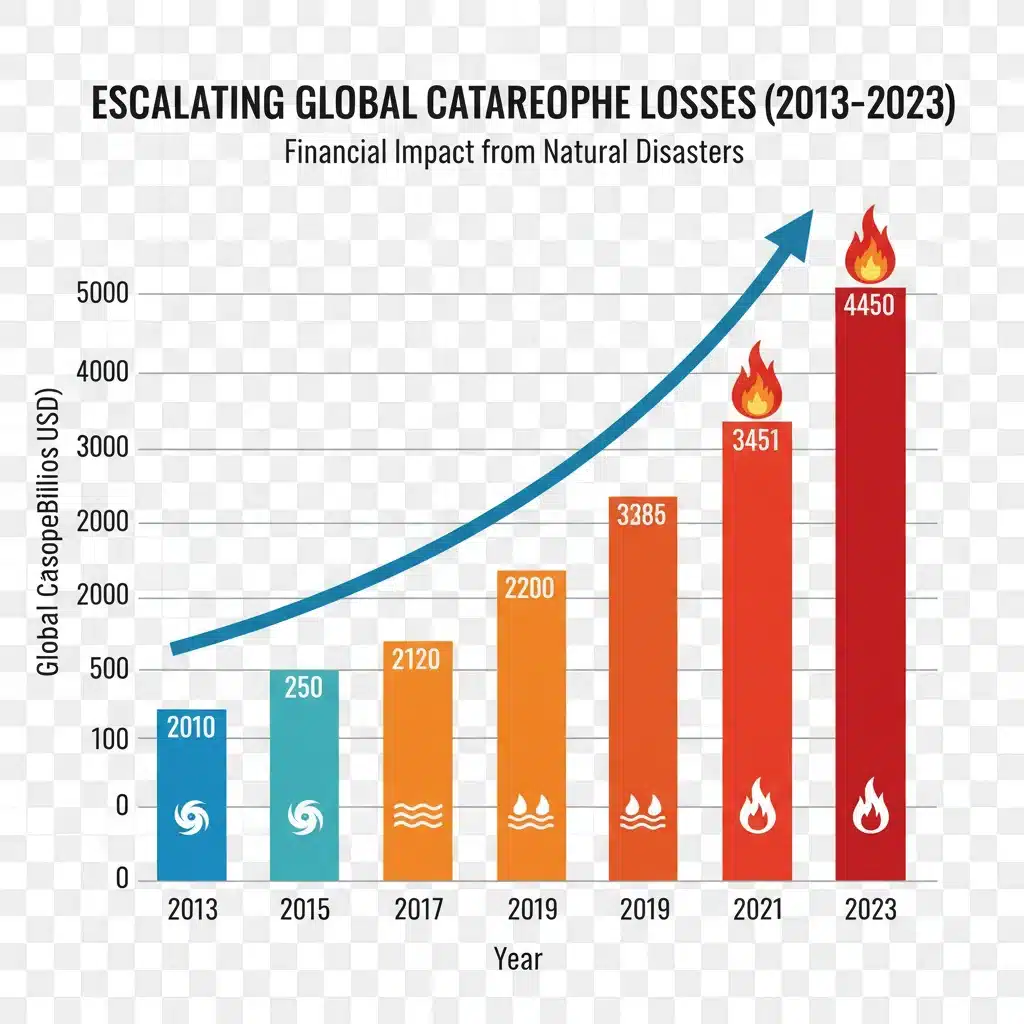
Perhaps the most significant driver of change in the reinsurance sector is the escalating impact of climate change. The frequency and severity of natural catastrophes – hurricanes, floods, wildfires, and extreme weather events – have been increasing steadily. This trend directly translates into higher claims payouts for primary insurers, which in turn leads to greater demands on their reinsurers. Reinsurers, facing a more volatile and unpredictable risk environment, are re-evaluating their exposure and pricing models.
The historical data used for actuarial calculations is becoming less reliable in predicting future losses, forcing reinsurers to adopt more sophisticated modeling techniques and, in many cases, to increase their rates. This increased cost of reinsurance is then passed down to primary insurers, who must adjust their local premiums accordingly to maintain profitability and solvency. Regions particularly vulnerable to climate-related events are experiencing the most dramatic increases.
Inflationary Pressures and Economic Volatility
Global inflation has been another critical factor. The cost of rebuilding after a disaster – materials, labor, and equipment – has surged, meaning that the same level of damage now costs significantly more to repair. This ‘social inflation’ extends beyond physical damage, impacting liability claims as well. Reinsurers must account for these elevated costs when setting their prices, leading to higher premiums across various lines of business.
Furthermore, economic volatility, including fluctuations in interest rates and investment returns, affects reinsurers’ profitability. Reinsurers generate income not only from premiums but also from investing the capital they hold. A challenging investment climate can reduce their overall capacity or compel them to seek higher underwriting profits to compensate, again contributing to upward pressure on reinsurance costs.
Geopolitical Risks and Supply Chain Disruptions
The geopolitical landscape has become increasingly unstable, with conflicts and trade disputes creating new layers of risk. These events can disrupt global supply chains, affecting the availability and cost of goods and services needed for recovery after insured events. Cyber warfare and political violence also represent growing threats that reinsurers must factor into their risk assessments, further tightening capacity in certain specialized lines.
How Global Capacity Shifts Translate to Local Premiums
The connection between global reinsurance capacity and your local insurance premiums is direct and often immediate. When reinsurers reduce their capacity or increase their pricing, primary insurers have limited options, all of which ultimately affect the consumer.
Firstly, primary insurers may choose to retain more risk themselves. While this can temporarily shield policyholders from immediate premium hikes, it exposes the insurer to greater financial vulnerability, potentially impacting their long-term stability. Regulators often impose limits on how much risk an insurer can retain, making this a complex balancing act.
Secondly, and more commonly, primary insurers pass on the increased cost of reinsurance to their policyholders through higher premiums. This is a direct consequence of the hardening 2026 reinsurance market. For homeowners, this could mean higher property insurance rates, especially in areas prone to natural disasters. For businesses, commercial property, liability, and even cyber insurance costs could escalate.
Thirdly, in extreme cases where reinsurance becomes prohibitively expensive or unavailable for certain risks, primary insurers might withdraw from specific markets or reduce the coverage they offer. This can lead to a significant reduction in insurance availability, leaving individuals and businesses exposed to uninsured losses. This scenario is particularly concerning for high-risk areas or emerging perils where reinsurance capacity is scarce.
Key Trends Shaping the 2026 Reinsurance Market
Beyond the fundamental drivers, several key trends are defining the operational landscape of the 2026 reinsurance market:
Flight to Quality and De-risking
In a volatile market, reinsurers are increasingly prioritizing ‘flight to quality.’ This means they are more selective about the risks they underwrite, favoring clients with strong underwriting practices, robust data, and clear risk mitigation strategies. Primary insurers with less sophisticated risk management or those operating in highly exposed regions might find it harder to secure adequate reinsurance coverage or face significantly higher prices.
Reinsurers are also de-risking their portfolios, often reducing their exposure to peak catastrophe zones or certain volatile lines of business. This strategic realignment can create capacity gaps in specific segments, further exacerbating the supply-demand imbalance and pushing up prices for the remaining capacity.
Increased Focus on Data and Analytics
The hardening market has accelerated the adoption of advanced data analytics and artificial intelligence in reinsurance. Reinsurers are investing heavily in sophisticated modeling tools to better understand and quantify emerging risks, particularly those related to climate change and cyber threats. This enhanced analytical capability allows them to price risks more accurately, but it also highlights previously underestimated exposures, leading to more precise, and often higher, pricing.
Primary insurers that can provide reinsurers with granular, high-quality data on their portfolios and risk exposures will be better positioned to negotiate favorable terms. Conversely, those with poor data hygiene may struggle to secure optimal reinsurance arrangements, impacting their ability to offer competitive local premiums.
Alternative Capital and Insurance-Linked Securities (ILS)
Alternative capital, primarily in the form of insurance-linked securities (ILS) like catastrophe bonds, has become an increasingly important source of reinsurance capacity. These instruments allow institutional investors to participate directly in the reinsurance market, offering a different source of capital that is often less correlated with traditional financial markets.
While ILS can provide valuable additional capacity, their deployment often comes with specific triggers and conditions. The appetite of ILS investors can also fluctuate based on market conditions, and recent years have seen some hesitancy due to consecutive large catastrophe losses. However, as the 2026 reinsurance market evolves, the role of alternative capital is expected to grow, providing diversification but also introducing new complexities in pricing and risk transfer.
Regulatory Scrutiny and Capital Requirements
Regulatory bodies globally are also playing a role. With increased market volatility and systemic risks, regulators are maintaining strict capital requirements for both primary insurers and reinsurers. This ensures financial stability but can also limit the amount of risk capital available for deployment, thereby influencing overall market capacity. Compliance with evolving regulatory frameworks adds to operational costs, which can indirectly contribute to higher premiums.
Strategies for Insurers and Policyholders in the Current Environment
Given the challenging dynamics of the 2026 reinsurance market, both primary insurers and policyholders need to adopt proactive strategies to navigate the evolving landscape.
For Primary Insurers:
- Enhance Data and Analytics Capabilities: Invest in advanced data collection, analysis, and risk modeling to present a clear and compelling risk profile to reinsurers. Better data can lead to better reinsurance terms.
- Diversify Reinsurance Partnerships: Avoid over-reliance on a single reinsurer. Cultivate relationships with multiple reinsurers and explore alternative capital solutions to build a robust and diversified reinsurance program.
- Focus on Risk Mitigation: Implement and promote strong risk mitigation strategies among policyholders. For instance, encourage homeowners to strengthen their properties against natural disasters or businesses to enhance their cybersecurity. Reduced risk at the primary level can translate to more attractive reinsurance terms.
- Strategic Underwriting: Refine underwriting practices to ensure portfolios are well-balanced and risks are accurately priced at the primary level. Avoid taking on excessively risky policies without adequate pricing or reinsurance support.
- Communicate Transparently: Be transparent with policyholders about the reasons behind premium adjustments. Educating consumers about the global factors influencing local rates can help manage expectations and maintain trust.
For Policyholders:
- Understand Your Coverage: Carefully review your insurance policies to understand what is covered, what are the deductibles, and any exclusions. In a hardening market, coverage terms can become more restrictive.
- Implement Risk Mitigation: Take proactive steps to reduce your risk. For homeowners, this might involve fortifying your home against specific perils (e.g., hurricane shutters, flood barriers). For businesses, it could mean investing in robust cybersecurity or safety protocols. This can potentially lead to lower premiums or make you a more attractive risk to insurers.
- Shop Around: Don’t settle for the first quote. Obtain multiple quotes from different insurers to compare coverage and pricing. The market may be challenging, but competition still exists.
- Consider Higher Deductibles: While not ideal for everyone, opting for a higher deductible can sometimes lower your premium, though it means bearing more of the initial loss yourself.
- Engage with Your Broker/Agent: A knowledgeable insurance broker or agent can provide invaluable advice, help you navigate the complexities of the market, and identify the best coverage options available.

The Future Outlook for the 2026 Reinsurance Market
The immediate outlook for the 2026 reinsurance market suggests continued firmness, meaning that capacity will likely remain constrained and pricing elevated. The underlying drivers – climate change, inflation, and geopolitical risks – are not expected to abate significantly in the short term. However, the industry is also incredibly innovative and resilient.
We may see further evolution in product design, with more parametric insurance solutions that pay out based on predefined triggers (e.g., wind speed, earthquake magnitude) rather than actual losses, offering quicker claims settlements. The integration of advanced technologies like blockchain for greater efficiency in claims processing and smart contracts could also gain traction.
Furthermore, increased collaboration between public and private sectors could become more common, particularly in addressing large-scale, systemic risks like climate change. Government-backed programs or public-private partnerships might emerge to provide backstop capacity for risks that the private market finds challenging to absorb fully.
The capital markets will likely continue to play a crucial role, with sophisticated investors increasingly understanding and accepting insurance risk as a diversifier in their portfolios. This could lead to a more stable and diversified base of reinsurance capital over the long term, albeit with continued demand for appropriate risk-adjusted returns.
Conclusion
The 2026 reinsurance market is at a critical juncture, characterized by significant global capacity shifts driven by a confluence of environmental, economic, and geopolitical factors. These shifts are not abstract financial movements; they have a direct and tangible impact on the local insurance premiums paid by individuals and businesses worldwide. While the challenges are substantial, the insurance and reinsurance industries are dynamic and continuously adapting.
For primary insurers, strategic investment in data, risk mitigation, and diversified partnerships will be key to navigating this complex environment. For policyholders, understanding these market dynamics, proactively managing risks, and engaging with knowledgeable professionals will be essential to securing adequate and affordable coverage. The journey through the 2026 reinsurance market will require vigilance, adaptability, and a collaborative spirit from all stakeholders to ensure the continued stability and accessibility of insurance protection.