Unlock Optimal Insurance: Seize 2026 Market Window Adjustments

The landscape of insurance is in constant flux, shaped by economic shifts, technological advancements, and evolving societal needs. For individuals and businesses alike, staying abreast of these changes is not just prudent, but essential for securing optimal coverage and managing financial risk effectively. As we look ahead, the year 2026 presents a unique and time-sensitive opportunity to review, adjust, and optimize insurance policies. This article will delve deep into the critical market windows opening in 2026, providing a comprehensive guide to understanding these shifts and leveraging them for your benefit. Our focus will be on identifying key trends, strategic approaches, and actionable steps to make the most of these 2026 insurance adjustments.
The Evolving Insurance Landscape: Why 2026 is Crucial
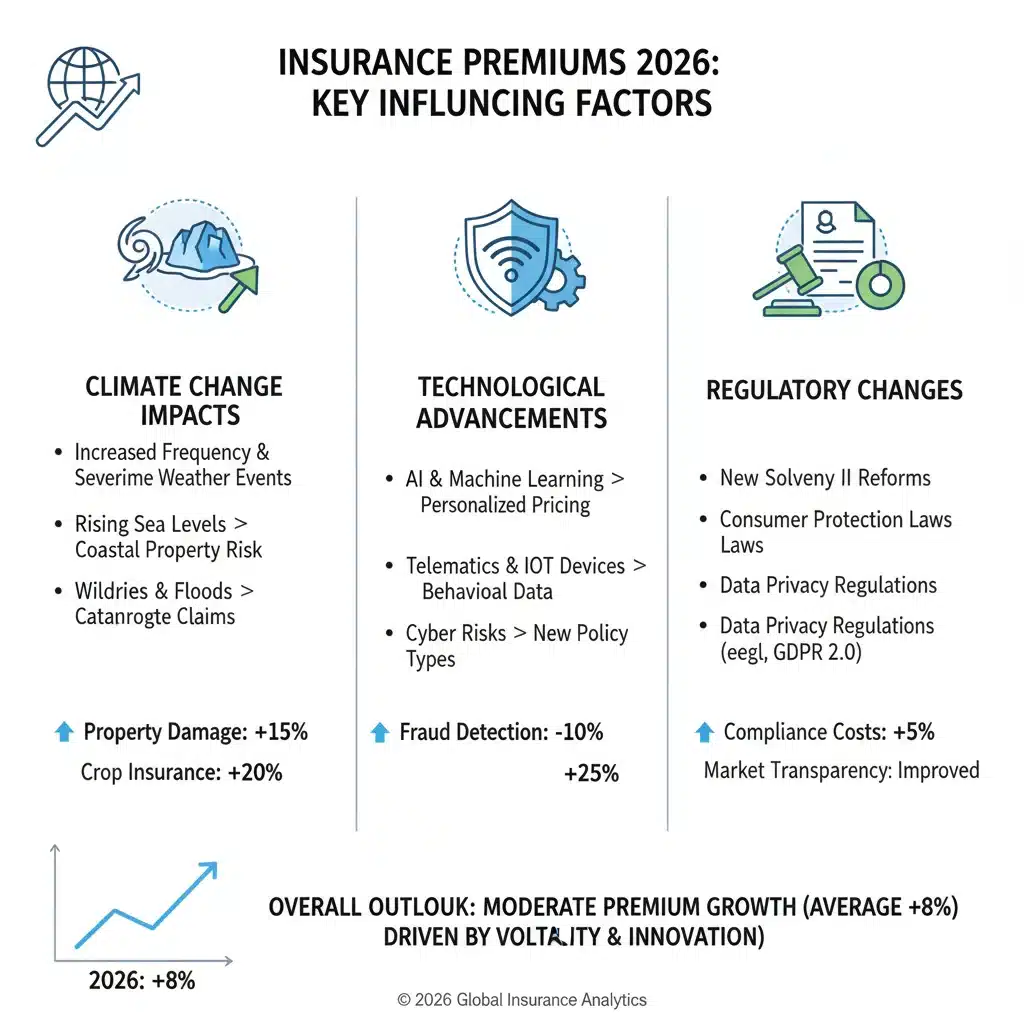
The insurance industry is currently navigating a period of significant transformation. Factors such as climate change, increased digital dependency, geopolitical uncertainties, and shifting demographics are all contributing to a dynamic environment. These forces directly impact underwriting practices, premium calculations, and the availability of certain types of coverage. Understanding these macro trends is the first step in preparing for effective 2026 insurance adjustments.
Economic Indicators and Their Impact on Premiums
Economic stability, inflation rates, interest rates, and investment returns all play a pivotal role in how insurance companies operate and price their products. High inflation, for instance, can lead to increased claims costs (e.g., higher repair costs for vehicles, increased construction costs for property damage), which in turn can drive up premiums. Similarly, fluctuating interest rates affect an insurer’s investment income, influencing their pricing strategies. By 2026, we anticipate clearer trends in these economic indicators, offering a more predictable environment for making informed insurance decisions. Staying informed about these economic forecasts will be key to anticipating premium changes and identifying optimal times for policy reviews.
Technological Advancements and Their Role
Technology continues to revolutionize the insurance sector. Artificial intelligence (AI), machine learning, big data analytics, and the Internet of Things (IoT) are enabling insurers to assess risk with unprecedented precision. Wearable devices for health insurance, telematics for auto insurance, and smart home devices for property insurance are becoming more prevalent. These technologies can offer opportunities for personalized premiums based on individual behavior and risk profiles. However, they also raise concerns about data privacy and algorithmic bias. For 2026 insurance adjustments, it will be crucial to understand how these technologies might impact your eligibility for discounts, your data privacy, and the overall terms of your policies.
Regulatory Changes and Compliance
Insurance is a highly regulated industry, and changes in legislation can have far-reaching effects. New consumer protection laws, data privacy regulations (like GDPR or CCPA equivalents), and solvency requirements for insurers can all influence the market. These regulatory shifts often create specific windows of opportunity or necessity for policyholders to adjust their coverage. Keeping an eye on upcoming legislative changes that are projected to take effect by or in 2026 will be vital for proactive policy management. Failure to comply with new regulations, or to adjust policies in response to them, could lead to gaps in coverage or unforeseen liabilities.
Identifying Your Personal and Business Market Windows
A ‘market window’ in the context of insurance refers to a specific period when conditions are particularly favorable for making changes to your policies. These windows can be driven by external market forces (as discussed above) or by internal personal/business life events. Recognizing these windows is central to making effective 2026 insurance adjustments.
Life Events: A Catalyst for Policy Review
Significant life events are natural triggers for re-evaluating your insurance needs. These include:
- Marriage or Divorce: Changes in marital status impact beneficiaries, property ownership, and financial dependents, necessitating updates to life, health, and property insurance.
- Birth of a Child or Adoption: New dependents require increased life insurance coverage, health insurance adjustments, and potentially changes to long-term care planning.
- Purchasing a New Home or Vehicle: These major assets require new or updated property and auto insurance policies. It’s an ideal time to compare rates and coverage.
- Career Changes or Retirement: A new job might offer different benefits packages, while retirement necessitates a complete overhaul of health, life, and long-term care insurance strategies.
- Starting a Business or Expanding Operations: Businesses need specialized insurance (liability, property, workers’ compensation) that must evolve with their growth and changing risk profile.
While these events can occur at any time, aligning their impact with the broader market trends of 2026 can amplify the benefits of your policy adjustments.
Business Milestones: Tailoring Commercial Coverage
For businesses, specific milestones also create market windows:
- Significant Growth or Expansion: Increasing revenue, hiring more employees, or expanding into new markets changes a business’s risk exposure, requiring a re-evaluation of general liability, professional liability, and workers’ compensation insurance.
- New Product Launches or Service Offerings: Introducing new products or services can introduce new liabilities, necessitating product liability insurance or adjustments to existing coverage.
- Mergers and Acquisitions: These complex transactions inherently alter the risk profile of the combined entity, demanding a comprehensive review and often consolidation of insurance portfolios.
- Cybersecurity Incidents or Data Breaches: While unfortunate, these events highlight vulnerabilities and often lead businesses to strengthen their cyber insurance policies and security protocols.
Proactive planning around these milestones, especially when combined with the specific market conditions of 2026, can lead to more robust and cost-effective insurance solutions.
Strategic Approaches for 2026 Insurance Adjustments
Once you understand the evolving landscape and your personal/business market windows, the next step is to develop a strategic approach for making your 2026 insurance adjustments. This involves a multi-faceted review process.
Comprehensive Policy Review: Beyond the Basics
Don’t just look at your premiums; delve into the details of your coverage. Review:
- Deductibles and Limits: Are your deductibles still appropriate for your financial situation? Are your coverage limits sufficient to protect your assets in today’s market?
- Exclusions and Inclusions: Understand what is and isn’t covered. New risks might have emerged that your current policy doesn’t address.
- Riders and Endorsements: Are there any riders you no longer need, or new ones that would enhance your coverage?
- Beneficiaries: Ensure your beneficiaries are up-to-date, especially for life insurance policies.
- Bundling Opportunities: Many insurers offer discounts for bundling multiple policies (e.g., home and auto). Check if you’re maximizing these savings.
Leveraging Technology for Better Rates
As mentioned, technology is a game-changer. Explore how you can use it to your advantage:
- Telematics Programs: For auto insurance, consider programs that monitor driving behavior in exchange for potential discounts.
- Smart Home Devices: Installing smart smoke detectors, security systems, or water leak sensors can often lead to reduced homeowner’s insurance premiums.
- Wearable Devices: Some health insurance providers offer incentives or lower premiums for using fitness trackers that demonstrate a commitment to a healthy lifestyle.
- Online Comparison Tools: Utilize reputable online platforms to compare quotes from multiple insurers efficiently. This is particularly effective during a market window when rates might be shifting.
Risk Mitigation Strategies
Insurance is about transferring risk, but reducing your risk profile can also lead to lower premiums. Consider:
- Improving Home Security: Upgrading locks, installing alarm systems, or reinforcing doors and windows.
- Vehicle Safety Features: Driving a car with advanced safety features (e.g., automatic emergency braking, lane-keeping assist) can often result in lower auto insurance costs.
- Health and Wellness: Engaging in healthy habits, quitting smoking, and managing chronic conditions can positively impact health and life insurance rates.
- Cybersecurity Best Practices: For businesses, investing in robust cybersecurity measures can reduce the risk of data breaches and potentially lower cyber insurance premiums.
Proactively mitigating risks makes you a more attractive client to insurers, often translating into more favorable terms for your 2026 insurance adjustments.
Emerging Trends to Watch for in 2026
Beyond the general economic and technological shifts, several specific trends are likely to gain prominence by 2026, influencing insurance products and pricing. Being aware of these can give you a significant advantage.
Climate Change and Catastrophe Risk
The increasing frequency and intensity of extreme weather events are profoundly impacting property and casualty insurance. By 2026, insurers will likely have further refined their models for assessing climate-related risks, leading to more granular pricing based on geographic location and specific property vulnerabilities. Homeowners in high-risk areas might see increased premiums or new requirements for mitigation (e.g., flood barriers, wildfire-resistant landscaping). Understanding your property’s specific risks and proactively implementing mitigation measures will be key to managing these costs during your 2026 insurance adjustments.
Cyber Insurance Evolution
As businesses and individuals become more reliant on digital infrastructure, cyber threats continue to escalate. Cyber insurance, once a niche product, is becoming a necessity. By 2026, expect to see more sophisticated cyber insurance products, potentially with more stringent requirements for policyholders regarding their cybersecurity hygiene. The market may also see segmentation, with policies tailored to specific industries or business sizes. Businesses should review their cyber insurance needs carefully, ensuring adequate coverage against ransomware, data breaches, and business interruption due to cyber incidents.
Personalized and Usage-Based Insurance (UBI)
The trend towards personalization, driven by data analytics and IoT, will continue to accelerate. UBI, where premiums are based on actual usage or behavior, will become more common across various insurance lines. This could include pay-per-mile auto insurance, health insurance linked to wellness programs, or even home insurance adjusted based on smart home device data. While offering potential savings for low-risk individuals, it also raises questions about privacy and data usage that policyholders should consider when making 2026 insurance adjustments.
The Gig Economy and Flexible Coverage
The rise of the gig economy and remote work has created new insurance challenges. Traditional policies often don’t adequately cover the unique risks faced by freelancers, independent contractors, or home-based businesses. By 2026, we anticipate more flexible and modular insurance products designed specifically for the gig economy, offering coverage for professional liability, equipment breakdown, and income protection tailored to intermittent work schedules. Individuals in the gig economy should actively seek out these specialized policies.
Actionable Steps for Your 2026 Insurance Adjustments
Now that you’re armed with knowledge, here are concrete steps to take to ensure you seize the 2026 market windows for optimal insurance policy adjustments:
1. Start Early: The Power of Proactive Planning
Don’t wait until the last minute. Begin reviewing your policies and researching market trends well before 2026. This gives you ample time to gather information, compare quotes, and make informed decisions without pressure. Proactive planning is the cornerstone of effective 2026 insurance adjustments.
2. Document Everything
Keep detailed records of your current policies, coverage details, and any communications with your insurance providers. This documentation will be invaluable when comparing new policies or discussing changes with agents.
3. Consult with an Independent Insurance Advisor
While online tools are useful, a qualified independent insurance advisor can provide personalized guidance. They have a deep understanding of the market, can assess your unique needs, and can help you navigate complex policy options. They can also advocate on your behalf to find the best rates and coverage. This is especially important when making significant 2026 insurance adjustments that impact your long-term financial security.

4. Get Multiple Quotes
Always obtain quotes from several different insurance providers. The market is competitive, and rates for similar coverage can vary significantly. Don’t be afraid to switch providers if you find a better deal that meets your needs. This is a fundamental step in optimizing your insurance during any market window.
5. Understand Your Risk Tolerance
Before making changes, honestly assess your comfort level with risk. Are you willing to take on a higher deductible for lower premiums, or do you prefer the peace of mind that comes with comprehensive coverage and lower out-of-pocket costs? Your risk tolerance should guide your policy decisions.
6. Review Your Coverage Annually (and Especially in 2026)
Even outside of major market windows, an annual review of your insurance policies is good practice. However, given the anticipated shifts and opportunities in 2026, a thorough, dedicated review during that period will be particularly beneficial. Ensure your policies align with your current life situation, assets, and risk exposure.
7. Don’t Forget About Niche Insurance Products
As your life and business evolve, you might find a need for specialized insurance products that you previously overlooked. This could include pet insurance, travel insurance, identity theft protection, or even specific coverage for hobbies or collections. The 2026 market window is an excellent time to assess if any of these niche products have become relevant to your situation.
8. Stay Informed About Industry News
Follow reputable insurance industry news outlets, financial publications, and economic forecasts. The more informed you are about the broader market, the better equipped you will be to anticipate changes and make timely decisions regarding your 2026 insurance adjustments.
Conclusion: Seizing the Opportunity
The year 2026 is poised to be a pivotal year for insurance policy optimization. By understanding the economic, technological, and regulatory forces at play, identifying your personal and business market windows, and adopting a strategic approach to policy review and adjustment, you can secure more robust, cost-effective, and tailored insurance coverage. Proactive planning, leveraging expert advice, and staying informed are your greatest assets in navigating this evolving landscape. Don’t let this time-sensitive opportunity pass you by; begin preparing your 2026 insurance adjustments today to safeguard your future and achieve optimal financial protection.