Navigating Insurance Policy Exclusions 2026: What You Need to Know
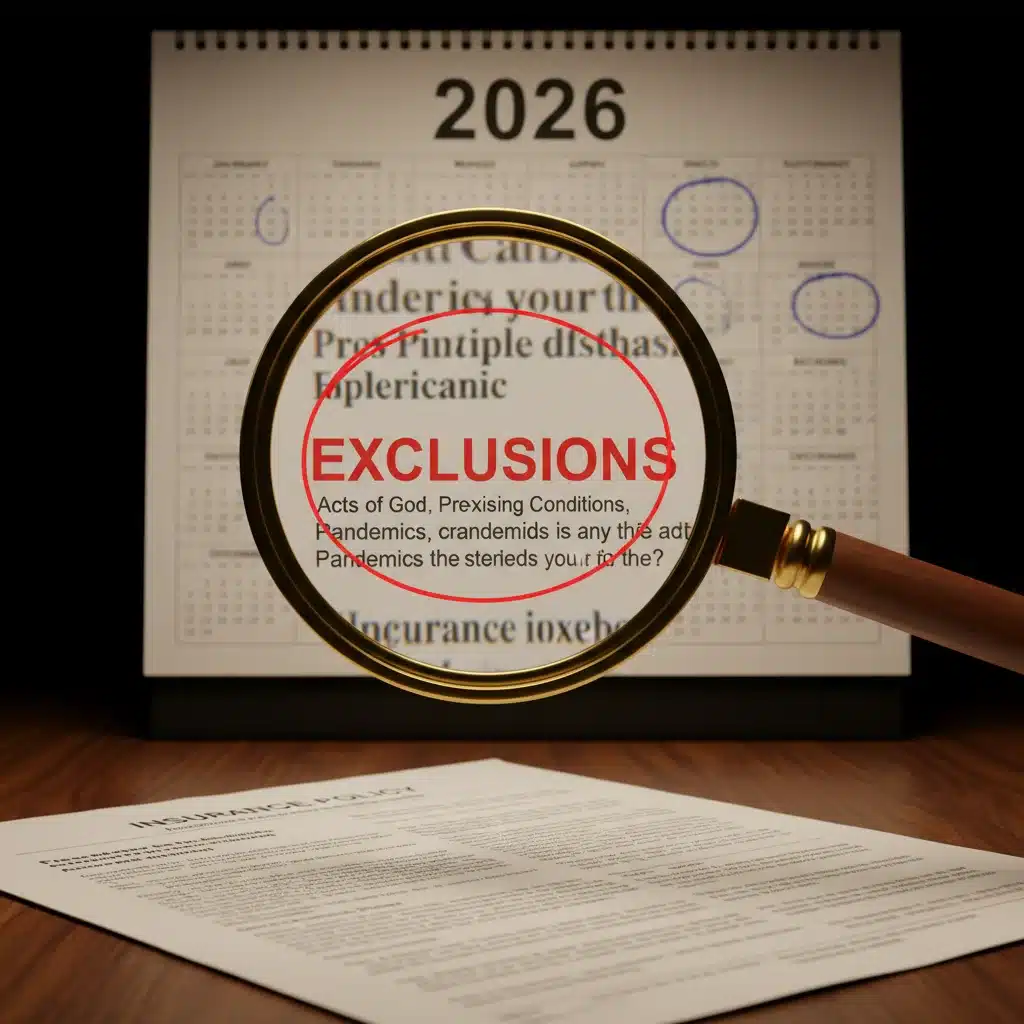
In an increasingly unpredictable world, insurance serves as a vital safety net, protecting individuals and families from unforeseen financial catastrophes. From health crises to property damage, and from vehicle accidents to the ultimate loss of life, insurance policies are designed to provide peace of mind. However, many policyholders often overlook a critical aspect of their coverage: Insurance Policy Exclusions. These are specific conditions or circumstances under which an insurance company will not provide coverage. Understanding these exclusions, especially as we look towards 2026, is not just about reading the fine print; it’s about safeguarding your financial future.
The landscape of insurance is constantly evolving, influenced by new technologies, changing environmental factors, shifting societal norms, and emerging risks. What was covered a decade ago might not be covered today, and new exclusions could be introduced in the coming years. For 2026, it’s more crucial than ever to be proactive in understanding the nuances of your insurance policies. This comprehensive guide will delve into common Insurance Policy Exclusions across various types of insurance – health, home, auto, and life – explaining why they exist and what you need to do to ensure you’re adequately protected.
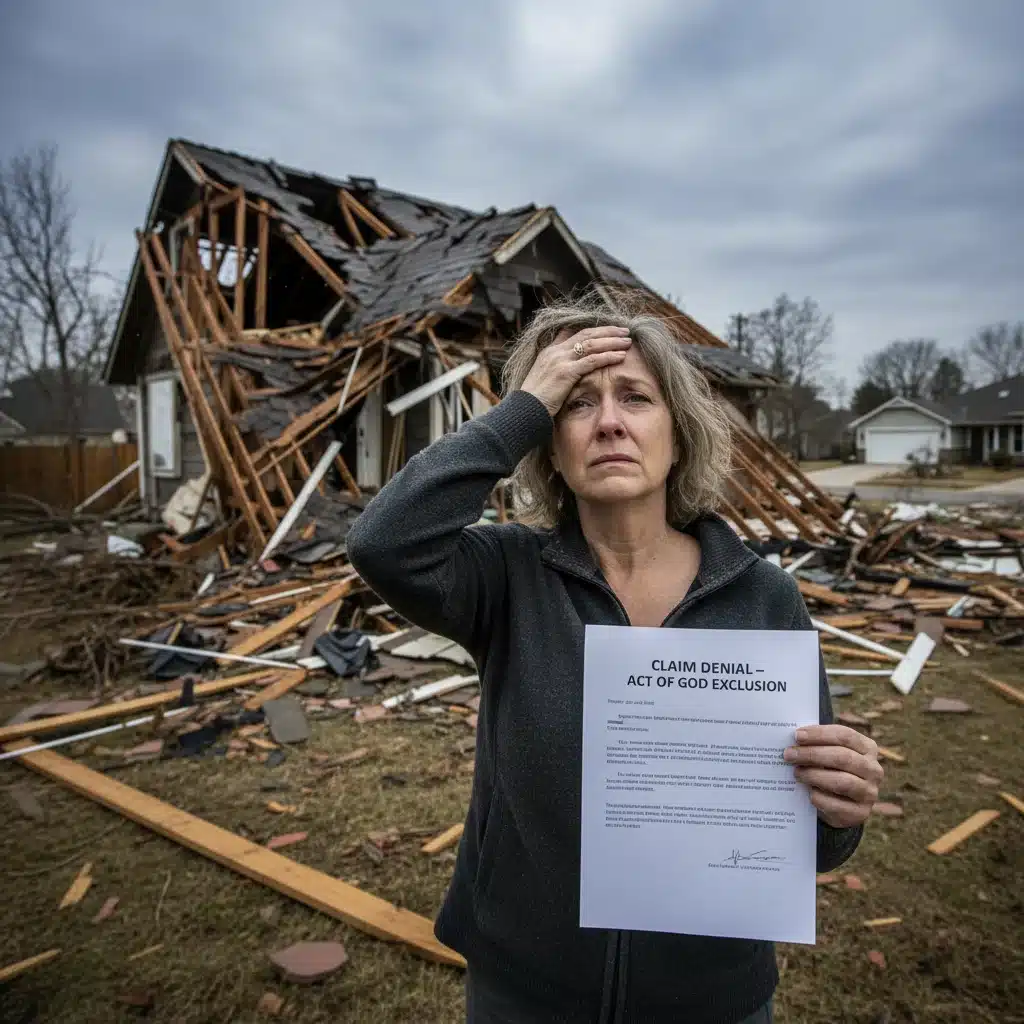
Ignoring exclusions can lead to devastating financial consequences, turning what you thought was a secure safety net into a gaping hole. Imagine a scenario where a major health event occurs, only for you to discover your policy explicitly excludes the necessary treatment. Or, a natural disaster strikes your home, and your homeowner’s insurance denies the claim due to a specific exclusion you were unaware of. These situations underscore the profound importance of being well-informed.
What Are Insurance Policy Exclusions?
At its core, an exclusion is a provision within an insurance policy that limits or restricts coverage for certain perils, losses, types of property, or persons. Insurance companies include exclusions to manage their risk exposure, keep premiums affordable, and define the scope of their responsibility. Without exclusions, insurance companies would face unlimited liability, making it impossible to offer sustainable coverage at reasonable rates. They are a fundamental part of how insurance works, delineating what the insurer will and will not pay for.
The Purpose Behind Exclusions
- Risk Management: Insurers exclude risks that are too high or uninsurable, such as acts of war or nuclear events, because the potential for loss is too great or unpredictable.
- Preventing Moral Hazard: Some exclusions aim to prevent policyholders from intentionally causing losses to collect insurance money (e.g., self-inflicted injuries in health insurance).
- Controlling Costs: By excluding certain coverages, insurers can offer more affordable policies for standard risks. If every conceivable risk were covered, premiums would be prohibitively expensive.
- Avoiding Duplication of Coverage: Sometimes, a risk might be covered by another type of policy (e.g., flood damage often excluded from standard home insurance but available through separate flood insurance).
- Defining Scope: Exclusions clearly define the boundaries of the policy, helping both the insurer and the insured understand what is and isn’t covered.
It’s crucial to understand that exclusions are not designed to trick policyholders but rather to clearly define the contractual agreement. However, the onus is on the policyholder to read and comprehend these clauses. As 2026 approaches, with its potential for new risks and policy adjustments, this understanding becomes even more critical.
Common Exclusions Across Different Insurance Types for 2026
Health Insurance Exclusions
Health insurance is designed to cover medical expenses, but it’s far from all-encompassing. For 2026, expect these common exclusions to persist and possibly evolve:
- Pre-existing Conditions: While regulations like the Affordable Care Act (ACA) in the U.S. have largely eliminated pre-existing condition exclusions for major medical plans, short-term plans or international health insurance policies may still have them. It’s vital to check the specifics of your plan for 2026, especially if considering alternative coverage options.
- Cosmetic Procedures: Surgeries or treatments solely for aesthetic improvement are almost universally excluded unless medically necessary (e.g., reconstructive surgery after an accident).
- Experimental/Investigational Treatments: If a treatment or drug is not yet approved by regulatory bodies or is considered experimental, it’s typically not covered. As medical science advances rapidly, understanding what falls into this category for 2026 will be important.
- Off-Label Drug Use: Prescribing a drug for a condition it wasn’t approved for by regulatory bodies (even if medically accepted) can sometimes lead to coverage denials.
- Self-Inflicted Injuries: Injuries resulting from suicide attempts or intentional self-harm are generally excluded.
- Injuries from Illegal Activities or While Intoxicated: Medical expenses incurred due to injuries sustained while committing a crime or under the influence of drugs/alcohol are often excluded.
- Non-Medically Necessary Services: This broad category can include anything from certain alternative therapies to extended hospital stays deemed unnecessary by the insurer’s medical review.
- Services Outside Network/Geography: Depending on your plan type (HMO, PPO), receiving care outside the approved network or while traveling internationally without specific travel health insurance can lead to denials.
The evolving nature of healthcare, including new technologies and treatments, means that what is considered ‘experimental’ or ‘medically necessary’ can change. Staying informed about your health plan’s specific language for 2026 is paramount.
Homeowner’s Insurance Exclusions
Your home is likely your most significant asset, and homeowner’s insurance protects it from various perils. However, there are significant gaps in standard policies:
- Flooding: This is perhaps the most well-known exclusion. Standard homeowner’s policies almost never cover flood damage, which typically requires a separate flood insurance policy (often through the National Flood Insurance Program in the U.S.). With increasing climate change impacts, this exclusion will be more critical than ever in 2026.
- Earthquakes: Similar to floods, earthquake damage is usually excluded and requires a separate endorsement or policy.
- Wear and Tear/Lack of Maintenance: Damage resulting from gradual deterioration, neglect, or poor maintenance (e.g., a leaky roof that wasn’t repaired) is not covered. Insurance is for sudden, accidental losses, not maintenance issues.
- Pest Infestations: Damage caused by termites, rodents, or other pests is generally excluded, as it’s considered preventable through regular home maintenance.
- Mold: While some policies offer limited mold coverage if it results from a covered peril (e.g., a burst pipe), extensive mold damage often has strict limits or is entirely excluded, especially if it’s due to long-term moisture issues.
- Acts of War/Terrorism: Damage from acts of war or certified acts of terrorism are typically excluded.
- Sewer Backup/Sump Pump Failure: Water damage from sewer backups or sump pump failures is often excluded but can sometimes be added as an endorsement.
- Power Surges: Damage to electronics from power surges can be excluded, though some policies offer limited coverage or an endorsement.
Understanding these homeowner’s Insurance Policy Exclusions for 2026 is crucial, especially as climate patterns continue to shift, potentially increasing the frequency and intensity of natural disasters. Reviewing your policy and considering supplemental coverage is highly recommended.
Auto Insurance Exclusions
Auto insurance is mandatory in most places, but even comprehensive policies have limits:
- Intentional Damage/Fraud: Causing damage to your own vehicle intentionally or staging an accident to collect insurance money is fraudulent and excluded.
- Racing/Illegal Activities: Damage incurred while racing or using the vehicle in illegal activities will not be covered.
- Wear and Tear/Mechanical Breakdown: Standard auto insurance covers damage from accidents, not mechanical failures, routine maintenance, or gradual wear and tear. Extended warranties or separate mechanical breakdown insurance cover these.
- Using Vehicle for Commercial Purposes (Without Proper Policy): If you use your personal vehicle for ride-sharing, delivery services, or other commercial activities without informing your insurer and securing appropriate commercial coverage, claims may be denied. This is a growing area of concern for 2026 with the rise of the gig economy.
- Driving Without a Valid License: If the driver involved in an accident does not possess a valid driver’s license, coverage can be denied.
- Driving While Intoxicated: While liability coverage might still pay for damages to other parties, your own collision coverage for damage to your car could be denied if you were driving under the influence.
- Custom Equipment: Aftermarket modifications or custom equipment (e.g., expensive stereo systems, custom rims) might not be covered unless specifically endorsed and added to the policy.
- Theft if Keys Left in Car: Some policies have clauses that limit or exclude coverage if the vehicle is stolen with the keys left inside, as this is seen as negligence.
With advancements in vehicle technology and evolving transportation trends, auto Insurance Policy Exclusions for 2026 could see adjustments. Always ensure your policy reflects your vehicle’s use and any modifications.
Life Insurance Exclusions
Life insurance provides financial security to your beneficiaries upon your death, but even this critical coverage has specific exclusions:
- Suicide Clause: Almost all life insurance policies have a suicide clause, typically for the first one or two years of the policy. If the insured dies by suicide within this period, the policy will only refund the premiums paid, not the full death benefit. After this period, suicide is generally covered.
- Misrepresentation/Fraud: If you provide false information on your application (e.g., about health history, smoking status) and this misrepresentation is discovered after your death, the policy could be voided, and benefits denied.
- Illegal Activities: If the insured’s death occurs directly as a result of engaging in illegal activities, benefits may be denied.
- Acts of War: Similar to other policies, death directly resulting from acts of war can be excluded. This is more common in policies for military personnel or those living in conflict zones.
- Hazardous Hobbies/Occupations (Undisclosed): If you engage in high-risk hobbies (e.g., skydiving, rock climbing) or have a hazardous occupation and fail to disclose this during application, your policy might exclude death arising from these activities.
Life insurance exclusions are typically fewer but carry significant weight. Ensuring full transparency during the application process and understanding the suicide clause are key for 2026 and beyond.
Why These Exclusions Matter for 2026
The year 2026 is not just an arbitrary date; it represents a near-future point where current trends in risk and insurance policy adjustments will be fully in effect. Several factors make understanding Insurance Policy Exclusions particularly critical for 2026:
- Climate Change Impacts: Increased frequency and intensity of natural disasters (floods, wildfires, hurricanes, severe storms) could lead to stricter exclusions or higher costs for supplemental coverage in homeowner’s insurance.
- Technological Advancements: New medical treatments, autonomous vehicles, and smart home technologies can introduce new types of risks and prompt insurers to update their exclusion lists.
- Economic Volatility: Economic pressures can influence insurance companies to refine their risk models and, consequently, their exclusions to maintain profitability.
- Evolving Legal and Regulatory Landscape: Changes in laws (e.g., related to healthcare, personal liability, or climate resilience) can directly impact what insurers are allowed or required to cover, leading to new or modified exclusions.
- Cyber Risks: While not a primary focus of the above categories, cyber risks are increasingly relevant. Personal cyber insurance is emerging, and exclusions in other policies might clarify what isn’t covered regarding cyber-related losses.
Being aware of these macro trends helps in anticipating potential changes to Insurance Policy Exclusions and preparing accordingly.
How to Navigate Insurance Policy Exclusions Effectively
1. Read Your Policy Thoroughly (Yes, Every Word!)
This is the most fundamental step. Insurance policies are legal contracts, and every word matters. Pay particular attention to sections titled ‘Exclusions,’ ‘Limitations,’ ‘What is Not Covered,’ or similar headings. Don’t skim; truly understand what you’re reading. If the language is complex, don’t hesitate to…
2. Ask Questions and Seek Clarification
Your insurance agent or company representative is there to help. If you encounter any clauses you don’t understand, or if you’re unsure if a specific scenario would be covered, ask for clarification in writing. A clear understanding upfront can save immense heartache later.
3. Don’t Assume Coverage
Never assume something is covered just because it seems logical or because a similar event was covered under a previous policy. Policies vary widely between providers and even different plans from the same provider. Always verify.
4. Conduct Annual Policy Reviews
Life changes, and so do insurance policies. Make it a habit to review all your insurance policies annually, especially before 2026. Discuss any life changes with your agent (e.g., home renovations, new health conditions, new hobbies, changes in vehicle use). This ensures your coverage remains appropriate and helps you catch any new Insurance Policy Exclusions that might have been added.
5. Consider Endorsements and Riders
Many common exclusions can be mitigated by adding an ‘endorsement’ or ‘rider’ to your policy for an additional premium. For example, adding flood insurance to your homeowner’s policy or specific coverage for jewelry or art. Discuss these options with your agent to tailor your coverage.
6. Document Everything
Keep detailed records of your policy documents, communications with your insurer, and any changes or endorsements. This documentation can be invaluable if a dispute arises.
7. Compare Policies and Providers
Don’t settle for the first policy you see. Shop around and compare policies from different providers. While price is a factor, pay equal attention to the scope of coverage and, critically, the list of Insurance Policy Exclusions. What one insurer excludes, another might cover, or offer as an add-on.

The Cost of Ignorance: Real-World Scenarios
To truly grasp the impact of Insurance Policy Exclusions, consider these hypothetical scenarios:
- The Uncovered Basement Flood: A heavy rainstorm in 2026 causes your basement to flood. You assumed your homeowner’s policy covered all water damage. However, your policy explicitly excludes flood damage, and you never purchased separate flood insurance. You’re now solely responsible for tens of thousands of dollars in repairs and property replacement.
- The Experimental Cancer Treatment: Diagnosed with a rare form of cancer, your doctor recommends a promising new experimental treatment. Your health insurance, however, denies coverage, citing the ‘experimental treatment’ exclusion. You face the agonizing choice between astronomical out-of-pocket costs or a less effective, covered treatment.
- The Gig Economy Accident: You’ve been driving for a ride-sharing app in your spare time. One day, while on a fare, you get into an accident. Your personal auto insurance denies your claim because your policy excludes damage incurred while using the vehicle for commercial purposes, and you didn’t have rideshare coverage.
- The High-Risk Hobby: An avid BASE jumper, you unfortunately suffer a fatal accident during a jump. Your life insurance policy, purchased years ago, had a clause excluding death resulting from ‘hazardous recreational activities’ if not disclosed and underwritten for. Your beneficiaries receive nothing but the premiums paid, leaving them in a difficult financial situation.
These scenarios, while fictional, highlight the very real and often devastating consequences of not understanding your policy’s limitations. By proactively addressing Insurance Policy Exclusions, you can avoid becoming another cautionary tale.
Looking Ahead to 2026 and Beyond
As we move towards 2026, the insurance industry will continue to adapt to new global and local challenges. Emerging risks such as advanced cyber threats, new infectious diseases, and the escalating effects of climate change will undoubtedly influence policy language and exclusions. Insurers are constantly re-evaluating what they can realistically cover while maintaining financial solvency and offering competitive premiums.
For consumers, this means a continuous need for vigilance. Don’t treat your insurance policies as static documents. They are living contracts that can be updated, renewed, and sometimes, altered by your insurer (with proper notification). Your responsibility as a policyholder is to stay informed, review your coverage regularly, and engage proactively with your insurance provider.
Conclusion: Your Proactive Approach to Insurance in 2026
Understanding Insurance Policy Exclusions is not a passive activity; it requires an active, informed approach. For 2026, and in the years that follow, taking the time to comprehend what your policies do not cover is just as important, if not more so, than knowing what they do cover. It’s about empowering yourself with knowledge to make informed decisions about your financial protection.
By thoroughly reading your policies, asking pertinent questions, conducting annual reviews, and considering additional coverage options, you can bridge potential gaps in your protection. Don’t wait for a crisis to discover an exclusion. Take control of your insurance portfolio today, ensuring that your safety net is as strong and comprehensive as you believe it to be. Your financial well-being and peace of mind depend on it.