2026 Regulatory Changes: Understanding Your Insurance Premium Increase
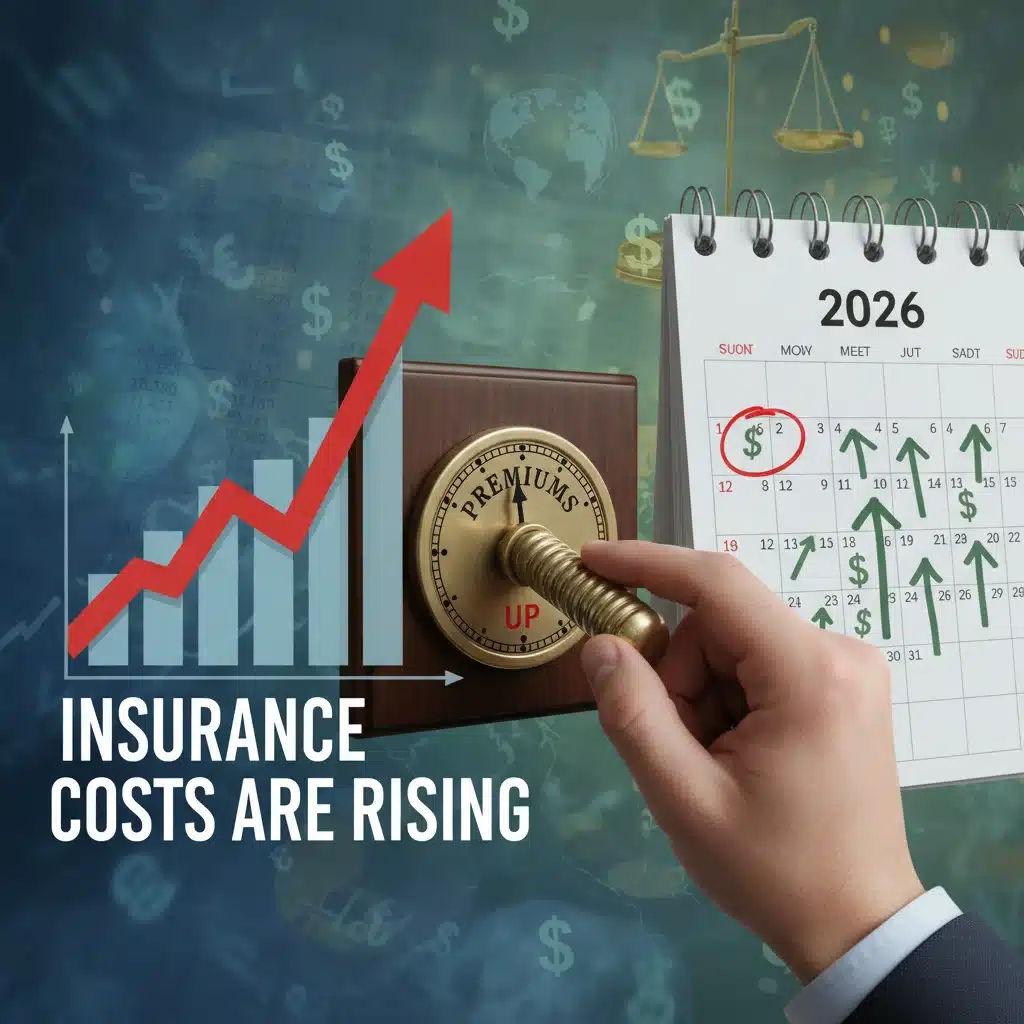
The 2026 Shift: How New Regulatory Changes Could Increase Your Insurance Premiums by 10% This Year
The year 2026 is poised to bring significant shifts across various sectors, and the insurance industry is no exception. For many individuals and businesses, these changes could translate into a noticeable increase in their insurance premiums, potentially by as much as 10%. Understanding the underlying causes of this impending shift and preparing for its impact is crucial for effective financial planning. This comprehensive guide delves into the specifics of the 2026 insurance premiums hike, exploring the regulatory landscape, the economic forces at play, and practical strategies to mitigate the financial burden.
Decoding the Regulatory Environment: What’s Driving the Change?
The primary catalyst for the anticipated surge in 2026 insurance premiums is a series of new regulatory changes. Governments and international bodies are constantly evolving their frameworks to address emerging risks, promote market stability, and enhance consumer protection. While these intentions are laudable, their implementation often comes with increased operational costs for insurance providers, which are then passed on to policyholders.
Global Standards and Harmonization Efforts
One significant factor is the ongoing push for global regulatory harmonization. Initiatives aimed at standardizing insurance practices across different jurisdictions, such as revised solvency requirements or new data privacy laws, require insurers to invest heavily in new systems, training, and compliance personnel. For instance, stricter capital adequacy rules, often designed to prevent systemic financial crises, necessitate insurers holding larger reserves. This ties up capital that could otherwise be invested, thus increasing the cost of doing business.
Climate Change and ESG Mandates
Another powerful driver is the increasing focus on environmental, social, and governance (ESG) factors. Regulators are increasingly mandating that insurance companies assess and disclose their exposure to climate-related risks. This includes evaluating the impact of extreme weather events on their portfolios, investing in climate risk modeling, and adjusting underwriting practices. As climate change intensifies, the frequency and severity of natural disasters are rising, leading to higher claims payouts for insurers. To offset these growing liabilities and comply with ESG mandates, insurers are likely to factor these increased risks into their pricing, directly influencing 2026 insurance premiums.
Technological Advancements and Cyber Risk
The rapid pace of technological advancement, while offering numerous benefits, also introduces new regulatory challenges. Governments are grappling with how to regulate artificial intelligence, data analytics, and the growing threat of cyber-attacks. New regulations around cyber insurance, data breach notification, and the responsible use of AI in underwriting are emerging. Compliance with these complex technological regulations requires significant investment in cybersecurity infrastructure and expert personnel, contributing to the upward pressure on premiums.
Economic Factors Amplifying the Premium Hike
Beyond regulatory changes, several economic factors are expected to converge and further amplify the increase in 2026 insurance premiums. Understanding these broader economic trends is essential for a holistic view of the impending cost adjustments.
Inflationary Pressures
Persistent inflation is a major concern across global economies. The cost of goods and services, including materials for repairs (e.g., auto parts, building materials), medical care, and legal expenses, continues to rise. Since insurance policies are designed to cover these costs, inflation directly impacts the potential payout for claims. Insurers must adjust their premiums to account for these higher future claim costs, leading to an increase in what policyholders pay. This inflationary environment makes the 10% premium increase in 2026 even more impactful on household and business budgets.
Supply Chain Disruptions and Increased Repair Costs
Lingering supply chain disruptions, a legacy of recent global events, continue to affect various industries. For instance, the availability and cost of specific auto parts or specialized building materials can fluctuate wildly. This unpredictability drives up the cost of repairs and replacements, which in turn increases the average claim size for insurers. To maintain profitability and cover these elevated costs, insurers have little choice but to raise premiums.
Rising Reinsurance Costs
Reinsurance is insurance for insurance companies. Insurers transfer a portion of their risks to reinsurers to protect themselves from large losses. When the primary insurers face higher claims due to regulatory changes, increased natural disasters, or inflation, reinsurers also experience greater payouts. Consequently, reinsurers raise their prices for primary insurers, and these increased costs are ultimately passed down to consumers in the form of higher 2026 insurance premiums.

The 10% Increase: A Closer Look at the Impact
While a 10% increase might seem manageable at first glance, its cumulative effect across various insurance types can be substantial. This percentage is an average; some policies or regions might see higher hikes, while others might experience slightly less. Let’s break down how this could impact different insurance categories.
Auto Insurance
For auto insurance, the 10% increase could be driven by a combination of factors: higher repair costs due to inflation and supply chain issues for parts, increased instances of severe weather-related damage, and potentially new regulations regarding vehicle safety features or autonomous driving liabilities. A 10% increase on an average annual premium of $1,500 would mean an extra $150 per year, or $12.50 per month, directly impacting household budgets.
Homeowner’s Insurance
Homeowner’s insurance is particularly vulnerable to the effects of climate change and rising construction costs. Areas prone to floods, wildfires, or severe storms could see premium increases well beyond 10%. New building codes mandated by regulators to enhance resilience against these events also add to construction and repair costs. For a home with an annual premium of $2,000, a 10% hike translates to an additional $200 per year, making it harder for homeowners to afford adequate coverage.
Health Insurance
While health insurance is often heavily regulated, the 2026 changes could still impact it. New mandates for coverage of specific treatments, advancements in medical technology (which are often expensive), and inflationary pressures on healthcare services can all contribute to rising premiums. A 10% increase on a family’s health insurance plan could mean hundreds or even thousands of dollars more annually, posing a significant challenge for many families and employers.
Business Insurance (Commercial General Liability, Property, Cyber)
Businesses face a multi-faceted impact. Commercial property insurance will reflect the same climate and construction cost issues as homeowner’s insurance. Cyber insurance, a rapidly growing segment, will likely see substantial increases due to the escalating frequency and sophistication of cyber-attacks and the new regulatory compliance costs. General liability policies may also be affected by new legal precedents or expanded definitions of liability. For small to medium-sized enterprises (SMEs), a 10% increase across multiple business insurance policies could significantly cut into profit margins and operational budgets.
Strategies to Mitigate the Impact of Rising 2026 Insurance Premiums
While the prospect of higher 2026 insurance premiums is daunting, there are proactive steps individuals and businesses can take to soften the blow. Strategic planning and informed decision-making can help manage these increased costs effectively.
1. Review Your Policies Annually (or More Frequently)
Don’t wait for your renewal notice to arrive. Start reviewing your policies several months in advance. Understand exactly what you’re covered for and identify any unnecessary add-ons. Your needs might have changed, making certain coverages redundant. This is an opportune time to reassess your risk profile and ensure your coverage aligns with your current situation.
2. Shop Around and Compare Quotes
Loyalty to a single insurer doesn’t always pay off. The insurance market is competitive, and different providers have varying underwriting criteria and pricing structures. Obtain quotes from multiple insurance companies, including smaller regional providers, independent brokers, and online aggregators. Even a slight difference in premiums can lead to significant savings over time, especially with the impending 2026 insurance premiums hike.
3. Increase Your Deductible
A higher deductible means you’ll pay more out-of-pocket before your insurance kicks in, but it almost always results in lower monthly or annual premiums. Assess your financial comfort level and emergency savings to determine if you can afford a higher deductible. This strategy is particularly effective for those who rarely file claims.
4. Bundle Your Policies
Many insurance companies offer discounts for bundling multiple policies, such as auto and home insurance, or business property and liability. Inquire about these multi-policy discounts, as they can lead to substantial savings across your entire insurance portfolio.
5. Improve Your Risk Profile
This is a long-term strategy but one of the most effective. For auto insurance, maintain a clean driving record, take defensive driving courses, and consider installing telematics devices offered by insurers. For homeowner’s insurance, invest in home security systems, smart home technology that detects leaks or fires, and make improvements that reduce the risk of damage (e.g., reinforcing roofs, clearing brush for wildfire prevention). Businesses can implement robust cybersecurity measures, comprehensive safety protocols, and employee training programs to reduce claims and demonstrate a lower risk profile to insurers.

6. Leverage Technology and Data
For businesses, actively collecting and analyzing data related to claims, safety incidents, and risk management efforts can be invaluable. Presenting this data to insurers demonstrates a proactive approach to risk mitigation and can potentially lead to more favorable premium negotiations. For individuals, some insurers offer discounts for using smart home devices or telematics in vehicles that provide data on risk-reducing behaviors.
7. Consult with an Independent Insurance Agent
Independent agents work with multiple insurance providers and can offer unbiased advice. They have a deep understanding of the market, including the nuances of the upcoming 2026 insurance premiums changes, and can help you navigate complex policy options to find the best coverage at the most competitive price. They can also help you identify specific discounts you might qualify for.
8. Understand Your Coverage Limits and Exclusions
As premiums rise, it’s tempting to cut back on coverage. However, it’s crucial to understand the implications of reduced limits or increased exclusions. Ensure that any adjustments you make still provide adequate protection against significant financial losses. The goal is to find a balance between affordability and comprehensive coverage.
9. Explore Government Programs or Subsidies (Where Applicable)
Depending on the type of insurance and your personal circumstances, there might be government programs, subsidies, or tax credits available to help offset the cost of premiums, particularly for health insurance or certain disaster-prone areas. Research these options to see if you qualify.
The Future of Insurance Beyond 2026
The 2026 insurance premiums increase is not an isolated event but rather a symptom of a constantly evolving risk landscape. Looking beyond 2026, the insurance industry is likely to continue adapting to new challenges and opportunities. Personalized insurance models, driven by artificial intelligence and big data, are expected to become more prevalent. This could lead to more granular pricing, where premiums are highly tailored to individual risk behaviors and profiles. While this offers the potential for fairer pricing for low-risk individuals, it also means that those deemed higher risk could face even steeper premiums.
Moreover, the focus on preventative measures will intensify. Insurers are increasingly incentivizing policyholders to mitigate risks proactively, whether through smart home devices that prevent water damage or wellness programs that promote healthier lifestyles. These initiatives aim to reduce the frequency and severity of claims, ultimately benefiting both insurers and policyholders.
The regulatory environment will also continue to adapt to new technologies and global challenges. Data privacy, ethical AI use, and climate resilience will remain key areas of focus for policymakers, ensuring that the insurance industry operates responsibly and sustainably. This continuous evolution means that staying informed and proactive will be a perpetual necessity for managing insurance costs.
Conclusion: Preparing for a New Insurance Reality
The anticipated 10% increase in 2026 insurance premiums, driven by a confluence of new regulatory mandates and economic pressures, marks a significant shift in the insurance landscape. While these changes are designed to foster a more resilient and responsible industry, they undeniably place an additional financial burden on consumers and businesses.
However, this doesn’t mean you are powerless. By understanding the factors at play, proactively reviewing your policies, shopping for competitive quotes, and implementing risk-mitigation strategies, you can effectively navigate this new reality. The key is to be informed, adaptable, and willing to explore all available options. Engage with independent insurance professionals, leverage technology, and continuously assess your needs to ensure you maintain adequate coverage without breaking the bank. The 2026 shift is an opportunity to re-evaluate your insurance strategy and build greater financial resilience for the future.