Risk Assessment Revolution: Algorithms Shaping Insurance Pricing 2026

The year is 2026, and the world of insurance is almost unrecognizable compared to just a few years prior. Gone are the days of one-size-fits-all policies and broad risk categories. Instead, a silent revolution, powered by sophisticated algorithms, artificial intelligence (AI), and an unprecedented deluge of data, has fundamentally reshaped how insurance providers assess risk and, crucially, how they price your policies. This isn’t just a technological upgrade; it’s a paradigm shift that promises to personalize insurance to an extent previously unimaginable, leading to both immense opportunities and potential challenges for consumers. Understanding these Insurance Algorithms 2026 is no longer optional; it’s essential for navigating your financial future.
The Dawn of Hyper-Personalized Insurance: What’s Driving the Change?
The journey to hyper-personalized insurance is fueled by several interconnected technological advancements. At its core, the ability to collect, process, and analyze vast quantities of data – often referred to as ‘big data’ – has been the primary catalyst. This data comes from an ever-expanding array of sources: telematics devices in cars, wearables monitoring health, smart home sensors, public records, and even social media activity (though the ethical implications of the latter are still hotly debated). The sheer volume and velocity of this data would be overwhelming without equally advanced tools to make sense of it.
The Role of Artificial Intelligence (AI) and Machine Learning (ML)
This is where AI and Machine Learning (ML) algorithms step in. Traditional actuarial science relied on statistical models built on historical data and broad demographic segments. While effective for their time, these models were inherently limited in their ability to capture individual nuances. Modern Insurance Algorithms 2026 leverage AI and ML to identify complex patterns and correlations within massive datasets that human analysts could never discern. These algorithms can learn and adapt over time, continuously refining their risk predictions as new data becomes available.
- Predictive Analytics: This is the cornerstone of the new risk assessment. Instead of just looking at what has happened, predictive analytics uses ML models to forecast future events. For instance, in auto insurance, it can predict the likelihood of an accident based on driving habits, road conditions, and even weather patterns.
- Natural Language Processing (NLP): NLP algorithms are increasingly used to process unstructured data, such as customer feedback, medical records, or claims descriptions. This allows insurers to extract valuable insights that were previously locked away in text format.
- Computer Vision: In property insurance, computer vision can analyze satellite imagery or drone footage to assess property damage, identify potential risks (e.g., overgrown trees near power lines), or verify claims more efficiently.
Big Data: The Fuel for the Algorithms
Big data isn’t just about volume; it’s about variety and velocity. The data now available to insurers is incredibly diverse, encompassing everything from genomic data in life insurance to real-time traffic data in auto insurance. The ability to integrate and synthesize these disparate data sources creates a much richer, more granular picture of individual risk. This wealth of information empowers Insurance Algorithms 2026 to make highly specific and accurate predictions.
Key Algorithms Reshaping Insurance Pricing by 2026
Let’s delve into some of the specific types of algorithms that are at the forefront of this revolution and how they are impacting various lines of insurance.
1. Telematics-Based Behavioral Algorithms (Auto Insurance)
Perhaps one of the most visible applications of advanced algorithms is in auto insurance. Telematics devices, either built into vehicles or accessible via smartphone apps, collect granular data on driving behavior: speed, acceleration, braking patterns, cornering, mileage, and even time of day driving. Insurance Algorithms 2026 analyze this data in real-time to create a highly personalized risk profile for each driver.
- How it works: ML models are trained on vast datasets of driving behavior correlated with accident rates. They identify patterns indicative of risky or safe driving.
- Impact on your wallet: Safe drivers can expect significantly lower premiums, as their individual risk is demonstrably lower. Conversely, consistently risky driving could lead to higher costs. This incentivizes safer driving, potentially reducing overall accidents.
- Beyond pricing: Some policies offer gamification elements, providing rewards or discounts for achieving certain safe driving milestones.
2. Wearable Tech and Health Data Algorithms (Life & Health Insurance)
The proliferation of smartwatches and fitness trackers has opened new avenues for life and health insurers. With explicit consent, these devices can provide continuous streams of health data: heart rate, activity levels, sleep patterns, and even blood oxygen levels. Insurance Algorithms 2026 can process this data to offer highly individualized health and life insurance premiums.
- How it works: Algorithms correlate health metrics with disease incidence, longevity, and overall health risks. They can identify proactive health management behaviors.
- Impact on your wallet: Individuals demonstrating healthy lifestyles and proactive health management (e.g., regular exercise, good sleep) may qualify for substantial discounts. This encourages wellness among policyholders.
- Ethical considerations: Data privacy and the potential for discrimination based on health data are significant concerns that regulations are attempting to address.
3. IoT and Smart Home Algorithms (Property & Home Insurance)
Smart homes, equipped with an array of Internet of Things (IoT) devices, are transforming property insurance. Sensors can detect water leaks, smoke, carbon monoxide, unauthorized entry, and even extreme temperature fluctuations. These devices provide real-time risk mitigation and data for insurers.

- How it works: Insurance Algorithms 2026 analyze data from smart home devices to assess the proactive measures taken by homeowners to prevent damage or theft. They can also alert insurers to potential issues before they escalate into costly claims.
- Impact on your wallet: Homes with robust smart security and safety systems often qualify for reduced premiums due to lower perceived risk of theft, fire, or water damage.
- Preventative measures: Some policies might offer discounts for installing specific smart devices or even provide subsidies for their purchase.
4. Geospatial and Environmental Algorithms (Property & Catastrophe Insurance)
Climate change is increasing the frequency and severity of natural disasters. Geospatial algorithms, combined with environmental data, are becoming indispensable for property and catastrophe insurance. These algorithms use satellite imagery, drone data, weather patterns, seismic activity, and topographical information to pinpoint specific risks for individual properties.
- How it works: Insurance Algorithms 2026 can map flood zones with extreme precision, assess wildfire risk based on vegetation density and wind patterns, and even predict the impact of hurricanes on specific structures.
- Impact on your wallet: Premiums will become increasingly localized, reflecting the exact environmental risks of a property’s location. This means properties in high-risk areas might see significant premium increases, while those in safer zones could benefit.
- Risk mitigation: Insurers might offer advice or incentives for homeowners to implement specific resilience measures, such as elevating foundations or using fire-resistant materials.
5. Advanced Fraud Detection Algorithms
Fraud is a significant cost for the insurance industry, ultimately driving up premiums for everyone. Advanced AI and ML algorithms are revolutionizing fraud detection by identifying suspicious patterns and anomalies that human investigators might miss.
- How it works: These Insurance Algorithms 2026 analyze vast amounts of claims data, looking for inconsistencies, unusual claim patterns, connections between individuals involved in multiple claims, and other red flags. They can flag claims for further investigation with a high degree of accuracy.
- Impact on your wallet: By reducing the costs associated with fraudulent claims, these algorithms indirectly help keep overall premiums lower for honest policyholders.
- Efficiency: Faster fraud detection also means legitimate claims can be processed more quickly.
6. Dynamic Pricing and Real-Time Adjustment Algorithms
The ultimate goal for many insurers is dynamic pricing, where premiums can adjust in near real-time based on fluctuating risk factors. While still in its nascent stages for many lines, the technological groundwork is being laid by Insurance Algorithms 2026.
- How it works: Imagine your car insurance premium subtly changing based on real-time traffic congestion, weather warnings, or even your planned route for the day. Or your health insurance adjusting based on a sudden change in your activity levels or diet.
- Impact on your wallet: This could lead to highly flexible and potentially fairer pricing, where you pay precisely for the risk you represent at any given moment. However, it also introduces a level of variability that some consumers might find challenging.
- Challenges: The ethical implications, data privacy concerns, and regulatory hurdles for such dynamic pricing models are immense.
The Impact on Your Wallet: Opportunities and Challenges
The rise of Insurance Algorithms 2026 presents a dual-edged sword for consumers. While the promise of fairer, more personalized pricing is appealing, there are also significant challenges to consider.
Opportunities for Consumers
- Lower Premiums for Low-Risk Individuals: If you demonstrate safe behavior (good driving, healthy lifestyle, secure home), you stand to benefit from significantly lower premiums.
- Personalized Coverage: Policies can be tailored precisely to your needs, eliminating unnecessary coverage and ensuring you’re adequately protected where it matters most.
- Incentives for Risk Mitigation: Insurers will increasingly offer discounts or rewards for adopting risk-reducing technologies (e.g., smart home devices) or behaviors (e.g., regular exercise).
- Faster Claims Processing: AI-powered claims processing can lead to quicker and more efficient resolution of legitimate claims.
Challenges and Concerns for Consumers
- Data Privacy: The sheer volume of personal data collected raises significant privacy concerns. Consumers must be vigilant about understanding what data is being collected, how it’s used, and with whom it’s shared.
- Algorithmic Bias: If not carefully designed and monitored, algorithms can perpetuate or even amplify existing societal biases. For example, if an algorithm correlates certain geographic areas with higher risk due to historical socioeconomic factors, it could unfairly penalize residents of those areas.
- Exclusion and Affordability: Individuals deemed ‘high-risk’ by these sophisticated algorithms might find insurance prohibitively expensive or even unavailable, creating a new class of uninsured.
- Complexity and Transparency: The complexity of these algorithms can make it difficult for consumers to understand how their premiums are calculated, leading to a lack of transparency and trust.
- Behavioral Nudging: While incentives for positive behavior are good, there’s a fine line between encouragement and intrusive monitoring or ‘nudging’ that dictates consumer choices.
Navigating the New Insurance Landscape: What You Can Do
As Insurance Algorithms 2026 become more prevalent, consumers need to be proactive in managing their insurance profiles.
1. Embrace Data-Sharing (Strategically)
If you have a good driving record, a healthy lifestyle, or a secure home, consider opting into telematics or wearable programs. The data you share could significantly reduce your premiums. However, always read the terms and conditions carefully to understand what data is being collected and how it will be used.
2. Focus on Risk Mitigation
Invest in smart home devices, maintain your vehicle, and prioritize your health. These actions not only reduce your personal risk but can also translate into tangible savings on your insurance policies.
3. Understand Your Digital Footprint
Be aware of the data you generate online and through connected devices. While insurers primarily rely on explicit opt-in data for personalized pricing, your broader digital footprint could indirectly influence risk assessments in the future.
4. Demand Transparency
Don’t hesitate to ask your insurer how your premium is calculated. As regulations evolve, insurers will be increasingly pressured to provide clearer explanations of their algorithmic decisions.
5. Shop Around and Compare
The competitive landscape will intensify as insurers vie for low-risk customers. Use this to your advantage by comparing quotes from multiple providers, especially those leveraging advanced algorithms to offer personalized pricing.
6. Advocate for Fair Data Practices
Support policies and regulations that promote data privacy, algorithmic transparency, and guard against unfair discrimination. Consumer advocacy groups will play a crucial role in shaping the ethical boundaries of these new technologies.
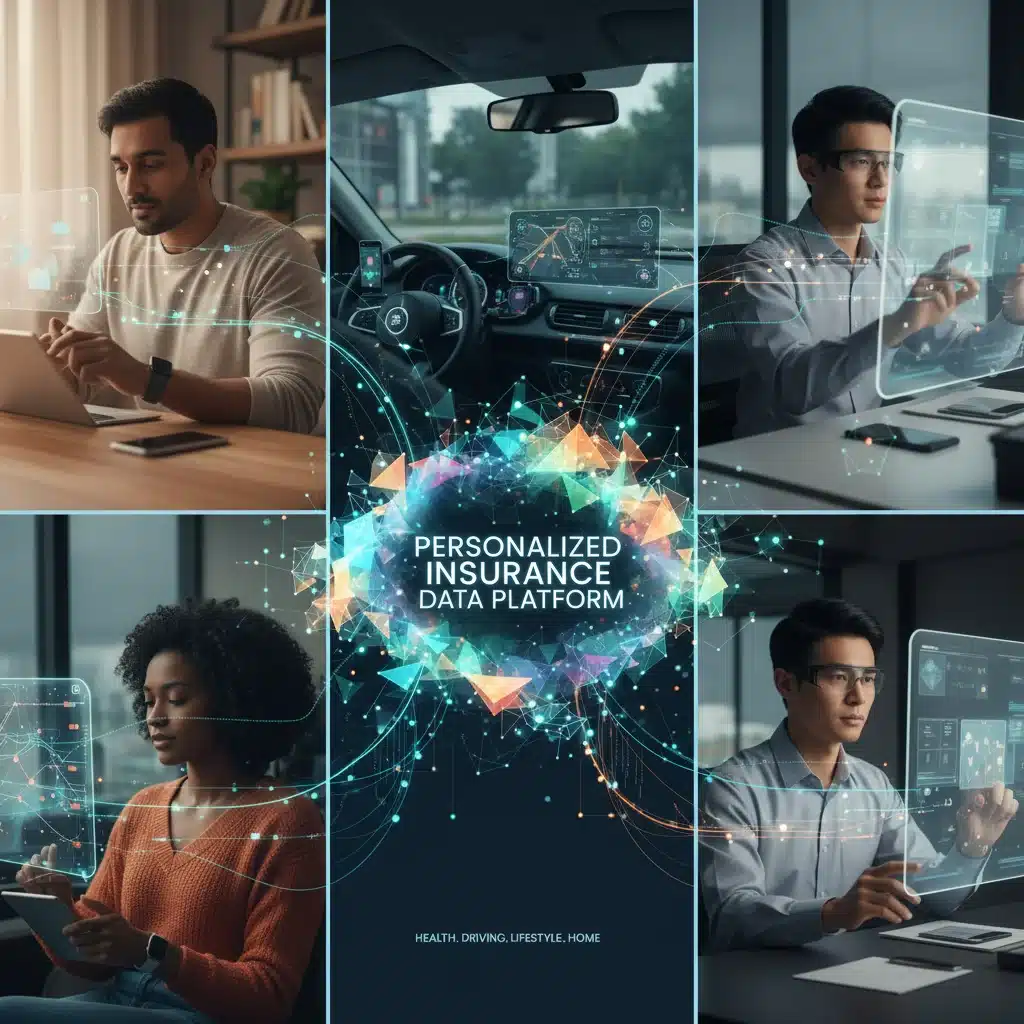
The Future of Insurance: A Look Ahead
By 2026, the insurance industry will be a testament to the power of data and advanced analytics. The trend towards hyper-personalization, driven by Insurance Algorithms 2026, is irreversible. We can expect even more sophisticated models that integrate a wider array of data points, leading to increasingly precise risk assessments.
Beyond Pricing: Proactive Risk Management
The future isn’t just about pricing; it’s about proactive risk management. Insurers will evolve from simply paying claims to actively helping policyholders prevent them. Imagine your insurer alerting you to a potential pipe burst based on smart home data, or sending you tailored health advice based on your wearable metrics. This shift from ‘pay and repair’ to ‘predict and prevent’ will be a defining characteristic of the industry.
Embedded Insurance and Ecosystems
Insurance will become increasingly embedded into our daily lives and purchases. When you buy a car, insurance might be seamlessly integrated into the purchase process, dynamically priced based on your driving profile and the vehicle’s safety features. This ‘invisible’ insurance will rely heavily on robust algorithmic backends.
Regulatory Evolution
Governments and regulatory bodies are racing to keep up with the rapid pace of technological change. We can expect more comprehensive regulations concerning data privacy (like GDPR and CCPA), algorithmic transparency, and fairness in pricing. These regulations will be crucial in ensuring that the benefits of advanced Insurance Algorithms 2026 are realized without leading to undue consumer harm or discrimination.
Conclusion: Embracing the Algorithmic Future
The revolution in risk assessment and insurance pricing, spearheaded by advanced Insurance Algorithms 2026, is already underway. While it brings forth a future of unprecedented personalization and potential savings for many, it also demands a more informed and proactive approach from consumers. Understanding these technological shifts, advocating for responsible data practices, and strategically leveraging the opportunities presented will be key to navigating the evolving insurance landscape successfully. Prepare yourself for a future where your insurance policy is as unique as you are, shaped by the intricate dance of data and algorithms.