Unlock Savings: Combine Insurance Policies for 12% Cost Reduction in 2026

In today’s dynamic economic landscape, every dollar saved contributes significantly to your overall financial well-being. As we approach 2026, the opportunity to optimize your personal finances through strategic insurance planning is more relevant than ever. One of the most effective, yet often overlooked, strategies is to combine insurance policies. This approach, commonly known as bundling, can lead to substantial savings, potentially reducing your total insurance costs by an impressive 12% or more. This comprehensive guide will delve into the intricacies of combining insurance policies, exploring the benefits, dispelling common myths, and providing actionable steps to help you achieve significant financial relief.
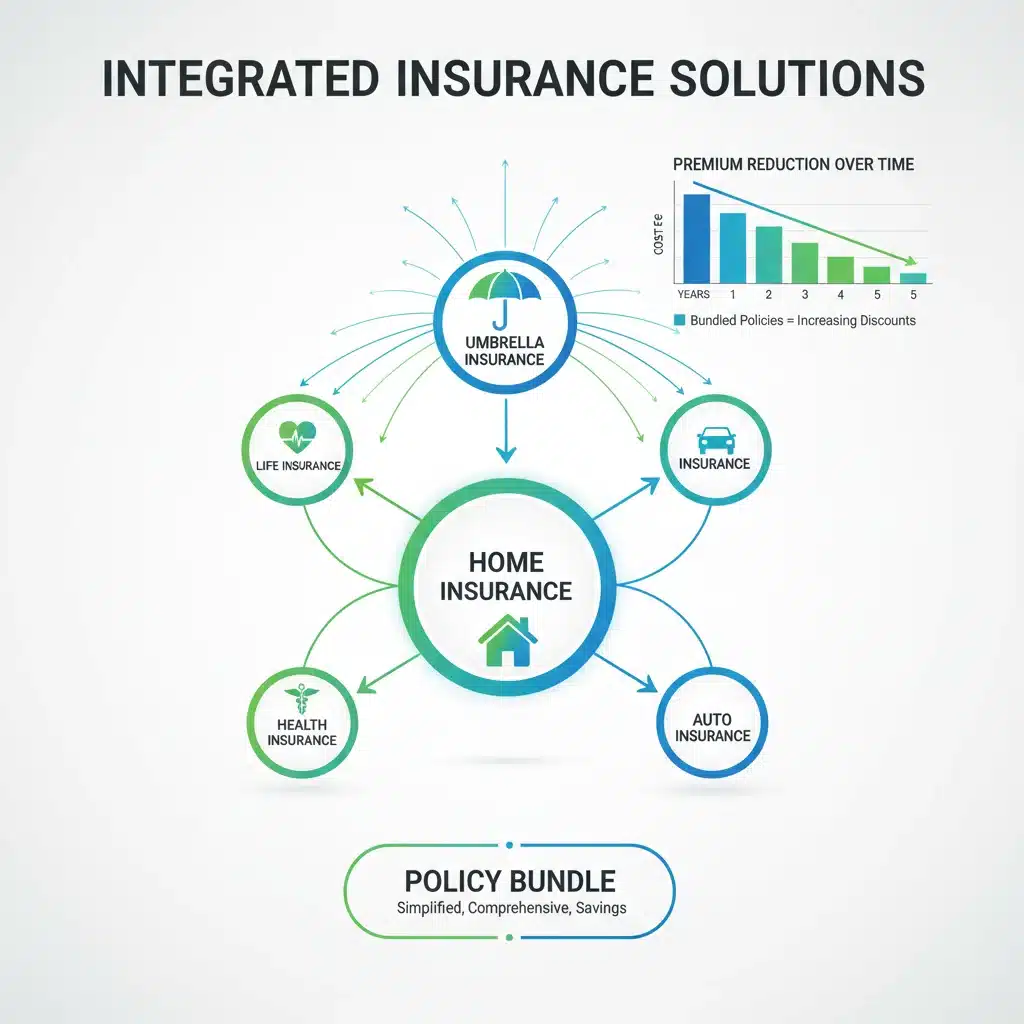
The concept of bundling insurance policies is straightforward: instead of purchasing separate policies from different providers for your home, auto, life, or other assets, you consolidate them with a single insurer. This not only streamlines your insurance management but also unlocks a range of discounts that individual policies simply cannot offer. The goal is not just to save money, but to build a more robust and efficient insurance portfolio that truly protects your assets without overstretching your budget.
Understanding the Power of Bundling: Why Combine Insurance Policies?
The primary motivation to combine insurance policies is, undoubtedly, financial savings. Insurers offer multi-policy discounts because it benefits them as much as it benefits you. By retaining more of your business, they reduce their administrative costs and increase customer loyalty. These savings are then passed on to you, often in the form of a percentage discount on your total premium. While the exact percentage can vary, a 12% reduction is a realistic and achievable target for many households in 2026.
Beyond the direct financial benefit, combining policies offers several other advantages. Think about the convenience of having a single point of contact for all your insurance needs. This simplifies claims processes, policy management, and annual reviews. Instead of juggling multiple renewal dates, different customer service numbers, and varying policy terms, everything is consolidated, making your life much easier. This efficiency translates into less time spent on administrative tasks and more time focusing on what truly matters.
The Financial Impact: How 12% Savings Can Transform Your Budget
A 12% saving on your total insurance costs might seem modest at first glance, but consider the cumulative effect over a year, or even several years. If your annual insurance premiums amount to $3,000, a 12% saving means $360 back in your pocket each year. Over five years, that’s $1,800 – money that could go towards investments, debt reduction, or a much-needed vacation. For households with higher insurance costs, the savings can be even more substantial. This is a tangible financial benefit that directly impacts your disposable income and long-term financial planning.
Moreover, these savings are often recurring, meaning you continue to benefit year after year as long as you maintain your bundled policies. It’s a passive form of savings that requires an initial effort but delivers continuous returns. This makes the strategy of how to combine insurance policies a cornerstone of smart financial management for 2026 and beyond.
Common Policy Combinations for Maximum Savings
While almost any combination of policies can lead to discounts, some pairings are more common and yield greater savings. Understanding these popular bundles can help you tailor your strategy to your specific needs.
Auto and Home Insurance: The Classic Bundle
The most popular and often most rewarding combination is bundling auto and home insurance. Almost every major insurer offers significant discounts for this pairing. Homeowners typically have substantial insurance needs, and adding auto coverage to the same provider can result in substantial savings on both policies. This bundle is a natural fit for many individuals and families, as these are two of the most significant insurance expenses for most households.
Auto and Renters Insurance: A Smart Choice for Tenants
If you don’t own a home but rent, combining your auto insurance with renters insurance is an excellent strategy. Renters insurance is often very affordable, and bundling it with your auto policy can unlock discounts that far outweigh the cost of the renters policy itself. This not only protects your personal belongings but also provides liability coverage, all while reducing your overall insurance expenditure.
Life and Auto/Home Insurance: Long-Term Benefits
Many insurers also offer discounts when you add a life insurance policy to your existing auto or home insurance bundle. Life insurance is a crucial component of long-term financial planning, and integrating it into your bundled package can provide both peace of mind and significant cost savings. This is particularly beneficial for those looking to secure their family’s future while optimizing current expenses.
Umbrella Policy Integration: Enhanced Protection and Savings
An umbrella insurance policy provides additional liability coverage beyond the limits of your standard auto, home, or renters insurance. While it’s a separate policy, many insurers offer discounts when you purchase an umbrella policy in conjunction with your other bundled coverages. This not only enhances your financial protection against major claims but also contributes to your overall savings when you combine insurance policies effectively.
Steps to Successfully Combine Insurance Policies
Successfully combining your insurance policies requires a systematic approach. It’s not just about picking an insurer; it’s about finding the right fit for your specific needs and ensuring you maximize your savings without compromising on coverage.
Step 1: Assess Your Current Coverage Needs
Before you start shopping around, take stock of all your existing insurance policies. What kind of coverage do you have? What are your deductibles? What are the limits? Understand what you currently pay for and what you truly need. This assessment is crucial for identifying gaps in coverage or areas where you might be over-insured. Consider life changes, such as a new home, a new car, marriage, or children, which might alter your insurance requirements for 2026.
Step 2: Research Potential Insurers
Not all insurance companies offer the same bundling discounts or coverages. Research several reputable insurers that offer all the types of policies you need. Look for companies known for excellent customer service, a strong financial rating, and competitive pricing. Online reviews and independent rating agencies can be valuable resources during this phase. Pay close attention to their multi-policy discount structures.
Step 3: Obtain Multiple Quotes
Once you have a shortlist of insurers, obtain quotes for bundling all your desired policies. Be as precise as possible with the information you provide to ensure accurate quotes. Don’t just look at the bottom-line price; compare the coverage details, deductibles, and any additional benefits offered. A slightly higher premium might be worth it for superior coverage or better claims service.
Step 4: Compare and Negotiate
This is where the real savings can be unlocked. Compare the quotes side-by-side, paying attention to the total cost and the individual policy components. Don’t hesitate to use a quote from one insurer to negotiate with another. Many insurance agents have some flexibility in pricing, especially if they know you’re considering multiple options. Clearly state your goal to combine insurance policies and ask about all available multi-policy discounts.
Step 5: Review Policy Details Carefully
Before finalizing your decision, meticulously review the terms and conditions of the bundled policy. Ensure that your coverage levels are adequate and that there are no hidden clauses or exclusions that could leave you vulnerable. Understand the claims process, customer service options, and any specific requirements for maintaining your discounts. It’s better to spend extra time now than face unpleasant surprises later.
Step 6: Consolidate and Update
Once you’ve chosen an insurer and finalized your bundled policies, cancel your old policies (making sure there are no gaps in coverage) and update your records. Inform your mortgage lender, auto loan provider, and any other relevant parties about your new insurance details. Set a reminder to review your policies annually to ensure they still meet your needs and to check for new discounts or changes in your situation.
Beyond Bundling: Additional Strategies for Insurance Savings
While the focus here is on how to combine insurance policies for maximum savings, it’s important to remember that bundling is just one piece of the puzzle. Several other strategies can further reduce your insurance costs.
Increase Your Deductibles
A higher deductible means you pay more out-of-pocket in the event of a claim, but it also significantly lowers your annual premiums. If you have a healthy emergency fund, increasing your deductibles can be a smart way to save money on insurance. Just ensure you can comfortably afford the deductible amount if a claim arises.
Maintain a Good Driving Record
For auto insurance, a clean driving record is paramount. Accidents and traffic violations can lead to higher premiums. Driving safely not only protects you and others but also keeps your insurance costs down.
Improve Home Security
Installing security systems, smoke detectors, and carbon monoxide detectors can qualify you for discounts on your home insurance. Some insurers even offer discounts for smart home technology that monitors for leaks or fires.
Improve Your Credit Score
In many states, insurance companies use credit scores as a factor in determining premiums. A higher credit score often translates to lower insurance rates, as it’s seen as an indicator of responsibility. Regularly check your credit report and work to improve your score if needed.
Ask About Other Discounts
Don’t be afraid to ask your insurance provider about every possible discount. These can include discounts for being a loyal customer, having anti-theft devices, being a non-smoker, having good grades (for young drivers), or belonging to certain professional organizations. Every little bit adds up.
Review Your Policies Annually
Your insurance needs change over time. An annual review ensures that your coverage is still appropriate and that you’re not paying for things you no longer need. For instance, if your car is older, you might consider dropping collision coverage. If you’ve paid off your mortgage, your home insurance requirements might change.
Potential Pitfalls and How to Avoid Them
While combining insurance policies offers numerous benefits, it’s essential to be aware of potential downsides and how to mitigate them. The goal is to maximize savings and convenience without sacrificing essential coverage.
Don’t Sacrifice Coverage for Price
The biggest mistake people make when trying to save money on insurance is cutting corners on coverage. A cheap policy that doesn’t adequately protect your assets can be far more costly in the long run if you experience a major claim. Always ensure your bundled policies provide comprehensive coverage that meets your specific needs.
Beware of ‘Too Good to Be True’ Deals
If a bundled quote seems significantly lower than all others, investigate thoroughly. There might be hidden exclusions, lower coverage limits, or a less-than-stellar claims service reputation. Read the fine print and ask questions to ensure you’re getting genuine value.
Understand the Claims Process
While bundling simplifies policy management, understand how claims are handled across different types of policies within the same insurer. Will you have one claims adjuster for all types of claims, or separate departments? Knowing this beforehand can save you stress during a potentially difficult time.
Consider Independent Agents
While direct insurers offer bundling, an independent insurance agent can be a valuable resource. They work with multiple insurance companies and can shop around on your behalf to find the best bundled deals that fit your needs, often uncovering savings you might not find on your own. They can help you navigate the complexities of different providers and ensure you truly combine insurance policies for optimal benefit.

The Future of Insurance Bundling in 2026
As technology advances and consumer demands evolve, the insurance industry is constantly adapting. In 2026, we can expect even more sophisticated bundling options and personalized discounts. Insurers are increasingly leveraging data analytics to offer tailored policies and incentives. This means that the ability to combine insurance policies effectively will become even more critical for maximizing savings.
Expect to see more integration with smart home devices, telematics (for auto insurance based on driving behavior), and wellness programs (for life and health insurance). These innovations will create new avenues for discounts and further personalize the insurance experience. Staying informed about these trends will empower you to continually optimize your insurance portfolio.
Personalized Bundles and AI-Driven Recommendations
In 2026, AI and machine learning are likely to play a larger role in recommending personalized insurance bundles. These technologies can analyze your lifestyle, assets, and risk profile to suggest the most cost-effective and comprehensive combinations. This will make it even easier for consumers to identify opportunities to combine insurance policies that truly align with their individual circumstances.
Increased Emphasis on Digital Management
The convenience factor of bundling will be further enhanced by digital platforms. Expect more user-friendly apps and online portals that allow you to manage all your bundled policies, file claims, and make adjustments from a single interface. This digital transformation will simplify the entire insurance experience, making it more accessible and efficient.
Conclusion: Make 2026 Your Year for Insurance Savings
The opportunity to combine insurance policies presents a powerful and practical strategy for significant financial savings in 2026. By bundling your home, auto, life, and other coverages, you can realistically expect to reduce your total insurance costs by 12% or more, freeing up valuable funds for other financial goals. Beyond the monetary savings, bundling offers unparalleled convenience and simplifies the management of your insurance portfolio.
Take the proactive step today to assess your needs, research reputable insurers, obtain multiple quotes, and meticulously compare your options. Remember to prioritize adequate coverage over mere price, and leverage additional savings strategies like increasing deductibles and maintaining a good credit score. As the insurance landscape continues to evolve, staying informed and actively managing your policies will ensure you remain protected and financially optimized.
Don’t let the complexity of insurance deter you. With a clear understanding of the benefits and a strategic approach to combining your policies, you can unlock substantial savings and enhance your financial security for 2026 and the years to come. Start your journey towards smarter insurance and greater financial freedom today.