Mastering Insurance Endorsements: Tailoring Coverage for 2026
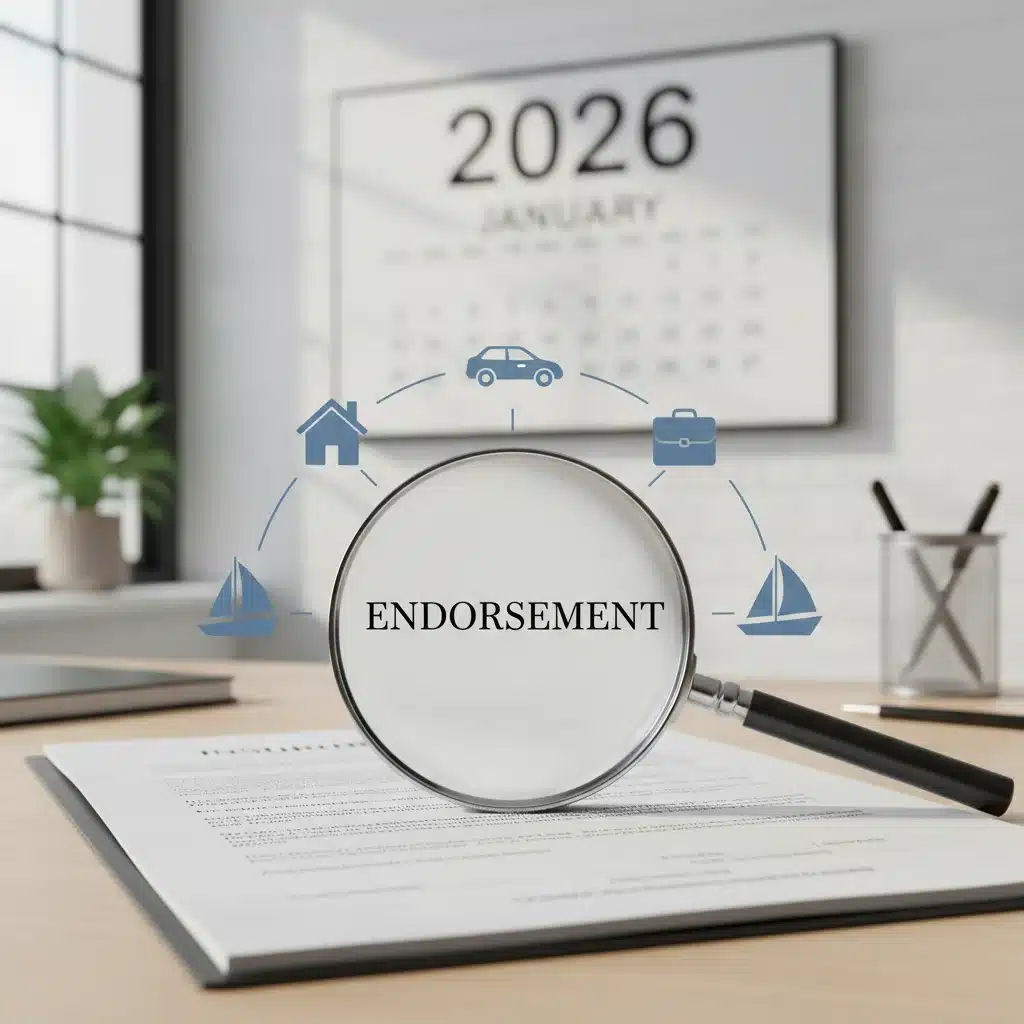
In the complex world of insurance, understanding your policy is paramount. While a standard insurance policy provides a broad spectrum of coverage, it's rare for it to perfectly align with every unique need and risk an individual or business faces. This is where Insurance Policy Endorsements come into play. Often overlooked or misunderstood, endorsements are powerful tools that allow you to customize, expand, or even restrict the terms of your existing insurance contract. As we look towards 2026, the landscape of risks continues to evolve, making the strategic use of endorsements more critical than ever.
This comprehensive guide will demystify Insurance Policy Endorsements, explaining what they are, why they are essential, and how they can be leveraged to ensure your coverage is precisely tailored to your specific circumstances. We will explore various types of endorsements across different insurance categories, provide insights into how to identify your unique coverage gaps, and offer practical advice on working with your insurance provider to secure the right additions. By the end of this article, you will be equipped with the knowledge to proactively manage your insurance portfolio, ensuring robust protection for the year 2026 and beyond.
What Exactly Are Insurance Policy Endorsements?
At its core, an insurance policy is a contract between you and an insurance company. It outlines the terms, conditions, coverages, and exclusions of your protection. However, no "one-size-fits-all" policy can address the myriad of unique situations that arise. This is where Insurance Policy Endorsements step in. An endorsement, also known as a rider or an addendum, is a written amendment to an insurance policy that changes its original terms. It can add, delete, exclude, or otherwise modify coverage.
Think of your base insurance policy as a standard vehicle. It gets you from point A to point B. An endorsement is like adding custom features – a sunroof, a more powerful engine, or specialized off-road tires. These additions aren't standard but are crucial for your specific needs or preferences. Similarly, endorsements can be used to:
- Broaden Coverage: Extend protection to risks or items not covered by the standard policy.
- Restrict Coverage: Limit or exclude coverage for certain perils or property, often to reduce premiums or reflect specific risk profiles.
- Clarify Coverage: Provide more specific definitions or interpretations of policy language.
- Change Policy Terms: Alter deductibles, limits, or other contractual conditions.
Understanding these modifications is vital because they directly impact what is and isn't covered when a loss occurs. For 2026, with evolving risks such as climate change impacts, increased cyber threats, and shifting economic landscapes, the role of Insurance Policy Endorsements becomes even more pronounced in bridging potential coverage gaps.
Why Are Endorsements Essential for Your 2026 Coverage?
The world is dynamic, and so are the risks we face. What was adequate coverage five years ago might be insufficient today. This is particularly true as we head into 2026, where new challenges and opportunities emerge. Insurance Policy Endorsements are not just optional extras; they are often critical components of a truly effective risk management strategy. Here’s why they are essential:
Adapting to Evolving Risks
The threat landscape is constantly changing. For example, homeowners might face increased risks from severe weather events, necessitating endorsements for flood or earthquake damage not typically included in standard policies. Businesses, on the other hand, are grappling with sophisticated cyberattacks, making cyber liability endorsements indispensable.
Personalizing Your Protection
Standard policies are designed for the "average" policyholder. But are you average? Do you own valuable art, operate a home-based business, or live in a high-risk area? Endorsements allow you to tailor your policy to your unique assets, lifestyle, and business operations, ensuring that your specific exposures are adequately addressed.
Closing Coverage Gaps
Many individuals and businesses discover coverage gaps only after a loss occurs. For instance, a standard homeowner's policy might have low limits for jewelry or collectibles. Without a scheduled personal property endorsement, a theft could leave you significantly undercompensated. Identifying these potential gaps and filling them with appropriate Insurance Policy Endorsements is a proactive step towards comprehensive protection.
Meeting Lender or Contractual Requirements
Sometimes, endorsements aren't just a good idea; they're a requirement. Lenders often mandate specific endorsements for properties they finance, such as a "loss payable" clause that protects their interest. Similarly, business contracts might require certain liability endorsements to be added to your commercial policy.
Cost-Effectiveness
While adding endorsements might increase your premium, it's often a far more cost-effective solution than purchasing entirely separate policies or, worse, facing a significant uninsured loss. Strategic use of endorsements can optimize your insurance spend by focusing coverage where it's most needed.
Common Types of Insurance Policy Endorsements
Endorsements span across nearly all types of insurance. Let's explore some common examples to illustrate their versatility and importance.
Homeowners Insurance Endorsements
- Scheduled Personal Property Endorsement: Increases coverage limits for specific high-value items like jewelry, art, furs, or collectibles, which often have low limits under a standard policy.
- Water Backup and Sump Pump Overflow Endorsement: Covers damage caused by water backing up through sewers or drains, or from sump pump overflow, which is typically excluded.
- Identity Theft Endorsement: Provides coverage for expenses incurred to restore your identity after it's stolen.
- Ordinance or Law Endorsement: Covers the increased cost of repairs or rebuilding due to current building codes and ordinances after a covered loss.
- Home Business Endorsement: Offers limited coverage for business property and liability if you run a small business from your home, as standard homeowner's policies often exclude business-related losses.
Auto Insurance Endorsements
- Rental Car Reimbursement Endorsement: Covers the cost of a rental car while your vehicle is being repaired after a covered accident.
- New Car Replacement Endorsement: If your new car is totaled, this endorsement replaces it with a brand new car of the same make and model, rather than just paying its depreciated actual cash value.
- Gap Insurance Endorsement: Covers the "gap" between what you owe on your car loan and what your insurance pays if your car is totaled, especially relevant for newer vehicles.
- Custom Equipment Endorsement: Provides additional coverage for aftermarket parts and modifications not typically covered by a standard policy.
Business Insurance Endorsements
- Cyber Liability Endorsement: Crucial for 2026, this covers costs associated with data breaches, cyberattacks, and other cyber-related risks, including notification costs, legal fees, and regulatory fines.
- Professional Liability (E&O) Endorsement: For service-based businesses, this extends coverage for claims arising from errors or omissions in professional services provided.
- Business Interruption with Extra Expense Endorsement: Beyond covering lost income after a disaster, this helps pay for additional costs incurred to keep the business running (e.g., renting temporary space).
- Named Perils Endorsement: While some policies are "all-risk," others are "named perils." An endorsement can add specific perils to a named perils policy.
- Employee Dishonesty Endorsement: Protects your business from losses due to theft of money, securities, or other property by an employee.

Identifying Your Need for Specific Endorsements for 2026
The key to effectively utilizing Insurance Policy Endorsements is a thorough understanding of your own risk profile. This requires a proactive approach and regular review, especially as your life or business evolves. Here's how to identify your needs for 2026:
Personal Insurance Needs Assessment
- Review Your Assets: Do you own any high-value items (jewelry, art, collectibles, expensive electronics) that exceed standard policy limits?
- Evaluate Your Property: Is your home in an area prone to floods, earthquakes, or wildfires? Does it have unique features that might require specialized coverage? Have you made significant renovations or additions?
- Consider Your Lifestyle: Do you travel frequently and need coverage for belongings while away? Do you have unique hobbies (e.g., boating, owning ATVs) that require separate or endorsed coverage?
- Assess Your Family's Needs: Are there any new dependents, a new driver in the household, or specific health concerns that might impact life or health insurance needs?
- Home-Based Business: If you run any business activities from home, even a side hustle, your homeowner's policy likely won't cover business-related losses.
Business Insurance Needs Assessment
- Analyze Your Operations: What specific services do you provide? What physical assets does your business own? Are there any unique machinery or equipment?
- Review Contracts: Do your client contracts or leases require specific types of insurance or liability limits?
- Assess Data Security: How much sensitive customer or company data do you handle? What are the potential financial and reputational impacts of a data breach?
- Employee Risks: Are there specific risks associated with your employees' work, or potential for employee-related theft or fraud?
- Supply Chain Vulnerabilities: Are you heavily reliant on specific suppliers or distribution channels that, if disrupted, could cause significant business interruption?
- Geographic Risks: Is your business located in an area susceptible to specific natural disasters?
Stay Informed About 2026 Trends
Keep an eye on emerging trends and risks that could impact your coverage needs. For example, the increasing prevalence of smart home technology might introduce new cyber vulnerabilities, while shifts in climate patterns could alter the frequency and severity of natural disasters. Discuss these trends with your insurance agent.
The Process of Adding Insurance Policy Endorsements
Adding an endorsement to your policy is a straightforward process, but it requires careful communication with your insurance provider or agent.
- Review Your Current Policy: Start by thoroughly reading your existing policy. Understand what is currently covered and, more importantly, what is excluded or limited.
- Identify Gaps and Needs: Based on your personal or business assessment (as outlined above), pinpoint areas where your current coverage falls short or where you anticipate new risks for 2026.
- Consult Your Agent: This is the most crucial step. Your insurance agent is a valuable resource. Explain your specific situation, assets, and concerns. They can advise you on relevant Insurance Policy Endorsements and explain their implications.
- Understand the Costs: Endorsements often come with an additional premium. Your agent will provide quotes for the desired additions. Weigh the cost against the potential financial impact of an uninsured loss.
- Receive and Review the Endorsement: Once you agree to an endorsement, the insurance company will issue a formal document outlining the changes. Read this document carefully to ensure it accurately reflects what you requested and understood. It becomes a legal part of your insurance contract.
- File and Keep Records: Store your endorsement documents with your main policy. These are critical legal documents.
Remember, insurance is not a "set it and forget it" product. Your needs change, and so do risks. Annual reviews with your insurance agent are highly recommended to ensure your Insurance Policy Endorsements remain relevant and effective for 2026 and beyond.
Potential Pitfalls and Considerations
While Insurance Policy Endorsements are incredibly beneficial, there are a few considerations and potential pitfalls to be aware of:
- Read the Fine Print: Just like the main policy, endorsements have their own terms, conditions, and exclusions. Don't assume coverage; read the document carefully.
- Cost vs. Value: While essential, some endorsements might not be necessary for your specific risk profile. Discuss the cost-benefit with your agent.
- Duplication of Coverage: Ensure an endorsement isn't duplicating coverage you already have through another policy, unless intentional for higher limits.
- Impact on Other Coverage: Sometimes, adding one endorsement might subtly affect other parts of your policy. Your agent should clarify any such interactions.
- Effective Date: Always confirm the effective date of any new endorsement to ensure there are no gaps in coverage.
- Not All Endorsements Are Available: Depending on your insurer, location, and specific risk, certain endorsements might not be offered. Be prepared to explore options with different carriers if a crucial endorsement is unavailable.

The Future of Endorsements: What to Expect in 2026 and Beyond
The insurance industry is constantly evolving, driven by technological advancements, changing societal norms, and emerging global risks. For 2026, we can anticipate several trends influencing the landscape of Insurance Policy Endorsements:
Increased Specialization
As risks become more nuanced, we will likely see even more specialized endorsements. For instance, endorsements for specific types of smart home technology, drone usage, or advanced autonomous vehicle features could become standard offerings.
Parametric Triggers
Parametric insurance, which pays out based on the occurrence of a predefined event (e.g., a certain wind speed, rainfall amount, or earthquake magnitude) rather than actual loss assessment, is gaining traction. Endorsements based on parametric triggers could become more common, offering quicker payouts for specific perils.
Cyber Endorsements as Standard
For businesses, cyber liability endorsements may transition from optional add-ons to near-mandatory components of commercial policies, reflecting the pervasive and growing threat of cybercrime. We might also see more granular cyber endorsements catering to specific industry risks.
Climate Change Adaptations
As climate change impacts intensify, insurers will likely introduce more specific endorsements related to climate-induced perils, such as enhanced flood coverage for certain zones, wildfire protection, or even drought-related business interruption coverage for agricultural sectors.
Usage-Based Endorsements
Leveraging data from telematics and IoT devices, insurers may offer endorsements that adjust coverage or premiums based on usage patterns – for example, lower premiums for vehicles driven less, or discounts for homes with advanced security systems.
Simpler Language and Digital Access
The industry is moving towards greater transparency and accessibility. We can expect endorsements to be presented in clearer, more understandable language, and the process of adding or reviewing them to become more streamlined through digital platforms and AI-powered advice.
Case Studies: Endorsements in Action
Case Study 1: The Home-Based Entrepreneur
Sarah started a successful online custom jewelry business from her home. Her standard homeowner's policy provided minimal coverage for business property and no liability coverage for her business operations. A fire damaged her workshop, destroying thousands of dollars in materials and finished products. Her homeowner's policy only covered a small fraction of the loss. If Sarah had added a Home Business Endorsement and a Scheduled Personal Property Endorsement for her valuable inventory, her losses would have been significantly mitigated, covering both the physical assets and potential liability from her business activities.
Case Study 2: The Expanding Tech Startup
A small tech startup, "Innovate Solutions," initially had a general liability policy. As they grew, they began handling more sensitive client data and developing proprietary software. A cyberattack compromised their client database, leading to significant legal fees, notification costs, and reputational damage. Their general liability policy offered no protection. By adding a comprehensive Cyber Liability Endorsement, Innovate Solutions could have covered these substantial costs, protecting their financial stability and client trust.
Case Study 3: The Vintage Car Collector
Mark owned a rare vintage car, which he kept in pristine condition. His standard auto insurance policy would only pay out the actual cash value of the car if it was totaled, which was far less than its market value as a collectible. Mark wisely purchased an Agreed Value Endorsement. This endorsement specified an agreed-upon value for the vehicle with his insurer. When the car was unfortunately totaled in an accident, Mark received the full agreed-upon amount, allowing him to replace his prized possession without significant financial loss.
Conclusion: Proactive Protection with Insurance Policy Endorsements for 2026
As we navigate the complexities of 2026 and the years that follow, the importance of tailored insurance coverage cannot be overstated. Standard policies provide a foundational layer of protection, but it is through the strategic application of Insurance Policy Endorsements that true peace of mind is achieved. These powerful amendments allow you to fine-tune your coverage, addressing unique risks, protecting specific assets, and ensuring that your insurance portfolio remains relevant and robust in an ever-changing world.
Whether you are a homeowner, a business owner, or simply an individual seeking comprehensive protection, taking the time to understand, identify, and implement the right endorsements is a critical step in effective risk management. Don't wait for a loss to discover a gap in your coverage. Engage with your insurance agent, regularly review your policies, and proactively use Insurance Policy Endorsements to build a shield of protection that truly meets your needs for 2026 and for all the years to come.
Invest in your future by investing in smart, customized insurance coverage. Your peace of mind is worth it.