2026 Policy Exclusions: What Won’t Be Covered and Why
2026 Policy Exclusions: What Won’t Be Covered and Why
As we approach 2026, the landscape of insurance is continually evolving. New risks emerge, technologies advance, and societal changes influence what insurers are willing and able to cover. For policyholders, understanding the nuances of their insurance policies, especially the 2026 policy exclusions, is paramount. It’s not enough to simply have insurance; knowing what your policy *doesn’t* cover is just as critical as knowing what it does. This comprehensive guide will delve into the anticipated and established common policy exclusions for 2026, exploring the ‘why’ behind these limitations and empowering you to make informed decisions about your coverage.
The Evolving Nature of Insurance: Why Exclusions Are Essential
Insurance, at its core, is a mechanism for risk transfer. Policyholders pay premiums to an insurer, who in turn agrees to indemnify them against specified losses. However, no insurance policy can cover every conceivable risk. Exclusions are fundamental components of any insurance contract, defining the boundaries of coverage. They serve several vital purposes:
- Risk Management for Insurers: Exclusions allow insurers to manage their exposure to catastrophic or unquantifiable risks, ensuring the financial stability of their operations. Without them, premiums would be astronomically high, or insurers would face insolvency.
- Clarity and Specificity: They provide clarity to both parties regarding what is and isn’t covered, reducing ambiguity and potential disputes during claims.
- Promoting Loss Prevention: Some exclusions incentivize policyholders to take reasonable precautions against certain types of losses. For example, an exclusion for damage caused by intentional acts discourages reckless behavior.
- Affordability: By excluding certain high-risk or difficult-to-insure events, insurers can offer more affordable coverage for the more common and predictable risks.
The year 2026 brings with it a continuation of trends already shaping the insurance world, alongside new challenges. Climate change, geopolitical instability, rapid technological advancements (especially in AI and automation), and evolving cyber threats are all factors that influence the scope and limitations of insurance coverage. Understanding these drivers helps explain why certain 2026 policy exclusions are becoming more prevalent or are being refined.
Understanding the Basics: Common Policy Exclusions Across Policy Types
Before diving into specific 2026 trends, it’s crucial to grasp the fundamental types of exclusions that are almost universally present in various insurance policies, from home and auto to commercial and health insurance. These are often considered standard standard policy exclusions:
1. Intentional Acts
Most insurance policies will not cover damage or injury resulting from intentional acts committed by the policyholder. This is a foundational principle: insurance is designed to protect against unforeseen events, not deliberate harm. For example, if you intentionally set fire to your property, your homeowner’s insurance will not cover the damage.
2. War and Military Action
Damage or loss directly resulting from war, invasion, civil unrest, or military action is almost always excluded. This is due to the catastrophic and widespread nature of such events, which would make it impossible for insurers to quantify and cover the associated risks.
3. Nuclear Hazard
Similar to war, damage caused by nuclear radiation or contamination is typically excluded. The scale of potential damage and the long-term health and environmental consequences are simply too immense for standard insurance policies to cover.
4. Wear and Tear, Deterioration, and Lack of Maintenance
Insurance is not a maintenance contract. Policies generally exclude damage that occurs gradually due to normal wear and tear, rust, corrosion, mold (unless sudden and accidental), or a lack of proper maintenance. The expectation is that policyholders will maintain their property to prevent such issues.
5. Governmental Seizure or Destruction
Losses arising from actions by governmental authorities, such as property confiscation or destruction under lawful order, are usually excluded. This is often because such actions are considered sovereign risks.
6. Pre-existing Conditions (Health Insurance)
While the Affordable Care Act (ACA) largely eliminated pre-existing condition exclusions in health insurance, some short-term or specialized plans might still have limitations. It’s crucial to review these carefully, especially when considering alternative health coverage options.
7. Certain Catastrophic Natural Disasters (Often Requires Separate Policies)
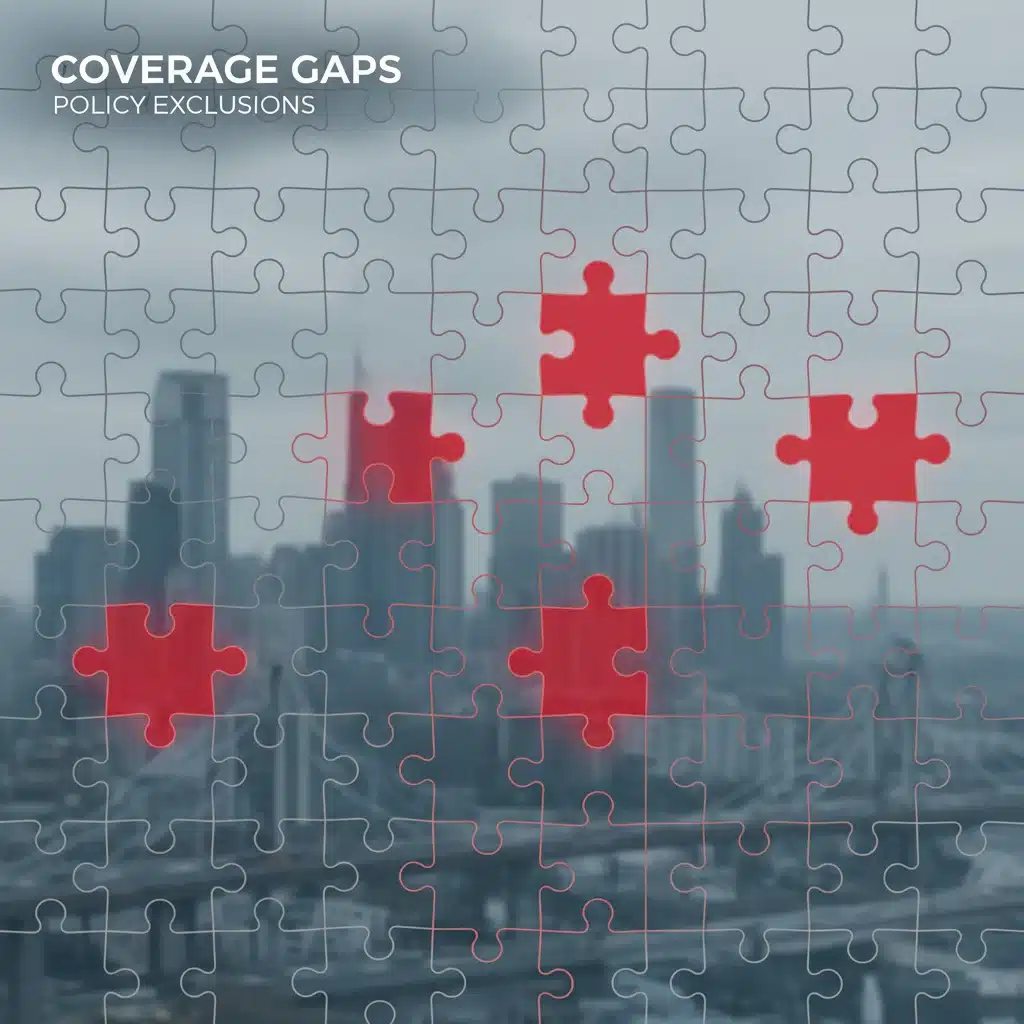
While standard homeowner’s policies cover perils like fire, wind, and hail, certain catastrophic natural disasters often require separate policies or endorsements. Floods and earthquakes are prime examples. Standard policies almost universally include flood and earthquake exclusions due to the high risk and widespread damage they can cause in affected areas. This is a critical area where many policyholders discover gaps in their coverage only after a disaster strikes.
Emerging 2026 Policy Exclusions and Trends
Beyond the standard exclusions, 2026 is likely to see an increased focus on and refinement of exclusions related to contemporary and emerging risks. These are the areas where policyholders need to be particularly vigilant.
1. Cyber-Related Risks: A Growing Area of Exclusion
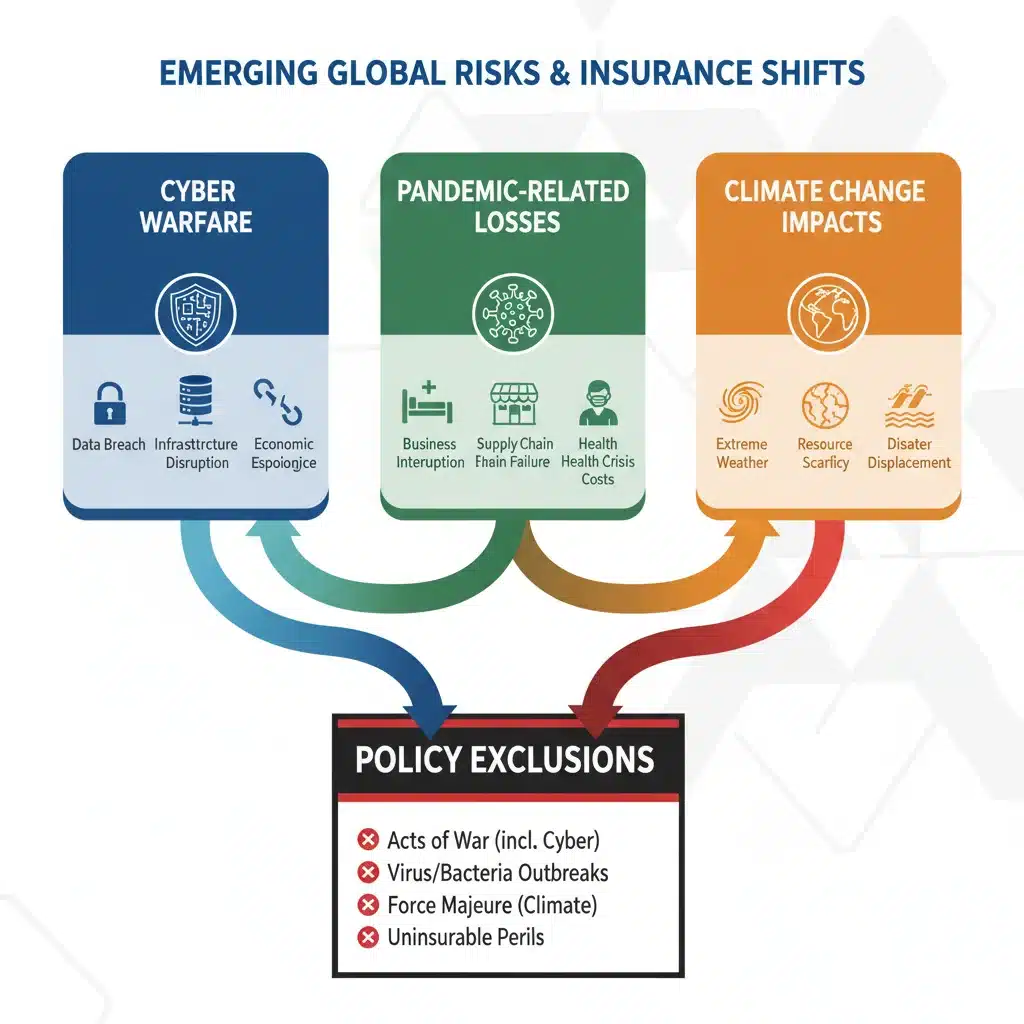
Cyber incidents, from data breaches to ransomware attacks, are no longer niche concerns; they are pervasive threats. While dedicated cyber insurance policies exist, many standard commercial general liability (CGL) policies and even some property policies are increasingly incorporating explicit cyber risk exclusions. The reasons for this are multi-faceted:
- Difficulty in Quantification: The financial impact of a major cyberattack can be immense and difficult to predict, encompassing business interruption, data recovery, regulatory fines, and reputational damage.
- Systemic Risk: A single vulnerability can affect numerous entities simultaneously, creating a systemic risk that traditional insurance models struggle to absorb.
- Lack of Underwriting Expertise: Underwriting cyber risk requires specialized knowledge that many traditional insurers are still developing.
Policyholders should assume that their standard policies will NOT cover most cyber-related losses by 2026 and should actively seek dedicated cyber insurance if their operations have any digital component.
2. Pandemic and Communicable Disease Exclusions
The COVID-19 pandemic highlighted significant gaps in business interruption and event cancellation policies, leading to widespread disputes over coverage for pandemic-related losses. In response, insurers have moved swiftly to clarify and strengthen pandemic exclusions. By 2026, it will be standard for most property, business interruption, and liability policies to explicitly exclude losses arising from:
- Communicable diseases, epidemics, or pandemics.
- Governmental orders or actions taken in response to such health crises (e.g., lockdowns, travel restrictions).
Businesses seeking protection against future pandemic-related disruptions will likely need highly specialized, and potentially expensive, standalone policies or government-backed schemes.
3. Climate Change-Related Exclusions and Limitations
The increasing frequency and severity of extreme weather events attributed to climate change are profoundly impacting the insurance market. While insurers historically covered many weather-related perils, the scale of current and projected losses is forcing a re-evaluation. By 2026, we may see:
- Increased Scrutiny of Flood and Wildfire Risk: Even in areas not traditionally considered high-risk, insurers may introduce more granular climate risk exclusions or significantly raise premiums for properties in areas prone to flooding, wildfires, or severe windstorms.
- Limitations on Coastal Property Coverage: Sea-level rise and increased storm surge could lead to more restrictive terms or outright exclusions for coastal properties.
- Exclusions for ‘Creeping’ Damage: Damage from gradual environmental degradation, such as subsidence due to prolonged drought or changing groundwater levels, may become more explicitly excluded if not sudden and accidental.
Policyholders in vulnerable regions must be proactive in assessing these changes and exploring government programs or specialized markets for coverage.
4. Artificial Intelligence (AI) and Autonomous Systems Liabilities
As AI and autonomous systems become more integrated into daily life and business operations, the question of liability for errors, malfunctions, or unintended consequences becomes critical. By 2026, insurance policies are likely to introduce or refine AI liability exclusions, particularly in general liability, product liability, and professional indemnity policies. Key concerns include:
- Attribution of Fault: Determining who is responsible when an AI system causes harm (developer, user, data provider) is complex.
- Unforeseen Consequences: Generative AI and machine learning models can produce unpredictable outcomes.
- Lack of Human Oversight: As systems become more autonomous, the role of human error vs. system error blurs.
Businesses utilizing AI extensively will need to carefully scrutinize their liability coverage and potentially seek specialized AI-specific insurance products.
5. Geopolitical and Supply Chain Disruptions
The interconnectedness of the global economy means that conflicts or disruptions in one region can have ripple effects worldwide. While war exclusions are standard, 2026 policies might see more explicit geopolitical risk exclusions related to:
- Sanctions and Trade Embargoes: Losses arising from compliance with or violation of international sanctions.
- Supply Chain Interruptions: While business interruption insurance covers direct damage to a policyholder’s property, exclusions might be strengthened around losses due to disruptions far up or down the supply chain, especially if not directly caused by a covered peril at the policyholder’s premises.
Businesses with international operations or complex supply chains need to perform thorough risk assessments and potentially explore political risk insurance.
Why Are These Exclusions Happening Now?
The trend towards more specific and often broader 2026 policy exclusions is not arbitrary. It’s a direct response to several forces:
- Increased Frequency and Severity of Losses: Climate change, cyberattacks, and geopolitical events are causing more frequent and more costly claims. Insurers must adapt to remain solvent.
- Data and Analytics: Advanced data analytics allow insurers to more accurately identify and quantify specific risks, leading to more tailored (and sometimes more restrictive) policy language.
- Regulatory Pressures: Regulators may push for clearer policy language to prevent consumer confusion or to ensure the stability of the insurance market.
- Legal Precedent: Court rulings on past claims (e.g., pandemic business interruption) often lead insurers to refine their policy wording to avoid future disputes.
- Emergence of Uninsurable Risks: Some risks, due to their systemic nature, catastrophic potential, or lack of historical data, are becoming increasingly difficult, if not impossible, for the private insurance market to cover at an affordable price.
Navigating 2026 Policy Exclusions: What You Can Do
Understanding 2026 policy exclusions is the first step; actively managing your risk and coverage is the next. Here’s how you can prepare:
1. Read Your Policy Documents Carefully (Yes, All of It!)
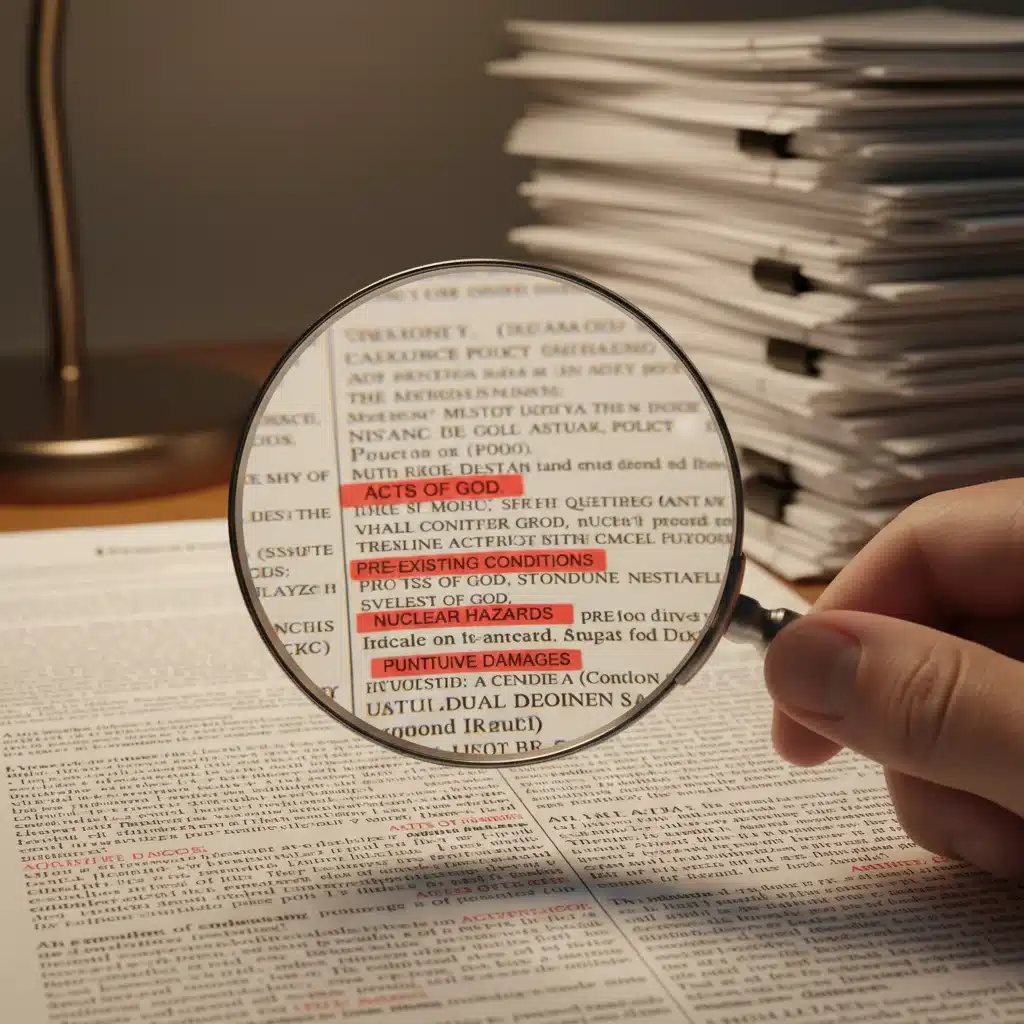
This cannot be stressed enough. The declarations page provides a summary, but the devil is in the details of the policy wording, conditions, and exclusions. Pay particular attention to sections titled ‘Exclusions,’ ‘Limitations,’ and ‘Definitions.’ If you don’t understand a term or clause, ask your agent or broker for clarification.
2. Don’t Rely on Assumptions
Never assume something is covered just because it seems logical or was covered in a previous policy. Insurance policies are contracts of utmost good faith, but they are also highly specific. Always verify coverage for specific risks that concern you.
3. Work Closely with an Experienced Independent Agent or Broker
An independent agent or broker can be an invaluable resource. They work for you, not a single insurance company, and can:
- Explain complex policy language and understanding exclusions.
- Identify potential coverage gaps based on your specific needs and risk profile.
- Shop around with multiple carriers to find policies that offer the best coverage for your unique situation.
- Advise on endorsements or specialized policies that can fill gaps created by standard exclusions.
4. Consider Endorsements and Specialized Policies
If a particular risk is excluded from your standard policy but is a significant concern, ask about endorsements (add-ons to an existing policy) or standalone specialized policies. For example, if your home is in a flood-prone area, you’ll need separate flood insurance. If your business relies heavily on digital operations, dedicated cyber insurance is a must.
5. Implement Robust Risk Mitigation Strategies
Insurance is a backstop, not a substitute for good risk management. By implementing strategies to reduce your exposure to risk, you can often lower your premiums and reduce the likelihood of a claim being denied due to an exclusion. Examples include:
- Cybersecurity: Strong firewalls, employee training, regular backups.
- Property Maintenance: Regular inspections, addressing issues promptly, installing protective devices (e.g., water leak detectors, smart smoke alarms).
- Business Continuity Planning: Developing plans for how your business will operate during and after a disruption.
6. Review Your Policies Annually
Your insurance needs change, and so do the risks you face. An annual review of all your policies with your agent ensures that your coverage remains adequate and that you’re aware of any new 2026 policy exclusions or changes to existing ones. This is especially important as we move into 2026, given the dynamic nature of the insurance market.
The Future of Insurance and Exclusions
The trend towards more granular and specific 2026 policy exclusions is likely to continue. As the world becomes more complex and interconnected, so do the risks. Insurers will continue to refine their offerings, distinguishing between risks that are insurable through standard policies, those that require specialized products, and those that may become effectively uninsurable by the private market.
This doesn’t mean insurance is becoming less valuable; rather, it means that being an informed consumer is more important than ever. The onus is increasingly on policyholders to understand what they are buying and to actively seek out the coverage they need for specific exposures. The rise of parametric insurance, where payouts are triggered by a specific event (e.g., a certain wind speed or rainfall amount) rather than actual loss, could also play a role in addressing some of these complex risks, offering a different approach to coverage where traditional indemnity policies struggle.
Conclusion: Be Prepared for 2026
The year 2026 will bring both familiar and new challenges to the insurance landscape. While the core purpose of insurance remains steadfast, the specifics of what your policy will and won’t cover are constantly being redefined. By understanding the foundational principles of policy exclusions, staying informed about emerging trends, and proactively engaging with insurance professionals, you can navigate the complexities of your coverage with confidence.
Don’t wait until a loss occurs to discover a critical gap in your protection. Take the time now to review your policies, ask the tough questions, and ensure that your insurance portfolio truly reflects your risk profile for 2026 and beyond. Being prepared means being aware of the 2026 policy exclusions and planning accordingly.